
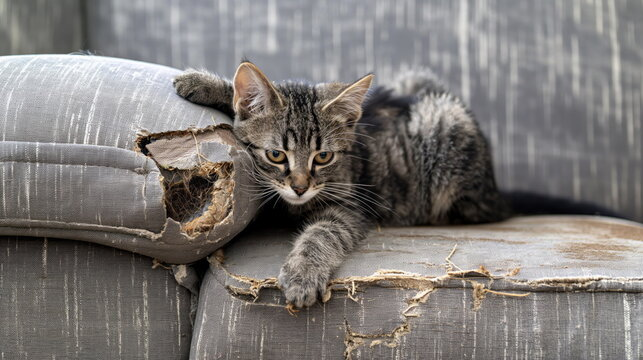
You come home, ready to relax, and there it is: a fresh set of claw marks running down the arm of your favorite sofa. Your cat blinks at you innocently from across the room. Sound familiar?
Before you get frustrated, take a deep breath. Your cat isn’t scratching the couch out of spite or a desire to destroy your things. Scratching is a deeply ingrained, natural, and essential feline behavior. The key to saving your furniture is understanding why it happens and offering better alternatives.
The Instinctive Need to Scratch
Scratching isn’t just a hobby for cats; it’s a complex, multi-functional activity. When your cat digs their claws into your couch, they are fulfilling several biological needs simultaneously:
1. Claw Maintenance (The Manicure)
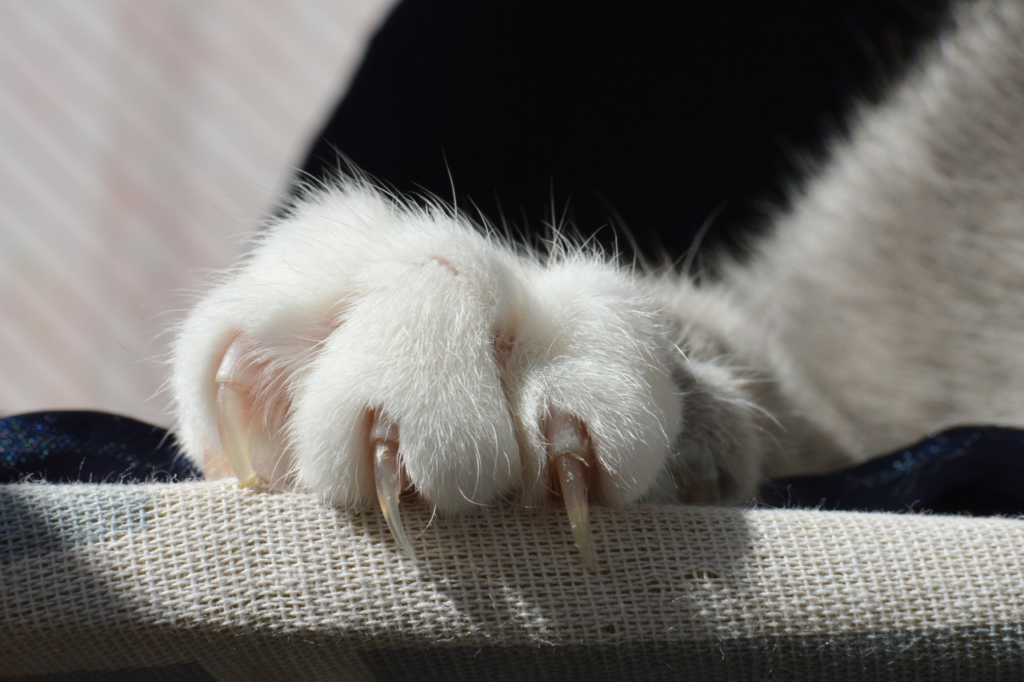
A cat’s claw grows in layers, like an onion. Scratching helps shed the worn-out outer sheath, revealing a sharp, healthy new claw underneath. You might find these crescent-shaped sheaths on the floor near their favorite scratching spot. Your couch’s coarse fabric provides the perfect texture for this essential grooming task.
2. Visual and Scent Marking (The “This is Mine” Message)
Cats have scent glands in their paws that release pheromones when they scratch. In the wild, this leaves both a visual mark (the scratch lines) and a chemical message that tells other cats, “I was here.” Your couch, often placed in a central social area that smells heavily of you, is a prime piece of territorial real estate. By scratching it, your cat is mixing their scent with yours, reinforcing their sense of security and family bond.
3. A Full-Body Stretch and Workout
Watch a cat scratch. They often pull against the surface, fully extending their legs, arching their back, and flexing their shoulders and spine. This is a fantastic physical exercise that keeps their muscles toned, their joints flexible, and releases tension—like a deep morning stretch for us, but with added claws.
4. Emotional Release and Communication
Scratching can be a form of emotional expression. A cat might scratch out of excitement when you come home, out of frustration after a stressful encounter with another pet, or simply as a displacement behavior. It’s a healthy outlet for energy and an important part of their mental well-being.
Why the Couch? The Perfect (and Problematic) Scratching Post
From a feline perspective, your couch is a scratching dream. It’s often large, stable, and doesn’t tip over. The fabric texture is incredibly satisfying to sink their claws into. Most importantly, it’s strategically located at the heart of your home, where the most important scent profiles—yours—are concentrated. It checks every box: texture, stability, and location.
How to Save Your Sofa: A Strategy of Redirection
You can’t and shouldn’t stop your cat from scratching. The goal is to redirect the behavior to an appropriate object. Here’s a proven, multi-step plan:
1. Provide an Irresistible Alternative
Not all scratching posts are created equal. You need to match your cat’s preferences:
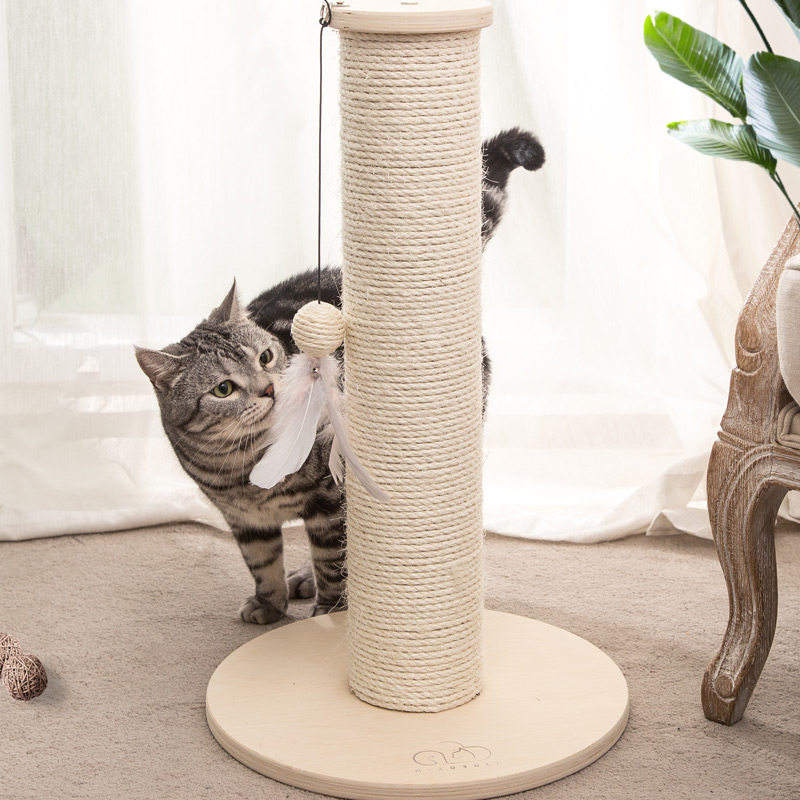
- Material: Does your cat love the woven texture of your sofa? Try a vertical post wrapped in sisal rope. If they prefer the plush feel of carpet, offer a carpet-covered post.
- Orientation: Some cats are vertical scratchers, fully stretching upwards. Others prefer to scratch horizontally on flat surfaces. Provide both! A tall, sturdy cat tree and a flat cardboard scratcher on the floor are a powerful combination.
- Stability is King: A wobbly post will be ignored, and your cat will return to the reliably stable couch. Ensure the post has a heavy, wide base and doesn’t shake.
Vertical scratcher vs. horizontal scratcher:
2. Make the Couch Unappealing (Temporarily)
While your cat is learning to love their new post, change the texture of the furniture to make it less attractive.
- Use Double-Sided Sticky Tape: Cats hate the sticky feeling on their paws. Apply large sheets of cat-safe sticky tape (like Sticky Paws) to the corners of the couch.
- Drape with a Different Texture: A smooth, tight-woven sheet or a plastic carpet runner with the nubby side up can deter scratching until the new habit is formed.
3. Location, Location, Location
Place the new scratching post right next to the damaged area on the couch. Remember, part of the sofa’s appeal is its location. Once your cat is consistently using the post, you can gradually move it a few inches a day to a more convenient spot.
4. Use Positive Reinforcement, Never Punishment
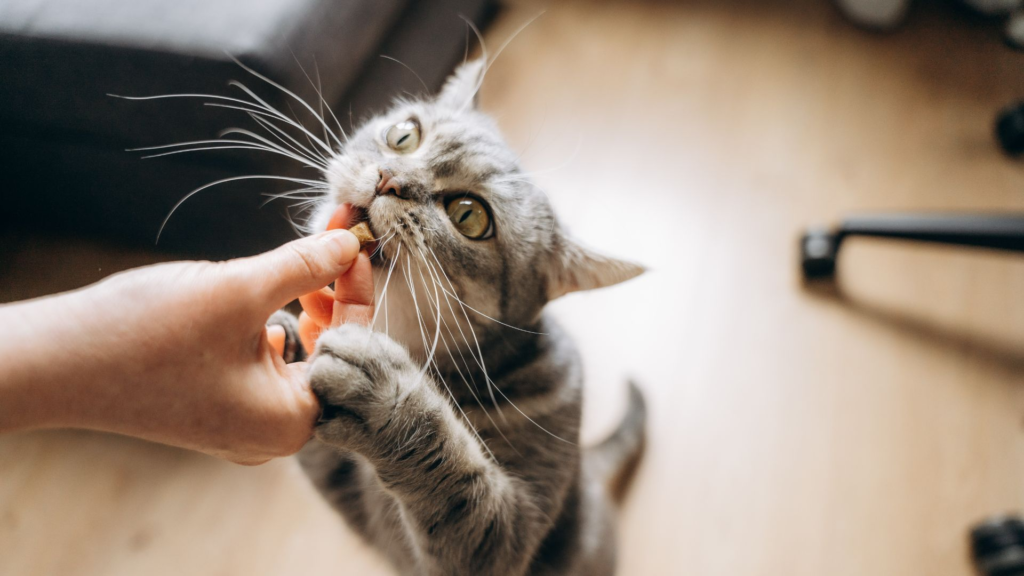
Never yell at, hit, or chase your cat for scratching the couch. They won’t connect the punishment to their action; they’ll only learn to be afraid of you and may become more stressed, leading to more destructive behaviors. Instead, make the correct choice a rewarding experience. Sprinkle catnip on the new post, dangle a toy from it, and give your cat enthusiastic praise and a treat the moment they lay a paw on it. Clicker training can work wonders here.
Quick Tip: Regularly trim your cat’s nails to minimize accidental damage while you’re working on training. This doesn’t stop the scratching instinct, but it makes the action less destructive.
Patience Leads to Peaceful Coexistence
Your cat is not a destructive monster; they are a wonderfully complex creature following their deepest instincts. By understanding the “why” behind the scratch and providing a more attractive outlet, you can protect your furniture without suppressing your cat’s natural needs.
It’s a simple equation: meet their needs, save your couch. A house with a strategically placed scratching post and a happy cat is a home where both of you can truly relax.