

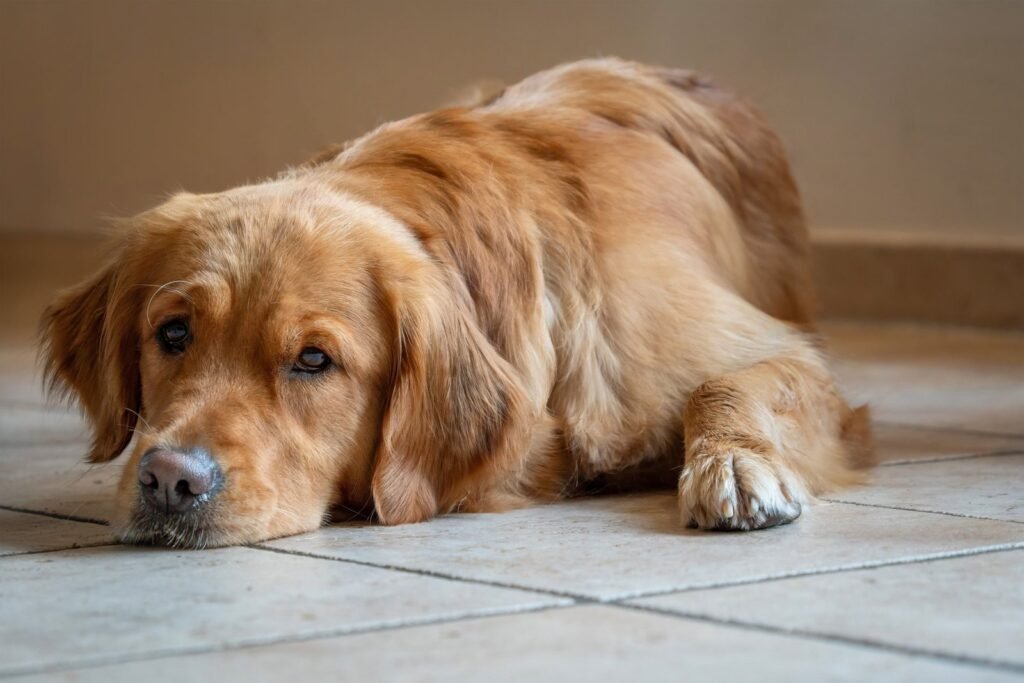
If you are comparing best dog cooling mats, start with the dog, not the product. A dog that is panting hard, weak, drooling thickly, lethargic, or overheated is an emergency veterinary question. Get help first. A cooling mat is not treatment for heatstroke and does not prevent overheating, and it will not make a hot walk on city pavement safer after the fact.
This is general information for US and UK apartment dog parents, not a veterinary diagnosis and not a product ranking. There are no honest test scores or model lists here. The useful work is deciding when a cooling surface inside the home actually helps, and when a tile floor, a fan, fresh water, and shorter midday walks are the more honest setup.
When a cooling mat actually helps — and when simpler options are more honest
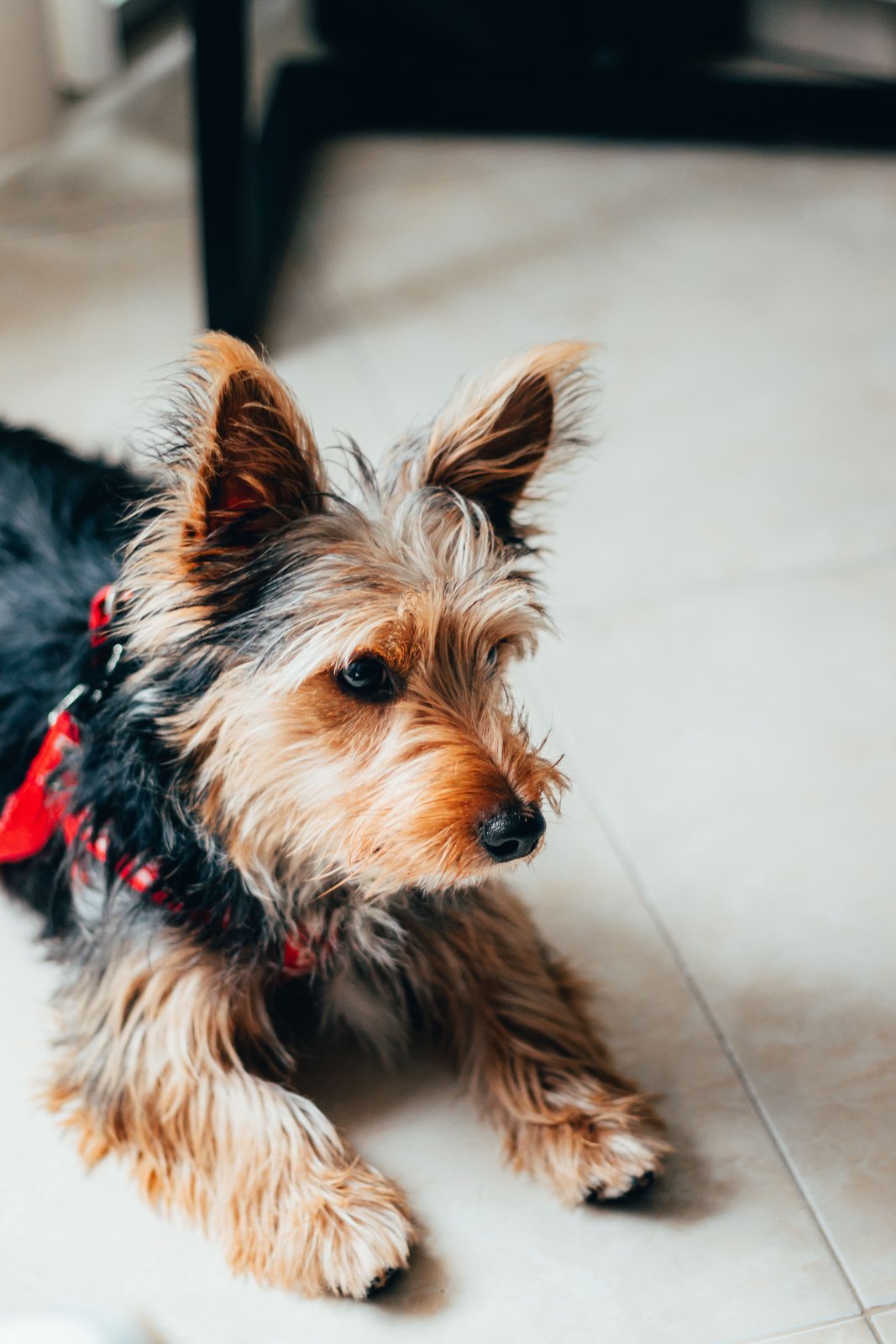
A cooling mat earns its floor space when the apartment holds heat, the dog already seeks a cool surface, and you want a clean, wipeable spot for a short rest after coming in. Some dogs naturally choose the bathroom tile, the kitchen floor, or the patch of flooring under a fan. If your dog already does that, a dedicated mat can make that habit easier to live with on a small floor, especially if you do not want the dog stretched across the only walkway.
It is less useful when the real problem is the street. Walking a dog in hot weather is the plan for pavement, timing, and shade outdoors. A mat by the door will not cool burnt paws or undo a walk taken in the worst heat of the day. Check paws after city walks — dog paw care for city walks covers that after-walk look — and shorten or shift midday outings before you shop for a surface. How often you should walk your dog can help you spread walks into cooler hours without simply adding more hot-weather mileage.
Fresh water and moving air still come first indoors. A bowl the dog will actually drink from, a fan that is stable and out of chewing range, and drawn blinds in the worst afternoon sun often do more than a mat that the dog ignores. If the unit stays hot late into the evening, give the dog access to the coolest floor you already have: tile, vinyl, or a slightly darker room. A mat is an extra surface, not a requirement.
Watch how the dog uses the space. A dog that settles on tile for a short rest after a walk is a better candidate than a dog that only flops on the sofa and never chooses the floor. You can test the cheaper setup first: a towel on existing tile, a fan, water, and a quieter room. If the dog clearly seeks that cool floor and you need a cleaner, more defined spot, then a purpose-made mat starts to make sense.
Heat in a small unit often comes from more than the weather. A west-facing window, a galley kitchen, or a floor that sits over a hot neighbor can keep a room warm after sunset. In those rooms, a mat may help a dog that already leaves the sofa for the floor. In a room that stays reasonably cool, you may not need another object to store and clean.
Gel, water-filled, or a simple fabric-and-tile approach

The three common approaches are a gel mat, a water-filled mat, and a simple fabric layer on a surface that is already cool. None of these is “the winner” in a ranking. They fail in different ways in a small home.
Gel mats feel cool when a dog lies on them and need no electricity. They also puncture. Do not freeze a gel mat into a rigid block a dog can injure themselves on. A frozen, rock-hard slab can bruise a joint or invite chewing, and it is a poor plan in a tight living room. Store a gel mat flat, follow the care notes on the pack, and take it away at the first sign of a leak. Do not leave a punctured gel mat where it can be chewed or licked. Puppies and determined chewers are a poor fit for gel mats. If your dog shreds beds, toys, or anything soft on the floor, choose a different setup or keep the mat only under direct supervision.
Water-filled mats can be emptied and wiped, which some households prefer in a small bathroom. They can also slosh, feel bulky, and leak if a seam fails or a dog bites a corner. Fill them as directed, check for moisture underneath, and keep them off a surface that would be expensive to replace if a slow leak sits overnight. A mat that takes the whole bath to drain is a poor fit for a rental bathroom you share with laundry.
A simple fabric-and-tile approach is often the most honest starting point: a washable towel, a thin cover, or a cot-style raised mesh bed placed on existing tile. It is not a high-tech cooling layer, and you should not pretend it is. It can still give the dog a defined, washable spot on a cool floor without introducing gel. If the dog already loves the bathroom tile, a towel may be all you need.
Whichever style you consider, look at the cover. A removable, wipeable cover matters more in an apartment than a long list of features. Fur, sweaty paw prints, and a little mud from a city walk will land on it. If you cannot wipe it in a sink or a shower stall, it will become another bulky thing to launder.
Size, slip, and a small floor
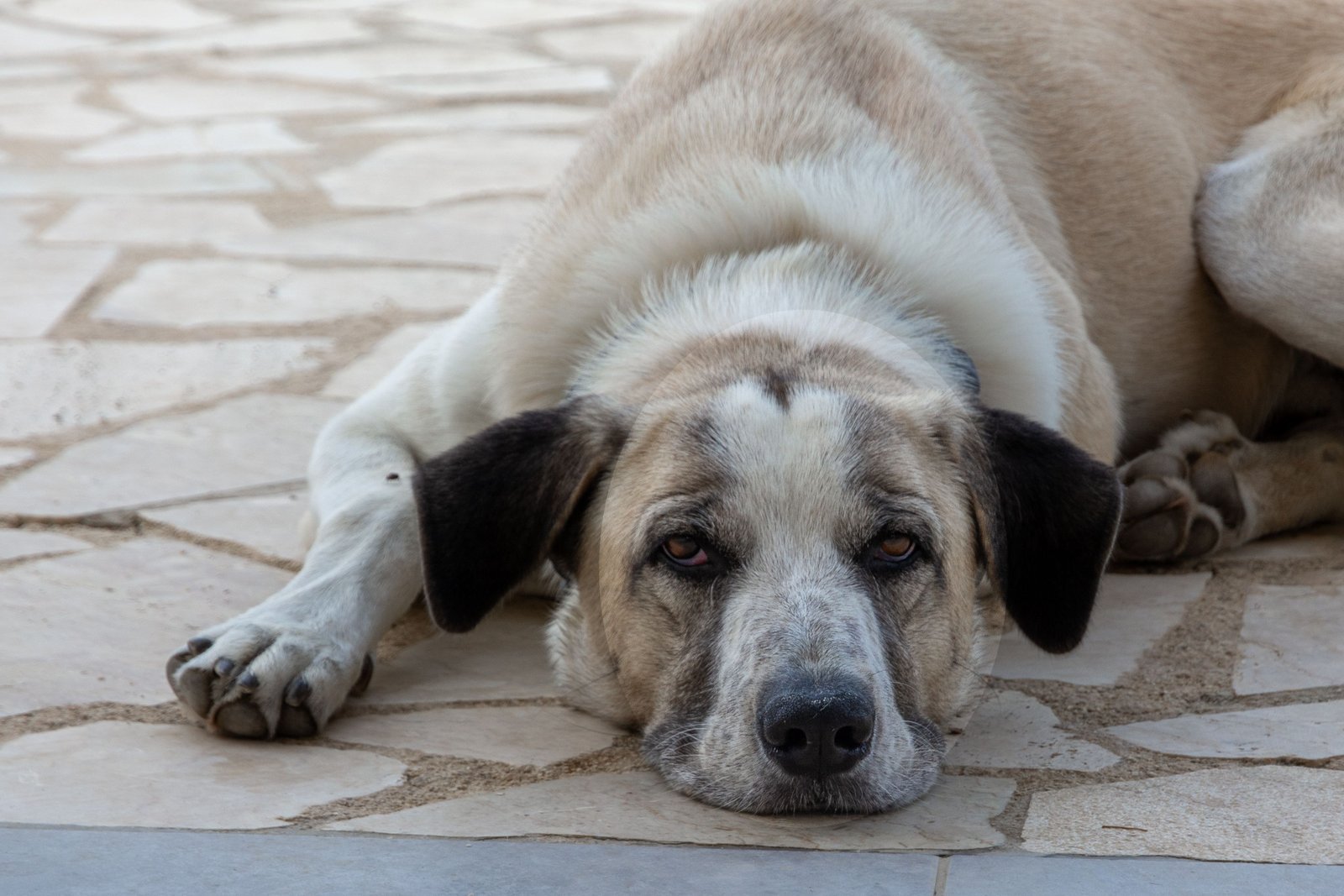
A mat that is too small forces the dog to spill off onto a warmer rug. A mat that is too large eats the only path through a studio. Measure the dog lying on their side, then look at the floor you actually have: beside the sofa, in the bathroom, or just inside the door after a walk. Leave a clear walking lane. On hard floors, slip is a real issue, especially for older dogs or dogs coming in from a wet sidewalk. A non-slip back, or a mat placed where it cannot shoot forward, is part of the safety check.
If an older or smaller dog needs help getting onto a slightly raised cot or off a sofa onto the cool floor, pet stairs and ramps for apartments are the dedicated setup for that access problem. A cooling surface should not become a jump the dog cannot make comfortably.
A crate is a different space. If you want a cooler surface in a crate the dog already uses, keep airflow in mind and never trap a dog in a hot, closed crate with a mat as a stand-in for shade and air. Best dog crates for apartments is the place to think through size and placement; this article is the surface, not the crate plan. A wet or punctured mat inside a crate is a mess and a chew risk.
After a rainy or muddy walk, wipe paws before the dog claims the mat. Drying a dog after a rainy or muddy walk is the entry routine; a cooling cover is easier to keep clean if it does not start the evening caked in grit.
A short rest on a cool surface after a walk is one of the better uses of a mat, but the surface still has to stay put. A dog dropping onto a sliding mat in a narrow hallway can slip. Place it where a wall or a piece of furniture stops it from shooting forward, and check the backing after a few weeks of use. Dust and fur under a mat can make even a grippy back slide.
If you only have a small bathroom patch of tile, measure that patch before you buy anything large. A mat that hangs into a rug or bunches against the tub will crease, wear, and collect moisture. It is better to cover the cool floor the dog already uses than to create a bulky island in the middle of the room.
What a cooling mat is not
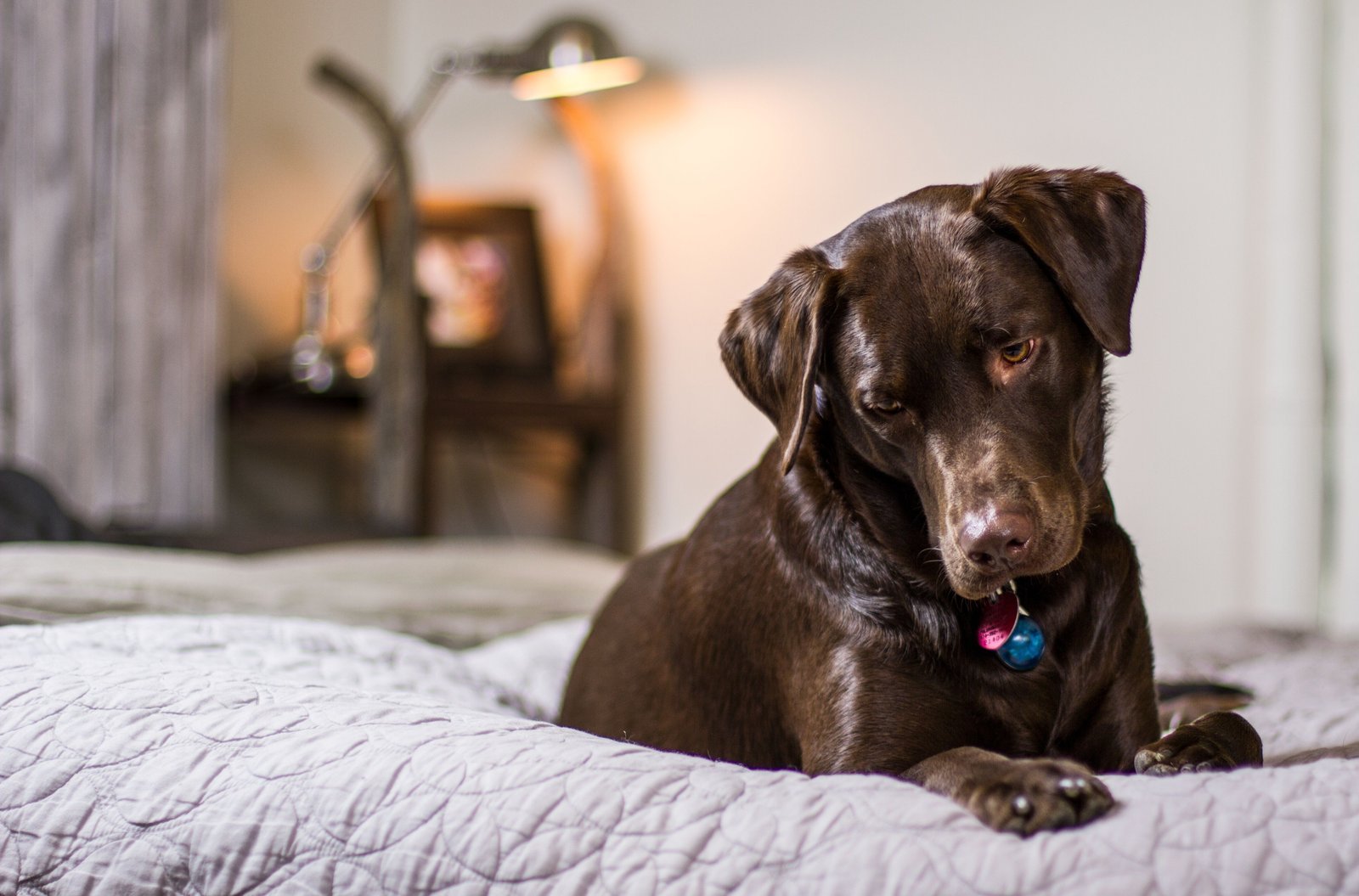
A cooling mat is not a substitute for a regular bed. Best dog beds for apartments is the guide for sleep, cushioning, and joint comfort. Many dogs still need a padded bed for night-time rest, even if they choose tile for a warm afternoon. Do not swap a supportive bed for a thin cooling surface and hope it covers both jobs.
It is also not a self-warming bed used in reverse. Best self-warming pet beds addresses the opposite problem: a dog that needs to hold heat. Using a warming bed in a hot apartment, or expecting a cooling mat to replace winter bedding, mixes two different needs. Match the surface to the season and to the room you have.
A mat does not treat heatstroke and does not prevent overheating. If the dog is already in trouble — heavy panting, weakness, thick drool, lethargy, collapse, or a body that feels too hot — this is an emergency veterinary question, not a moment to unroll a product. Move the dog out of the heat as you have been advised by a veterinarian or emergency service, and get help. Do not put an overheated dog onto a frozen, rigid gel block.
Chew risk belongs in the same “what it is not” column. A cooling mat is not a toy. If you cannot watch a puppy or a chewer, do not leave a gel or water mat down as unsupervised floor furniture. A simple towel on tile is the safer fallback in that case.
Wipe-down should be a job you can finish in a small bathroom. A damp cloth, a quick rinse of a removable cover, and a hang-dry over the shower rail are more realistic than a product that needs a machine wash after every use. If the cover is still wet at bedtime, leave the dog on plain tile rather than putting a damp layer back down.
Used well, a cooling mat is a defined, wipeable surface for a dog that already seeks a cool floor in a warm apartment. Tile, a fan, water, and cooler walk times still do the everyday work. Choose a size that fits the room, keep it from sliding, keep gel away from teeth and from the freezer-as-a-shortcut idea, and leave a regular bed in place for actual sleep.
FAQ
Will a cooling mat prevent my dog from overheating?
No. A cooling mat is not treatment for heatstroke and does not prevent overheating. It is only a cool surface for a dog that is already comfortable enough to lie down. A dog that is panting hard, weak, drooling thickly, lethargic, or overheated needs emergency veterinary care, not a new mat.
Should I put a gel mat in the freezer before I use it?
No. Do not freeze a gel mat into a rigid block a dog can injure themselves on. A rock-hard mat can be painful to lie on and is easier to chew or knock into. If the pack describes a short fridge chill for a flexible mat, follow those directions and still check that the surface is not stiff or brittle before the dog uses it.
Is a cooling mat a replacement for my dog’s regular bed?
No. Beds are for rest quality, cushioning, and often joint comfort. A cooling mat is a surface for a short rest on a warm day. Many dogs still need a regular bed at night. If your dog is older or sore, keep the supportive bed and offer a cool floor or mat as a second option, not a swap.
Are gel mats a good idea for puppies or dogs that chew?
Usually no. Puppies and determined chewers are a poor fit for gel mats. A puncture can spill gel that should not be licked or eaten. If your dog destroys bedding or toys, skip gel, keep any water-filled mat under supervision, or use a simple towel on existing tile that you can pick up when you leave the room.
When is a tile floor, a fan, and shorter walks the better plan?
When the dog already settles on tile, when the apartment has a cool floor you can keep clear, or when the main problem is hot pavement and midday outing times. Try water, air, shade, and cooler walk hours first. Add a mat if you need a cleaner, more defined cool spot and the dog will actually use it.