AdvertisementReserved · below header

Category Dog Guides

How to Introduce a New Dog to Your Apartment

A tan and white Shiba Inu with a dark collar lies on a mustard-orange fringed blanket on a light wood floor in a modern open-plan living room, with an orange cushion on a sofa, a dining table and chairs, a wicker basket, and kitchen cabinets in the background

If you need to introduce a new dog to your apartment, the work is less about a busy welcome weekend and more about a calm first-week plan you can repeat in a small home. This guide helps US and UK dog parents in flats set up one quiet landing room first, keep meals and short walks predictable, and open the rest of the apartment a room at a time. Wait a few days before inviting guests, and give the dog a consistent sleep and water spot that does not sit in hallway traffic. The advice is general and practical, not a veterinary diagnosis or a training guarantee. If the dog will not eat, hides for days, or shows aggression, contact a veterinarian or a qualified trainer. This is a new-dog arrival in an existing apartment, not a move with a dog you already live with.


How to Walk a Dog at Night in the City

Two people seen from behind walk three small dogs on leashes down a wide city sidewalk at night: one person in a dark puffer jacket, blue gloves, and tan boots walks a fluffy cream dog and a tan dog, while a second person in a dark hooded coat walks a small brown dog, with shop windows, streetlights, bare trees, and car lights ahead

If you need to walk a dog at night in the city, the work is less about copying your daytime loop and more about a short, well-lit plan you can repeat from a small home. This guide helps US and UK dog parents in flats choose a familiar sidewalk route with decent lighting, keep the outing shorter than a daytime walk when visibility is poor, and use a shorter leash around driveways and corners. A light or a reflective detail on the leash or your jacket is only an option, and a quick paw-and-belly check in a small entry should happen before the dog reaches the sofa. The advice is general and practical, not a veterinary diagnosis, and it does not use hard temperature cutoffs or crime figures. If the dog is limping, shivering hard, disoriented, or will not put weight down, go inside and contact a veterinarian if it does not settle.

How to Walk a Dog in the Rain in the City

A person in a purple and black puffer jacket, black trousers, black-and-white sneakers, and a black beanie stands with their back to the camera on a wet tiled city sidewalk beside a large black dog, with shopfronts, an orange awning, a zebra crossing, and an overcast sky; a leash is not clearly visible

If you need to walk a dog in the rain city sidewalks and short loops, the work is less about waiting for a dry day and more about a wet-weather plan you can repeat from a small home. This guide helps US and UK dog parents in flats decide whether to go out, choose a shorter route that avoids the deepest puddles, and set up a towel station in a small entry so paws and belly can be dried before they reach the sofa. You will also see when a raincoat is a useful option, how it differs from a winter coat, and how to keep an indoor sniff or play backup when the rain is too heavy. The advice is general and practical, not a veterinary diagnosis, and it does not use hard rainfall cutoffs. If the dog is limping, licking paws raw, shivering hard, or will not put weight down, go inside and contact a veterinarian if it does not settle.

How to Help a Dog Adjust to a New Apartment

A man in a black T-shirt and a woman in a gray T-shirt stand barefoot holding cardboard moving boxes, while a white fluffy dog with a red collar sits between them and looks up, with a houseplant in a basket, a blue surfboard on the wall, and a tall window in the background

If you need to help a dog adjust to a new apartment, the work is less about a single settling day and more about a calm first-week plan you can actually repeat in a small home. This guide helps US and UK dog parents in flats and small homes set up a familiar bed, water, and a toilet routine first, keep walk times steady if you stayed in the same city, and give sniff-time in each room before the space fills with guests. You will also see why the first nights can feel restless, and why bringing the same bowls and bed matters: something in the new place already smells like home. The advice is general and practical, not a veterinary diagnosis, not a treatment for anxiety, and not a promise that a dog will love the new place on day one. If house training suddenly slips, or the dog will not settle, eat, or stop destructive behavior, contact a veterinarian or a qualified trainer.

How to Teach a Dog to Come When Called in a City Park

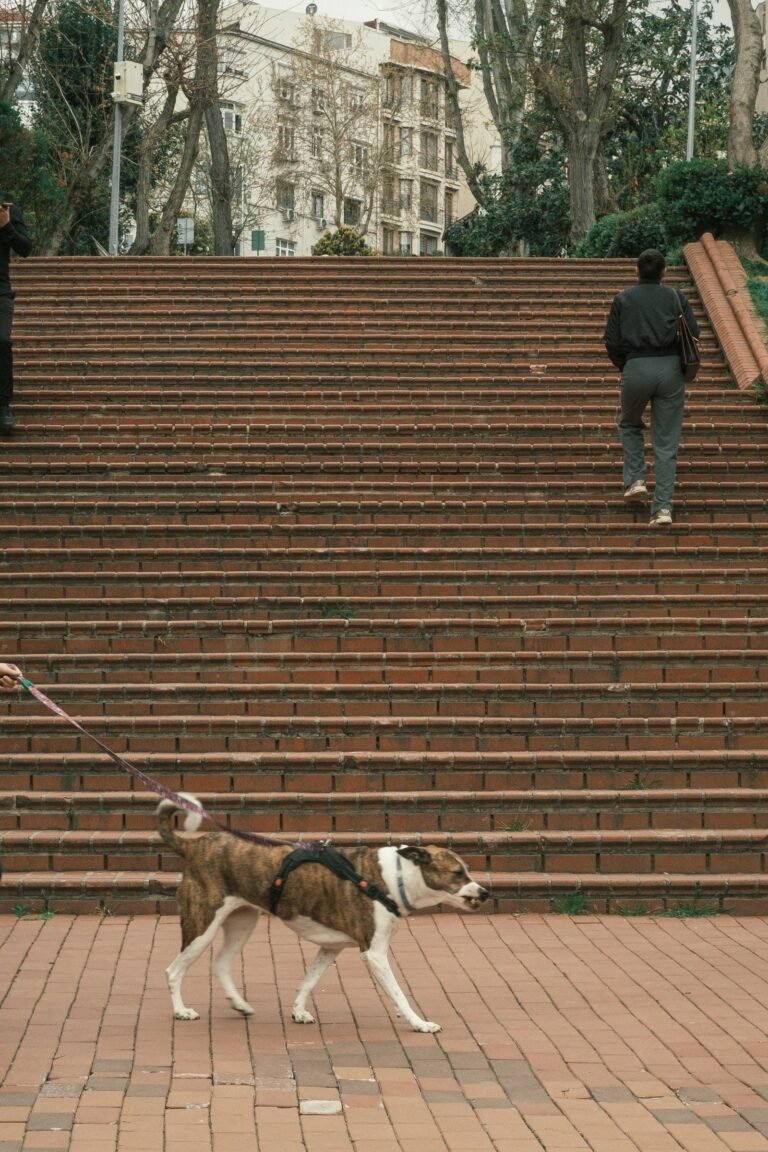
A brindle and white dog on a black harness and a patterned leash walks across brick pavers in front of a wide brick staircase in a city park, with apartment buildings, trees, and people on the steps in the background

If you want to teach a dog to come when called in a busy US or UK city park, the work is less about a louder cue and more about a calm plan that holds up around other dogs and people on the grass. This guide helps dog parents in flats and small homes start "come" indoors, move to a quiet yard or empty corner, then practice on a long line in a legal open area. High-value rewards and a single clear cue, used without chasing or nagging, help protect the word you are teaching. The advice is general, not a veterinary diagnosis, and not a promise that the dog will come every time or stay reliable off-leash forever. Use a long line until the recall is dependable, and stay off-leash only where it is allowed and away from roads. If your dog bolts in panic, or fear or aggression is part of the problem, contact a qualified trainer or a veterinarian.

How to Stop a Dog from Chewing Furniture and Shoes in a Small Apartment

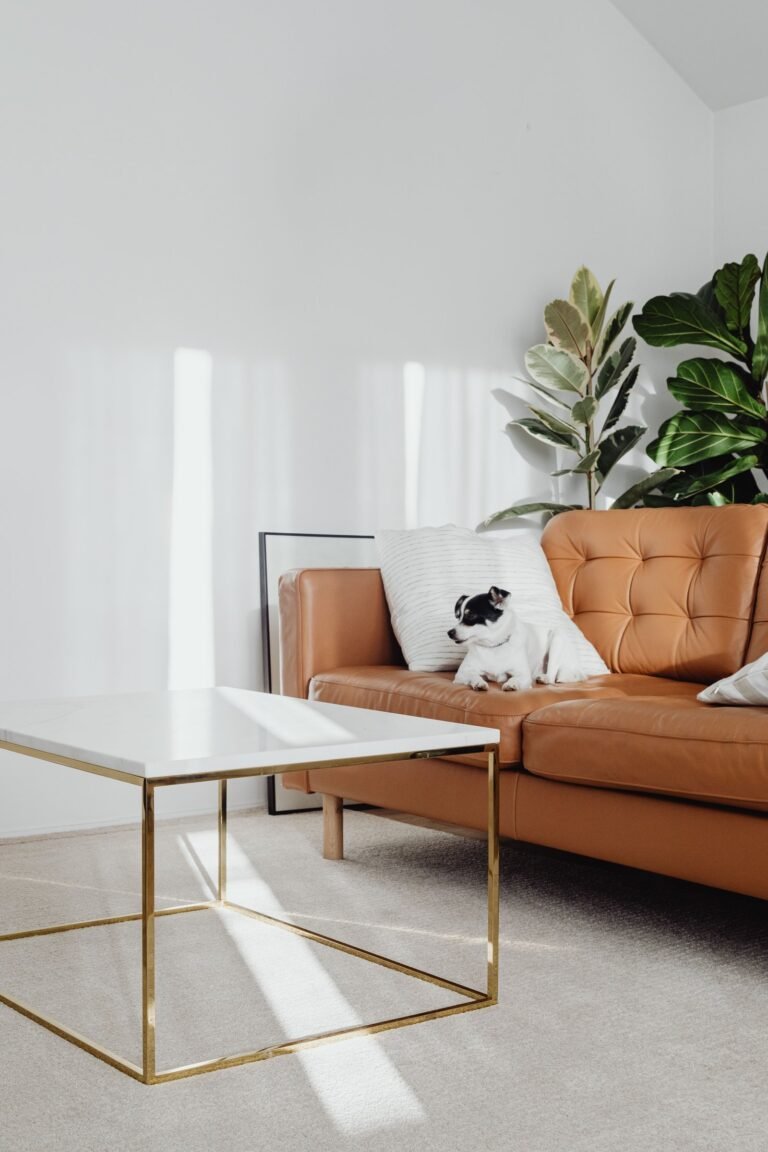
A small white dog with black markings lies on a tan leather sofa in a sunlit living room with a white coffee table, houseplants, and a pale carpet

If you want to stop dog chewing furniture apartment habits, the work is less about a single scolding and more about a calm plan that fits a tight studio or one-bedroom. This guide helps US and UK dog parents in flats and small homes manage access to sofa arms, table legs, and shoes, give legal chew outlets, and run short supervised sessions instead of leaving temptation out all day. You will also see how boredom, leftover teething, and being left alone can look similar, and why rotating toys is not the same as tiring a high-energy dog or teaching a settle. The advice is general and practical, not a veterinary diagnosis and not a promise that chewing will end forever. If chewing starts suddenly, becomes obsessive, includes swallowing non-food items, or seems tied to pain, contact a veterinarian. Punishment-heavy methods are not part of this plan.

How to Teach a Dog to Wait at the Door (Hallways and Elevators)

A West Highland White Terrier wearing a red collar and leash sits behind a glass entrance door, with a tiled floor, doormat, and glass doors visible behind

How to teach a dog to wait at the door is less about a stern command at the threshold and more about a calm leaving-and-arriving routine that fits a tight hallway and a shared elevator. Without a porch, the door, corridor, and lift sit close together, and a dog who rushes the gap can startle neighbors or slip out. This guide helps US and UK dog parents in flats and small homes use a leash at the door, practice a wait and a clear release, and run short sessions before an outing. You will also see how this threshold skill differs from greeting manners, hallway barking, a settle cue, and crate training. The advice is general and practical, not a promise that door-rushing will end forever and not a treatment for fear or anxiety. If the behavior is new, paired with snapping, or tied to panic when you leave, contact a veterinarian or a qualified trainer.

How to Stop a Dog from Jumping on Guests in an Apartment

A small white and tan dog sits calmly beside a glass interior door in a warmly lit home

How to stop a dog from jumping on guests in an apartment is less about a scolding at the threshold and more about a greeting plan that fits a tight hallway. Without a porch or a spare room, the doorbell, the door swing, and your visitor all happen in a few crowded feet. This guide helps US and UK dog parents in flats and small homes use a leash at the door, teach four paws on the floor, give guests a clear job, and practice in short sessions before a real visit. You will also see how this plan differs from a barking plan, a settle or place cue, crate training, and leaving a dog home alone. The advice is general and practical, not a promise that jumping will end forever and not a veterinary diagnosis. If jumping is new, paired with snapping, or hard to interrupt, contact a veterinarian or a qualified trainer.

How to Teach a Dog to Settle in a Small Apartment

A Doberman Pinscher lounges on a pet bed in a stylish living room

How to teach a dog to settle in a small apartment is less about one long “stay” and more about a place or mat your dog can use in the room you actually share. Without a spare room or a yard, tight floor plans, guests, and evening downtime all happen a few feet from the same sofa. This guide helps US and UK dog parents in flats and small homes teach a calm “place” skill in short sessions, reward stillness rather than the first sit, and know when to pause. You will learn how a settle differs from tiring a high-energy dog out, from crate training, from being left home alone, and from a barking plan. The advice is general and practical, not a cure for anxiety and not a veterinary diagnosis. If restlessness is new, or behavior changes suddenly, contact a veterinarian or a qualified trainer.

How to Tire Out a High-Energy Dog in a Small Apartment

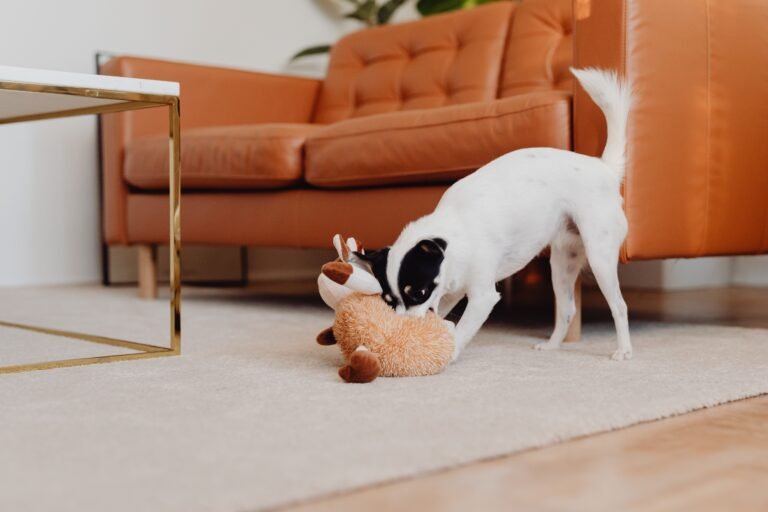
Small dog playing with a plush toy in a modern living room with a leather sofa

How to tire out a high-energy dog in a small apartment is less about one heroic walk and more about stacking indoor outlets with a walk structure you can actually repeat. Without a yard, energy still has to go somewhere: sniff work, short training bursts, puzzle toys, hallway and stair rules, and outdoor time that is not only a forced march. This guide helps US and UK dog parents in flats and small homes build a calmer day for a busy dog. You will learn what “tired out” can honestly mean, how to use mental work indoors, how to keep shared corridors civil, and how to shape walks without making them the only plan. The advice is general and practical, not a seven-day calm promise or a veterinary diagnosis. If restless pacing is new, or behavior changes suddenly, contact a veterinarian or a qualified trainer.