

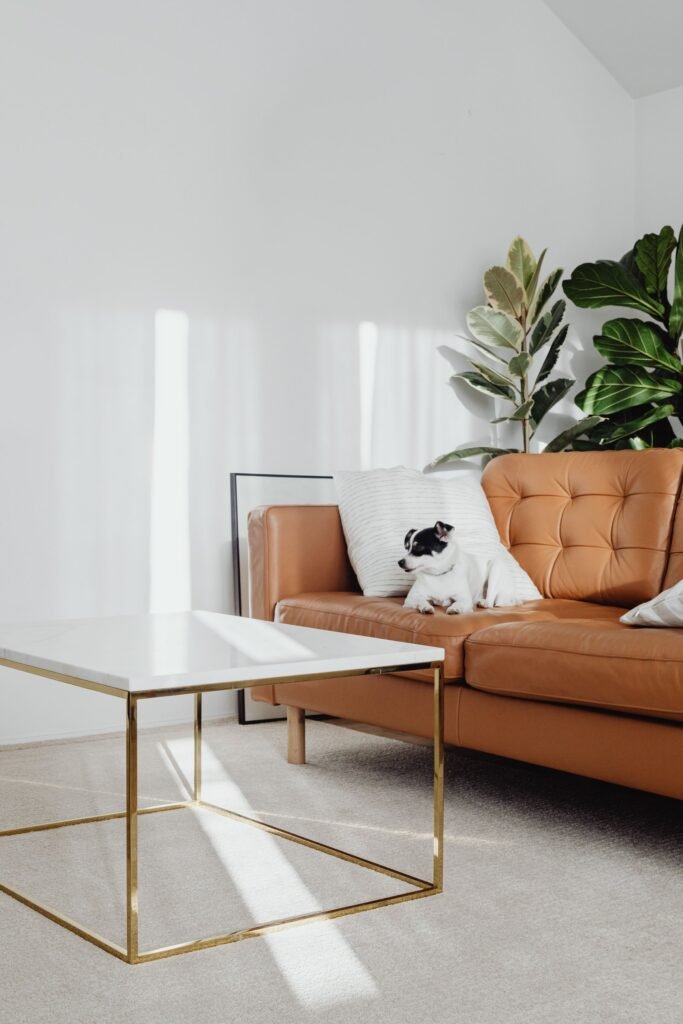
If you want to stop dog chewing furniture apartment problems, the hard part is not the idea of “chew this, not that.” It is the sofa that shares a room with the shoe rack, the coffee table leg that sits at mouth height, and the fact that a studio gives a bored dog very few legal places to put their teeth.
A useful mindset is this: you are making the wrong items hard to practice on, and the right items easy and worth chewing. Picking up shoes, limiting unsupervised access, offering legal chews, and running short sessions you can actually watch will do more than a last-second “no” after the armchair is already wet.
This is general information for dog parents in the US and UK, not a veterinary diagnosis and not a promise that chewing will disappear in a set number of days or never return. Dogs vary by age and how long they are left alone. If chewing is sudden, obsessive, or paired with swallowing non-food items, or if your dog seems to be in pain, contact a veterinarian before you tighten a home plan.
Chewing in a tight apartment is a setup problem, not a character test
Most dogs chew because it works, it feels good, or nothing better is on offer. In a small apartment, furniture and shoes are simply close: there is no spare room to hide the trainers, and a sofa arm is always available. The dog is not plotting to ruin your deposit. They are practicing a habit that has paid off, or filling a gap in the day.
This plan stays in one lane: access, legal outlets, and short supervised practice. It is not a buying guide for tough toys; that is best toys for aggressive chewers. For food puzzles or quieter options in a building with thin walls, see best puzzle toys for dogs and best quiet dog toys for apartments. Energy work, leave-home-alone practice, and a mat settle are separate jobs; those live in how to tire out a high-energy dog in a small apartment, how to leave a dog home alone in an apartment, and how to teach a dog to settle in a small apartment.
Think of three jobs, not one:
- Access. Shoes, remotes, and unattended sofa corners are harder to reach when you cannot watch.
- Legal outlets. The dog has things they are allowed to chew, rotated often enough to stay interesting.
- Short supervised sessions. You practice the right choice in real time, then give the dog a rest.
The goal is a repeatable home routine, not a miracle and not a guarantee that chewing stops forever.
Manage access: pick up shoes, shrink the yes-space

In a tight hallway or studio, management comes first. If shoes live by the door, they will be chewed. Put them in a closet, a lidded bench, or a high shelf the moment you walk in. Do the same with socks, remotes, charging cables, and anything with your scent that can be mouthed while you make tea.
Furniture is harder to put away, so you shrink the space instead. When you cannot watch, the dog should not have the whole flat as a buffet. A baby gate, a closed door, or a pen can keep them off a favorite sofa corner. If you need a gate for a narrow opening, see best dog gates for apartments. A crate can be a short rest tool if your dog already sees it as a safe place, but it is not a workday punishment or a chewing cure.
Cover or block the spots that already get teeth: a washable throw on a sofa arm, a chair pushed in, a table moved off a tempting walkway. This is not about trapping the dog. It is about removing rehearsal. Walk the flat at dog height once. If an item is handy and chewable, move it or block it.
Give legal chew outlets, and rotate them

A dog who is told “not the chair” still needs something that is the chair’s job. Leave one or two legal chews in the space where the dog actually rests, not in a basket you forget in a cupboard. Offer them when chewing is likely: after a walk or play, when you sit down to work, or when you need both hands in the kitchen.
“Legal” means something you have chosen for that dog, that you can check as it wears down, and that is used as the label intends. A stuffed rubber toy, a sturdy chew suited to your dog’s size, or a long-lasting food toy can all be outlets. If ordinary toys do not last, use best toys for aggressive chewers rather than guessing at a thicker version of a weak toy. For food work instead of drifting toward the sofa, see best puzzle toys for dogs. In a building with thin floors, best quiet dog toys for apartments may be kinder to neighbors.
Rotate. A toy that has sat on the rug for a week often becomes furniture. Keep a small set, bring out two, and swap the next day. You need novelty and a clear yes, not a huge stash.
Trade, don’t wrestle. If the dog already has a shoe, stay calm, offer a legal chew or a small treat in exchange, and put the shoe away. Chasing them around a studio turns the shoe into a prize. If trades are new, practice when the dog already has a toy.
Use short supervised sessions, then a rest

The behavior you want is simple: the dog chews the thing you handed them, in a space you can see, and then rests. You do not need a long formal lesson. You need a few minutes of clear practice at the times chewing usually starts.
Sit down with a legal chew. If the dog takes it, quietly praise or give a small food reward and let them continue. If they wander toward a sofa arm or a shoe you missed, interrupt gently, guide them back, and reward chewing the legal item. Keep the session short enough that you can actually watch — five to fifteen minutes is plenty — then pick up any chew that is not safe to leave out, and help the dog settle.
A chewing plan is not an exercise plan. If the dog is still buzzing, they may need a walk, a sniff, or a short training game first, then the chew. That energy work is covered in how to tire out a high-energy dog in a small apartment. After the session, a mat or bed rest helps so they do not drift back to the furniture; how to teach a dog to settle in a small apartment is the place for that skill. Stop while the dog is still chewing legally, rather than stacking a long play burst and an unsupervised hour.
When chewing is boredom, leftover teething, or being left alone
The same bite marks can have different causes, and the plan should match the one you actually have.
Boredom chewing often happens when the dog has had little to do, then finds a sofa corner or a shoe. The day needs more legal work: a walk, a sniff, a puzzle or short training session, and a chew you rotate. Adding another soft toy to a pile on the floor rarely fixes this.
Leftover teething is common in puppies and some young dogs whose adult teeth are still settling. They may chew more, and they may prefer slightly giving textures. That is a reason for more frequent legal outlets and tighter access, not a reason to leave them alone with a leather armchair. Do not invent teething as the cause for an adult dog whose chewing started after a move or schedule change.
Chewing when you leave is a different job. Some dogs pick up a shoe because it smells like you. Some only damage things in the first minutes after the door closes. Management still matters: shoes away, a smaller safe space, a legal chew given before you go. The wider leave-alone plan — practice departures, reasonable time alone, and what to do if the dog panics — belongs in how to leave a dog home alone in an apartment. If departure chewing comes with howling, toilet accidents, or damage at doors and windows, treat it as a welfare issue, not a stubborn habit, and get qualified help.
Watch the pattern for a week: when it happens, what was available, and whether you were home. That will tell you which of the three jobs to tighten first.
What not to do, and when to call a veterinarian
Do not punish chewing you find later. The dog cannot connect a scolding with a chair arm they chewed while you were in the shower. Do not rub their nose in the damage, yank toys from their mouth as a fight, or use the crate as a consequence. Those moves can make a dog guard items or fear your hands. A calm trade and a better setup teach more than a raised voice.
Household bitter sprays are not a training plan. If you consider one, use only a product labeled for pets, follow the instructions, and still pick up shoes and offer a legal chew. A bad taste does not teach the dog what to do instead.
Contact a veterinarian if chewing is new and intense, if your dog is eating non-food items (sometimes called pica), if they break teeth, or if they seem painful, restless, or suddenly unlike themselves. Pain and some medical issues can look like “bad habits.” No apartment routine should delay a check when something feels off.
A calm starting plan you can repeat
Use this as a first draft, then adjust to your layout and your dog:
- Pick up shoes, socks, and remotes every time you come in.
- When you cannot watch, use a gate, a closed door, or a pen so the dog cannot practice on the sofa.
- Keep two legal chews in rotation and bring one out at the times chewing usually starts.
- Run short supervised sessions: hand over a legal item, reward chewing it, interrupt the furniture gently, and end while things are still going well.
- After a session, help the dog rest rather than leaving them loose and bored.
- If damage happens only when you leave, tighten the leave-alone setup; do not just add a larger toy pile.
- If chewing is sudden, obsessive, painful-looking, or includes swallowing non-food items, call your veterinarian.
Stopping furniture and shoe chewing in a small apartment rewards consistency more than intensity. The aim is a livable home, a dog who has something legal to do with their mouth, and a plan that does not rely on punishment or a promise that the habit never returns. If the chewing looks medical, compulsive, or tied to distress when you leave, ask a veterinarian or a qualified trainer for help.
FAQ
How long does it take to stop a dog chewing furniture in an apartment?
There is no honest single date. Some dogs improve within a couple of weeks once shoes are picked up, access is limited, and legal chews are used every day. Others, especially young dogs, dogs left alone for long stretches, or dogs who have practiced on the sofa for months, take longer and may still need management. Focus on fewer incidents each week and a setup you can repeat, not a promise that chewing will end forever.
Should I spray furniture and shoes with a bitter deterrent?
You can consider a pet-labeled product as a small management aid, but it should not be the plan. Follow the label, keep it off anything a child or another pet might lick without you noticing, and still put shoes away. A bad taste does not teach the dog what to chew instead. If the dog simply moves to an unsprayed table leg, the setup is still too open.
Is chewing always a sign my dog needs more exercise?
Not always. Extra walking can help a bored, under-worked dog, but a tired dog can still chew out of habit, leftover teething, or stress when left alone. Pair movement with legal outlets and tighter access. If energy is the main gap, use a separate plan for indoor exercise rather than assuming one longer walk will protect the sofa.
What if my dog only chews when I leave the apartment?
Treat that as a leave-alone problem as well as a chewing problem. Put shoes away, offer a legal chew before you go, and keep the dog in a safe, smaller space if needed. Practice short departures when you can. If the dog panics, howls, toilets, or damages doors and windows, contact a veterinarian or a qualified trainer. A tougher toy alone is not a treatment for distress.
When should I worry that chewing is medical rather than a habit?
Contact your veterinarian if chewing starts suddenly, becomes obsessive, includes swallowing non-food items, comes with signs of pain, drooling, broken teeth, vomiting, or a clear change in mood or appetite, or if an adult dog begins destroying things they previously ignored. Medical issues and pica can look like “training problems.” It is kinder to rule those out than to tighten a crate or gate plan around a dog who is unwell.