AdvertisementReserved · below header

Category Food & Treats

How to Choose Cat Treats (Without Overfeeding)
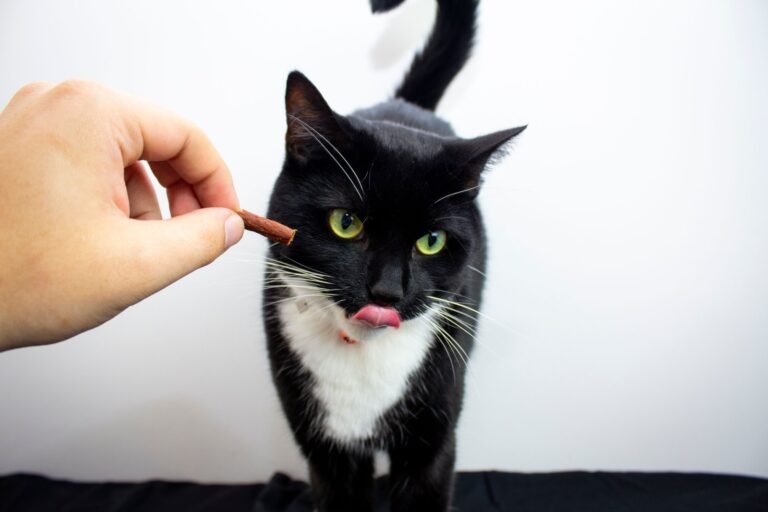
A person's hand holds out a small brown stick-style treat to a black-and-white cat with green eyes, which stands against a plain white background and licks its lips

If you want to know how to choose cat treats without turning extras into a second dinner, start with a simple rule: treats are extras, not a meal. This guide helps US and UK cat parents in flats and small homes pick and portion treats calmly. You will learn how to count treats against the day's food, how soft, crunchy, and lickable treats differ in real use, and what the ingredient list actually tells you compared with front-of-pack marketing. It also covers how to use a treat for a short training or pill moment without spoiling dinner. The advice is general and practical, not a veterinary diet plan, and it does not rank brands, list prices, or treat treats as a treatment for dental disease, urinary issues, hairballs, or weight loss. If your cat gains weight, stops eating meals, or has vomiting or diarrhea after treats, contact a veterinarian.

How to Get a Picky Dog to Eat

Overhead view of a dog's white front paws with brown markings standing on a parquet wood floor beside a full blue-and-white square bowl of mixed brown kibble, with scattered pieces of kibble on the floor; the dog's head is not in the frame, and the dog is not shown eating

If you are looking for how to get a picky dog to eat, the work is less about finding a new flavor and more about a calm, repeatable meal plan you can run in a small home. This guide helps US and UK dog parents in flats rule out a sudden change first, keep a consistent meal window, pick up uneaten food after a short, calm period, avoid an endless stack of toppers, and keep portions honest. It is for a dog that sniffs a normal meal and walks away, not a rewrite of how much to feed, wet versus dry food, or a food switch. The advice is general and practical, not a veterinary diet plan, and it does not promise that appetite will return on a set timetable. Sudden refusal, vomiting, diarrhea, weight loss, lethargy, or a dog that cannot swallow belongs with a veterinarian.

How to Feed Two Cats in a Small Apartment

A calico-and-white cat and an orange-and-white cat eat from separate gray ceramic bowls on small wooden stands, set close together on a wooden surface, with a third white bowl to the left; the photo is taken through slightly marked glass

If you need to feed two cats in a small apartment, the work is less about buying a new bowl and more about a feeding system you can repeat in a tight kitchen. This guide helps US and UK cat parents in flats set up separate bowls or stations, leave enough space that one cat cannot easily guard both, and choose a meal timing that lets a slower eater finish without being pushed off. You will also see how to clean up in a small kitchen after wet or dry food, and when a covered or microchip feeder is worth considering as an option rather than a must-buy. The advice is general and practical, not a veterinary diet plan, and it does not rank brands or prices. Weight loss, vomiting, or one cat aggressively guarding all the food belongs with a veterinarian or a qualified behavior professional.

How to Read a Cat Food Label (What Actually Matters)

A tabby and white cat sits on a wooden porch or utility floor beside a cream stand holding two metal bowls, with a green bag of dry food, a clear jar of kibble, leafy plants, a large gray gas cylinder, and the toe of a worn sneaker nearby; the bag label is not clearly readable

Learning how to read a cat food label is less about memorizing small print and more about knowing which parts of a bag, can, tray, or pouch actually help you choose and feed a food. This guide walks US and UK cat parents, including those in apartments and small kitchens, through what a package typically tells you: the front is mostly marketing, the ingredient list is usually arranged by weight, a guaranteed analysis is a starting snapshot rather than a full nutrition report, and the feeding directions are a starting point, not a personal prescription. You will also see why wet food's moisture changes how the same numbers feel in practice, and why a slogan or a single ingredient is not the whole story. This is general information, not a veterinary diagnosis, not a ranking of brands, and not a treatment plan for urinary issues, allergies, kidney disease, or weight problems. If your veterinarian has already recommended a specific diet, follow that advice.

How to Read a Dog Food Label (What Actually Matters)

A tan and black dog eats kibble from a low white bowl on a pale floor while a person's hand, wearing a cream sweater, rests on the dog's neck, with a green leash attached and loose kibble on the floor

Learning how to read a dog food label is less about memorizing small print and more about knowing which parts of a bag or can actually help you choose and feed a food. This guide walks US and UK dog parents, including those in apartments and small kitchens, through what a package typically tells you: the front is mostly marketing, the ingredient list is usually arranged by weight, a guaranteed analysis is a starting snapshot rather than a full nutrition report, and the feeding directions are a starting point, not a personal prescription. You will also see how to tell a complete food from a complementary food or treat, and why a slogan or a single ingredient is not proof of quality. This is general information, not a veterinary diagnosis, not a ranking of brands, and not a treatment plan for allergies, illness, or weight problems. If your veterinarian has already recommended a specific diet, follow that advice.

How to Store Cat Food in a Small Apartment

A tabby cat sits on a teal tiled floor beside two white ribbed bowls, while a white cat eats from one bowl and a darker cat stands behind them

If you need to store cat food small apartment kitchens actually allow, the work is less about a handsome bin and more about a calm plan that fits a slim cupboard, a shared fridge, and a litter box only a few steps away. This guide helps US and UK cat parents in flats and small homes keep dry bags or bins sealed, park unopened cans or pouches in a cool, dry place, and refrigerate opened wet food according to the label. You will also get practical habits for scoops, pests, and keeping meals away from the litter area, without turning this into a portion guide or a feeder-buying article. The advice is general and practical, not a veterinary diet plan. Follow the storage instructions on your food. If the food smells or looks wrong, or your cat suddenly refuses meals, vomits, or has diarrhea, contact a veterinarian.

Wet vs Dry Dog Food: How to Choose What Fits Your Dog

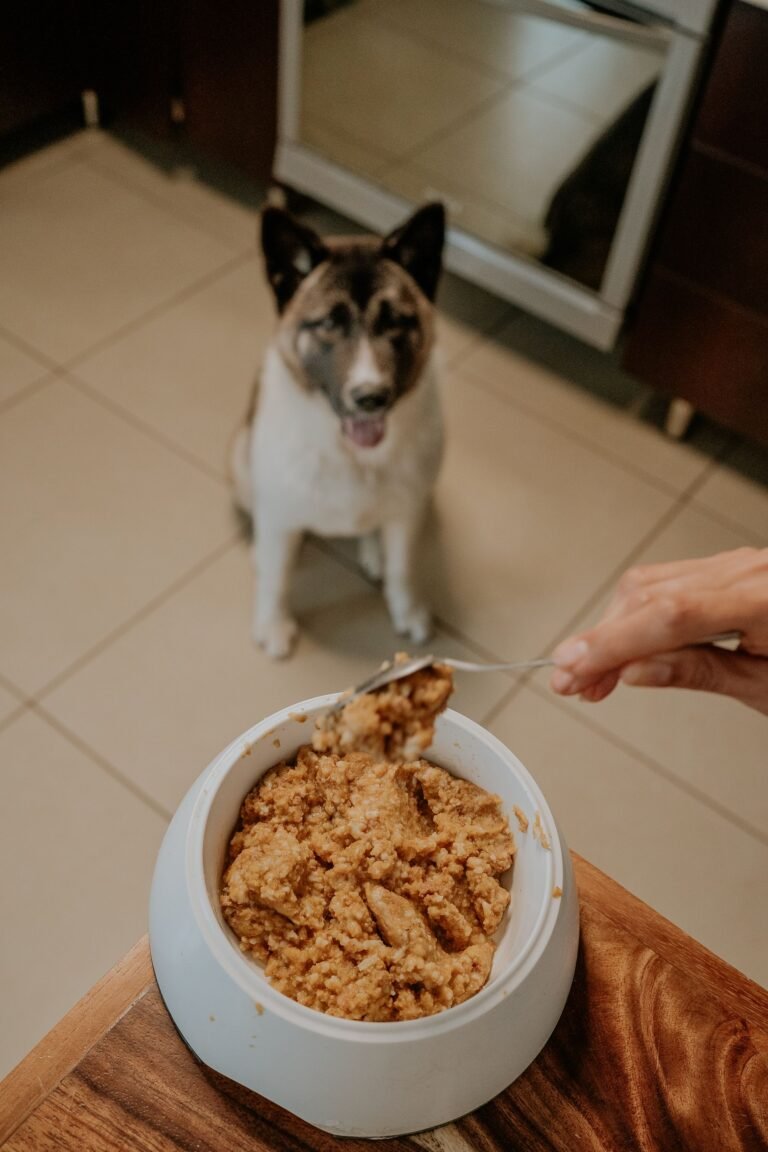
A white and brown dog sits on a tiled kitchen floor while a person scoops moist homemade food from a white bowl with a spoon

Wet vs dry dog food is less a contest with a single winner and more a practical choice about texture, moisture, storage, and the meal you can actually repeat. This guide helps US and UK dog parents, including those in flats and small kitchens, compare how wet and dry food typically feel in a bowl, how each one stores, and when a mix or a topper is useful rather than chaotic. It also looks calmly at dental-adjacent practicalities: kibble is often marketed as if it cleans teeth, but it is not a substitute for dental care, and wet food is not a treatment for kidney or weight disease. The aim is a complete-and-balanced format that fits this dog and this household, not brand rankings or invented feeding amounts. This is general information, not a veterinary diet. If your dog is on a prescribed diet, or appetite, weight, or chewing suddenly change, contact your veterinarian.

Which Human Foods Are Safe for Cats (And Which to Avoid)

A couple cooks in a cozy kitchen while the woman holds their cat

Which human foods are safe for cats is a narrower question than it first appears. Cats are obligate carnivores, and even a widely accepted “yes” leftover is only a small extra, never a complete meal. This guide helps US and UK cat parents in apartments and small homes sort a calm, widely accepted safe-versus-avoid picture: plain cooked lean meat in modest amounts on one side, and a firm keep-away list—onions, garlic, chocolate, xylitol, alcohol, raw dough, cooked bones, and similar kitchen leftovers—on the other. You will also see why sauces and hidden seasonings matter, how scraps fit into a day’s portion, and what to do if your cat eats something risky. This is general information, not a veterinary diet and not a treatment guide. If your cat swallows a concerning food, contact a veterinarian or a pet poison helpline rather than guessing at a dose or trying a home remedy.

Which Human Foods Are Safe for Dogs (And Which to Avoid)

A beagle sits on a patterned rug in a cozy home kitchen

Which human foods are safe for dogs is a calmer question than social media lists often make it. Some plain leftovers are widely regarded as lower-risk in small amounts, while other everyday foods—chocolate, xylitol, grapes and raisins, onions and garlic—belong on a firm avoid list. This guide helps US and UK dog parents in apartments and small homes sort a widely accepted safe-versus-avoid picture, keep even “safe” extras in moderation, and avoid turning the dinner table into an unofficial diet. You will learn which plain foods many households share carefully, where sauces and hidden ingredients cause trouble, how scraps fit into a daily portion, and what to do if your dog eats something risky. This is general information, not a veterinary diet and not a treatment guide. If your dog swallows a concerning food, contact a veterinarian or a pet poison helpline rather than guessing at a dose or trying a home remedy.

How to Get a Picky Cat to Eat

A young woman offering food to her short-haired cat at home in a living room

How to get a picky cat to eat is less about finding a miracle flavor and more about building a mealtime routine you can actually repeat in a small home. Many cats who seem fussy are reacting to a rushed schedule, food that is too cold or an unfamiliar texture, or a bowl left down all day. This guide helps US and UK cat parents in apartments and small homes tell ordinary fussiness from a change that belongs with a veterinarian, then work with temperature, texture, and slow changes rather than a constant rotation of new foods. You will learn what “picky” is not, how to run a calm feeding window, and when to call your veterinarian. The advice is general and practical, not a veterinary diet or a promise that appetite will return on a timetable. A sudden drop in appetite, weight loss, or vomiting belongs with a veterinarian, not a new topping.