AdvertisementReserved · below header

Category Food & Treats

Which Human Foods Are Safe for Cats (And Which to Avoid)

A couple cooks in a cozy kitchen while the woman holds their cat

Which human foods are safe for cats is a narrower question than it first appears. Cats are obligate carnivores, and even a widely accepted “yes” leftover is only a small extra, never a complete meal. This guide helps US and UK cat parents in apartments and small homes sort a calm, widely accepted safe-versus-avoid picture: plain cooked lean meat in modest amounts on one side, and a firm keep-away list—onions, garlic, chocolate, xylitol, alcohol, raw dough, cooked bones, and similar kitchen leftovers—on the other. You will also see why sauces and hidden seasonings matter, how scraps fit into a day’s portion, and what to do if your cat eats something risky. This is general information, not a veterinary diet and not a treatment guide. If your cat swallows a concerning food, contact a veterinarian or a pet poison helpline rather than guessing at a dose or trying a home remedy.

Which Human Foods Are Safe for Dogs (And Which to Avoid)

A beagle sits on a patterned rug in a cozy home kitchen

Which human foods are safe for dogs is a calmer question than social media lists often make it. Some plain leftovers are widely regarded as lower-risk in small amounts, while other everyday foods—chocolate, xylitol, grapes and raisins, onions and garlic—belong on a firm avoid list. This guide helps US and UK dog parents in apartments and small homes sort a widely accepted safe-versus-avoid picture, keep even “safe” extras in moderation, and avoid turning the dinner table into an unofficial diet. You will learn which plain foods many households share carefully, where sauces and hidden ingredients cause trouble, how scraps fit into a daily portion, and what to do if your dog eats something risky. This is general information, not a veterinary diet and not a treatment guide. If your dog swallows a concerning food, contact a veterinarian or a pet poison helpline rather than guessing at a dose or trying a home remedy.
How to Get a Picky Cat to Eat

A young woman offering food to her short-haired cat at home in a living room

How to get a picky cat to eat is less about finding a miracle flavor and more about building a mealtime routine you can actually repeat in a small home. Many cats who seem fussy are reacting to a rushed schedule, food that is too cold or an unfamiliar texture, or a bowl left down all day. This guide helps US and UK cat parents in apartments and small homes tell ordinary fussiness from a change that belongs with a veterinarian, then work with temperature, texture, and slow changes rather than a constant rotation of new foods. You will learn what “picky” is not, how to run a calm feeding window, and when to call your veterinarian. The advice is general and practical, not a veterinary diet or a promise that appetite will return on a timetable. A sudden drop in appetite, weight loss, or vomiting belongs with a veterinarian, not a new topping.

How to Switch Cat Food Without an Upset Stomach

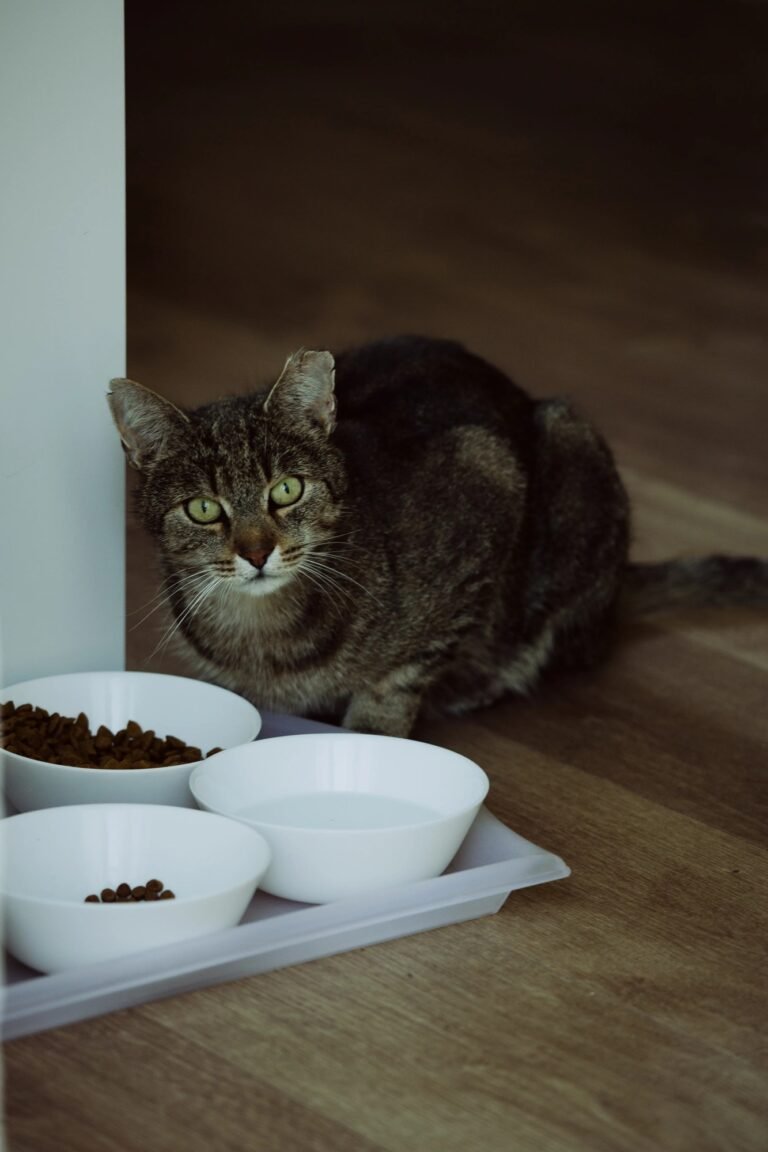
A domestic tabby cat sits beside a tray of bowls on the floor, looking alert and attentive

How to switch cat food is less about a “gentler” label and more about giving your cat’s stomach time to catch up. A sudden swap is a common reason a previously settled cat develops loose stools, picky eating, or a stand-off at the bowl—especially in a small apartment where the litter box is hard to ignore. This guide helps US and UK cat parents in flats and small homes change brands, flavors, or textures with a gradual mix and a plan for slowing down if stools change. You will learn a practical overlap schedule, how wet and dry handovers differ, what to do if your cat eats around the new food, and which signs mean you should pause and contact a veterinarian. The advice is general and practical, not a prescription, an allergy workup, or a promise of a calm stomach. If stools stay loose, blood appears, vomiting continues, or the cat stops eating, contact a veterinarian.

How Much Should I Feed My Cat? A Simple Portion Guide

Woman feeding a curious cat indoors, creating a playful moment in a cozy living room

How much you should feed your cat is less about a magic number and more about starting with the label, then watching your cat’s body and routine. This guide helps US and UK cat parents in apartments and small homes use the feeding table as a starting point, tell a lean cat from a rounded one in ordinary light, and adjust wet and dry portions without turning dinner into a project. You will learn why two cats on the same food can need different amounts, how treats and toppers count toward the day’s total, and when a sudden change in hunger or weight is a reason to call a veterinarian. The advice is general and practical, not a veterinary diet plan, a lab-measured calorie chart, or a promise that one scoop fits every home. If your cat loses or gains weight quickly, drinks much more than usual, or seems unwell, contact a veterinarian.

How to Store Dog Food in a Small Apartment

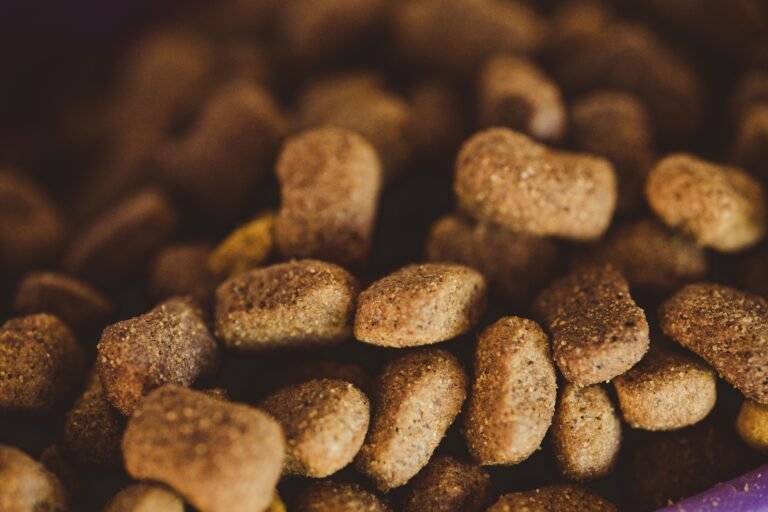
Close-up of brown dry dog food kibble

Storing dog food in a small apartment is less about a handsome bin and more about keeping kibble dry, sealed, and out of the way of heat, humidity, pests, and a determined nose. This guide helps US and UK dog parents in flats and small homes choose a storage setup that fits a tight kitchen or cupboard, decide whether to keep food in the original bag, and handle wet food, treats, and opened tins without turning the counter into a pantry. You will get practical placement ideas, a calm approach to freshness, and pest-prevention habits that work in rental kitchens. The advice is general and practical. Follow the label on your food, and contact your veterinarian if your dog suddenly refuses meals, vomits, or has diarrhea after a storage change or a bag that smells off.

Best Training Treats for Dogs: Small, Tasty, and Easy to Portion

Shiba Inu gently taking a treat from a person’s hand indoors

The best training treats for dogs are usually the ones you can deliver quickly, break into tiny pieces, and count as part of the day’s food, not a mysterious second meal. This guide helps US and UK dog parents choose small, tasty rewards that still work in a hallway, a park, or a short apartment session, without turning every practice into a calorie surprise. You will learn how to sort everyday rewards from higher-value ones, how texture and size affect your timing, and how to keep treats in balance with regular meals. The advice is general and practical rather than a product ranking or a veterinary diet plan. If your dog has a medical diet, sudden stomach upset, or unexplained weight change, contact your veterinarian.

How to Switch Dog Food Brands Without Upset Stomach

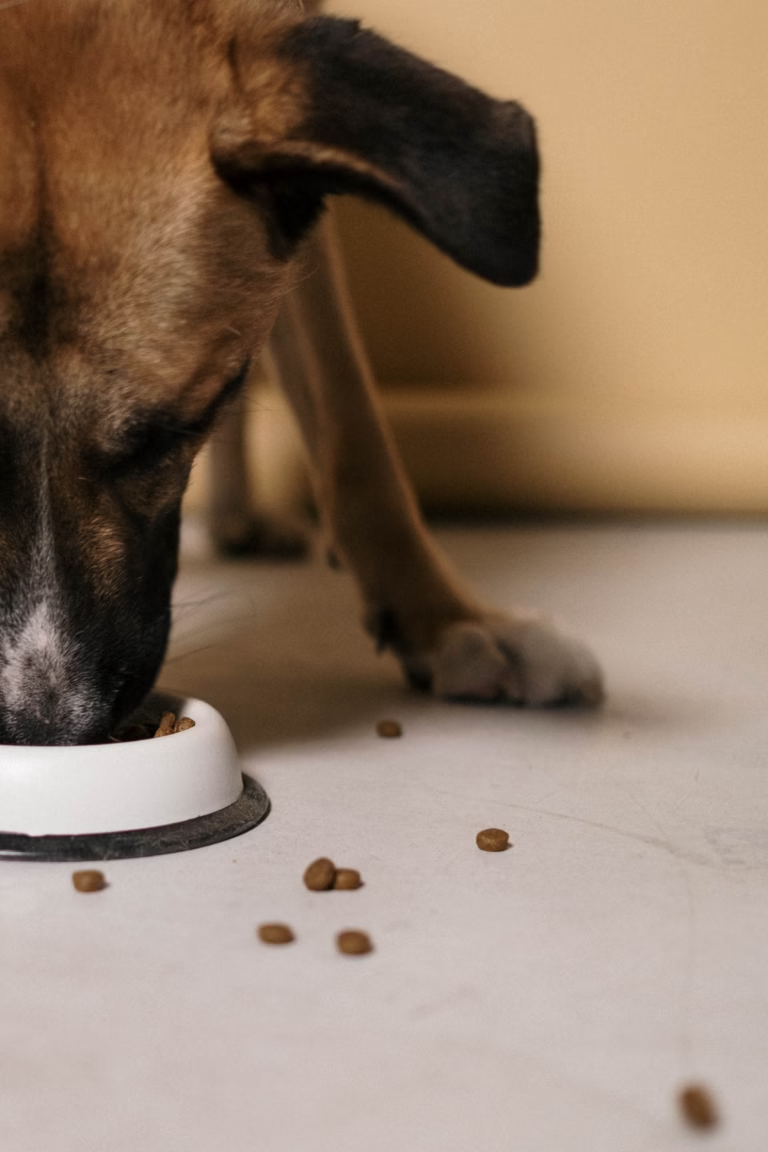
Pet dog enjoying a meal from a bowl on the floor in an indoor setting

How to switch dog food matters as much as which bag you pick. A sudden swap is a common reason a previously settled dog develops loose stools, gas, or a few days of picky eating—especially in a small home where accidents are hard to ignore. This guide helps US and UK dog parents change brands, formulas, or textures with a gradual mix, a simple watch-list, and a plan for treats during the overlap. You will learn a typical seven-to-ten-day transition, when to go slower, how portions still apply during the mix, and which signs mean you should pause and call your veterinarian rather than push through. It also covers picky eaters, multi-dog households, and apartment toilet access if stools loosen. The advice is general and practical, not a prescription, a brand ranking, or a guarantee of a calm stomach. If your dog is vomiting repeatedly, lethargic, in pain, or has blood in stool, contact a veterinarian promptly.

How Much Should I Feed My Dog? A Simple Portion Guide for Real Homes

Curly-haired Labradoodle eating from a shiny stainless steel bowl indoors

How much you should feed your dog is not one cup size copied from the bag. Feeding guidelines are starting points for an average dog of a given weight, and real homes change the math: treats, training snacks, dental chews, quieter apartment days, and longer weekend walks all count. This guide helps US and UK dog parents, especially those in apartments and small homes, use the label wisely, watch body-condition cues rather than chasing a precise calculator, and adjust portions for puppies, adults, and seniors at a high level. You will learn why two dogs of the same weight can need different amounts, how to keep treats inside the day's food budget, and when a change in appetite or weight is a reason to call your veterinarian. The advice is practical rather than alarmist. It is general information, not a veterinary diagnosis or a custom calorie prescription.

Grain-Free Dog Food: What to Know Before You Switch

Siberian Husky eating from a pet food bowl indoors

Grain-free dog food is easy to find and hard to judge. The label usually means the recipe skips common grains such as wheat, corn, rice, barley, or oats—not that the food is low in carbohydrate, “more natural,” or automatically better for allergies. Many grain-free formulas replace those grains with potatoes, peas, lentils, or other starches. This guide explains what grain-free dog food actually changes, why the trend grew, and how to think about the heart-health conversation without panic or invented statistics. You will learn how to read a complete-and-balanced label in the US or UK, when a grain-free recipe may be reasonable, when a grain-inclusive food is a perfectly good default, and how to switch diets safely if you and your veterinarian decide to change. The goal is a calm, practical decision for your individual dog—not a brand ranking. This is general information for dog parents, not a diagnosis or a substitute for veterinary advice.