AdvertisementReserved · below header

分类: Food & Treats

How to Switch Dog Food Brands Without Upset Stomach
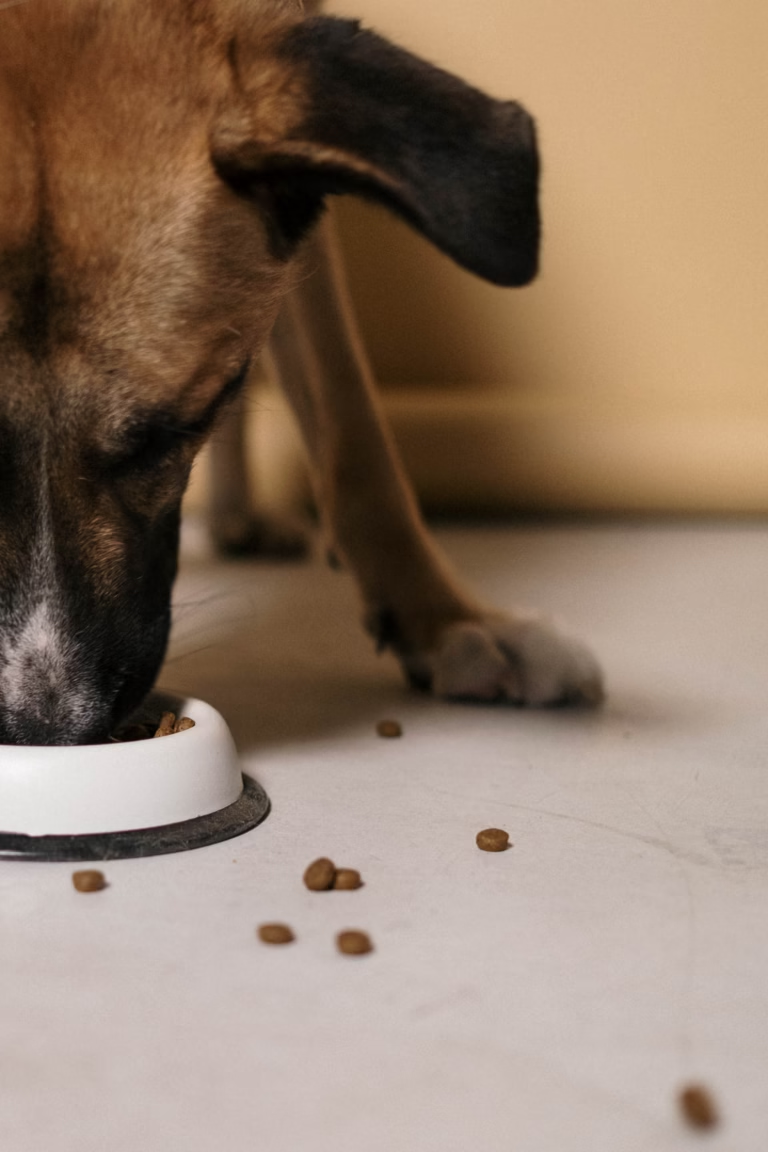
Pet dog enjoying a meal from a bowl on the floor in an indoor setting

How to switch dog food matters as much as which bag you pick. A sudden swap is a common reason a previously settled dog develops loose stools, gas, or a few days of picky eating—especially in a small home where accidents are hard to ignore. This guide helps US and UK dog parents change brands, formulas, or textures with a gradual mix, a simple watch-list, and a plan for treats during the overlap. You will learn a typical seven-to-ten-day transition, when to go slower, how portions still apply during the mix, and which signs mean you should pause and call your veterinarian rather than push through. It also covers picky eaters, multi-dog households, and apartment toilet access if stools loosen. The advice is general and practical, not a prescription, a brand ranking, or a guarantee of a calm stomach. If your dog is vomiting repeatedly, lethargic, in pain, or has blood in stool, contact a veterinarian promptly.

How Much Should I Feed My Dog? A Simple Portion Guide for Real Homes

Curly-haired Labradoodle eating from a shiny stainless steel bowl indoors

How much you should feed your dog is not one cup size copied from the bag. Feeding guidelines are starting points for an average dog of a given weight, and real homes change the math: treats, training snacks, dental chews, quieter apartment days, and longer weekend walks all count. This guide helps US and UK dog parents, especially those in apartments and small homes, use the label wisely, watch body-condition cues rather than chasing a precise calculator, and adjust portions for puppies, adults, and seniors at a high level. You will learn why two dogs of the same weight can need different amounts, how to keep treats inside the day's food budget, and when a change in appetite or weight is a reason to call your veterinarian. The advice is practical rather than alarmist. It is general information, not a veterinary diagnosis or a custom calorie prescription.

Grain-Free Dog Food: What to Know Before You Switch

Siberian Husky eating from a pet food bowl indoors

Grain-free dog food is easy to find and hard to judge. The label usually means the recipe skips common grains such as wheat, corn, rice, barley, or oats—not that the food is low in carbohydrate, “more natural,” or automatically better for allergies. Many grain-free formulas replace those grains with potatoes, peas, lentils, or other starches. This guide explains what grain-free dog food actually changes, why the trend grew, and how to think about the heart-health conversation without panic or invented statistics. You will learn how to read a complete-and-balanced label in the US or UK, when a grain-free recipe may be reasonable, when a grain-inclusive food is a perfectly good default, and how to switch diets safely if you and your veterinarian decide to change. The goal is a calm, practical decision for your individual dog—not a brand ranking. This is general information for dog parents, not a diagnosis or a substitute for veterinary advice.

Wet vs Dry Cat Food: An Honest Guide to Choosing What Fits Your Cat

Cat eating cat food from a pet bowl

Choosing between wet and dry cat food often feels more confusing than it should. Friends may insist that canned food is the only healthy option, while the pet-food aisle makes kibble look simpler, tidier, and easier on your budget. Your cat may ignore both camps and refuse anything except one very specific texture. This honest guide explains what wet vs dry cat food really changes in daily life: moisture, calories, dental claims, cost, and convenience. You will learn how to read a complete-and-balanced label in the US or UK, how to compare foods more fairly, and how to decide based on your cat’s age, weight, medical history, and household routine. We also cover mixed feeding, gradual transitions, storage, and when to involve your veterinarian. The goal is a feeding plan you can keep, not a brand ranking. This is general education for cat parents, not veterinary diagnosis or advice.