

If you have stood in a pet-food aisle comparing a grain-free bag with a grain-inclusive one, you have probably felt the quiet pressure to pick a side. One label sounds modern and “clean.” The other can sound old-fashioned, even though it may be a complete, well-made food that many dogs thrive on.
Grain-free dog food is not a miracle, and it is not automatically a mistake. It is a recipe style. What matters is whether the food is complete and balanced, whether your dog digests it well, and whether it fits any medical advice you have already received. This guide is general information for dog parents in the US and UK. It is not a diagnosis or a substitute for veterinary advice tailored to your individual dog.
What “grain-free” actually means
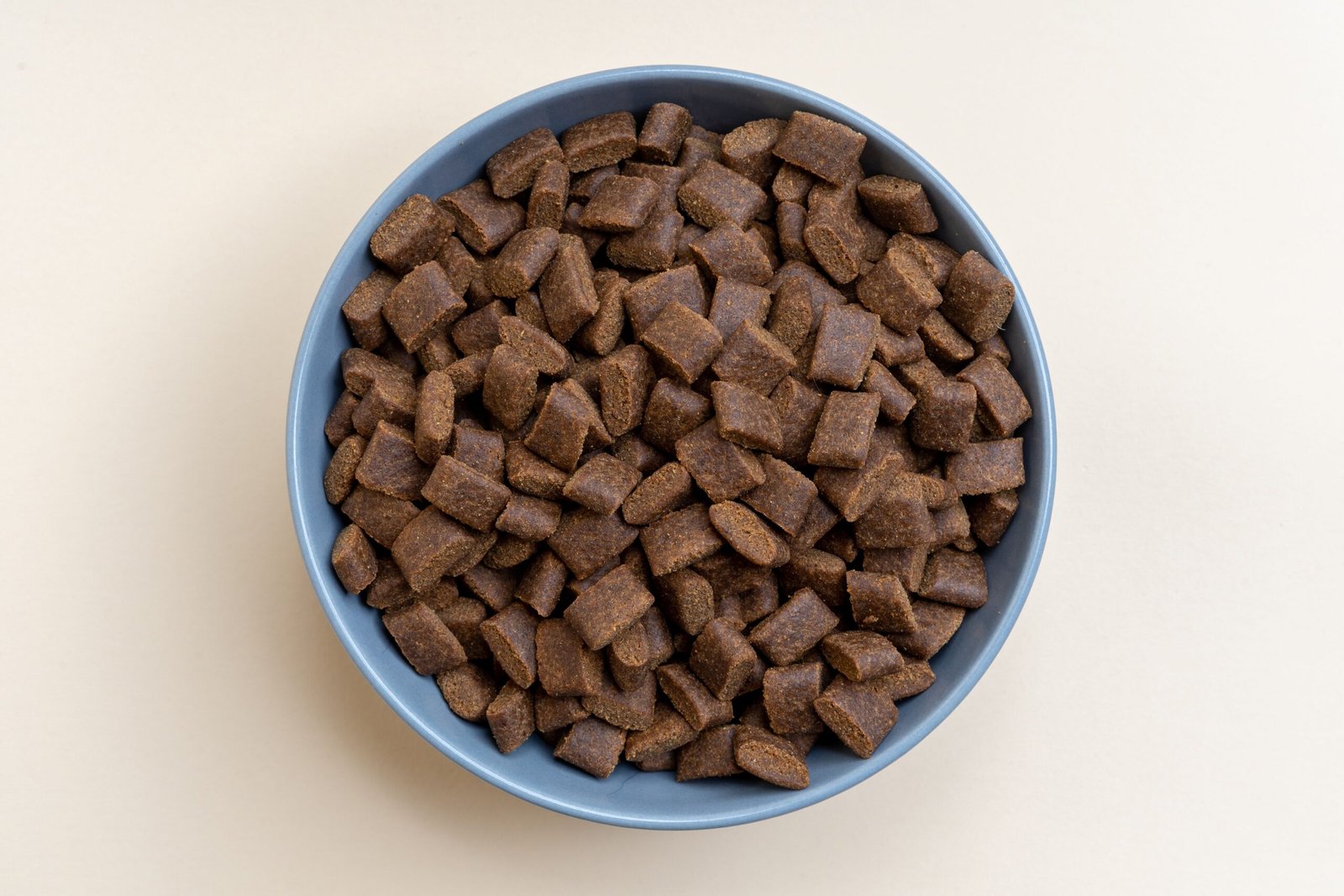
On a dog-food bag, “grain-free” usually means the recipe does not include common cereal grains such as wheat, corn, rice, barley, oats, rye, or millet. That is a narrower claim than many shoppers assume.
Grain-free is not carbohydrate-free. Most dry grain-free foods still use starches so kibble can hold its shape and supply energy. Common replacements include potatoes, sweet potatoes, peas, lentils, chickpeas, and tapioca. A grain-free dinner can be just as starch-forward as a rice-based one; the difference is which plants supply those carbohydrates.
It is also not the same as gluten-free, although the two overlap. Gluten is a protein found in wheat, barley, and rye. A grain-free food is typically gluten-free, but a food that contains rice or corn can be gluten-free while still containing grain. If a veterinarian has asked you to avoid a specific ingredient, read the full list rather than trusting the front of the bag. In the UK and similar markets, “cereals” usually points to the same family of grains.
Grain-free also does not mean “no fillers” or “higher meat.” “Filler” is marketing language, not a quality grade. A grain can be a digestible source of energy and fiber, and a grain-free recipe can still be plant-heavy. The complete-and-balanced statement, calorie content, and first several ingredients tell you more than a banner.
Why grain-free became so popular
The trend grew more from human food culture than from a change in canine biology. Many people feel better after cutting wheat and project that onto a pet. Ancestral marketing adds another layer: if wolves did not farm wheat, dogs should not eat it either.
Domestic dogs are not wild wolves in a supermarket, and they digest cooked starch more effectively than wolves. Plenty of healthy dogs eat grain-inclusive foods every day, and plenty of owners chose grain-free because it was sold as premium. A documented intolerance or a veterinary elimination diet is a legitimate reason to avoid a specific grain. A trend is not.
Do dogs need grains—or need to avoid them?
Dogs do not require wheat, corn, or rice as named ingredients. They do require energy, amino acids, fatty acids, vitamins, and minerals. Grain-inclusive and grain-free recipes can both meet those needs when they are well formulated.
When dogs do have a food allergy, the trigger is more often a frequently eaten protein—such as chicken, beef, or dairy—than a grain. Some dogs react to wheat or another plant ingredient, but itching, ear problems, or digestive upset have many other causes. Switching to grain-free on a hunch can delay a more useful workup and still leave the real trigger in the bowl if the protein has not changed.
If an allergy is suspected, your veterinarian may recommend a proper elimination diet with a novel or hydrolyzed protein food, then a planned challenge. That process includes treats, chews, and flavored medications. Grain-free food is not, by itself, an elimination diet.
A healthy dog with comfortable skin, normal stools, a good appetite, and a stable weight does not generally need grains removed. A dog already doing well on a grain-free food does not generally need a panic switch because of a headline.
The heart-health conversation, without the scare headlines
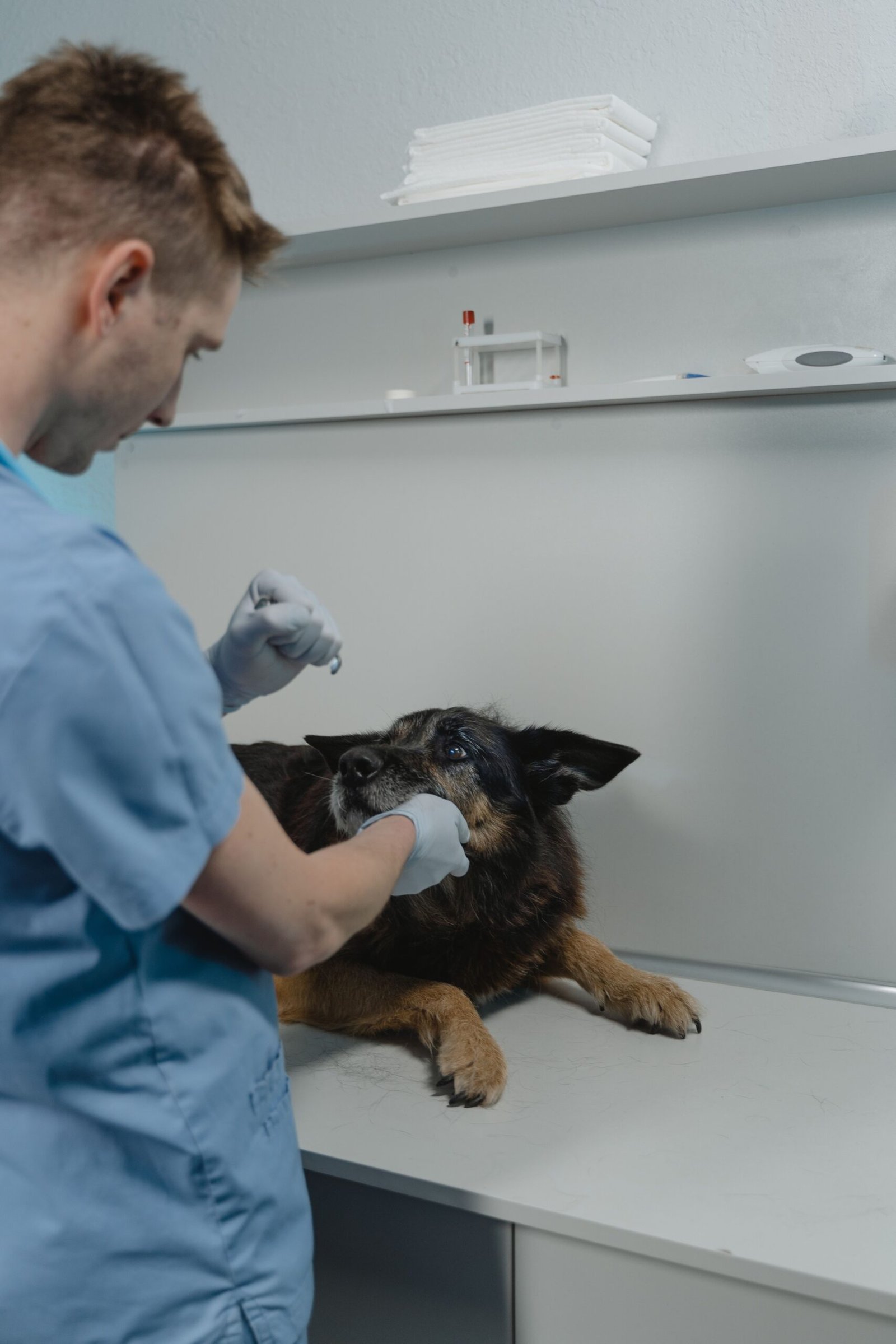
You may have seen warnings connecting grain-free dog food and dilated cardiomyopathy, often shortened to DCM. Heart health is worth taking seriously. Every grain-free bag is not a proven toxin.
In the United States, the Food and Drug Administration (FDA) has looked into reports of DCM in dogs eating certain diets, including many labeled grain-free and many that listed peas, lentils, other legumes, or potatoes prominently. An investigation of reports is not a conclusion that grain-free food causes DCM. Genetics, underlying heart disease, overall formulation, and individual metabolism can all matter. Not every grain-free food is the same, and not every dog with DCM has eaten a grain-free diet.
This article will not invent case counts, percentages, or a cause-and-effect story the evidence does not cleanly support. Researchers have not settled on one culprit ingredient, and the FDA has not banned grain-free pet food. Some veterinarians are more cautious about unusual, heavily legume-based, or lightly researched recipes, especially for dogs with heart disease or a breed background your vet wants to monitor. Other dogs continue to do well on grain-free foods from companies with strong nutritional expertise.
Practical next steps:
- Do not diagnose heart disease from a label. Coughing, fainting, a swollen belly, labored breathing, sudden weakness, or a clear drop in stamina are reasons to call a veterinarian promptly, whatever your dog eats.
- If your dog has diagnosed heart disease, ask whether the current diet still makes sense.
- Prefer companies that employ qualified nutrition expertise and publish a clear complete-and-balanced statement, whether or not the recipe contains grain.
- Do not stack heart supplements without veterinary guidance.
How to read a grain-free label
Turn the package around.
Look for a complete-and-balanced statement
In the United States, look for an Association of American Feed Control Officials (AAFCO) nutritional adequacy statement saying the food is complete and balanced for a stated life stage, such as adult maintenance, growth, or all life stages. In the UK and similar markets, look for a clear claim that the food is complete pet food for a particular life stage, not merely complementary. Toppers and broths are not a full diet.
A food can be grain-free and still complementary. A food can contain grains and still be an excellent complete diet.
Then look at life stage, calories, and ingredients
Puppies and pregnant or nursing dogs have higher needs than typical healthy adults. Use feeding guidelines as a starting point, then judge by body condition: you should usually feel ribs under a thin layer of fat and see a waist from above.
Named animal proteins near the top of the list are generally a clearer sign than a mysterious blend. Lists are by weight before cooking, so water-rich items can rank higher than their finished contribution. Compare calories per cup or per 100 grams; grain-free is not automatically lower in energy. If a brand offers grain-free and grain-inclusive versions, read both.
Grain-free kibble is not a dental treatment. If your dog drops food, paws at the mouth, or suddenly becomes “fussy,” ask your veterinarian to check the teeth before you keep changing recipes.
When grain-free may be reasonable—and when it may not

A grain-free food can be a fair choice when your veterinarian has identified a problem with a specific grain; when a recommended elimination-diet food happens to be grain-free; or when your dog has already thrived on a specific complete grain-free recipe—good weight, stool, skin, and energy—and your veterinarian is comfortable with it.
“Because it sounds healthier,” “because a friend swore by it,” and “because it costs more” are weak reasons. For many healthy dogs, a grain-inclusive complete food is a sensible default. Rice, barley, or oats can be digestible energy sources, and there is little reason to treat them as problems if your dog has no grain issue. Some veterinarians would rather you choose a well-established recipe from a company with documented nutrition expertise than a boutique formula whose main selling point is what it leaves out.
If your older dog needs a calorie, texture, or medical adjustment, start with those needs. Grain-free is rarely the center of a plan for muscle loss, chewing pain, or kidney, heart, or digestive disease. Home-cooked and raw diets raise separate completeness and safety questions; omitting grains does not make them automatically better.
How to switch—if you decide to switch
For most healthy dogs, transition over about seven to ten days:
- Days 1–2: 75% old food, 25% new food
- Days 3–4: half and half
- Days 5–6: 25% old food, 75% new food
- Day 7 onward: all new food if stools and appetite look normal
Go slower if your dog has a sensitive stomach. Pause and call your veterinarian if you see persistent vomiting, refusal to eat, blood in the stool, or marked lethargy. Keep treats simple, and ask before you change a therapeutic diet.
Give the new food several weeks unless something is clearly wrong, and judge it by body condition, stool, itchiness, energy, coat, and appetite.
A practical decision checklist
Before you buy a grain-free dog food—or abandon one—you should be able to say yes to most of these:
- I know why I am choosing grain-free or grain-inclusive, and the reason is about my dog, not a slogan.
- The food is complete and balanced for the right life stage.
- I have checked calories and a starting portion, including treats.
- I can name the main protein and the main starch source.
- My veterinarian knows about any heart, allergy, or digestive concerns and has not recommended a different medical diet.
- I have a seven-to-ten-day transition plan and a way to measure meals.
- I will reassess weight, stool, skin, and energy after several weeks rather than after two dinners.
The most useful question is not “Is grain-free good or bad?” It is “Is this complete food a good match for my dog, and do I have a sound reason to choose it?” For many families, a grain-inclusive food answers that question well. For some dogs, a specific grain-free recipe does. Your dog’s condition, and your veterinarian’s exam, should settle the argument the aisle cannot.
FAQ
Is grain-free dog food healthier than food that contains grains?
Not automatically. Grain-free means the recipe omits common cereal grains; it does not guarantee more meat, fewer carbohydrates, or better nutrition. A complete, well-formulated grain-inclusive food can be an excellent diet, and a grain-free food can be excellent too. Judge the whole recipe, your dog’s health, and your veterinarian’s advice—not the banner on the front of the bag.
Can grain-free dog food cause heart disease?
There is no simple yes-or-no answer that fits every recipe and every dog. The FDA has investigated reports of dilated cardiomyopathy in some dogs eating certain diets, including many labeled grain-free, but that is not the same as proof that grain-free food causes heart disease. Do not invent a risk score from headlines, and do not ignore genuine warning signs such as coughing, fainting, or a sudden drop in stamina. If your dog has heart disease or your veterinarian is already monitoring heart health, ask before you choose or change a food.
How do I know if my dog is allergic to grains?
You usually cannot tell from a guess or from a single grocery-store swap. Food allergies in dogs more often involve a common protein than a grain, and itchy skin or soft stools have many other causes. If an allergy is suspected, your veterinarian may recommend a proper elimination diet and a planned challenge. Grain-free food alone is not that process, especially if treats and chews still contain the old ingredients.
Should puppies or senior dogs eat grain-free food?
Only if the food is complete and balanced for that life stage and it fits the dog in front of you. Puppies need a growth or all-life-stages diet that supports development; seniors more often need help with calories, muscle, chewing comfort, or a diagnosed medical condition. Grain status is rarely the most important decision for either group. Ask your veterinarian before you put a puppy or an older dog with health issues on a new recipe style.
If my dog is doing well on grain-free food, should I switch away from it?
Not automatically. A dog with a healthy weight, good stools, comfortable skin, normal energy, and no relevant medical concern does not need an emergency diet change because of a slogan or a scare story. Bring the current food to a wellness visit and ask whether it still makes sense. If you do change, transition gradually and keep the reason for switching clear.
Related reading
- Best Dog Food For Seniors — Best Dog Food for Seniors: How to Choose What Your Older Dog Actually Needs (pairs with life-stage and medical-diet decisions)
- Dog Dental Care At Home — Dog Dental Care at Home (useful when “picky eating” is actually a mouth problem, not a grain problem)
- Wet Vs Dry Cat Food — Wet vs Dry Cat Food (for multi-pet households comparing complete-and-balanced labels across species)
- Best Automatic Cat Feeders — Best Automatic Cat Feeders (if you also automate meals for a resident cat while reviewing household feeding routines)
[…] are comparing formulas, including grain-free options, look past front-of-bag claims. Our note on grain-free dog food can help you read those labels more […]
[…] the whole bowl, and it is not a health treatment. If you are sorting that wider question, see what to know about grain-free dog food. For everyday treats, the useful work is still the ingredient list and the serving […]