

Caring for your dog’s teeth at home is less about filling a cupboard with products and more about building a short, repeatable habit. Fresh breath is a pleasant side effect. The real goal is to slow plaque—the soft film that forms after meals—before it hardens into tartar that brushing can no longer remove.
You do not need to become a veterinary dentist, and you should not feel guilty if you have never brushed before. A gentler routine begun this week is still useful. This guide covers what you can reasonably do at home, what belongs at the clinic, and how to keep the process calm.
A note about health advice
This article is for general education. It is not a veterinary diagnosis, treatment plan, or substitute for professional care. Every dog is different. Age, breed, existing dental disease, other health conditions, and temperament all change what is safe and realistic at home. If you are unsure whether a product, chew, or technique is appropriate, ask your veterinarian or a veterinary dentist before you start. Seek prompt veterinary attention if your dog seems to be in pain, has facial swelling, bleeding from the mouth, a broken or loose tooth, difficulty eating, or a sudden change in breath or appetite.
Why at-home dental care matters
Plaque forms quickly. If it stays on the tooth surface, minerals in saliva help it harden into tartar along the gumline, where it can irritate the gums. Over time, that irritation can progress to periodontal disease—the inflammation and damage of the tissues that support the teeth.
Home care cannot reverse every problem, and it cannot replace a professional dental assessment when one is needed. What it can do is reduce day-to-day plaque, help you notice changes earlier, and make veterinary dental care part of a longer plan rather than the only line of defense.
What you can see at home—and what you cannot
A visual check is useful if you know its limits. You may notice yellow or brown buildup, especially on the upper canines and large back premolars; red, receded, or puffy gums; persistent bad breath; extra drooling; pawing at the mouth; chewing on one side; reluctance to take hard treats; or broken, discolored, or unusually loose teeth.
You cannot reliably see what is happening under the gumline or between tightly packed teeth. A mouth that “looks only a bit stained” can still be uncomfortable. Home observation complements a veterinary exam; it is not a diagnosis. If your dog will not let you look, do not force it. Note the behavior and mention it at your next visit. Resistance can be personality, lack of practice, or discomfort.
Start with handling, not with the brush
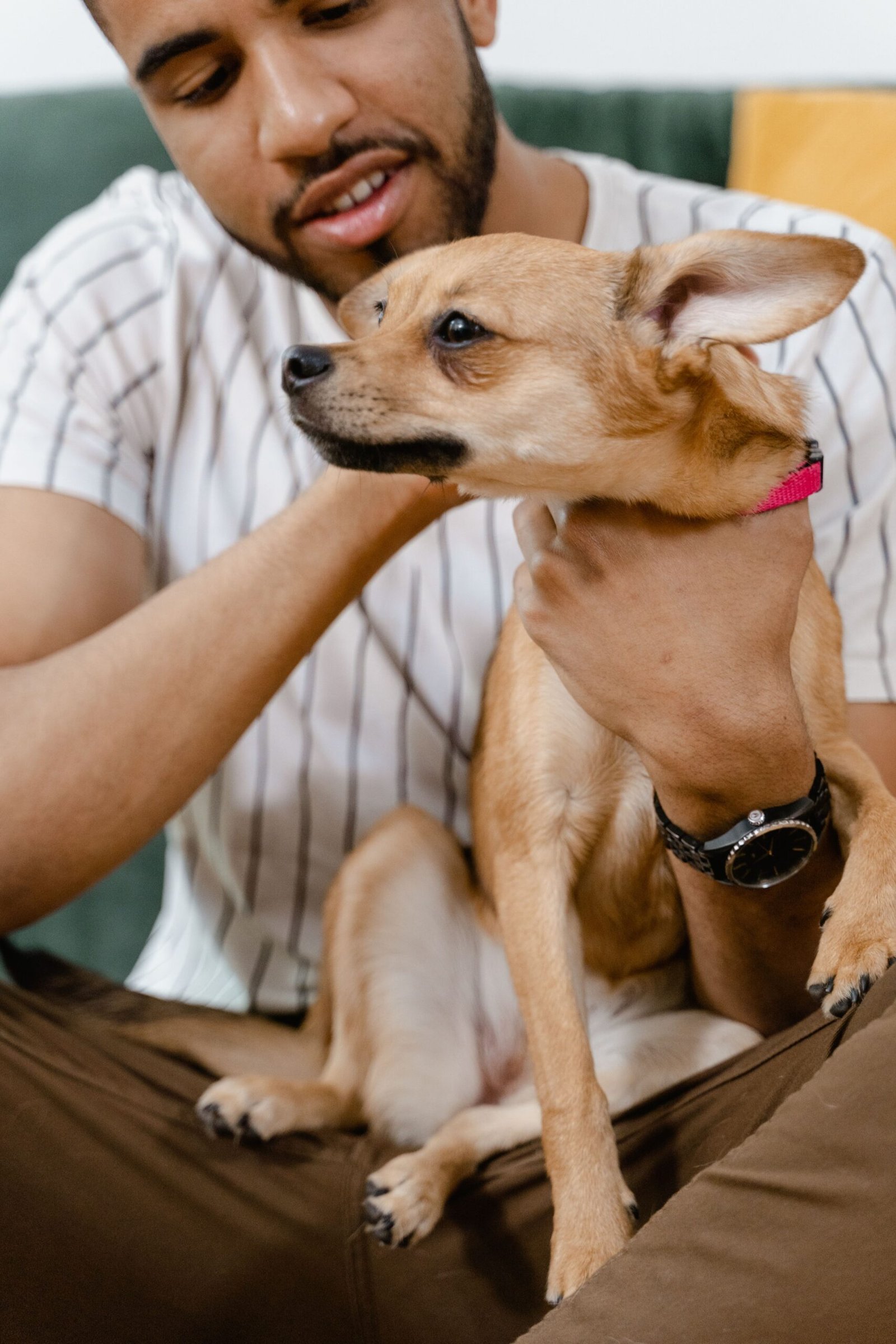
Dogs who accept toothbrushing most easily usually learned that having their mouth touched is boring and well paid. If this is new, spend several days—or longer—on handling alone.
- Choose a quiet time, not right after a chaotic walk.
- Keep your dog standing or sitting at your side rather than rolled onto their back.
- Touch the muzzle, lift the lip for a second, then stop and offer a small, dog-safe reward.
- Repeat until lip lifts are uneventful.
- Rub a clean finger along the outside of a few teeth for one or two seconds. Stop while your dog is still relaxed.
Short sessions beat long ones. Ending early is a success. If your dog freezes, growls, snaps, or tries to escape, step back to an easier step. If you suspect pain, pause and speak with your veterinarian before you continue.
How to brush your dog’s teeth
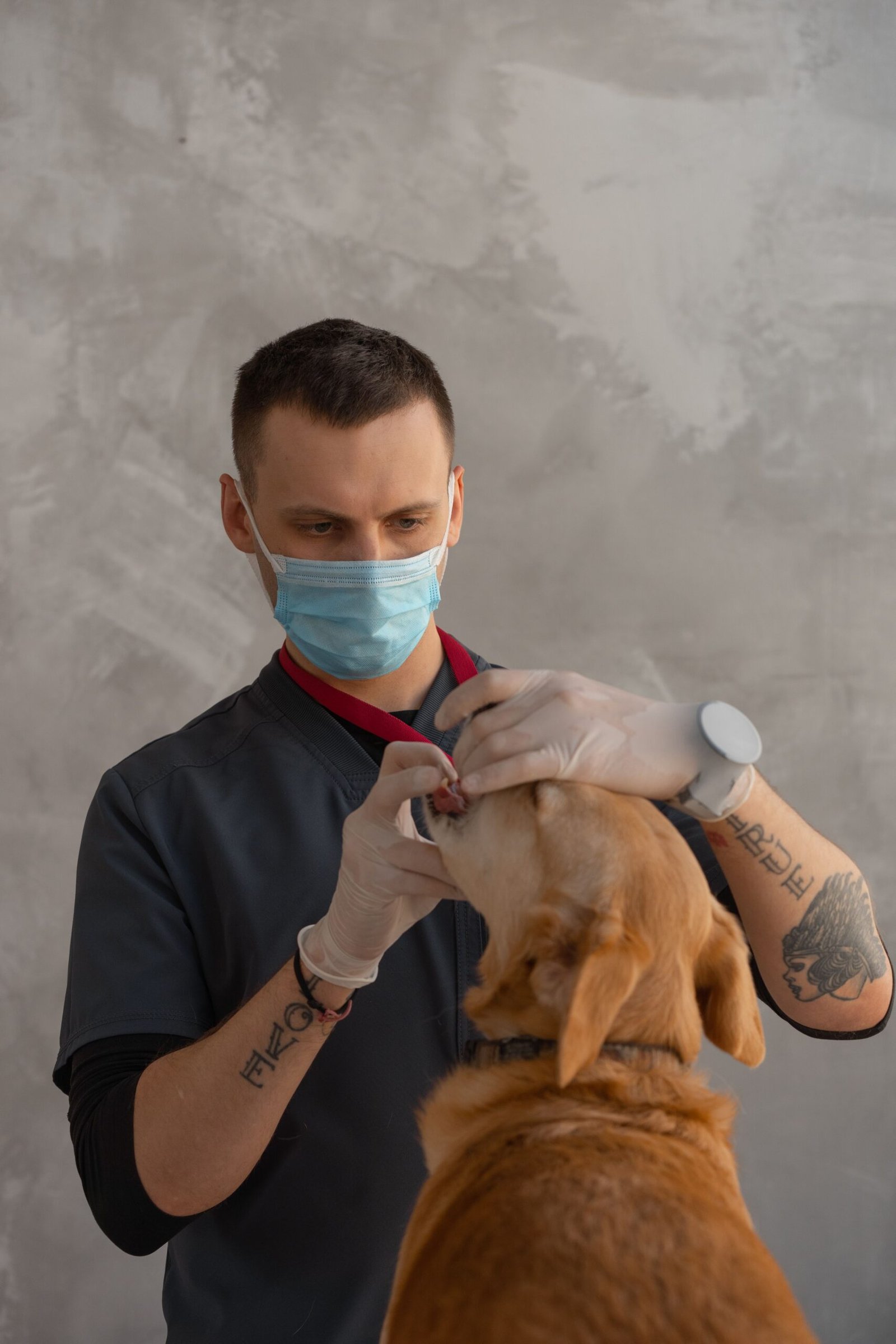
Daily brushing is the most effective at-home method available to most owners. If daily is not realistic at first, two or three careful sessions a week are still better than none. You can always build up.
Choose the right tools
- Use a toothbrush made for dogs, a very soft small-headed brush, or a finger brush. A child’s soft brush can work for some medium and large dogs; very small dogs often do better with a finger brush or a tiny pet brush.
- Use toothpaste formulated for dogs. Never use human toothpaste. Many human pastes contain fluoride and flavorings that are not meant to be swallowed, and some contain xylitol, which is toxic to dogs.
- Skip baking soda mixes, hydrogen peroxide, essential-oil rinses, and kitchen experiments. “Natural” does not automatically mean safe to swallow.
If your dog dislikes mint, look for poultry or another pet-safe flavor. Let them lick a little toothpaste off your finger first so it becomes a treat, not a surprise.
A simple brushing method
- Offer a dab of dog toothpaste as a preview.
- Lift the lip on one side. You do not need to pry the mouth wide open. Most plaque you can reach at home sits on the outer surfaces of the teeth.
- Hold the brush at a roughly 45-degree angle toward the gumline.
- Use gentle circular or short back-and-forth strokes. Focus on the upper back teeth and canines, where debris often collects.
- Aim for about 30 seconds per side once your dog is used to the process. Early sessions can be much shorter.
- Praise and reward. Stop before your dog has had enough.
You do not need to scrub. Pressure that would make your own gums sore is too much. If you see bleeding, stop and contact your veterinarian. A little pinkness can happen when gums are inflamed, but ongoing bleeding needs a professional check, not a harder brush.
If your dog allows it, lightly brush the inner surfaces too. Many dogs will not at first. The outer gumline is the higher-value target, so do what your dog will accept consistently.
Other at-home options (and where they fit)

Brushing is the foundation. Everything else is support.
Dental chews. Some chews help reduce plaque or tartar through texture and chewing time. Choose an appropriate size: too small is a choking risk; too hard can fracture teeth. Acceptance by the Veterinary Oral Health Council (VOHC) is a useful filter because it evaluates certain dental claims against published standards. A seal does not mean a chew replaces brushing, but it is clearer than packaging language alone.
Avoid extremely hard objects. Cooked bones, antlers, hooves, ice cubes, and some hard nylon toys are common culprits in fractured teeth.
Wipes, additives, diets, and toys. Pet dental wipes help on busy days or while you train mouth handling; they are better than nothing and less thorough than a brush. Water additives and gels are convenient extras—use products labeled for dogs and ask your veterinarian if your dog has kidney disease, is on a special diet, or shares water bowls. Some dental kibbles are designed to create more scraping action as the dog bites; VOHC acceptance helps sort marketing from evaluated claims. Do not switch a prescribed diet without veterinary guidance. Supervise rubber or textured toys and match them to your dog’s bite strength.
No rinse, spray, or chew will make up for a mouth that already needs professional treatment. If tartar is thick, gums are inflamed, or your dog seems painful, book a veterinary exam.
A realistic weekly routine
Here is a routine many households can keep:
- Most days: one to two minutes of brushing, or a wipe of the outer upper teeth if you are short on time.
- A few times a week: an appropriately sized dental chew, after you have checked it is suitable.
- Daily, in passing: a quick look at the front teeth and gumline. Watch for new stains, redness, chips, or swelling.
- As recommended by your veterinarian: professional oral exams and dental procedures when advised. At-home care does not make those visits unnecessary.
With a puppy, pair mouth handling with ordinary training. With a senior, go more slowly, use a softer brush, and report changes promptly—including “picky eating,” which can have dental or other causes.
Special situations
Small dogs often have crowded mouths that trap debris, so they may need especially consistent home care and earlier assessment—a reason for routine, not panic. Flat-faced dogs may have unusual tooth positioning and already find face handling stressful; keep sessions short and ask about safe handling if breathing is a concern. After dental work, follow the aftercare you were given. With a mouth-shy dog, forcing a brush can damage trust and hide pain; work in tiny steps or use veterinarian-approved alternatives. In multi-dog homes, teach each dog individually, and do not assume fresher breath means a healthier mouth.
Common mistakes to avoid
- Using human toothpaste, human mouthwash, or essential oils in homemade rinses.
- Scraping tartar yourself with metal tools or “scaler” kits sold for home use. You can scratch enamel, injure gums, and miss disease under the gumline.
- Choosing the hardest chew you can find, on the theory that harder equals cleaner.
- Waiting for obviously bad breath before starting a routine. Breath is a clue, not a complete test.
- Assuming anesthesia-free “dental cleanings” at groomers or shops are the same as a veterinary dental procedure. Cosmetic scaling without a full oral exam, probing, and dental radiographs can leave painful problems untouched. Discuss any offer of this kind with your veterinarian.
- Giving up after two messy attempts. Mouth care, like housetraining, usually improves with short, consistent practice.
When to call the veterinarian
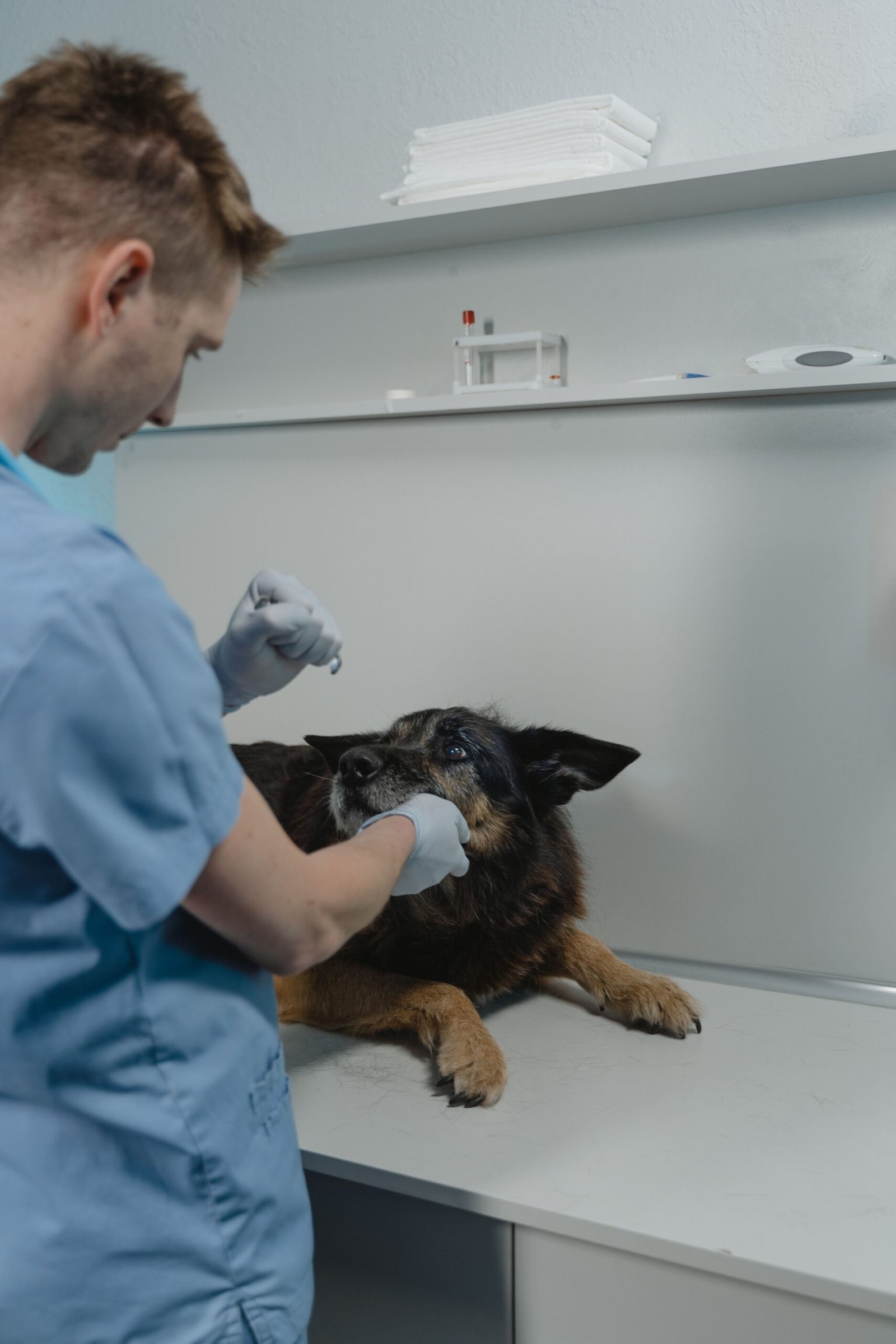
Contact your clinic if you notice persistent or suddenly worse bad breath; bleeding gums or pus; swelling of the face, jaw, or under the eye; a broken, discolored, or loose tooth; drooling, dropping food, chewing on one side, or reluctance to eat; pawing at the mouth; crying out when the face is touched; or a change in chewing that lasts more than a meal or two.
These signs have many possible causes, some unrelated to teeth. That is another reason home speculation is not a diagnosis. Professional dental care may include an examination, dental radiographs, cleaning below the gumline, and treatment of damaged teeth—steps that typically require anesthesia so the veterinarian can work thoroughly and safely. If you have questions about anesthesia, ask the clinic how they assess risk for your individual dog.
The calm takeaway
Good dog dental care at home is simple on paper: safe toothpaste, a soft brush, a few unhurried minutes, and a willingness to look. The art is in the pacing—rewarding small steps, choosing chews that do not break teeth, and knowing when the kindest next step is a veterinary appointment rather than another product. Start with tonight’s lip lift and a lick of dog toothpaste. A routine that actually happens will do more for your dog than a perfect plan that never leaves the shopping basket.
FAQ
How often should I brush my dog’s teeth at home?
Daily is the ideal target because plaque forms quickly. If that feels impossible at first, start with a few short sessions each week and build up. Consistency matters more than a single marathon brushing. Pair the habit with something you already do, such as after the evening walk, so it is easier to remember.
Can I use human toothpaste if I run out of dog toothpaste?
No. Human toothpaste is not made to be swallowed, and some formulas contain xylitol, which is toxic to dogs. Others include fluoride and strong flavorings that are a poor fit for a pet. If you have run out, skip the paste for a session or two and use a dog-safe brush with water, or switch to a pet dental wipe, then pick up toothpaste made for dogs.
Do dental chews replace brushing?
They can support a routine, especially on busy days, but they are not a complete substitute for brushing. A chew only helps if your dog actually chews it, if the size and hardness are safe, and if the rest of the mouth is otherwise healthy enough for home care. Use chews as an extra, not as the entire plan, and ask your veterinarian if you are unsure which textures are appropriate.
My dog hates having their mouth touched. What should I do?
Slow down and treat this as training, not a wrestling match. Go back to brief muzzle touches and lip lifts, rewarded every time, and stop while your dog is still comfortable. If your dog seems painful, panicked, or suddenly protective of their face, do not push through it—book a veterinary check first. Discomfort can look like “stubbornness.”
If I brush at home, does my dog still need professional dental care?
Yes, home care and veterinary dental care do different jobs. Brushing helps manage plaque you can reach day to day. It cannot thoroughly clean under the gumline, take dental radiographs, or treat loose, broken, or infected teeth. Your veterinarian can advise how often your dog should be examined and whether a professional procedure is needed.
[…] Dog Dental Care At Home — A calm home dental routine; useful when “dog smell” is coming from the mouth rather than the coat, and when face handling during baths is difficult […]
[…] Dog Dental Care At Home — another short at-home care habit built on gentle handling and knowing when to book the clinic […]
[…] a clinic, not in a longer trial of toothpaste. If you also care for a dog, the companion piece is dog dental care at home; the goal is similar, but a cat’s patience and the way you introduce tools are […]
[…] can be a comfort measure while you get advice; it is not a cure. For everyday cleaning at home, use dog dental care at home as a separate routine, and contact a veterinarian if there is pain, bleeding, loose teeth, or a […]