AdvertisementReserved · below header

Category Health & Care

How to Give a Dog a Pill at Home

A woman with dark hair in a ponytail and black-rimmed glasses sits on a sofa in a small apartment, holding a small tan-and-white Shih Tzu against her chest and kissing the top of the dog's head, with a kitchen visible behind her; this is a calm home hold, not someone giving a pill

If you need to know how to give a dog a pill at home, the work is less about forcing a tablet down and more about a calm, short method you can repeat in a small kitchen. This guide helps US and UK dog parents confirm with the prescribing veterinarian or pharmacist that the pill may be given with food or crushed — some must not be — then try a small pill pocket or a bit of wet food, use a gentle hold and follow with a treat, and know what to do if the dog spits it out. It also covers how to stay consistent for a multi-day course without turning every meal into a negotiation. The advice is general and practical, not a veterinary diagnosis, and it does not recommend specific medications, doses, or supplements. If the dog coughs, chokes, vomits the dose, or you cannot get the medication in, contact the prescribing veterinarian.

Signs Your Dog Is Stressed (And What Helps at Home)

A small black-and-white dog lies under a tan leather sofa on a beige carpet in a living room and looks out from under the sofa, with a white striped cushion resting on the seat above

If you are looking for signs your dog is stressed, the work is less about spotting one dramatic moment and more about noticing everyday body language and habit changes in a small home. This guide helps US and UK dog parents in flats read cues such as yawning, lip licking, whale eye, a tucked tail or a stiff freeze, plus pacing, hiding, clinginess, and shifts in appetite, rest, or toileting. It then covers simple adjustments: a predictable routine, a quiet landing spot, enough movement and mental work, and knowing when to pause a training session. The advice is general and practical, not a diagnosis or a treatment for anxiety, aggression, or a medical condition, and it does not promise that a dog will be calmer on a set timetable. A sudden behavior change, toileting accidents in a previously reliable dog, or a dog that growls or snaps should be checked with a veterinarian.

How to Give a Cat a Pill at Home

A fluffy white-and-orange cat with green eyes is held under the chest by a person’s hand as it sits on a sofa with a red, white, and beige striped cushion and a floral pillow; this is a home hold, not someone giving a pill

If you need to know how to give a cat a pill, the work is less about forcing a tablet down and more about a calm, short method you can repeat at home. This guide helps US and UK cat parents start with a pill pocket or a small soft treat, add a pill giver only if needed, and keep a stable hold without cranking the cat's head far back. You will also see why one short attempt and then a break is kinder than a long struggle, how a little water or a wet-food chaser can help afterward, and what not to do — including not crushing or splitting a pill unless the veterinarian or the label says it is safe. The advice is general and practical, not a veterinary diagnosis. Follow the veterinarian's directions. If the cat panics, has trouble breathing, foams, or you cannot get the medication in, stop and call the clinic.

How to Get a Cat Comfortable at the Vet

A man in a white T-shirt and latex gloves, with a navy stethoscope in his ears, examines a golden or tan shorthair cat lying on a scratched metal veterinary exam table against a plain white wall

If you want to get a cat comfortable at the vet, the most useful work usually happens at home, in short, calm rehearsals, not in a busy waiting room. This guide helps US and UK cat parents in flats and small homes build a familiar visit: the carrier is already a known place, a towel or blanket that smells like home travels with the cat, and you have practiced lifting and gentle handling. It also covers a quieter wait at the clinic and a slow unpacking once you are back in the apartment. The aim is to make the visit feel more familiar, not to promise that your cat will enjoy the vet. This is general information, not a veterinary diagnosis, and not a treatment for fear, panic, or aggression. It does not recommend sedatives, supplements, or medications. If your cat is severely frightened or may bite, contact the cat's veterinarian rather than pushing at-home practice.

How to Get Your Dog Comfortable at the Vet

A fluffy orange Pomeranian lies on a white clinic exam table while one veterinary staff member holds a stethoscope and another, in a white coat, holds a blue pen and a clipboard

If you want to get dog comfortable at the vet, the most useful work usually happens at home, in short, calm rehearsals, not in a busy exam room. This guide helps US and UK dog parents in flats and small homes practice the pieces of a visit: gentle handling of paws, ears, and mouth, standing still on a scale-like mat, a short crate or car session, and a quiet wait with a familiar towel and treats. The aim is to make the clinic feel more familiar, not to promise that your dog will love the vet. This is general information, not a veterinary diagnosis, and not a treatment for fear, panic, or aggression. It does not recommend sedatives, supplements, or medications. If your dog is severely frightened, freezes, or may bite, contact the dog's veterinarian or a qualified professional rather than pushing at-home practice.

How to Walk a Dog in Cold Weather (City Streets and Short Days)

A man in a teal winter jacket and black beanie stands on a brick city sidewalk beside a lamppost, while a small tan dog in a blue coat and grey harness looks up at him, with bare trees and pedestrians in the background

Learning how to walk a dog in cold weather is less about chasing a perfect temperature and more about a plan that still works on short city days, windy blocks, wet sidewalks, and streets treated with ice-melt salt. This guide helps US and UK dog parents in flats and small homes shorten or split walks, dry a wet coat in a tight entry, rinse or wipe paws, and treat a layer or booties as an option rather than a uniform. You will also see when it is kinder to move leftover energy indoors. The advice is general safety information, not a veterinary diagnosis and not a treatment plan. It does not use hard temperature cutoffs, and it does not claim that a coat or booties prevent frostbite. If your dog is lifting paws, shivering hard, limping, or will not put weight down, go inside and contact a veterinarian if it does not settle.

How to Bathe a Dog in a Small Apartment Bathroom

A brown and white Border Collie sits in a white freestanding bathtub in a bright bathroom, with a chrome shower fixture, black-and-white tiled floor, a sheer curtain, and leafy houseplants in the foreground

Learning how to bathe a dog in an apartment is less about turning a rental bathroom into a salon and more about prep, non-slip footing, a sensible water temperature, and a rinse and dry you can finish without flooding the hall. This guide helps US and UK dog parents in flats and small homes use a standard tub or a shower stall: how to keep a wet dog from slipping, how to wash the face and paws, and how to rinse, dry, and clean up a tight rental bath. It is a practical how-to, not a schedule for how often to bathe, and not a brushing, paw-care, or dental article. Use a shampoo made for dogs rather than human shampoo as a default, and do not expect a miracle coat. This is general information, not a diagnosis or treatment. If your dog has open sores, intense itching, ear problems, or is in real distress, contact a veterinarian.

How to Manage Cat Shedding in an Apartment

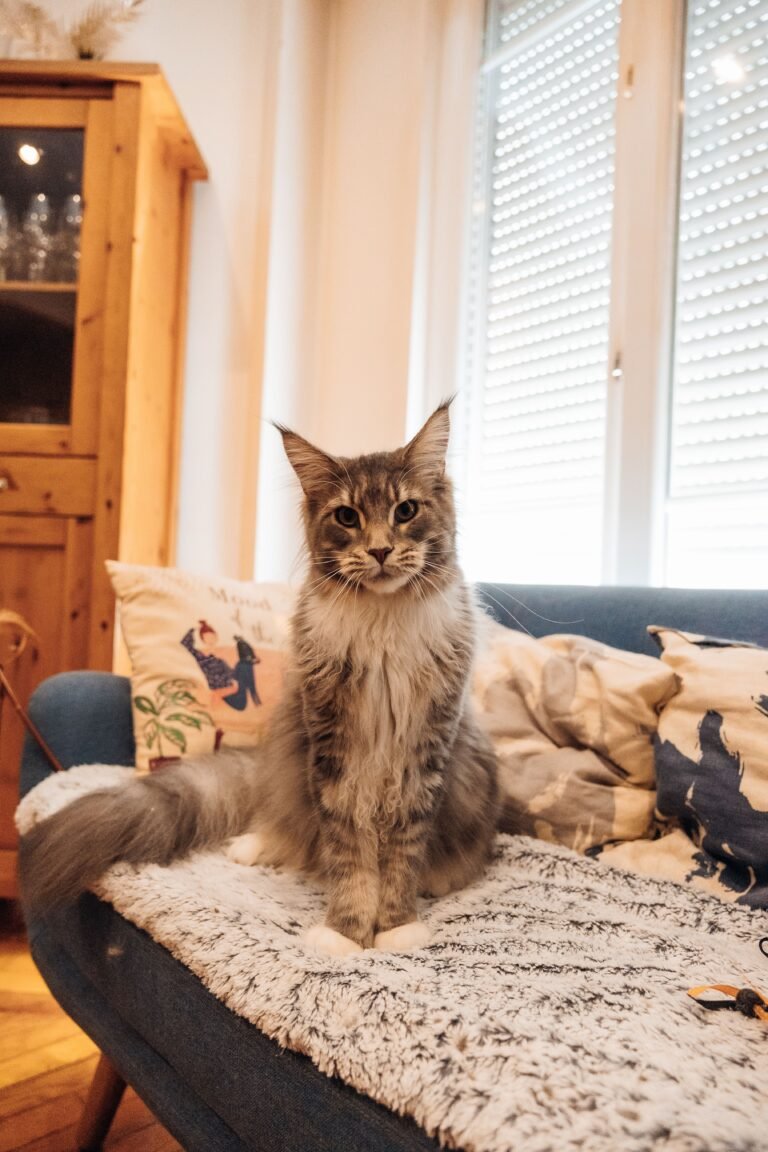
A fluffy long-haired cat sits on a blue sofa with a textured throw in a sunlit living room

How to manage cat shedding in an apartment is less about waiting for a season to end and more about a repeatable mix of coat care and small-home cleanup. Hair that would scatter across a house collects on a sofa, a throw, and the clothes you wear to work. This guide helps US and UK cat parents in flats and small homes match a brushing rhythm to coat type, keep furniture and laundry under control, and treat loose coat as a routine rather than a weekend emergency. You will learn coat-type basics, how brushing fits beside a dedicated how-to, what to do with furniture and textiles, and which sudden coat changes belong with a veterinarian. Hairballs are treated as a cleanup issue, not a treatment plan. The advice is general and practical, not a seven-day promise or a veterinary diagnosis. If you see sudden bald patches, intense itching, or skin sores, contact a veterinarian.

How to Care for Your Dog’s Paws After City Walks

A person walks a French Bulldog on a leash along a city sidewalk on an autumn day

Dog paw care after walks is a small habit that matters more when most of the outing happens on city sidewalks, not grass. Pavement, grit, winter salt, ice melt, and the odd piece of glass all collect on the pads and between the toes, then come home onto an apartment floor. This guide helps US and UK dog parents build a calm wipe-down routine, check paws without turning the hallway into a grooming salon, and decide when booties are useful and when they are just extra kit. You will also learn how city surfaces differ from a garden path, how cold-weather chemicals and hot pavement change the after-walk job, and which signs mean you should stop and contact a veterinarian—limping, bleeding, or deep cracks. This is general information, not a veterinary diagnosis and not a treatment plan. It is also not a nail-trim, bathing, or brushing guide; those are separate jobs.

How to Care for Your Cat’s Teeth at Home

Serene moment of a woman bonding with her cat in a stylish living room

How to care for your cat’s teeth at home is less about filling a cupboard with products and more about a short, calm habit your cat will actually allow. This guide helps US and UK cat parents in apartments and small homes introduce mouth handling, then a finger brush or a soft cat toothbrush, without turning the sofa into a wrestling mat. You will learn what home care can reasonably do, why dental treats are a helper rather than a cure, and which changes belong with a veterinarian instead of a new snack. The advice is general and practical, not a veterinary diagnosis, not a promise that brushing will prevent every problem, and not a clinic cleaning you can copy in the kitchen. Bad breath with drooling, a broken tooth, a refusal to eat, or bleeding gums should be checked by a veterinarian. Home care does not reverse dental disease.