

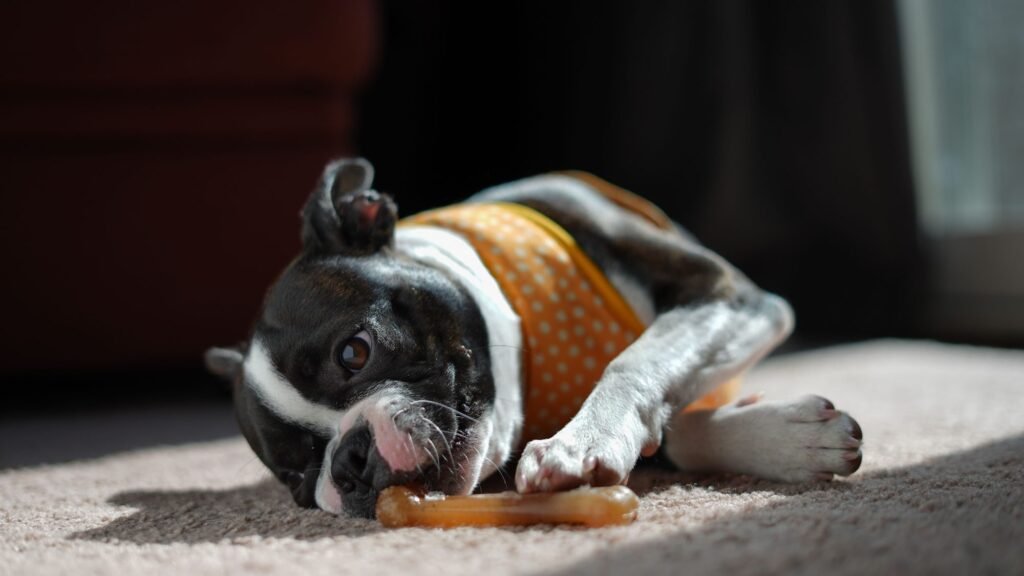
Some dogs nibble. Others treat every toy like a job they intend to finish. If you have an aggressive chewer, you have probably thrown away stuffing, squeakers, and shredded rubber more times than you care to count—and worried when a missing chunk could not be found.
No honest guide can name a toy that is truly indestructible for every dog. Jaws, persistence, and chewing style vary too much. What you can do is choose tougher, better-sized toys, supervise the first sessions, and retire anything that starts to fail.
This article is general education for dog parents. It is not veterinary diagnosis or advice, and it is not a substitute for a qualified trainer or veterinary behavior professional if chewing is sudden, compulsive, or paired with other signs of distress.
“Aggressive chewer” does not mean aggressive dog
In pet retail, “aggressive chewer” or “power chewer” describes intensity, not attitude toward people. Many of these dogs are affectionate family pets with strong jaws and a talent for disassembling anything with a seam.
Chewing is normal. Puppies explore and relieve teething discomfort with their mouths. Adult dogs chew to pass the time, soothe themselves, and engage their brains. A destroyed toy may mean boredom, too little exercise, anxiety, or a gifted problem-solver—not a difficult temperament. The shopping label is still useful, because a gentle-play plush will not last, and stuffing can be swallowed.
Safety comes before “indestructible”
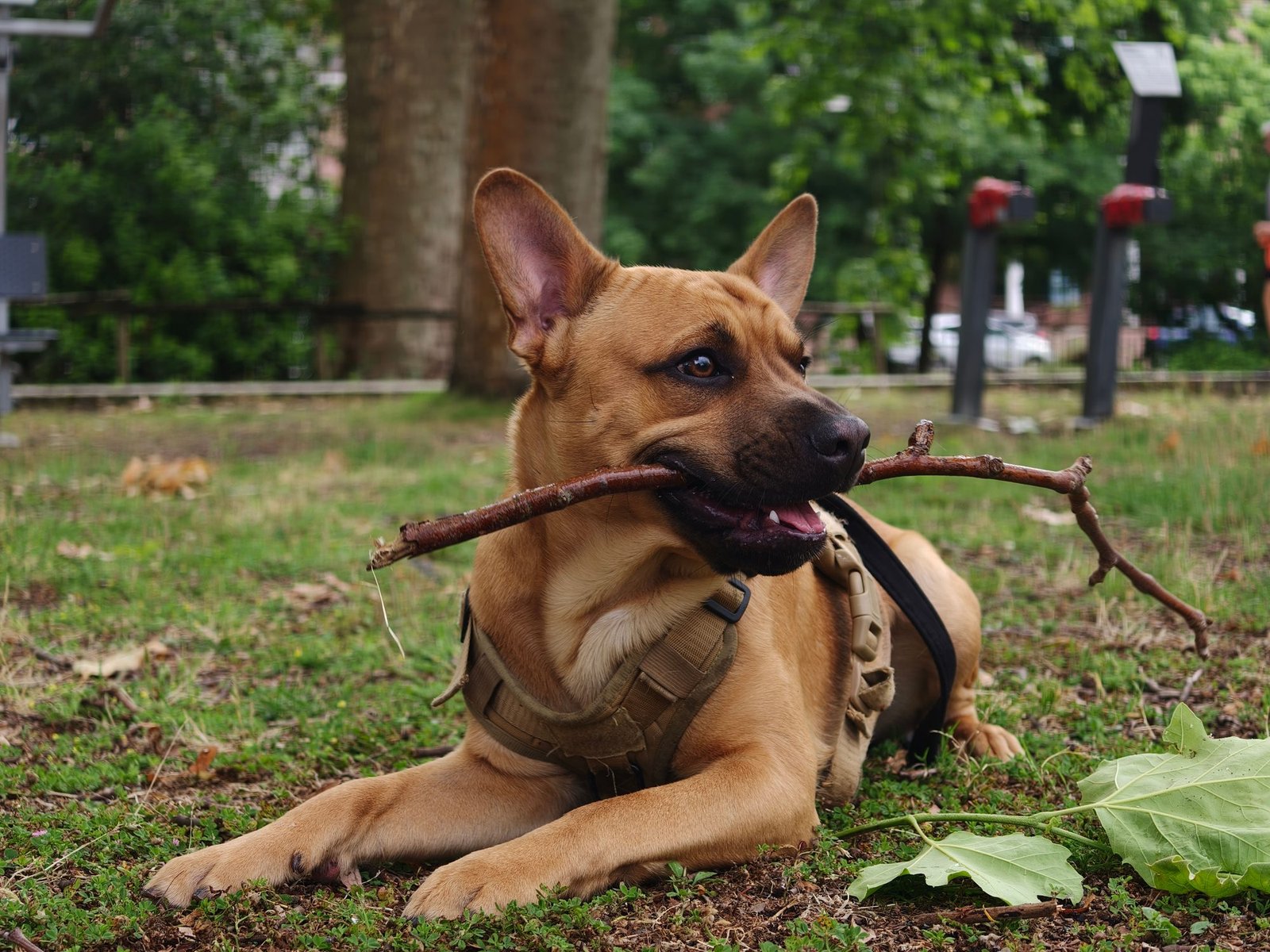
Any toy can break. Packaging that says “ultra tough” or “for power chewers” is a durability hint, not a guarantee. Supervise new toys until you know how your dog handles them. Three safety filters will take you further than any best-of list.
Size and swallow risk
Choose a toy larger than your dog’s mouth, with no piece that can disappear in one gulp. A toy that is “just small enough to get a better grip” is often the one that becomes a choking or blockage hazard. If you have more than one dog, size shared toys for the largest, most determined chewer.
Watch for detachable extras: glued-on eyes, cheap plastic caps, thin squeakers, and decorative bits. If it can be pried off, assume it will be.
The give test and tooth safety
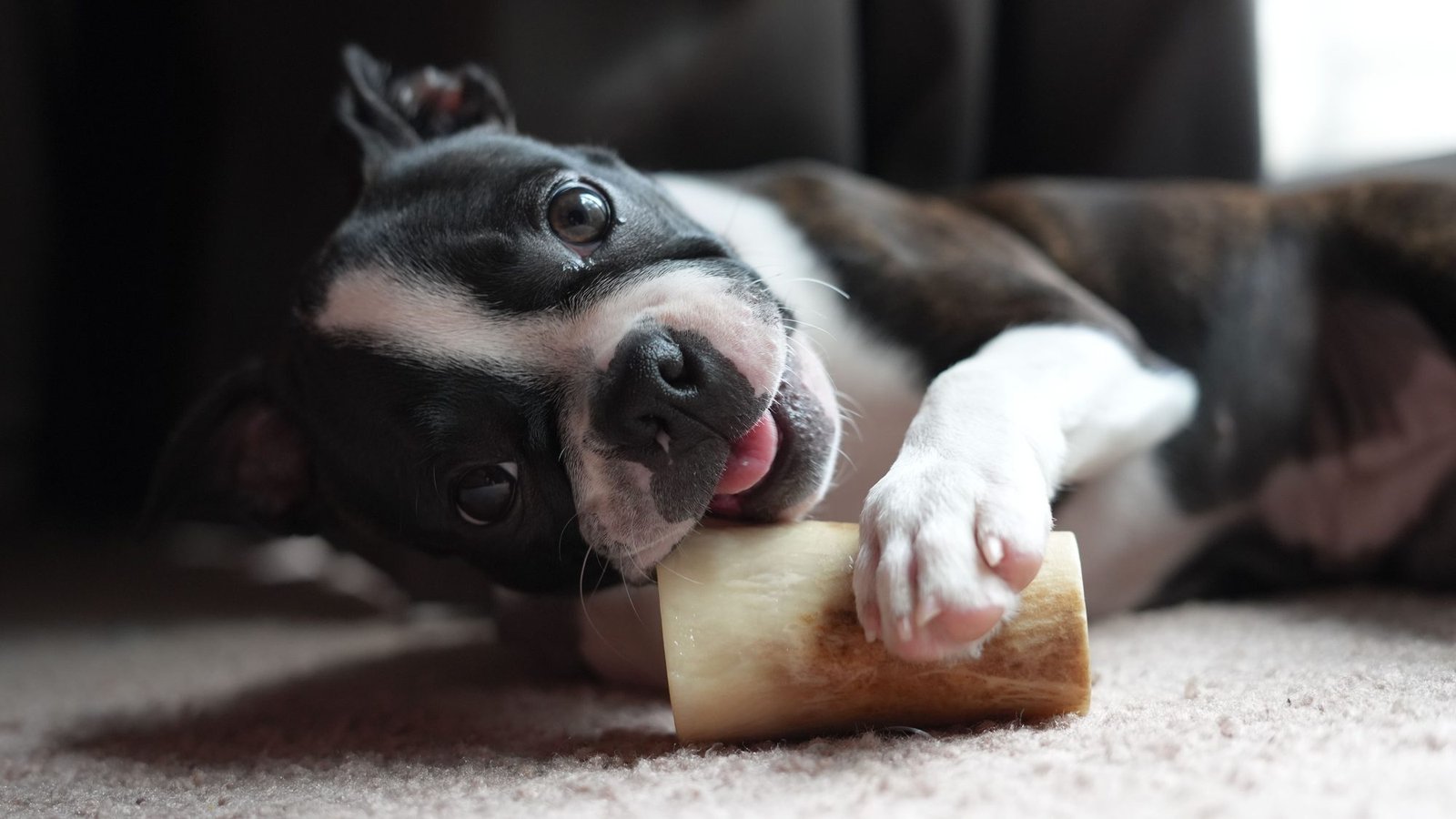
Harder is not always safer. Very rigid chews—including some nylon bones, antlers, hooves, and weight-bearing cooked bones—are a common concern in veterinary dentistry because they may not flex when a dog bites down. That rigidity can contribute to fractured teeth, especially the large chewing teeth along the side of the mouth.
A practical at-home check: the toy or chew should have a little give. If you cannot make a slight indent with a fingernail, or the object feels as unyielding as a stone, think carefully before offering it for heavy, unsupervised chewing. Flexible rubber often strikes a better balance than something rock-hard. Ask your veterinarian if you are unsure about a specific chew. Frozen toys can also become too rigid; if you freeze a rubber toy with food, let the outer surface soften slightly and supervise.
Know when to retire a toy
Inspect toys before each session. Deep punctures, missing chunks, frayed ropes with long loose threads, split seams, exposed squeakers, and pieces small enough to swallow are retirement signs. A scuffed surface is normal. A toy that has changed shape enough for your dog to grip a weak point is done.
If you cannot find a missing piece and your dog is gagging, vomiting, lethargic, unwilling to eat, or straining to defecate, contact a veterinarian promptly.
Match the toy to how your dog chews
Not every destructive chewer works the same way, which is why one neighbor’s “lasted two years” toy may last twenty minutes in your house.
- Grinders lean on a toy and wear it down with sustained pressure. They often do well with solid rubber toys that can flex and spring back.
- Shredders use their front teeth to peel, unzip, and flay. They love seams and may need simpler shapes, or interactive toys used only when you are watching.
- Gulpers try to swallow fragments. They need oversized toys, extra supervision, and a low tolerance for anything that starts to break into bits.
Watch one full chew session and name the style. Then shop for that behavior, not for the most intimidating product photo.
Toy types that often hold up better
A reputable maker, the right size, and your dog’s chew style matter more than a trophy label.
Solid rubber chew toys
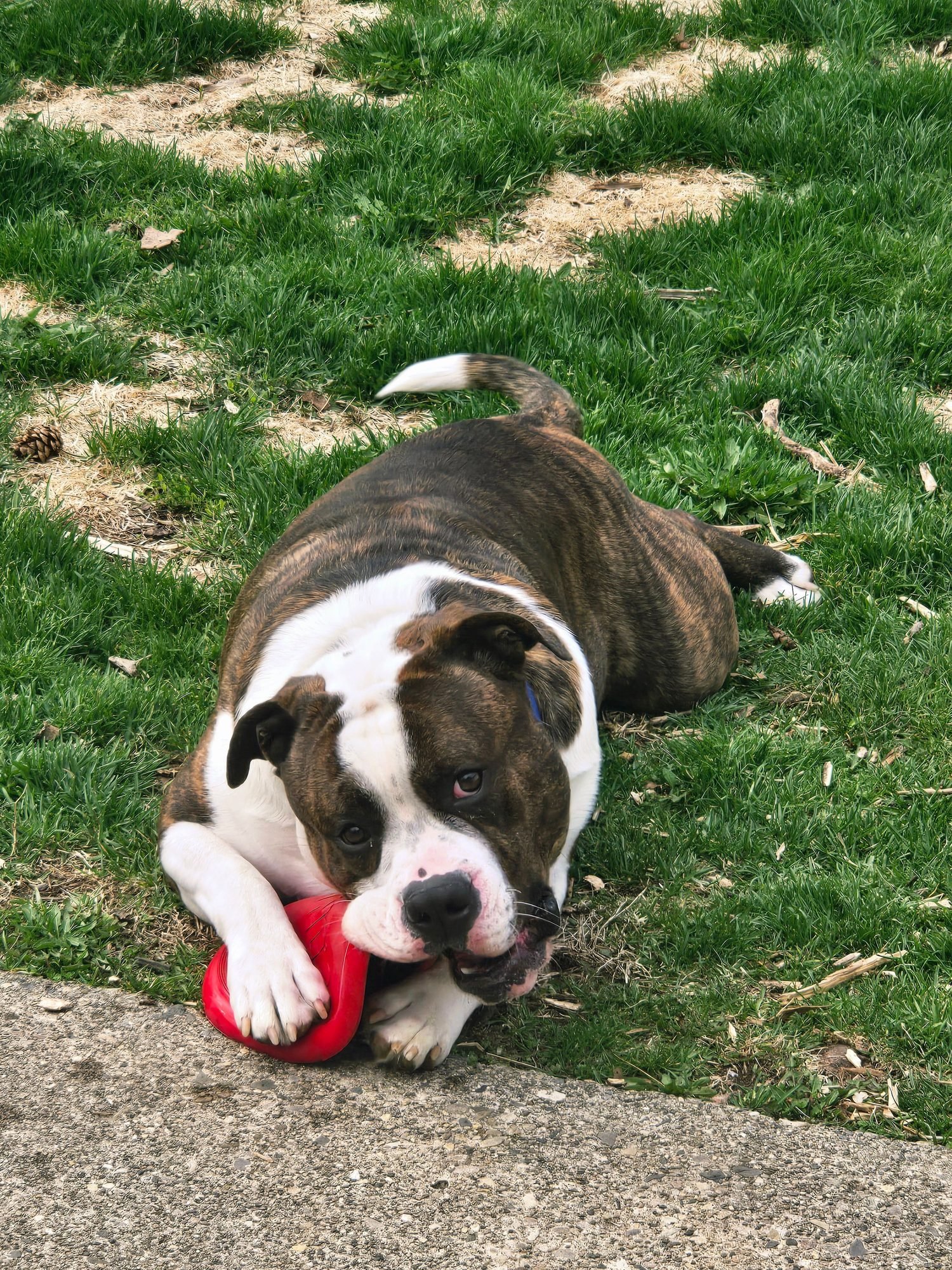
Thick, flexible rubber toys are a staple for many aggressive chewers. Look for a single, simple shape without thin fins or hollow walls that collapse and tear. A slightly larger size than you think you need usually lasts longer and is harder to swallow. These toys work well for independent chew time once you have seen your dog use them safely. Once a flap or hole appears, retire the toy; some dogs will peel damaged rubber like an orange.
Treat-dispensing puzzle toys
A sturdy treat-dispensing toy gives a power chewer a job: lick, nudge, and work food out of openings. Choose a model your dog cannot crack like a nut. If they can compress it enough to split, size up or pick a thicker design. A puzzle stuffed with a smear of wet food, mashed kibble, or a small amount of dog-safe spread lasts longer than a hollow toy left empty. Keep fillings inside your dog’s regular diet and calorie needs, and skip anything your vet has asked you to avoid.
Tough fabric and layered toys
Some dogs want the payoff of shaking and tearing. A minority of “tough” fabric toys—multiple layers, hidden inner bladders, reinforced seams—last longer than ordinary plush. For a dedicated shredder, they are still usually interactive toys, not all-day crate companions. If your dog’s joy is surgical disassembly, give them an outlet you control, such as an old towel during a supervised shred session. The point is to keep stuffing and small parts out of the stomach.
What usually fails fast—and can be risky
Standard plush toys, thin vinyl squeakers, and tennis balls are poor leave-alone choices for aggressive chewers. Tennis balls shred once the felt tears, and the fuzzy surface is abrasive enough that obsessive chewing can wear enamel over time.
Rawhide, cooked bones, antlers, hooves, and very hard nylon chews are popular because they last, which is exactly why they need caution. Lasting can also mean “this does not give when they bite.” Swallowed fragments add a blockage risk. If you use any edible chew, choose an appropriate size, supervise, and take it away when it becomes small enough to swallow.
Rope toys are great for a game of tug you are part of, and a poorer solo chew if your dog shreds fibers and swallows them. Long ingested threads can cause serious intestinal problems.
A simple at-home testing plan
Try this ten-to-twenty-minute test:
- Check the size against your dog’s mouth and look for weak points or tiny attachments.
- Offer the toy in a calm space and stay in the room.
- Watch how they bite: grinding, shredding, or trying to swallow.
- After the session, inspect for punctures, tears, and loose pieces.
- If the toy held up, try a second supervised session on another day before leaving the dog alone with it.
- Only then consider crate or alone-time use—and only if your dog has a history of safe, non-gulping chewing with that specific toy.
If your dog ignores rubber but shreds fabric, add value to the durable toy with a smear of food or a short tug-and-trade game, and save fabric play for together time.
Puppies, adults, and seniors need different rules
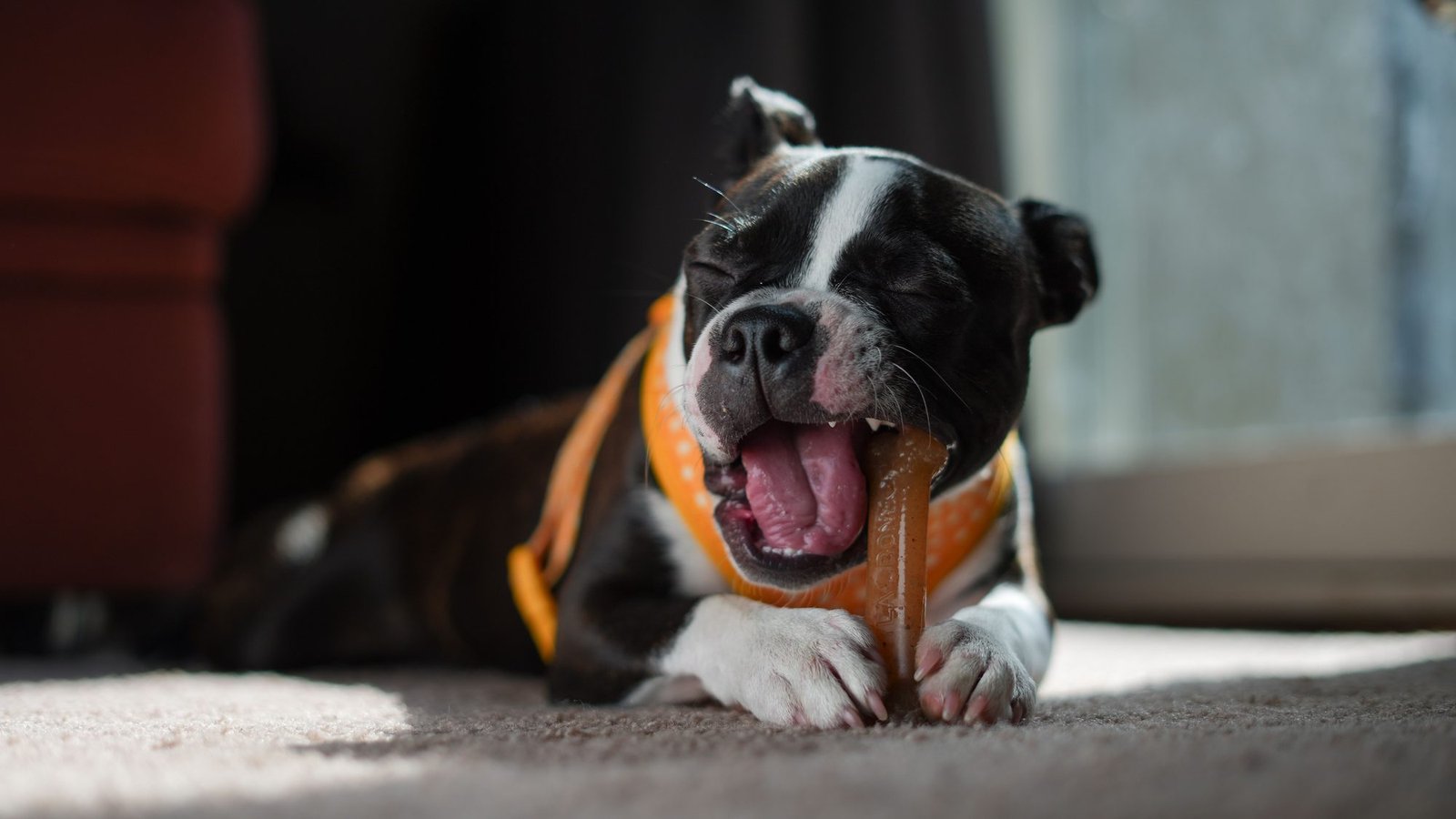
Puppy teeth are not miniature adult teeth. Teething puppies need softer rubber toys, supervised cooled (not rock-hard) options, and a consistent “this is yours, that is the furniture” routine. Many extra-hard adult chews are inappropriate for puppy mouths.
Adolescent dogs often go through a second, more powerful chewing phase as jaws mature. This is when exercise, training, and practice settling matter as much as a new toy strategy.
Senior dogs may have worn teeth, prior fractures, or sore gums. A toy that was fine at age three can be too harsh at age twelve. If your older dog suddenly stops chewing favorites, has bad breath, drops food, or yelps when mouthing a toy, book a veterinary dental check.
When chewing is more than a toy problem
Toys cannot fix every reason a dog destroys things. A dog who only shreds items when you leave may be bored, under-stimulated, or showing separation-related distress. A sudden change in chewing—especially with house soiling, restlessness, or loss of appetite—deserves a veterinary exam. Puppies also need management: baby gates, a house leash, and a chew offered the moment teeth touch the chair leg.
Reduce improvised chewing with walks, play, short training games, sniffing time, food puzzles, and a rotation of two or three safe toys.
If chewing is frantic, self-injuring, or paired with panic when you pick up your keys, ask your veterinarian about a certified trainer or veterinary behavior professional.
Care, rotation, and buying without the hype
Wash rubber and hard plastic toys with warm soapy water and rinse well. Dirt packed into punctures is a reason to retire a toy even if it has not yet broken apart.
Shop by your dog’s weight range and chew style, not by the most dramatic review photo. Read the maker’s cautions; they often say “supervise” and “no toy is indestructible.” Buy from sellers you can contact if a product fails unsafely, and avoid no-name toys that shed dye or smell strongly of chemicals.
Judge cost by how many weeks of safe use you get: a moderate-cost rubber toy that lasts two months beats a cheap three-pack you replace every weekend, or an expensive rock-hard chew you are afraid to use.
The bottom line
The best toys for aggressive chewers are the ones that match your dog’s mouth, chewing style, and need for a job—and that you are willing to inspect and replace. Favor flexible, well-sized rubber and sturdy food puzzles for much of solo chew time. Keep shreddable and rope toys for play you can watch. Be skeptical of anything marketed as indestructible, and be cautious with rock-hard chews that may last because they do not give.
You will still throw toys away. That is part of living with a dedicated chewer. The win is a dog who has a legal outlet for that instinct and a much lower chance that a fun afternoon turns into a swallowed-toy emergency.
FAQ
What does “aggressive chewer” mean?
It usually means a dog who chews hard, fast, and thoroughly—not a dog who is aggressive toward people or other animals. Retailers also say “power chewer.” The useful part of the label is practical: this dog needs tougher, simpler, well-sized toys and more supervision than a gentle nibbler.
Are any dog toys truly indestructible?
No, and honest manufacturers often say so. A toy that survives one dog for years can fail in minutes with another. Treat “indestructible” as marketing, not a safety rating. Choose the toughest option that still has some flexibility, supervise new toys, and retire them at the first unsafe tear.
Why do veterinarians warn about antlers, nylon bones, and similar hard chews?
Because a chew that never seems to wear down may also not flex when your dog bites. Veterinary dentists often worry that very hard objects can fracture teeth. Lasting a long time is only a virtue if the chew is still appropriate for the mouth using it. If you are unsure about a specific chew, bring it to your vet and ask.
How do I know when to throw a toy away?
Retire it if you see deep punctures, missing chunks, an exposed squeaker, frayed cords or threads, a seam opening, or any piece small enough to swallow. When in doubt, throw it out. A ruined toy is cheaper than a blockage or a broken tooth.
My puppy destroys every toy. Is that normal?
It can be, especially during teething and adolescence, but “normal” does not mean “ignore it.” Puppies need legal chew outlets, management so furniture is not the default option, and toys that are not too hard for young teeth. If the chewing seems frantic, is paired with distress when you leave, or includes swallowing pieces, talk with your veterinarian about next steps.
[…] Best Toys For Aggressive Chewers — choosing tougher, safer chews if you offer something to occupy a crated dog […]
[…] legal outlets, and short supervised practice. It is not a buying guide for tough toys; that is best toys for aggressive chewers. For food puzzles or quieter options in a building with thin walls, see best puzzle toys for dogs […]