

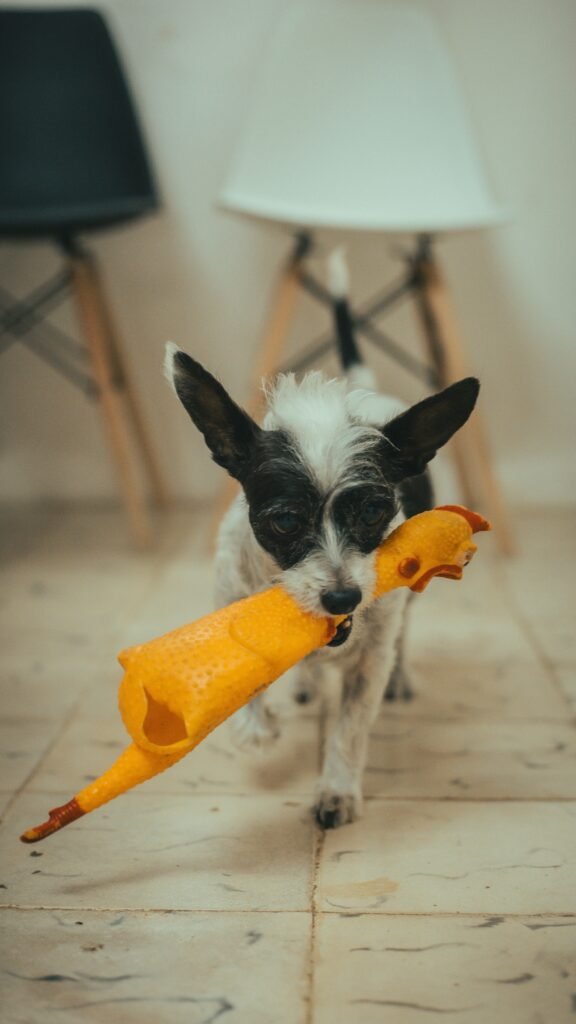
If you are searching for the best puzzle toys for dogs, you may be hoping for a quiet indoor hour that is not just another circuit of the sofa. That is a fair hope, especially in an apartment on a wet afternoon. It is also where puzzle toys get asked to do too much: replace a walk, or occupy a dog for a full workday.
A useful mindset is this: a puzzle is a short job for the brain and the nose, not a babysitter. The best one is the one your dog can use, you can supervise, and you can clean, at a difficulty that feels like a stretch rather than a locked safe. There is no single winner, because a gentle forager and a determined chewer are not shopping for the same object.
This is general information for dog parents in the US and UK, not a product test and not a promise that any toy will tire a dog for a set number of hours. Supervise new toys, inspect them often, and contact your veterinarian if your dog swallows a piece, cracks a tooth, or has stomach upset after a change in how they eat. A trainer can help if food puzzles raise guarding or frustration.
What a puzzle toy is actually for
A puzzle toy asks the dog to sniff, paw, nudge, lick, or move a part of the toy to get to food or a scent. That is different from a squeaky toy, a tug, or a ball, though those have their place on indoor days too. The puzzle’s job is to slow a meal, give the dog a legal problem to solve, and turn a handful of kibble or treats into a longer activity than a bowl that is empty in thirty seconds.
Common styles include:
- Foraging mats or snuffle-style toys, where food is hidden in fabric or folds and the dog uses their nose.
- Treat-dispensing balls or wobble toys, which release food as they roll or tip.
- Boards and trays with sliders, flaps, or compartments, which the dog has to open in sequence.
- Lick-based toys or mats, often used with a wet food smear or a frozen layer, which slow eating and can help some dogs settle.
- Stuffable chews, which combine a longer chew with hidden food, and need a careful match to the dog’s jaw strength.
You do not need one of each. In a small home, two or three styles you rotate will usually do more than a drawer of gadgets your dog has already solved. Match the style to the dog: a nose-driven dog may love a snuffle mat, while a dog who shreds fabric may need a harder dispenser used only when you are in the room.
A puzzle is also not a substitute for [time spent walking and sniffing outdoors](/how-often-should-you-walk-your-dog/). Indoor mental work can take the edge off a rainy day. It cannot replace toilet access, social exposure, or the physical movement most dogs still need.
Match the puzzle to the dog in front of you
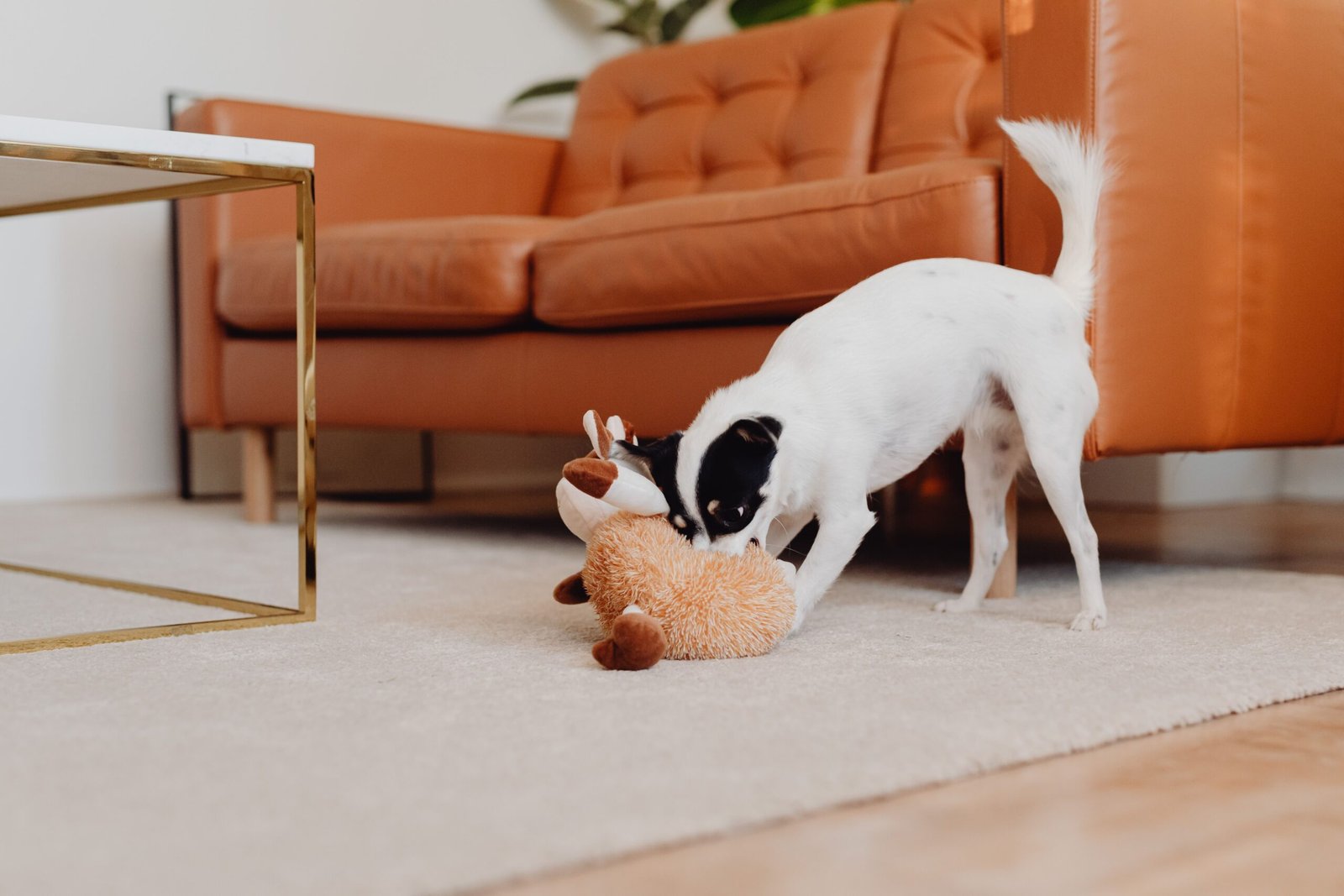
Difficulty is the first thing to get right, and it is the thing many “advanced” toys get wrong. If a dog cannot get any food out, they may give up or try to destroy the toy. If every compartment flies open in ten seconds, they learn very little. Start easier than you think, let the dog win, and raise the difficulty only when the current level looks almost too simple.
Size and stability matter in a flat. A tiny puzzle that slides under the sofa, or a hard board that slams across a wood floor at 6 a.m., will not be used for long. Choose something your dog can stand over comfortably, with a non-slip base if possible, and a volume of food that matches a snack or part of a meal rather than a day’s rations.
Chewing style is a safety question, not a personality insult. A gentle dog may do well with fabric foraging toys. A dog who dismantles plush in minutes needs a more durable dispenser, and even then only with supervision. If you already struggle to find toys that survive, start with the durability advice in [best toys for aggressive chewers](/best-toys-for-aggressive-chewers/) and treat fabric puzzles as sit-down activities, not as something left on the rug.
Think about the food you will put inside as carefully as the toy itself. Dry kibble is easy to portion and clean. Soft treats can smear and spoil. Wet food or mashed food on a lick mat should be used promptly, or frozen if the design is meant for that, and the toy should be washed afterward. Rich fillings are still food. They are not a free extra because they came out of a puzzle rather than a bowl.
How to use puzzles on a real indoor day
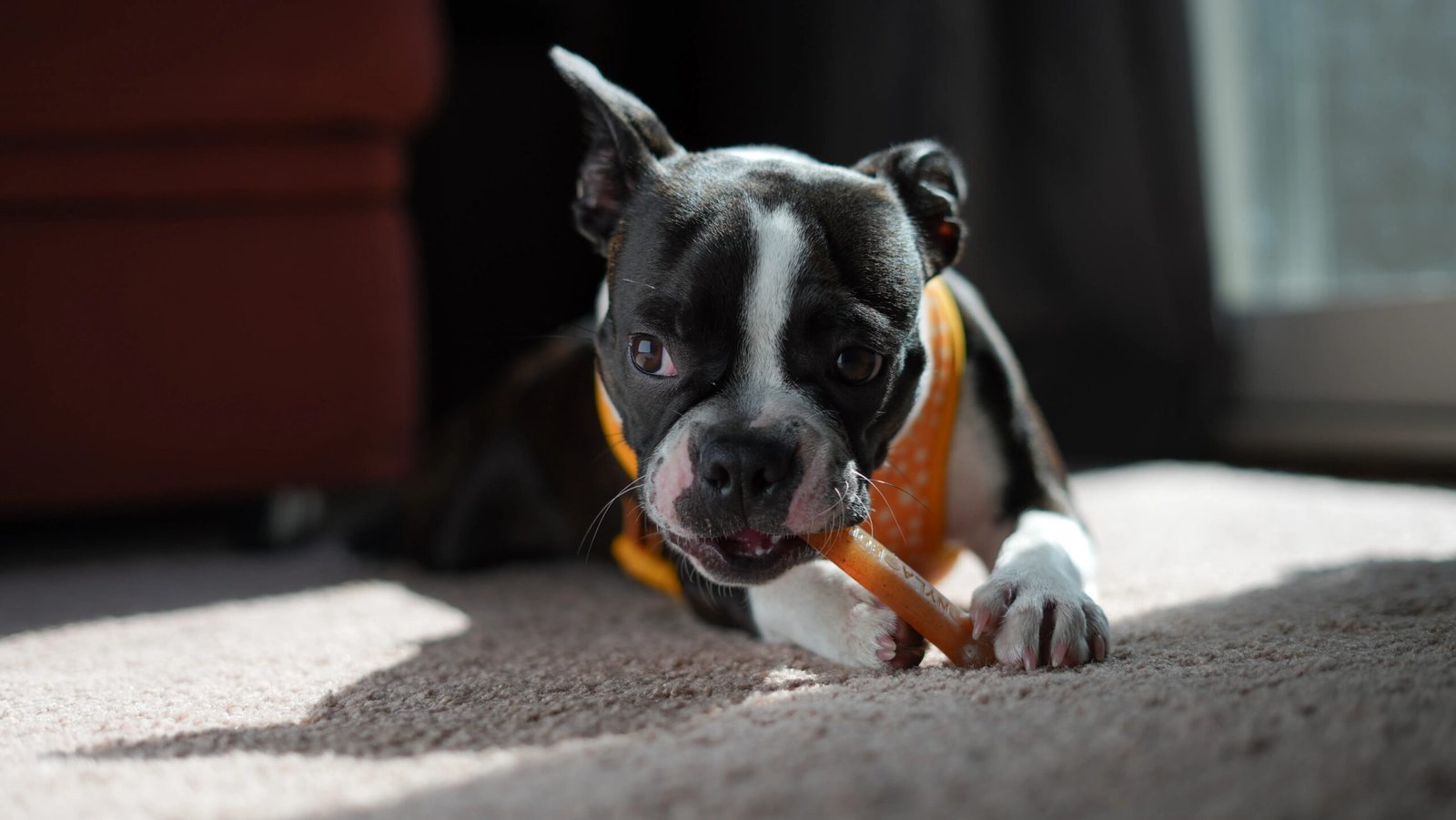
Introduce a new puzzle when the dog is calm enough to think, not when they are already over the top. Show them that food is involved. For a board or dispenser, leave a few pieces in easy reach on the first try so the toy pays quickly. For a snuffle-style toy, start with food near the surface rather than buried in the most difficult fold.
Keep early sessions short. Ten or fifteen minutes of genuine problem-solving can be plenty. End while the dog is still interested, pick the toy up, and offer water and a chance to rest. A puzzle that lasts an hour on day one is not automatically better; it may have been too hard, or filled with too much food.
Rotate toys so they stay interesting. Many dogs work hard at a new puzzle for a few days and then lose interest once they have the trick. That is normal. Put it away, bring out a different style, and return to the first one later.
Use puzzles as part of a weekday shape, not as a guilt payment after a short toilet trip. A morning walk, a midday puzzle made from part of lunch, and an evening outing is a kinder pattern than eight hours alone with a toy and a hope. If you work away from home, a puzzle is a poor stand-in for a break, and it should not be left with a dog who might break and swallow it.
In an apartment, think about noise and floors. A rolling dispenser on bare boards can be a neighbor problem. A mat, a rug, or a wobble toy used on a towel can keep the peace. Pick up loose kibble when the session ends so you are not training a second, unofficial foraging game behind the bookcase.
Safety, calories, and when to put the toy away
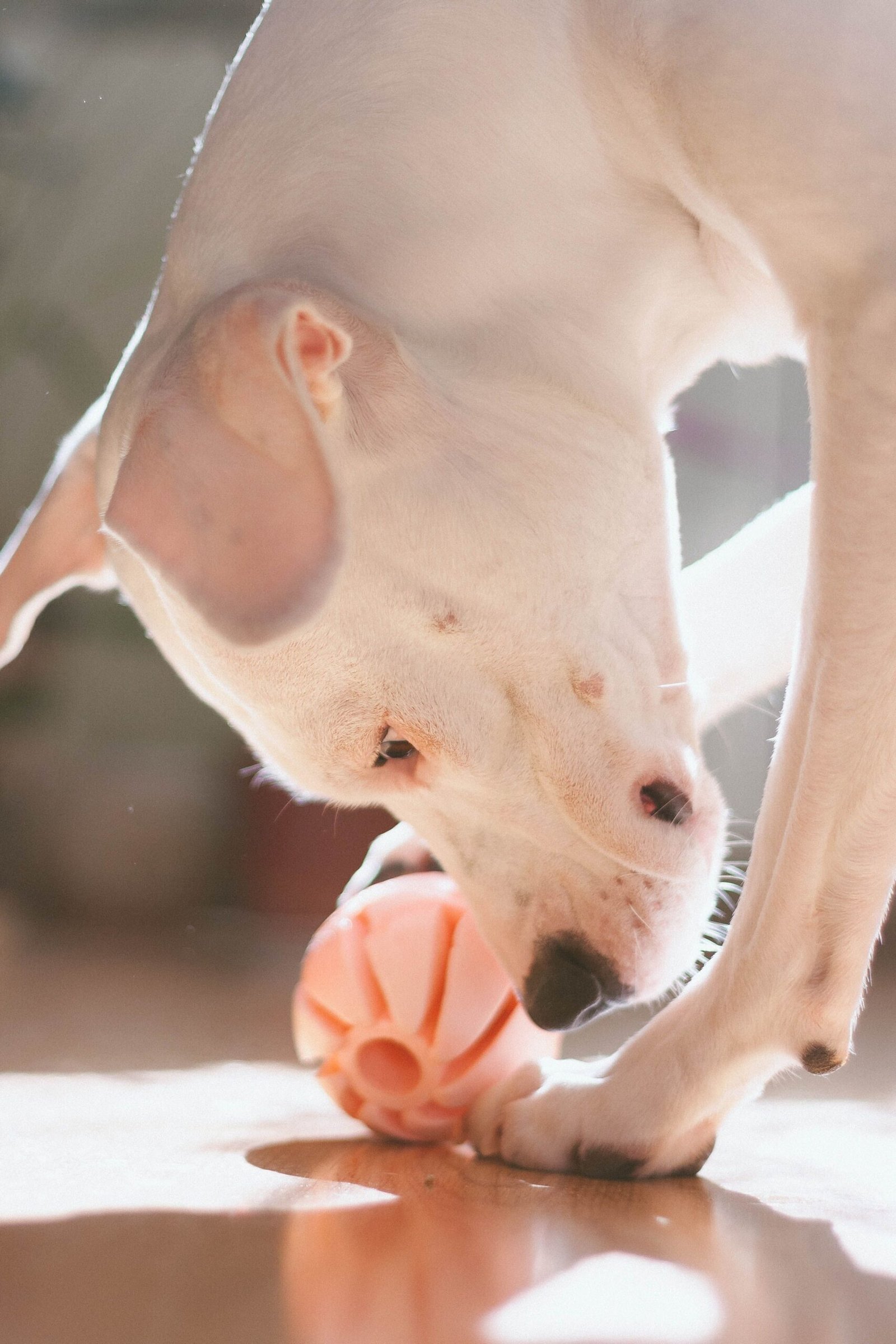
Inspect toys the way you would inspect a chew. Look for cracked plastic, loose parts, ripped fabric, and chewed-off corners. If the dog can get a piece off, the toy has moved from “puzzle” to “risk.” Throw damaged toys away, or at least take them out of rotation. No indoor enrichment plan is worth an emergency veterinary visit.
Supervise until you know how your dog uses a particular toy. Some dogs lick patiently. Some try to bite the toy open. Some guard it from housemates or from you. Guarding is a reason to get skilled help, not a reason to add a second, more valuable filling and hope the mood improves. In a multi-pet home, separate the animals during food puzzles.
Calories are the other quiet risk. A puzzle stuffed with dense treats can be an extra meal. Count the food you put inside as part of the day’s total, and if you use the puzzle to feed breakfast or supper, subtract that amount from the bowl. [How much you should feed your dog](/how-much-should-i-feed-my-dog/) is the right companion here, especially if your dog is already on a weight plan. Frozen lick mats and rich spreads are still calories, even when they take twenty minutes to finish.
Wash toys that hold food. Moisture, fat, and fabric are a good recipe for an unpleasant smell and a worse stomach. Follow the maker’s cleaning advice, and do not leave a wet mat rolled up in a cupboard. If a toy cannot be cleaned properly, it is a poor choice for daily meals.
Put the toy away when the food is gone, when the dog is frustrated, or when you cannot watch. A finished puzzle left on the floor often becomes a chew toy, which is how durable-looking plastic loses a corner.
Rest after the work, and a calm way to start
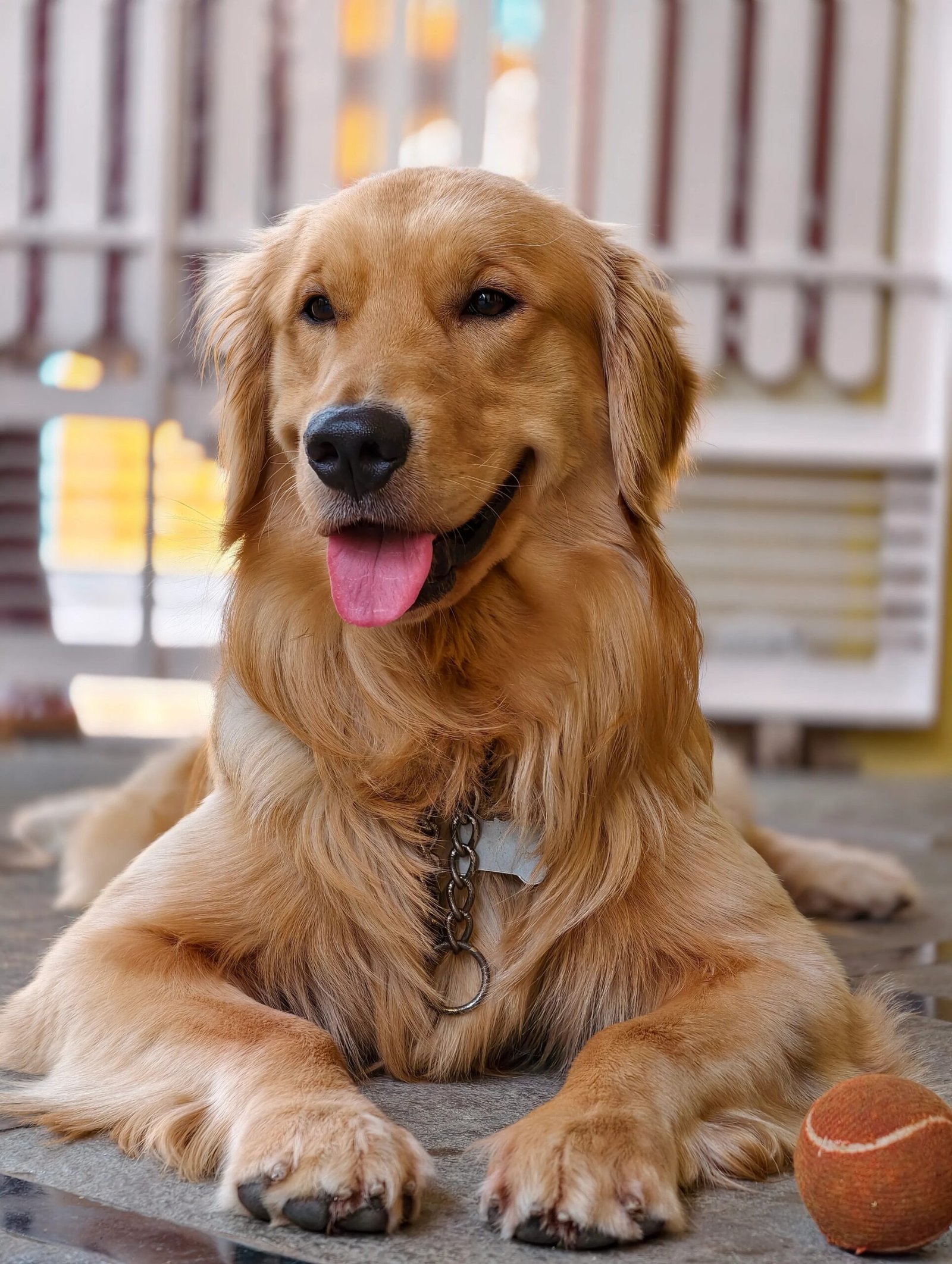
Mental work can tire a dog, and it can also wind a dog up. After a puzzle, offer water and a quiet place to lie down. A [comfortable apartment-friendly bed](/best-dog-beds-for-apartments/) in a low-traffic corner makes that easier. Not every idle moment needs a new job. Dogs also need plain rest, especially in a small home where the toy, the door, and the window are all in the same room.
If your dog gets giddy or noisy during puzzles, shorten the session, make the puzzle easier, or use it after a walk rather than before. If they seem stressed—pacing, walking away, snapping at the toy—go back to a simpler style. Frustration is information, not a reason to buy a harder level.
A calm starting plan looks like this:
- Choose one easy puzzle style that fits your dog’s chew habits and your floor plan, not the most complicated board on the shelf.
- Fill it with a measured portion of ordinary food or tiny training treats, counted as part of the day’s calories.
- Let the dog win quickly on the first tries, then raise the difficulty only when they look confident.
- Supervise, inspect for damage, and wash anything that holds food.
- Keep sessions short, rotate toys so they stay interesting, and put the puzzle away when it is finished.
- Keep walks and rest in the day; a puzzle is mental work, not a full substitute for going out.
- Contact your veterinarian if a piece is swallowed or if eating patterns change, and ask a trainer for help if the toy creates guarding or distress.
The best puzzle toys for dogs are the ones that turn a little food into a legal indoor job, then end before anyone is frustrated or full. You do not need a cabinet of gadgets or a promise of an hour’s silence. You need a toy your dog can solve, a portion you have already counted, and a place to rest when the work is done. If chewing, swallowing, or mealtime behavior worries you, ask your veterinarian or a qualified trainer for help.
FAQ
How long should a dog use a puzzle toy?
There is no honest single duration. Many dogs do well with short sessions of about ten to twenty minutes, especially when they are learning a new toy. A puzzle that takes much longer may be too difficult, overfilled, or left out after the food is gone. Watch your dog more than the clock. Ending while they are still successful is better than waiting until they get bored or try to break the toy open.
Can a puzzle toy replace a walk on a busy or rainy day?
It can help take the edge off, but it should not be the only plan. Dogs still need toilet access, and most still benefit from some outdoor sniffing and movement. On a genuinely bad-weather day, a puzzle plus a short, safe outing is usually kinder than no outing at all. If indoor days become the norm, look at the whole week rather than asking one toy to carry it.
Are puzzle toys safe to leave with a dog when I go to work?
Not unless you already know, from supervised use, that your dog cannot break the toy and swallow pieces. Many puzzles are meant to be used while you are nearby, especially fabric mats, boards with small parts, and anything a strong chewer could crack. A toy left for eight hours can also hold spoiled food. If you need midday help, a break from a person is more reliable than an unsupervised gadget.
My dog gets frustrated and gives up. What should I do?
Make the puzzle easier. Leave more food in obvious places, choose a simpler style, or use a higher-value filling in tiny amounts so the toy pays quickly. Practice when your dog is hungry enough to care but not so hungry they become frantic. If frustration turns into barking, snapping, or guarding, stop the session and ask a qualified trainer for help. A harder “next level” is the wrong next step.
Do I have to buy an expensive puzzle, or can I make indoor mental work myself?
You do not have to spend a lot. A snuffle-style forage can be as simple as scattering a measured portion of kibble in a towel you then loosely fold, as long as you supervise and your dog does not eat fabric. A muffin tin with balls over the wells, or a box with paper and a few pieces of food, can also work for some dogs. Shop-bought puzzles are mainly about durability, cleanability, and a clearer difficulty curve. Whatever you use, count the food, inspect for damage, and skip homemade setups that involve unsafe objects or foods.
[…] parts, sliding lids, or harder difficulty levels. If you want that kind of structured mental work, best puzzle toys for dogs is the better place to compare types. A lick mat or a snuffle forage is usually simpler, quieter, […]