
AdvertisementReserved · below header

Category Dog Guides

How to Stop a Dog from Jumping on Guests in an Apartment

A small white and tan dog sits calmly beside a glass interior door in a warmly lit home

How to stop a dog from jumping on guests in an apartment is less about a scolding at the threshold and more about a greeting plan that fits a tight hallway. Without a porch or a spare room, the doorbell, the door swing, and your visitor all happen in a few crowded feet. This guide helps US and UK dog parents in flats and small homes use a leash at the door, teach four paws on the floor, give guests a clear job, and practice in short sessions before a real visit. You will also see how this plan differs from a barking plan, a settle or place cue, crate training, and leaving a dog home alone. The advice is general and practical, not a promise that jumping will end forever and not a veterinary diagnosis. If jumping is new, paired with snapping, or hard to interrupt, contact a veterinarian or a qualified trainer.
How to Teach a Dog to Settle in a Small Apartment

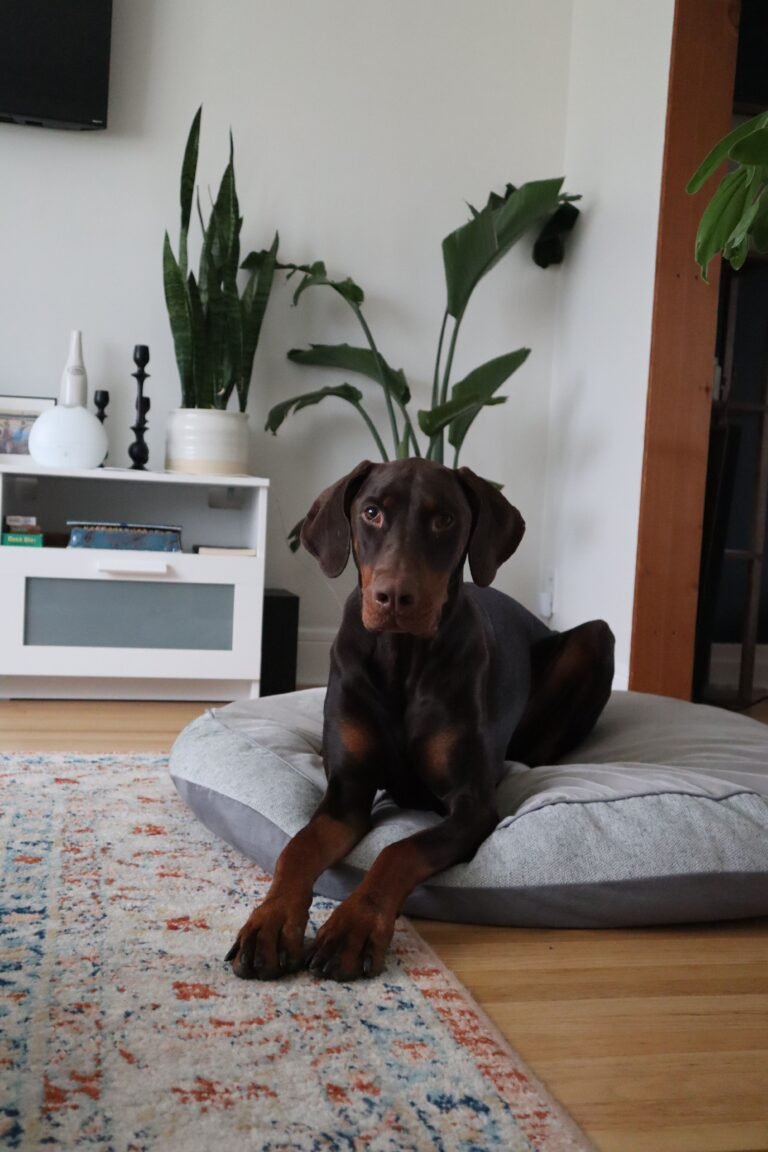
A Doberman Pinscher lounges on a pet bed in a stylish living room

How to teach a dog to settle in a small apartment is less about one long “stay” and more about a place or mat your dog can use in the room you actually share. Without a spare room or a yard, tight floor plans, guests, and evening downtime all happen a few feet from the same sofa. This guide helps US and UK dog parents in flats and small homes teach a calm “place” skill in short sessions, reward stillness rather than the first sit, and know when to pause. You will learn how a settle differs from tiring a high-energy dog out, from crate training, from being left home alone, and from a barking plan. The advice is general and practical, not a cure for anxiety and not a veterinary diagnosis. If restlessness is new, or behavior changes suddenly, contact a veterinarian or a qualified trainer.

How to Tire Out a High-Energy Dog in a Small Apartment

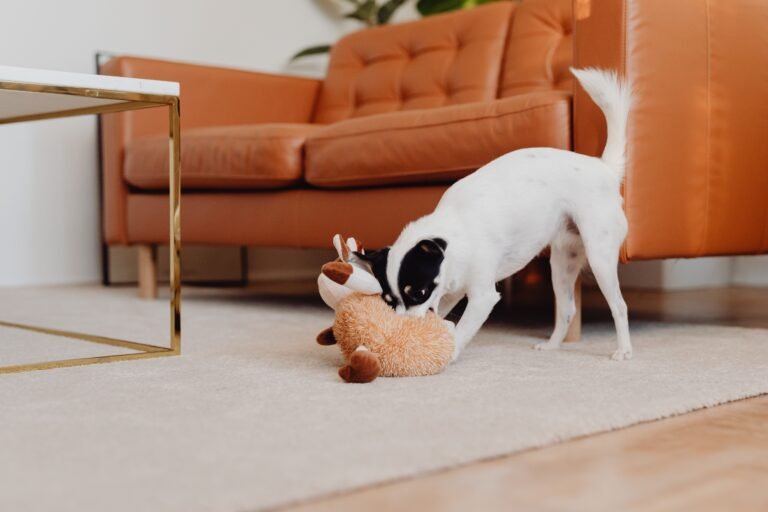
Small dog playing with a plush toy in a modern living room with a leather sofa

How to tire out a high-energy dog in a small apartment is less about one heroic walk and more about stacking indoor outlets with a walk structure you can actually repeat. Without a yard, energy still has to go somewhere: sniff work, short training bursts, puzzle toys, hallway and stair rules, and outdoor time that is not only a forced march. This guide helps US and UK dog parents in flats and small homes build a calmer day for a busy dog. You will learn what “tired out” can honestly mean, how to use mental work indoors, how to keep shared corridors civil, and how to shape walks without making them the only plan. The advice is general and practical, not a seven-day calm promise or a veterinary diagnosis. If restless pacing is new, or behavior changes suddenly, contact a veterinarian or a qualified trainer.
How to Teach Loose-Leash Walking on City Sidewalks

Woman in urban attire walking a dog across a zebra crossing with historic architecture in the background

Teaching loose-leash walking on city sidewalks is less about a stricter correction and more about short, repeatable sessions that fit a real pavement: scooters, food smells, crossings, and neighbors with grocery bags. This guide helps US and UK dog parents in apartments and small homes build a calmer sidewalk habit with treat timing, a clear plan for when to stop and reset, and expectations that stay honest. You will learn how to start closer to home than a full neighborhood loop, how to reward a slack leash in the moment it happens, and how to end a session before your dog practices a long pull. A well-fitted harness can make the work more comfortable, but gear is not the whole method. The advice is general and practical, not a training guarantee or a veterinary diagnosis. If your dog suddenly refuses to walk, yelps, or seems painful, contact your veterinarian.

How to Crate Train a Dog in an Apartment (A Calm, Step-by-Step Plan)

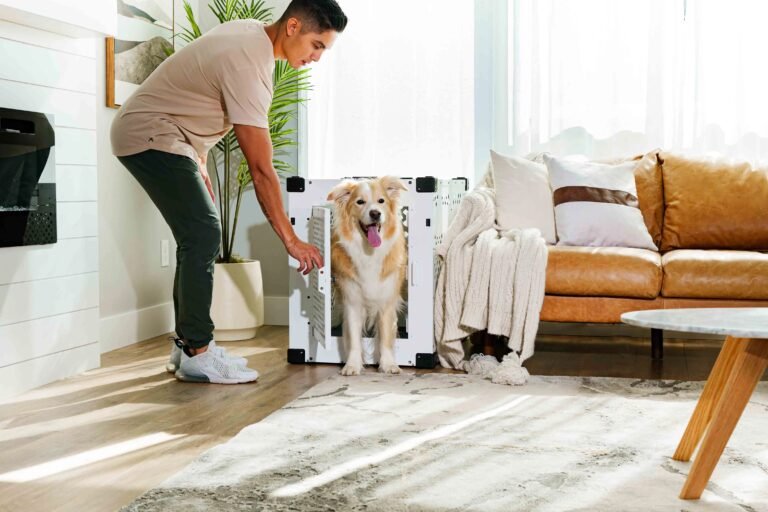
Man placing a dog into a modern white dog crate in a warm, sunlit living room

Crate training a dog in an apartment is less about buying a box and more about teaching a rest habit your neighbors, your floor plan, and your dog can live with. This calm, step-by-step plan helps US and UK dog parents in flats and small homes introduce a crate without force, keep early sessions short, and notice when to pause. You will learn how to set the crate up as a rest spot rather than a timeout, close the door in gradual steps, and handle thin walls and workday limits. A crate can support naps, short absences, and a clearer routine. It cannot replace walks, toilet access, or company, and it will not fix every chewing or barking problem. The advice is general and practical, not a training guarantee or a veterinary diagnosis. If your dog panics, injures themselves, or cannot settle, contact a veterinarian or a qualified trainer.
How to Leave a Dog Home Alone in an Apartment (Calm, Practical Steps)

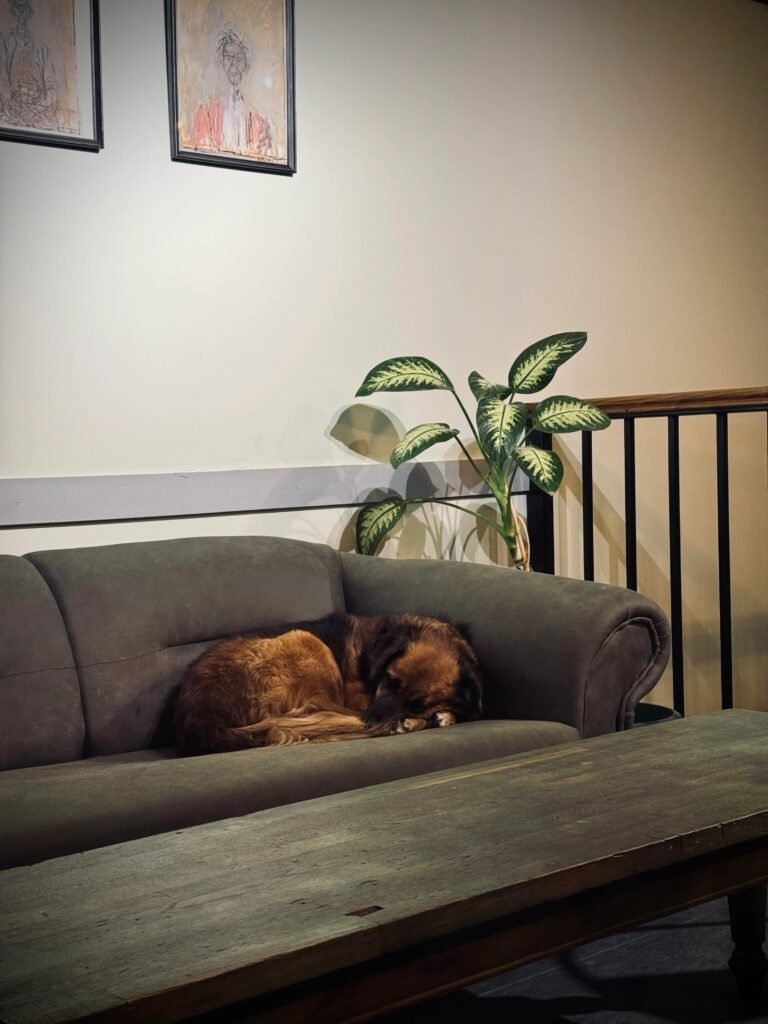
A dog sleeping on a sofa in a cozy living room beside a houseplant

Leaving a dog home alone in an apartment is less about a perfect number of hours and more about a day your dog can actually handle: a safe space, a boring goodbye, enough movement before you go, and an honest look at what happens after the door closes. This guide helps US and UK dog parents in flats and small homes build a calm leave-alone plan, set up a room that stays safe without you, and tell the difference between a short protest and real distress. You will learn how to stretch time gradually, what to do with walks, toilets, chews, and cameras, and when to ask a veterinarian or trainer for help. The advice is general and practical rather than a training guarantee or a veterinary diagnosis. If your dog panics, destroys things, toilets when left, or cannot settle after you go, get skilled help rather than simply lengthening the workday.

How to Stop a Dog from Barking in an Apartment (Calm, Practical Steps)

Siberian Husky howling indoors near a window in a home interior

Dog barking in an apartment is often less about a stubborn personality and more about thin walls, busy hallways, windows that face the street, and a dog who has not been given a quieter job to do. This guide helps US and UK dog parents in flats and small homes work out why the barking happens, reduce the triggers they can actually change, and teach a calmer pattern without shouting matches in the corridor. You will find practical steps for window and door alerts, barking when you leave, restless evenings, and the kind of daily outlets that make quiet more realistic. The advice is general and practical rather than a training guarantee or a veterinary diagnosis. If barking starts suddenly, sounds painful, or comes with signs your dog is unwell, contact your veterinarian.

Puppy Potty Training in an Apartment: A Calm Schedule That Works

Adorable puppy wearing a striped shirt sitting on a bed in a cozy room

Puppy potty training in an apartment is less about finding a magic cue and more about matching a small bladder to stairs, elevators, and a workday you can actually repeat. This guide helps US and UK puppy parents in flats and small homes build a calm outdoor schedule, set up indoor spaces that prevent accidents, and run potty trips that are short, predictable, and kind. You will learn a practical starting rhythm by age, how to use a crate or pen as a rest tool rather than a punishment, what to do at night and in bad weather, and how to handle indoor pads without turning them into a permanent second toilet. Accidents are treated as information, not failure. The advice is general and practical rather than a training guarantee or a veterinary diagnosis. If your puppy strains, passes blood, drinks excessively, or suddenly loses house training after doing well, contact your veterinarian.

How Often Should You Walk Your Dog? A Practical Schedule That Fits Real Life

German Shepherd dog on a leash walking in a park during daylight

How often should you walk your dog depends on age, energy, health, and the home you share—not on one number copied from a breed chart. This guide helps US and UK dog parents, especially those in apartments and small homes, build a walking schedule that fits real weekdays instead of an ideal weekend. You will learn the difference between a quick potty loop and an enrichment walk, how puppies, adults, and seniors usually need different rhythms, and how to adjust for rain, heat, and short winter days. It offers calm starting points you can adapt, indoor backups for days when a full outing is not possible, and signs that a plan needs a tweak. The advice is practical rather than alarmist, and it is not a veterinary diagnosis or a training guarantee. If your dog suddenly refuses walks, limps, struggles to breathe, or seems unwell, contact your veterinarian.

How Often to Bathe a Dog: A Calm, Practical Schedule That Fits Your Dog

Small dog sitting in a bathtub with soap bubbles and shampoo

How often to bathe a dog depends on coat type, skin, age, and how your dog spends the week—not on one number that fits every breed. This guide gives US and UK dog parents a calm starting point: when a bath every four to eight weeks makes sense, when short-coated house dogs can go longer, and when curly coats, double coats, swimmers, or muddy hikers need a different rhythm. You will learn how to tell ordinary dirt from a possible skin problem, how to bathe and dry a dog without leftover soap, and which products belong in the tub. It also covers brushing and paw wipes so you can stretch time between washes. The advice is practical rather than alarmist, and it is not a veterinary diagnosis. If your dog has raw skin, intense itching, hair loss, or an odor that returns right after a wash, contact your veterinarian.