

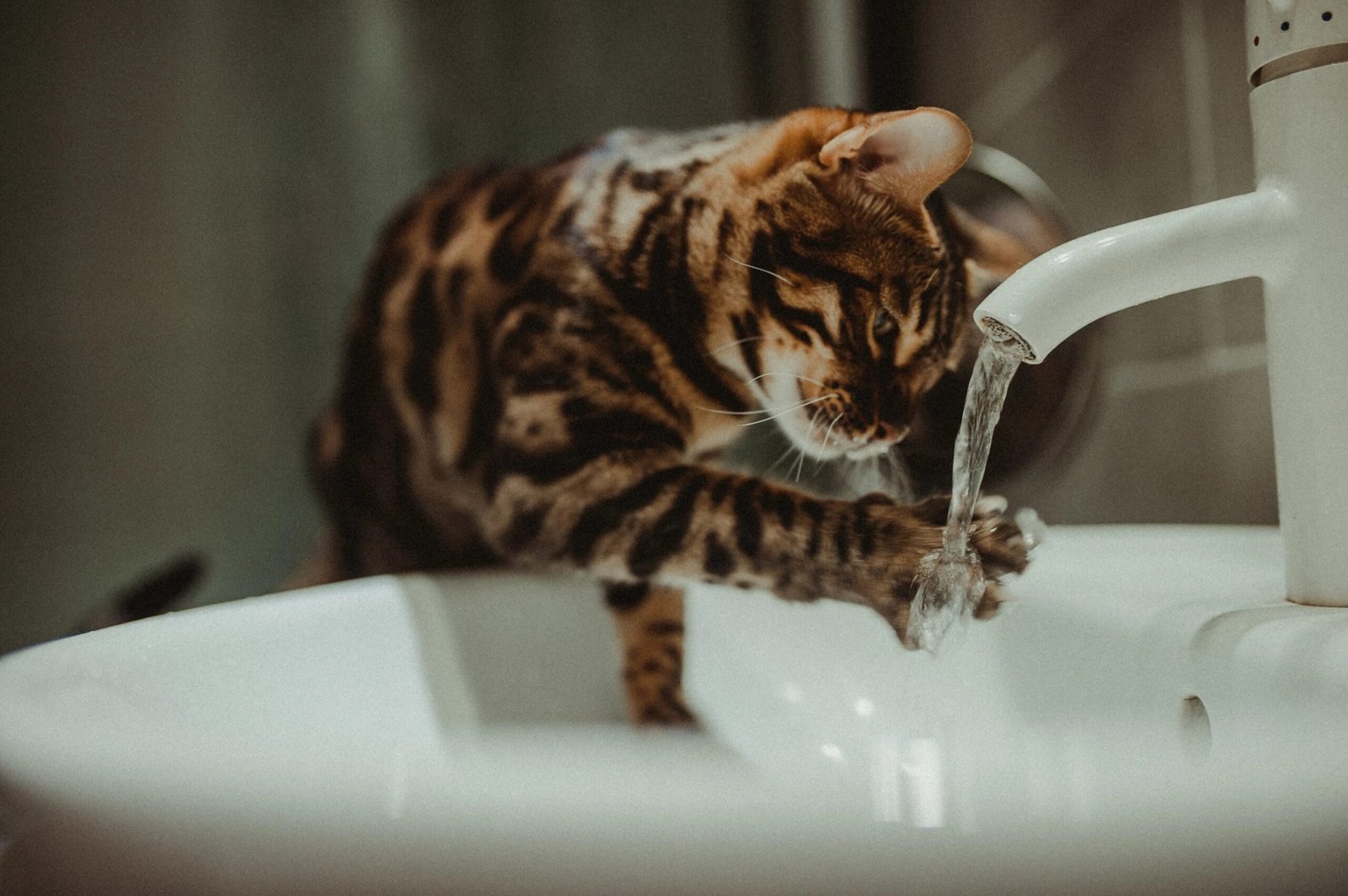
If you are searching for the best cat water fountains, you have probably watched a cat ignore a perfectly clean bowl and then hook their entire head under a dripping tap. That habit is why fountains exist. Moving, fresher-seeming water interests many cats more than a still dish that has been sitting since breakfast, especially in a warm apartment.
A useful mindset is this: a fountain is a drinking setup, not a personality transplant and not a treatment. The “best” one is the one your cat will use, the pump you can hear and live with, and the design you will take apart often enough to keep it genuinely clean. A beautiful unit that is miserable to wash will not stay hygienic, and a dirty fountain can be worse than a simple bowl you rinse every day.
This is general information for cat parents in the US and UK, not a veterinary prescription and not a ranked test of named products. A fountain cannot diagnose or treat kidney disease, urinary problems, or any other condition. If your cat starts drinking much more or much less than usual, strains in the litter box, or seems unwell, contact your veterinarian. Changes in thirst can be important, whether or not you own a fountain.
Why a fountain is even a question

Cats often prefer water that looks and smells fresh. Some are drawn to movement, which is why the bathroom tap becomes a preferred bar. A fountain keeps water circulating, can make it more appealing, and may encourage a cat who has been picky about a stale bowl. That can be useful in a home where you want water available all day without constant topping-up of a tiny dish.
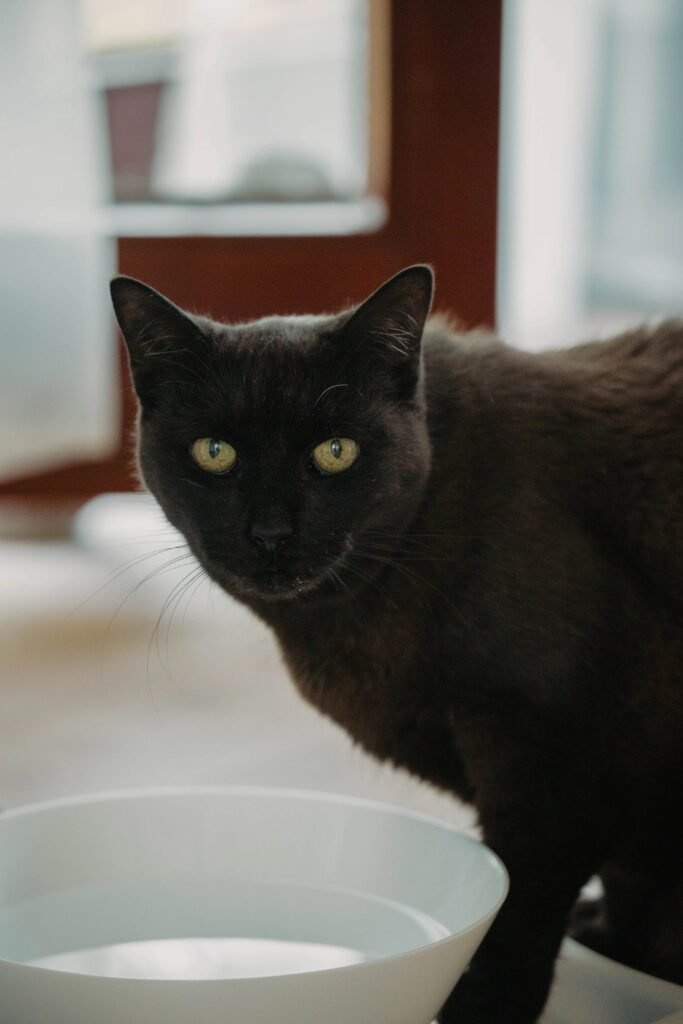
It is not compulsory. Plenty of cats drink well from a wide, stable bowl that is washed often and filled with fresh water. If your cat already uses a bowl reliably, a fountain is an option, not a requirement. If your cat avoids the bowl, it is worth asking why: the bowl may be in a noisy spot, too close to the litter, too narrow for whiskers, or simply not clean enough. A fountain will not fix a bad location.
Hydration also comes from food. Cats who eat wet food typically take in more moisture with meals than cats who eat only dry food. If you are already thinking about that balance, [wet versus dry cat food](/wet-vs-dry-cat-food/) is a useful companion to this guide. A fountain can still be worthwhile alongside either diet. It is not a substitute for food that your cat actually needs, and it is not a reason to ignore a sudden change in drinking.
Think of the fountain as one more household resource, in the same spirit as a feeder you can keep clean. If you have already compared [automatic cat feeders](/best-automatic-cat-feeders/) on cleaning and reliability, you already know the right questions: what touches the food or water, how often must you wash it, and what happens when a part fails.
What actually matters before you buy
Skip the search for a single winner and start with the jobs the fountain has to do in your home.
Cleaning comes first. If you cannot open the unit, reach the pump, and wash the reservoir without a struggle, you will not clean it often enough. Look for wide openings, a small number of parts, and a pump that comes out without tools. Dishwasher-safe pieces can help, but only if you will still rinse the parts that cannot go in the machine. A sealed, fiddly design is a poor match for a busy weeknight.
Material and surface. Stainless steel and ceramic are popular because they are durable and generally easier to keep from getting scratched and cloudy than some plastics. Plastic can be light and inexpensive, and it can also scratch and hold onto smells if it is not washed well. Choose a food-safe material you can inspect, and retire a bowl or reservoir that is cracked or badly scratched.
Capacity and footprint. A larger reservoir means fewer top-ups, which is handy if you have more than one cat or you are out during the day. It also means a bigger object on the floor of a small kitchen. Measure the corner you actually have. The fountain should sit level and not teeter on a mat that bunches up.
Noise and power. In an apartment, a hum you barely notice at noon can be a problem at midnight, especially if the fountain lives near a bedroom wall. A quiet pump matters more than a dramatic spout. Check that the cable can reach a safe outlet without trailing through a walkway, and that the unit will not be a puddle risk on a bare wood floor.
Filters and flow. Many fountains use a filter to reduce hair, debris, and some tastes or odors. Filters need replacing on a schedule, which is an ongoing cost and a chore. A fountain that lets you choose a gentle flow is often easier to introduce than one that splashes. More settings are only useful if they stay easy to clean.
Multiple cats, or one cautious cat. Wide, open drinking surfaces are usually easier to share than a tiny spout only one cat can monopolize. A very nervous cat may prefer a low, stable trickle to a noisy cascade. If you have a dog as well, think about whether the dog will drink it dry or chew the cable.
Read the maker’s instructions for assembly, cleaning, and electrical safety, and ignore claims that a fountain will prevent illness. You are shopping for a drinker, not a medical device.
Placement, bowls, and the rest of the home

Where you put the fountain matters as much as which one you buy. Many cats prefer water a little apart from food, and most prefer it well away from the litter box. If you are still arranging a small home, the same logic that guides [litter box setup in an apartment](/cat-litter-box-setup-apartment/) applies here: quiet, predictable, and not in a bottleneck by the front door.
Choose a level, wipeable surface. A waterproof mat can protect floors and make hair easier to pick up, as long as the fountain stays stable. Keep the cable tidy. Avoid placing the unit where a running child, a vacuum, or a bouncing dog will knock it over, and do not hide it in a baking-hot cupboard or on a windowsill that cooks the water in the afternoon.
Keep a plain bowl of fresh water available, at least at first, and again whenever the fountain is apart for a deep clean. Cats should not have to wait for you to reassemble a pump in order to drink. In a multi-level home or a long apartment, a second drinking spot can be more useful than a single, large fountain in a room the cat barely visits.
If the only water your cat will accept is the bathroom tap, you can still use that information. Place the fountain somewhere the cat already likes to drink, introduce it while the familiar bowl stays put, and avoid forcing a sudden swap in a brand-new corner.
Cleaning, filters, and a cautious introduction

A fountain only stays appealing if the water stays fresh and the parts stay clean. Top it up with fresh water so the pump does not run dry. Wash the reservoir, spout, and pump regularly—often weekly, and more often in a warm home or a household with several cats, if the maker’s guidance or the look of the water suggests it. Hair and film build up faster than people expect.
Take the pump apart as the instructions allow, because that is where debris likes to hide. Replace filters on the schedule recommended for your unit, or sooner if the water looks or smells off. Do not drop essential oils, soap, or “freshener” into the reservoir. If the water is cloudy, the fountain smells, or the pump is straining, unplug it and clean it rather than adding something scented.
Introduce the fountain beside the current bowl rather than in place of it. Let the cat investigate. Some cats drink from it the same day. Others wait a week. You can gently trail a finger in the water or set the flow low, but you should not pin a cat’s head toward the spout. If they prefer the bowl, keep both until the fountain has become ordinary, or accept that a well-kept bowl is the better tool for that cat.
Watch what happens after the switch. A cat who suddenly drinks much more, much less, or who starts visiting the litter box more often, straining, or urinating outside the box, needs a veterinarian, not a different fountain setting. The same is true if a cat hides, stops eating, or seems painful. A new drinker should not be used to “wait and see” on a health change.
If your cat is already showing [signs of stress](/signs-your-cat-is-stressed/) after a household change, fix the environment first and add gadgets slowly. Fresh water belongs in a calm, accessible place, alongside the rest of a stable routine.
A calm way to decide
Use this as a buying and setup plan, then adjust to your home and your cat:
- Be honest about whether a fountain solves a real problem, or whether a cleaner bowl in a better spot would do.
- Choose a design you can take apart and wash, in a material and size that fit your floor and your household.
- Favor a quiet pump, a stable base, a safe cable path, and a flow you can keep gentle at first.
- Place the fountain away from the litter box, on a level, wipeable surface, and keep a plain water bowl available during cleaning and introduction.
- Top up the water, clean the parts regularly, and replace filters as recommended; unplug the unit if it smells, leaks, or runs dry.
- Introduce the fountain beside the existing bowl and let the cat opt in.
- Contact your veterinarian if drinking, urination, or appetite changes, or if your cat seems unwell.
The best cat water fountains are the ones that stay clean, stay quiet, and actually get used. You do not need a miracle appliance or a ranked list of models. You need a drinker that fits your apartment, a cleaning habit you can keep, and a willingness to keep a simple bowl in the rotation. If something about your cat’s thirst or litter-box habits worries you, ask your veterinarian to help you sort a water setup from a health problem.
FAQ
Do cats really need a water fountain?
No. Many cats drink perfectly well from a clean, wide bowl of fresh water that is washed often and placed in a quiet spot. A fountain can help if your cat prefers moving water, ignores a stale bowl, or if you want a larger, circulating supply during the day. It is an option for comfort and convenience, not a requirement, and not a treatment for illness.
What should I look for in a cat water fountain?
Prioritize easy cleaning, a quiet pump, a stable footprint, and a material you can keep hygienic, such as stainless steel, ceramic, or a well-made plastic you can inspect and replace if it scratches. Consider capacity, how the filter works, and whether the flow can be kept gentle. Ignore medical claims. The unit you will actually wash is more important than the one with the most settings.
How often should I clean a cat water fountain?
Follow the maker’s instructions, and be prepared to wash it regularly—often about once a week, and more often in a warm home or a multi-cat household if the water or the parts look dirty sooner. Top up with fresh water so the pump does not run dry, and replace filters on schedule. If the fountain smells, looks cloudy, or the pump sounds strained, clean it sooner and unplug it until you have.
How do I get my cat to use a new fountain?
Leave the familiar bowl in place and put the fountain nearby, with a gentle flow. Let the cat approach in their own time. Some drink immediately; others take days. Do not force their head toward the water. If they still ignore it after a calm introduction, a better location or a simple bowl may be the kinder answer. A fountain only helps if the cat chooses to use it.
Can a fountain help a cat with urinary or kidney problems?
A fountain is not a treatment, and it should not delay a veterinary visit. Some cats may drink more when water is more appealing, and encouraging water intake can be part of a wider care plan that your veterinarian sets. If your cat is drinking more, drinking less, straining, passing blood, or urinating outside the box, contact your veterinarian. Buy a fountain, if you like, as a drinking setup—not as a remedy.
[…] brief, because cats often sip in a more cautious way and may share a smaller unit. Start with best cat water fountains for that job, and read this guide for the […]