

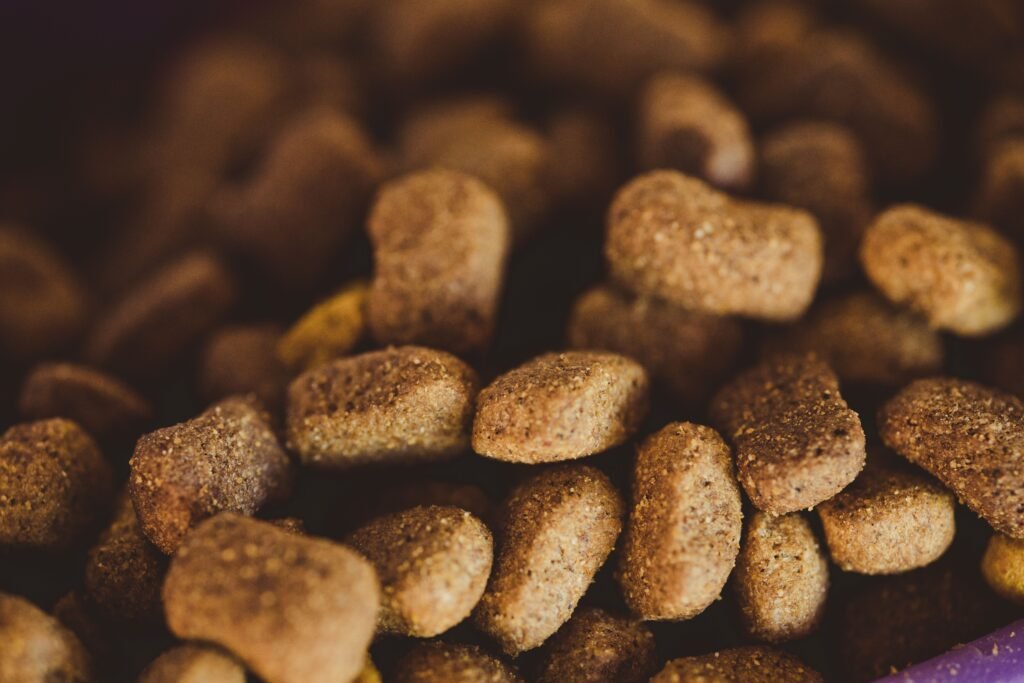
If you are trying to store dog food in a small apartment, you already know the bag is awkward. A large sack does not fit a slim cupboard, the kitchen shares space with the only bin, and a balcony can look like storage until the first humid week. Open kibble left in a rolled bag will not always go stale overnight, but it will pick up moisture, kitchen smells, and interest from insects or a clever dog more easily than a closed container will.
A useful mindset is this: you are protecting freshness and hygiene, and you are also making a daily portion easy to scoop in a tight kitchen. The original bag, a bin with a proper lid, and a cool, dry shelf will do more than a decorative jar that cannot actually hold a week of food. You do not need a utility room. You do need a plan that fits the flat you have.
This is general information for dog parents in the US and UK, not a veterinary nutrition plan and not a promise about how many weeks every bag will stay perfect. Foods differ. Follow the best-before date and the storage instructions on your bag or tin. If the food smells rancid, looks mouldy, or your dog suddenly refuses it, stop and contact the manufacturer or your veterinarian rather than “refreshing” it with a new topping and hoping for the best.
Why apartment storage is a slightly different problem
In a house, pet food often lives in a garage, a pantry, or a laundry room. In a flat, the same bag may sit beside the oven, under the sink, on a balcony, or in a bathtub cupboard that also holds cleaning products. Heat, steam, damp, and strong-smelling chemicals are the usual enemies. Pests are the other, especially in older buildings and shared bin areas.
Kibble is dry, but it still contains fats that can go off in warmth, and it will take on moisture in a steamy kitchen. Wet food spoils much faster once opened and belongs in the fridge, covered, for only the time the label allows. Treats are easy to underestimate because the bag is smaller; they still need a seal if you want them to stay palatable and if you do not want a trail of crumbs behind the sofa.
If you are still settling how much to put in the bowl each day, storage and portions go together. A bin that makes it easy to scoop consistently will support the habits in [how much you should feed your dog](/how-much-should-i-feed-my-dog/).
A calm setup also helps when you change foods. If you are moving from one bag to another, keep the old and new food clearly labeled so you can mix them on purpose, not by accident. [How to switch dog food brands](/how-to-switch-dog-food/) is the companion for that transition.
Keep the original bag, then add a better seal

A common, practical method is to put the original bag inside a clean, food-safe container with a tight lid, or to clip the bag and then bin it, without pouring the food out and throwing the bag away. The bag carries the batch code, the best-before date, feeding guidance, and ingredient information you may need if there is a recall or a veterinary question. A pretty tin with no label is harder to troubleshoot later.
If you do decant, cut the label panel off and tape it to the container, or take a clear photo of the back of the bag and keep it where you can find it. Do not mix the last cup of an old food with a new bag inside the same unmarked bin unless you are doing a planned transition and know which food is which.
Choose a container you can actually lift and wash. Features that help in a small kitchen:
- A lid that seals, not a loose cover that sits on top.
- A mouth wide enough for a scoop, so you are not pouring from a heavy tub.
- A size that fits the cupboard or the gap you have, rather than a “25-pound” bin that lives in the hallway.
- Food-safe plastic, metal, or glass as labeled. Avoid mystery buckets that previously held household chemicals.
You do not have to buy the largest bin the shop sells. In a studio, two smaller sealed containers can be easier to park than one chest that colonizes the only closet. If you buy in bulk because it is cheaper, store the unopened extra bag as carefully as the open one: cool, dry, off the floor if pests are a concern, and not against a radiator.
Where the food should live in a small home
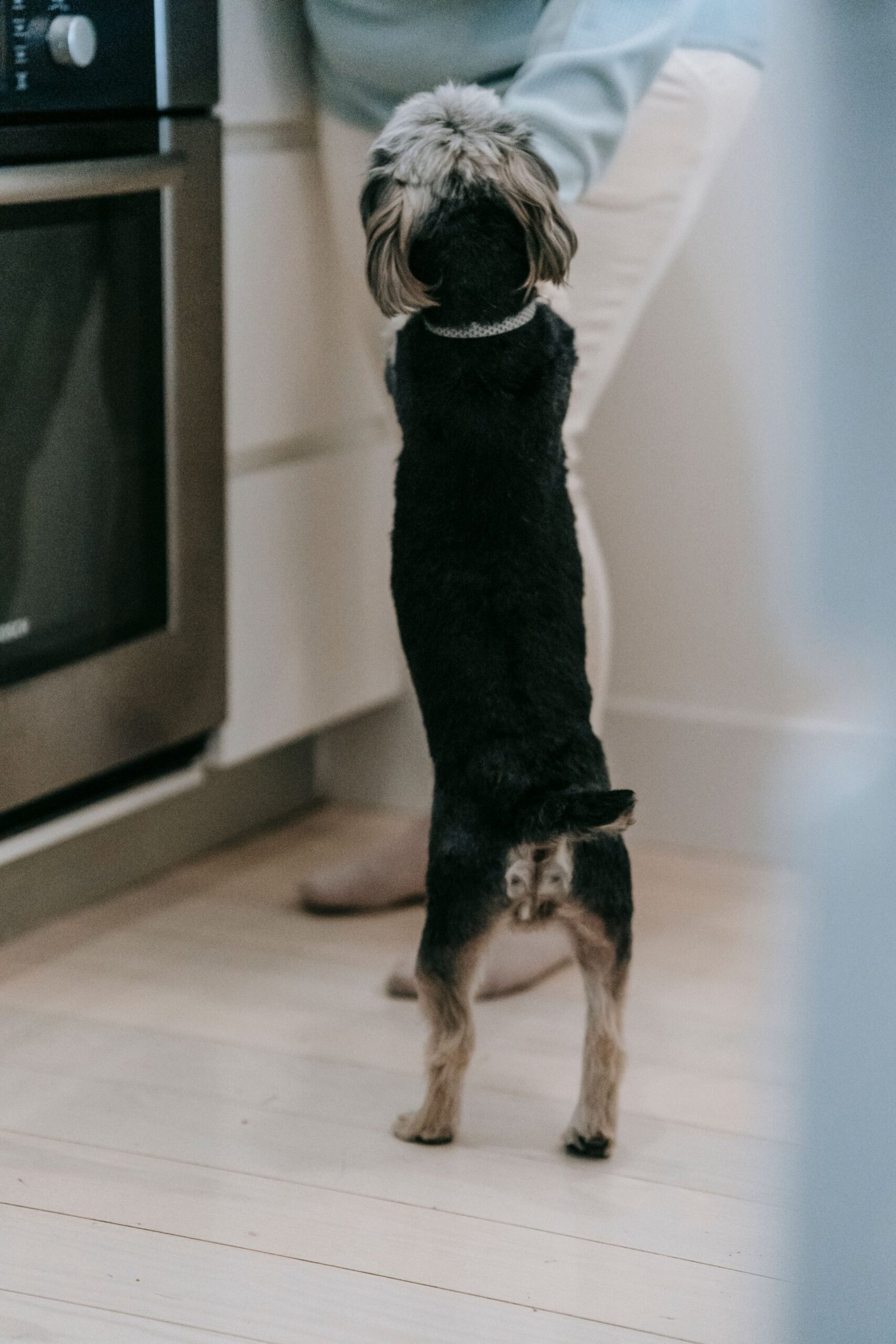
Pick the coolest, driest, most boring cupboard you can spare. A lower kitchen cabinet away from the oven and dishwasher is often better than a shelf over the hob, a gap beside the fridge’s warm side, or the cupboard under a leaky sink. Under-sink storage is tempting in rentals and is usually a poor home for kibble because of pipes, damp, and cleaning liquids.
Skip the balcony as everyday storage unless it is truly dry, shaded, and sealed against heat, cold, and wildlife. A bag that bakes in afternoon sun or sits in winter damp will not thank you. The same goes for a bathroom: steam is the problem, even if the cupboard looks empty.
Keep pet food away from the household chemicals, the bin, and the place you park dirty shoes. In a one-room home, that may mean a lidded container on a mid-height shelf rather than a sack on the floor next to the door. If your dog can open cupboards, add a child lock or move the bin higher. Storage is also management.
Scoops deserve a home too. A clean scoop in a nearby cup is better than a mug left buried in the kibble, which introduces moisture and hand oils every day. Wash the scoop and the container when they look greasy or dusty, and dry them fully before the next bag goes in.
Treats can share the same logic in miniature. A small airtight jar on a shelf is easier than a half-open training pouch on the worktop. If you use treats heavily for training, the guidance in [best training treats for dogs](/best-training-treats-for-dogs/) will help you keep portions small so the treat jar does not quietly become a second diet.
Wet food, opened tins, and what “fresh” actually means

Dry food is the storage puzzle. Wet food is the hygiene puzzle. Once a tin or pouch is open, refrigerate it in a covered container and use it within the time the label states. Do not leave a half tin on the counter because dinner was delayed. In a warm apartment, that shortcut spoils faster than you think.
If the label is silent on leftovers, be conservative and ask the manufacturer or your veterinarian rather than inventing a number of days. When in doubt, throw it out. A saved quarter-tin is not a bargain if it makes the dog ill.
Wash bowls after meals rather than topping up old wet food with new food. Residue in a bowl left in a small, warm kitchen is a smell problem and a hygiene problem. Dry food bowls need regular washing too, especially in summer.
Trust your senses alongside the date. Rancid, paint-like, or sour smells, visible mould, damp clumps, or fat that looks oddly sticky are reasons to stop. Do not try to rescue a suspect bag by mixing it into a “better” food. If your dog has eaten food that seemed off and then vomits or has diarrhea, call your veterinarian and keep the bag for information.
Special diets do not change the storage basics, but they do make labeling even more important. If you feed a senior recipe or a food you chose after reading something like [grain-free dog food: what to know](/grain-free-dog-food-what-to-know/), keep that bag’s details attached to the container so you are never guessing what is in the bin.
Pests, neighbors, and the small habits that help

Apartment pests travel. A poorly sealed bag is an invitation, and a spill under a fridge is a longer invitation. Wipe the shelf, pick up kibble as soon as it drops, and take torn bags down to the building bins rather than leaving them in a kitchen sack overnight if you have already had insects or mice.
If you see pests, do not only spray and hope. Seal the food, inspect other packets, clean the area, and talk to the building if the problem looks wider than your cupboard. This is practical, not a reason to panic, and it is not a substitute for following local pest-control advice when you need it.
Buy bag sizes you can finish at a sensible pace for your dog. A huge sack is not a saving if the last third goes stale or rancid in a warm kitchen. Older dogs who eat a smaller daily amount often do better with a bag you can finish promptly; [dog food for seniors](/best-dog-food-for-seniors/) is the place to think about the recipe itself, while the storage rules stay the same. If you share food between two dogs, still keep one clear label and one sealed home, not a constellation of half-open bags.
Travel and overnight guests are the moments storage tends to slip. Put the container back. Close the lid. Do not leave a training pouch on the coffee table in a building where ants are already a topic in the hallway group chat.
A calm starting plan you can repeat
Use this as a starting draft, then adjust to your kitchen and your dog:
- Keep the original bag or its label with the food, and put the bag in a clean, lidded, food-safe container you can actually store.
- Park the container in a cool, dry cupboard away from the oven, the balcony sun, the bathroom, and the chemicals under the sink.
- Refrigerate opened wet food, covered, and follow the label; wash bowls instead of topping up leftovers.
- Scoop with a clean, dry scoop, and wipe up spills so pests are not invited.
- Finish bags at a pace that matches your dog, and stop if the food smells or looks wrong.
Storing dog food in a small apartment is mostly a tidy habit, not a special product category. The aim is a cupboard that stays boring, a bowl you can trust, and a bag whose label you can still find when you need it. If your dog’s appetite or digestion changes after a storage mishap or a bag that seemed off, contact your veterinarian and keep the packaging.
FAQ
Should I keep dog food in the original bag or pour it into a bin?
A practical middle path is to place the original bag, tightly closed, inside a clean lidded container. You keep the date, batch code, and feeding information, and you get a better seal than a rolled bag alone. If you decant, save the label. An unmarked bin looks neat and is harder to use if you ever need product details.
Can I store dog food on a balcony or under the sink?
Usually those are poor everyday choices. Balconies bring heat, cold, and damp. Under-sink cupboards often have pipes, moisture, and cleaning products. A cool, dry interior cupboard away from the oven is a better default. If space is extremely tight, a sealed container on an interior shelf still beats an open bag on the floor.
How long does dry dog food last after I open the bag?
Follow the best-before date and any storage window on the label; foods differ, and no single number fits every bag. In a warm, humid flat, quality can slip sooner if the bag is poorly sealed. Buy a size you can finish at a steady pace, keep the food dry and closed, and do not use kibble that smells rancid or looks mouldy.
How should I store opened wet dog food?
Cover it and refrigerate it, then use it within the time the label allows. Do not leave opened tins on the counter. If the product does not give leftover guidance, be conservative and ask the manufacturer or your veterinarian. When the food smells wrong or has been sitting out, throw it away.
How do I keep pests out of pet food in a flat?
Use a tight lid, keep the area clean, and take empty bags out of the kitchen promptly. Store food off the floor if you have already seen insects or mice, and inspect new bags before they go into your container. If pests persist, treat it as a building hygiene issue as well as a cupboard issue, and do not leave spills or open bags as an easy food source.
[…] pests, and a nearby litter box are the usual problems — and the last of those is one that storing dog food in a small apartment does not have to solve in the same […]
[…] A net weight, a best-before or use-by date, and a batch or lot code, which matter if you need to contact the maker or store the food carefully, a separate job covered in how to store dog food in a small apartment. […]