
Every dog owner knows the struggle: you clip on the leash, take one step outside, and suddenly you’re being dragged down the sidewalk like a water skier behind a speedboat. Your dog pulls. It’s natural. Dogs pull because it works—they get to go where they want.
The good news? The right no-pull harness can change everything. The bad news? Most harnesses labeled “no-pull” don’t actually work.
After extensive testing and research, we’ve found the harnesses that genuinely reduce pulling without causing discomfort or injury to your dog.
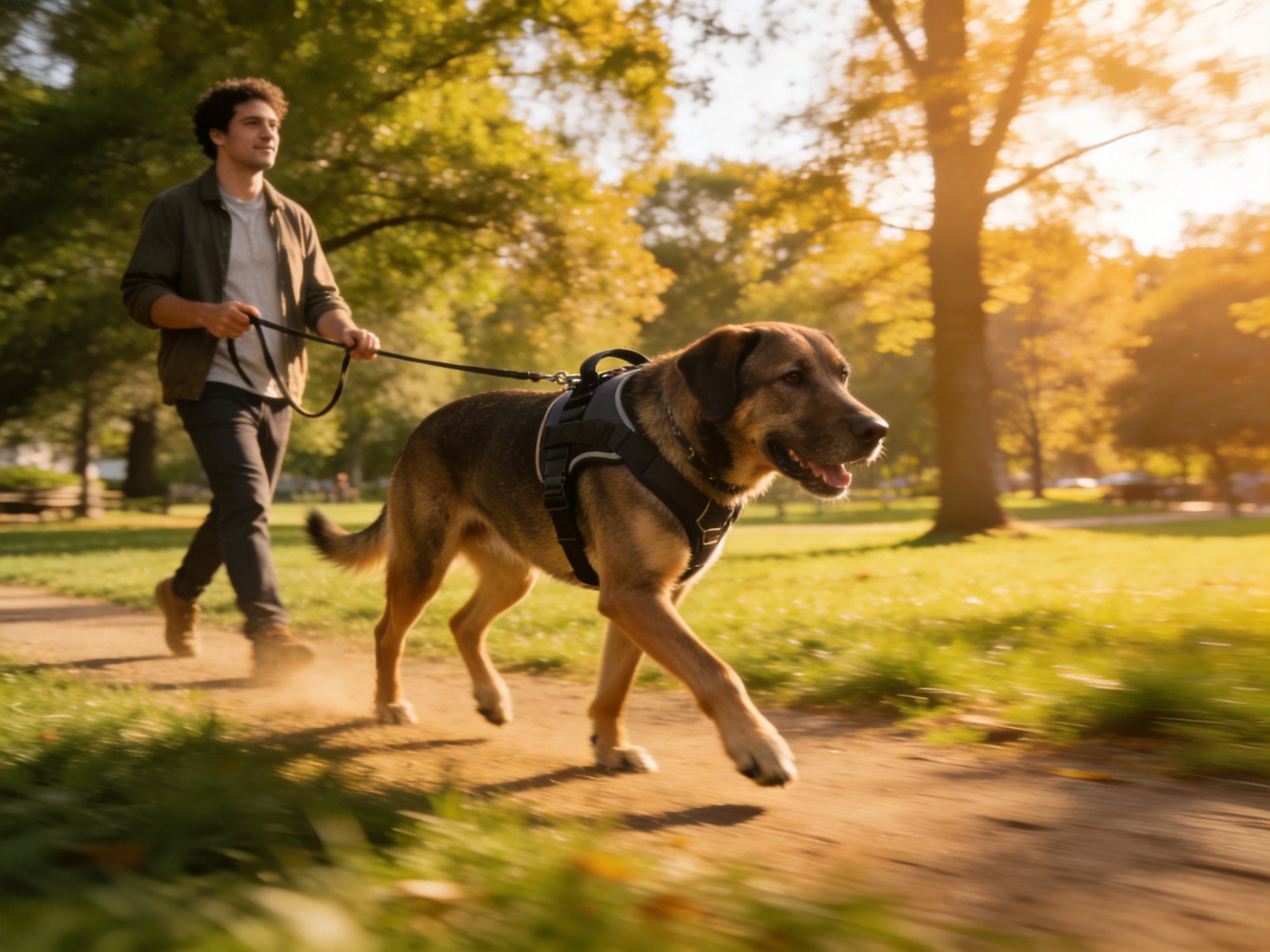
Why Dogs Pull and How Harnesses Help
Understanding why dogs pull is crucial to choosing the right solution:
Pulling is rewarding: When your dog pulls and reaches the tree/squirrel/neighbor faster, the behavior is reinforced. Dogs repeat what works.
Traditional collars encourage pulling: When a dog pulls against a collar, pressure on the throat triggers a natural opposition reflex—pushing back against pressure. This actually INCREASES pulling.
Harnesses redirect: A no-pull harness works by redirecting your dog’s forward momentum or applying gentle pressure to redirect their direction, making pulling ineffective.
Key principle: The best no-pull harnesses make pulling uncomfortable or ineffective WITHOUT causing pain or restricting breathing.
What Makes a Great No-Pull Harness?
Front-Clip vs. Back-Clip vs. Dual-Clip
Front-clip harnesses have a leash attachment point on the chest. When your dog pulls, you’re redirected to face your dog, which naturally slows them down. Best for moderate pulling.
Back-clip harnesses attach at the back—the most common style. They’re comfortable but can actually ENcourage pulling since dogs pull against resistance naturally. Better for dogs who already walk well.
Dual-clip harnesses offer both options. Ideal for training as you can start with front-clip and transition to back-clip as your dog improves.
Adjustability and Fit
A harness that doesn’t fit properly won’t work well. Look for:
- Multiple adjustment points (chest, belly, shoulders)
- Size range appropriate for your dog
- Padding in high-pressure areas
- Escape-proof design for Houdini dogs
Materials and Durability
Nylon is lightweight and affordable but can stretch. Breathable mesh is great for warm weather. Reflective materials improve visibility for evening walks.
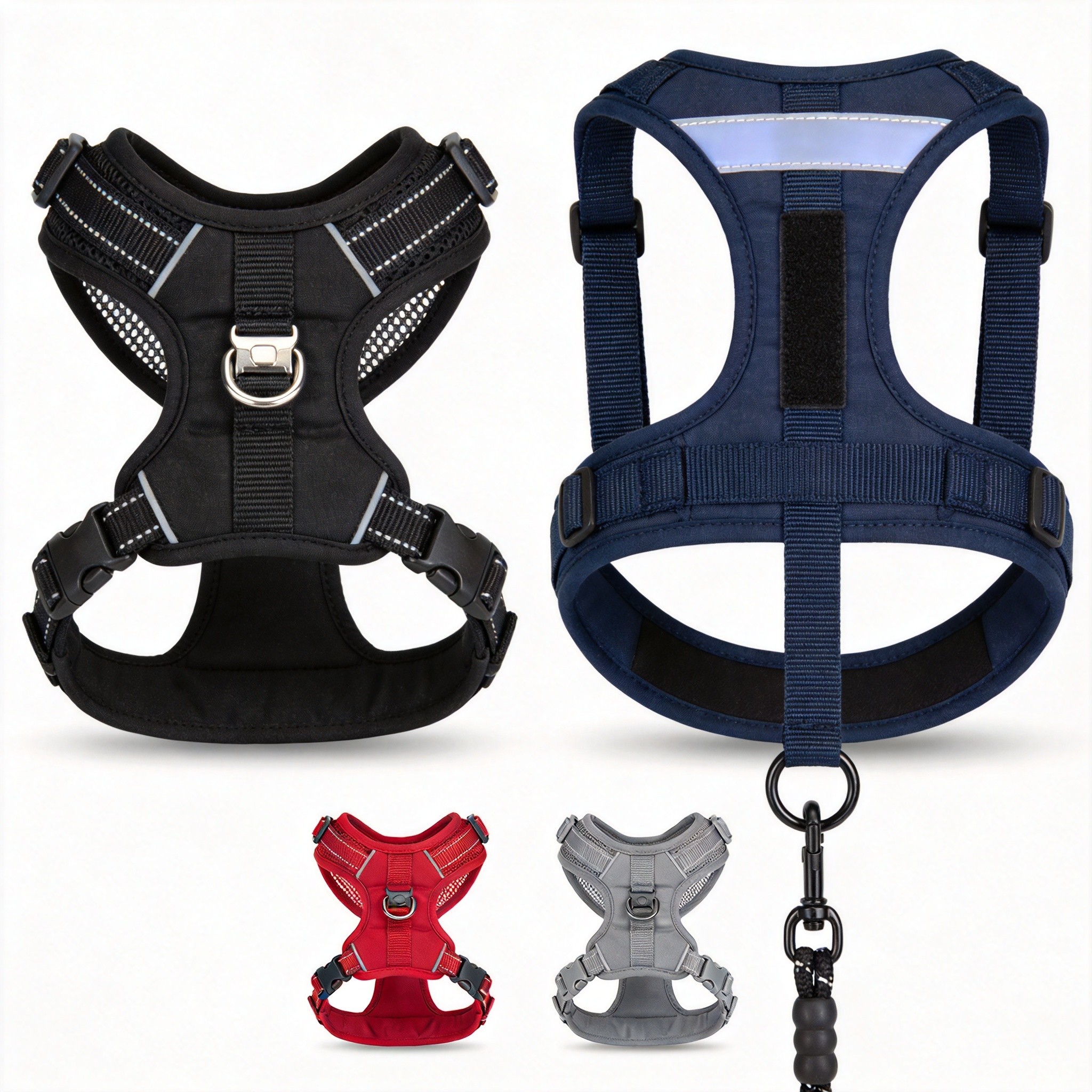
Best Dog Harnesses for Pulling 2026
1. Best Overall: Rabbitgoo No-Pull Dog Harness
Best for: Most dog owners dealing with pulling issues
The Rabbitgoo has become a favorite among dog trainers and pet parents alike. The front-clip design effectively reduces pulling, while the padded chest plate keeps dogs comfortable.
Key Features:
- Dual-clip design (front and back attachment)
- 4 quick-snap buckles for easy on/off
- Padded chest plate for comfort
- No-slip back strap
- Reflective stitching for visibility
- Available in sizes XXS to 3XL
Pros:
- Very effective at reducing pulling
- Easy to put on and take off
- Excellent size range
- Comfortable for extended wear
- Affordable price
- Multiple color options
Cons:
- Some large dogs can escape if not fitted properly
- Chest padding can shift with very active dogs
- Fabric may collect debris during outdoor adventures
2. Best Premium Option: Freedom No-Pull Harness by 2 Hounds Design
Best for: Dogs with neck sensitivity or respiratory concerns
The Freedom No-Pull Harness is designed with veterinary input to eliminate pressure on the throat and windpipe. It’s particularly valuable for breeds prone to tracheal issues.
Key Features:
- Patent-pending Instant Control loop system
- Front-clip design with martingale tension
- No throat pressure—safe for all breeds
- 5 adjustment points for custom fit
- Machine-washable
- Made in the USA
Pros:
- Veterinarian-recommended design
- Excellent for dogs with neck/tracheal issues
- Very effective pulling correction
- High-quality construction
- No-choke guarantee
- Durable for daily use
Cons:
- Higher price point
- Can be more complex to adjust initially
- Some users report the loops are confusing at first
3. Best for Strong Pullers: Julius-K9 IDC Power Harness
Best for: Large breeds and strong pullers (80+ lbs)
When you have a powerful dog who pulls with serious determination, you need something that can handle the force. The Julius-K9 is built like tactical gear and tested by professional handlers.
Key Features:
- Military-grade construction
- Heavy-duty buckles and straps
- 5-point adjustment system
- Handle on back for control and lift
- Splash-resistant design
- Size range from 14″ to 39″ chest
Pros:
- Extremely durable—built to last years
- Effective for the strongest pullers
- Built-in handle gives instant control
- Comfortable weight distribution
- Professional-grade quality
- Handle useful for assistance or car loading
Cons:
- Heavy compared to other options
- Bulky for small dogs
- Higher price tag
- Can be warm in summer months
4. Best Budget Harness: ChappyHM No-Pull Harness
Best for: Budget-conscious owners who want decent quality
Don’t have $50+ to spend? The ChappyHM offers solid no-pull functionality at a fraction of the price. It’s not as fancy as premium options, but it gets the job done.
Key Features:
- Front-clip design
- Quick-release buckles
- Breathable mesh material
- 4 adjustment points
- Reflective strip for visibility
- Sizes S to XXL
Pros:
- Very affordable price
- Surprisingly effective for the cost
- Lightweight and breathable
- Easy to adjust
- Good for warm weather
- Machine-washable
Cons:
- Less durable than premium options
- Padding is thinner
- Some quality control inconsistency
- May stretch over time with heavy use
5. Best for Escape Artists: PetSafe 3-in-1 Easy Walk Harness
Best for: Dogs who back out of harnesses or have unusual body shapes
The PetSafe 3-in-1 addresses a common problem: dogs who have learned to escape traditional harnesses by backing out. The unique front-ring design naturally discourages this behavior.
Key Features:
- Martingale-style front ring
- 4 adjustment points
- Quick-snap buckles on chest and belly
- Different sizing for front and back sections
- Colors: blue, burgundy, teal
Pros:
- Excellent escape prevention
- Natural pulling correction
- Good for unusual body shapes
- Veterinarian recommended
- Proven track record
- Easy to fit properly
Cons:
- Not ideal for dogs with long bodies
- Can twist on active dogs
- Limited color options
- Straps can loosen over time
6. Best for Small Dogs: PoyPet No-Pull Harness
Best for: Small breeds (under 25 lbs) who pull
Small dogs often pull just as hard as big dogs, but most harnesses are designed with larger breeds in mind. The PoyPet offers a better fit and effective control for petite pullers.
Key Features:
- Soft padded chest plate
- Front and back clips
- Quick-release buckle
- Sturdy metal hardware
- Breathable mesh
- XS to Large size range
Pros:
- Great fit for small dogs
- Comfortable for tiny frames
- Effective for small breed pulling
- Easy to put on small dogs
- Durable despite lightweight design
- Cute color options
Cons:
- Sizes run small—measure carefully
- Less effective for larger dogs
- Metal hardware can be cold in winter
- Front clip may be small for some leashes
Quick Comparison
Rabbitgoo — Most users, Dual-clip, XXS-3XL, $$ — Best overall
Freedom No-Pull — Neck sensitivity, Front-clip only, S-XXL, $$$ — Best premium
Julius-K9 — Strong pullers, Dual-clip, 14″-39″ chest, $$$ — Most durable
ChappyHM — Budget, Front-clip, S-XXL, $ — Best value
PetSafe Easy Walk — Escape artists, Front-clip, XS-XXL, $$ — Best escape-proof
PoyPet — Small dogs, Dual-clip, XS-L, $$ — Best for small breeds
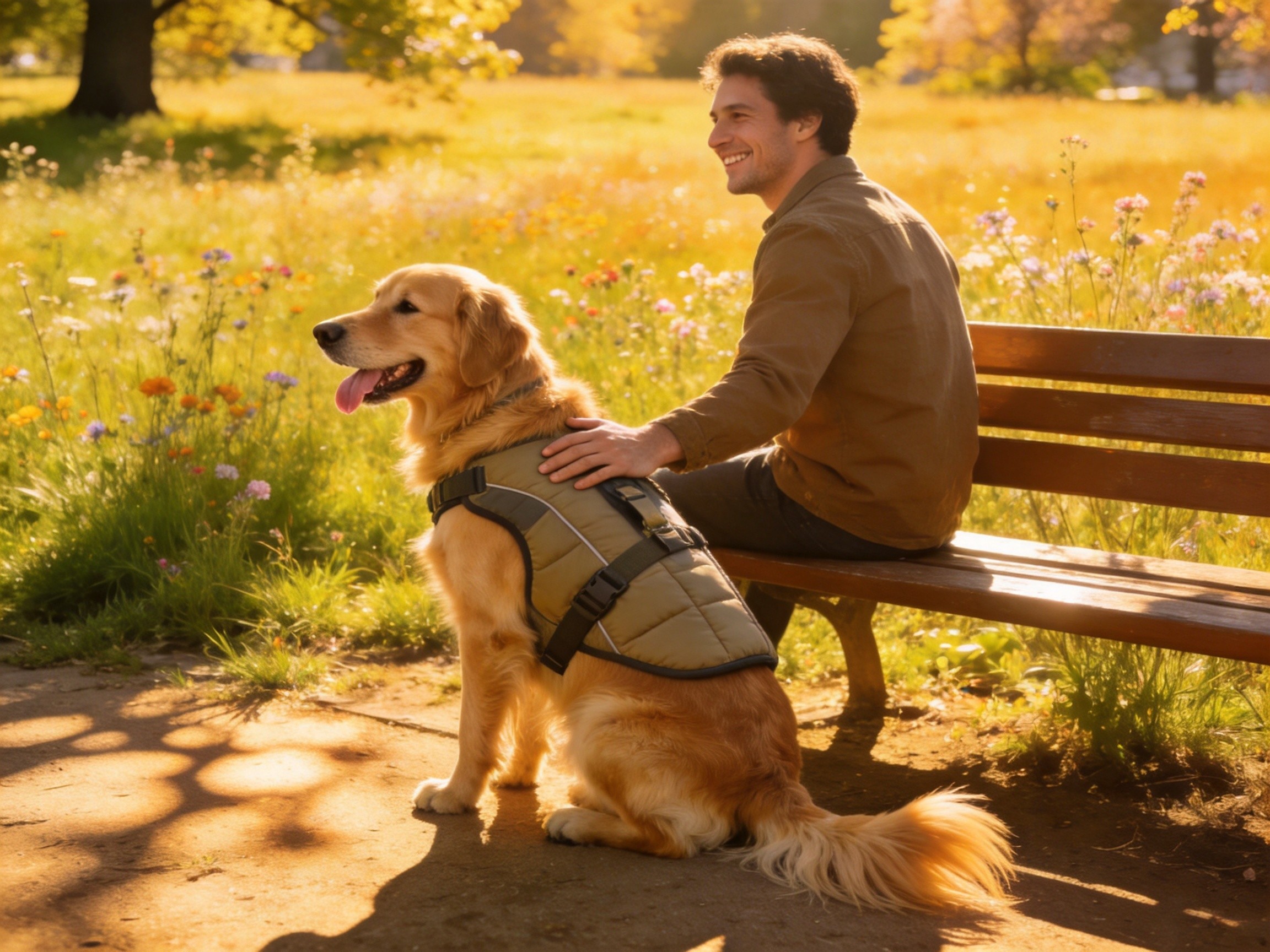
How to Fit a No-Pull Harness Correctly
A harness only works if it fits properly. Here’s how to ensure a good fit:
- Measure the chest: Wrap a measuring tape around the widest part of your dog’s chest, typically right behind the front legs.
- Check the girth: Measure around the lower neck where the collar would sit.
- Two-finger rule: You should be able to slip two fingers under any strap. Too tight causes discomfort; too loose allows escape.
- Test the escape-proofing: Have your dog try to back out while you’re fitting. If they can, tighten accordingly.
- Check before every walk: Straps can loosen during normal use. Make checking fit part of your pre-walk routine.
Training Tips: Harnesses Alone Won’t Fix Pulling
A no-pull harness is a tool, not a cure. Combine it with training:
- Stop-and-go method: When your dog pulls, stop walking immediately. Reward when the leash is loose.
- Direction changes: Change direction when your dog pulls, keeping their attention on you.
- High-value rewards: Treats, praise, and excitement work better than just waiting.
- Consistency matters: Every family member must use the same technique.
- Be patient: Pulling didn’t develop overnight. Correction takes time.
FAQ: No-Pull Harness Questions
Are no-pull harnesses cruel?
No. Quality no-pull harnesses redirect pulling through discomfort-free design. They should never cause pain, restrict breathing, or leave marks. Avoid prong collars if you want humane options.
Can puppies use no-pull harnesses?
Yes, but ensure proper fit as puppies grow quickly. Many brands offer XS sizes appropriate for puppies over 8 weeks old.
Should I use a no-pull harness forever?
Ideally, you’ll train your dog to walk nicely and transition to a regular collar or back-clip harness. However, some dogs with strong prey drives or reactive tendencies may always need the extra control.
How long does it take to see results?
Most owners see improvement within 1-2 weeks of consistent use combined with training. Full behavior modification may take 1-3 months.
Can I use a no-pull harness with a retractable leash?
No. Retractable leashes work against no-pull harnesses by rewarding pulling behavior. Always use a standard fixed-length leash for training.
What’s the difference between a no-pull harness and a prong collar?
Prong collars use metal prongs to create discomfort when the dog pulls. They can cause injury and are not recommended by most trainers. No-pull harnesses are humane and work through redirection, not punishment.
Our Recommendation
For most dog owners dealing with pulling, the Rabbitgoo No-Pull Harness offers the best balance of effectiveness, comfort, and value. The dual-clip design allows you to adjust based on your training progress.
If your dog has neck issues or you’re concerned about throat pressure, the Freedom No-Pull Harness is worth the investment.
And if you’re dealing with a powerful 100-pound puller who treats walks like a workout? The Julius-K9 can handle whatever your dog throws at it.
Remember: the best harness is the one you’ll actually use consistently. A perfect harness that stays in the closet doesn’t help anyone.
Happy walking!