
Let’s talk about everyone’s favorite topic: cat poop. Okay, maybe it’s not glamorous, but choosing the right cat litter box affects everything from your cat’s bathroom habits to your home’s air quality to your own sanity.
The wrong litter box can lead to litter box avoidance—that’s when your cat decides your carpet makes a better bathroom than the box you provided. This guide helps you avoid that nightmare.
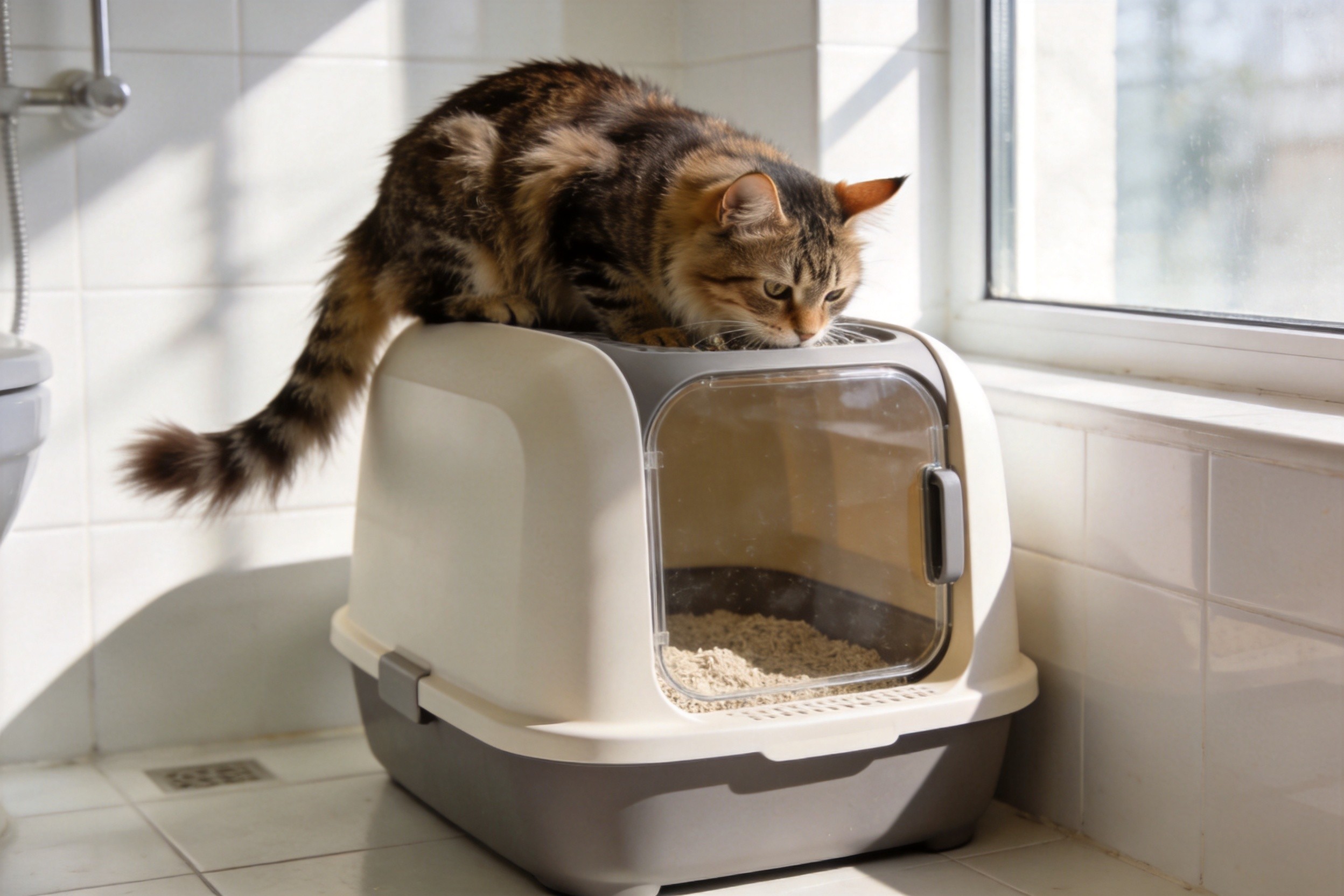
Understanding Your Cat’s Litter Box Needs
Cats are particular about their bathroom preferences. Here’s what matters:
Size Matters (More Than You’d Think)
The general rule: your cat should be able to turn around completely inside the box without touching the sides. A box that’s “large enough” for your cat to fit is actually too small.
Recommended sizes:
- Kittens and small cats (under 10 lbs): 18″ x 14″
- Medium cats (10-15 lbs): 20″ x 16″
- Large cats (15+ lbs): 24″ x 18″
- Multi-cat households: One box per cat plus one extra
Number of Boxes
The magic number is N+1, where N is the number of cats. Two cats need three boxes. This prevents territorial issues and ensures availability.
Location, Location, Location
Cats prefer quiet, low-traffic areas where they won’t be interrupted. Avoid:
- Near loud appliances (washers, dryers)
- High-traffic hallways
- Near food and water bowls
- Rooms with only one exit (can feel like a trap)
Types of Cat Litter Boxes
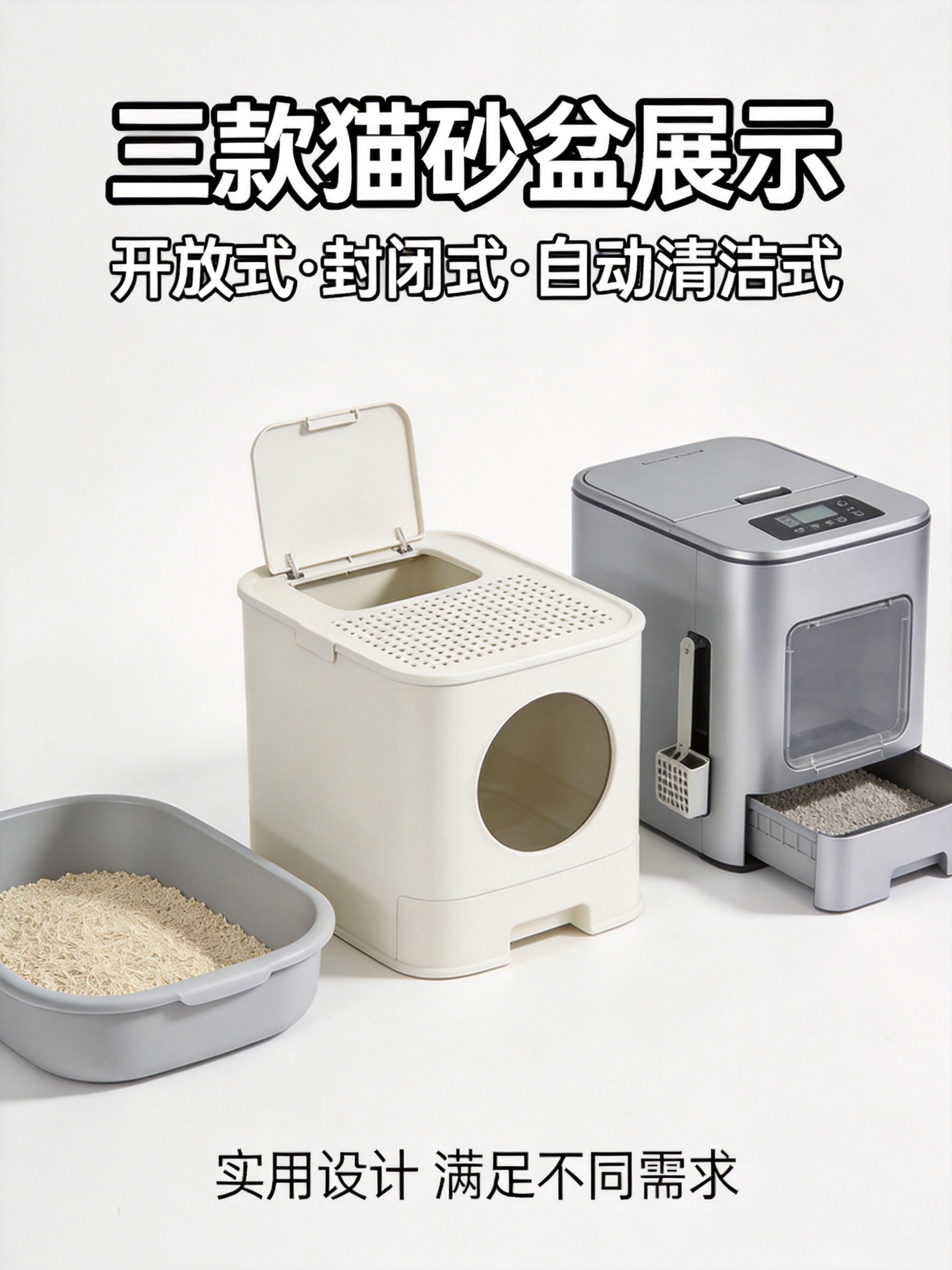
Standard Litter Boxes
The classic option. Affordable, simple, and available everywhere. But they require daily scooping, and odor can become an issue.
Covered/Hooded Litter Boxes
Hooded boxes contain odor and provide privacy for shy cats. However, some cats dislike the enclosed space, and they can trap ammonia fumes inside.
Self-Cleaning/Smart Litter Boxes
These high-tech options automatically rake, scoop, or even wash waste after your cat uses the box. Higher upfront cost, but dramatically reduced maintenance.
Top-Entry Litter Boxes
Great for reducing litter scatter (cats step out the top instead of tracking), but difficult for senior cats or those with mobility issues.
Best Cat Litter Boxes 2026
1. Best Overall: PetSafe ScoopFree Self-Cleaning Litter Box
Best for: Busy cat owners who want minimal daily maintenance
The PetSafe ScoopFree changed how we think about litter boxes. It automatically rakes waste into a covered compartment after your cat leaves, keeping the main box clean for days.
Key Features:
- Automatic rake cleaning 5, 20, or 30 minutes after use
- Disposable litter tray (lasts 2-3 weeks)
- Motion sensor prevents scooping while cat is inside
- Hooded design contains odor
- Multiple color options
- Compatible with any clumping litter
Pros:
- Dramatically reduces daily scooping
- Excellent odor containment
- Litter lasts 3-4 weeks per tray
- Cat-safe motion sensor
- Multiple timer settings
- Easy to set up
Cons:
- Requires specific ScoopFree trays ($15-20 each)
- Plastic rake may need replacement over time
- Cats with long fur may trigger sensor
- Electrical outlet required
2. Best Budget: Amazon Basics Cat Litter Box
Best for: Cat owners who want a quality standard box without spending much
Sometimes simple is best. The Amazon Basics litter box is roomy, sturdy, and costs less than a week’s worth of fancy treats.
Key Features:
- Large capacity (26″ x 19″ x 11″)
- Low-entry front for easy access
- Fluted top edge reduces litter scatter
- Made from recycled plastic
- Affordable replacement
Pros:
- Very affordable price
- Excellent size for most cats
- Durable construction
- Low entry point for kittens/seniors
- Easy to clean
- No fancy parts to break
Cons:
- Requires daily scooping
- No odor control features
- Uncovered means litter tracking
- Can be awkward to move when full
3. Best for Odor Control: Litter-Robot 4 by Whisker
Best for: Cat owners prioritizing odor control and premium features
The Litter-Robot 4 is the Tesla of cat litter boxes. It automatically separates waste from clean litter using a patented sifting system, dramatically reducing odor.
Key Features:
- Automatic waste separation (no scooping)
- WiFi connectivity with app control
- Odor neutralizer built-in
- Weight sensors detect each cat
- Enclosed design contains mess and smell
- Uses any clumping litter
- Drawer indicator for waste level
Pros:
- Best-in-class odor control
- Truly automatic—no scooping ever
- WiFi lets you monitor from anywhere
- Weight sensors track usage patterns
- Premium build quality
- Cats adapt well to it
- 2-year warranty
Cons:
- High price ($500+)
- Requires large space
- Heavy and difficult to move
- Some cats afraid of the cycling
- Uses significant electricity
4. Best for Multiple Cats: Petsafe Basic Multi-Cat Litter Pan
Best for: Multi-cat households on a budget
When you have multiple cats, you need multiple boxes. The Petsafe Basic offers excellent value for households needing 3+ litter stations.
Key Features:
- Extra-large size (28″ x 20″)
- High sides prevent kicking
- Sturdy base prevents tipping
- Easy-clean plastic
- Grooved bottom keeps litter in place
Pros:
- Affordable for multi-cat setups
- Large enough for large cats
- Durable enough for multiple cats
- Simple design—no parts to break
- Easy to dump and clean
Cons:
- Requires frequent scooping with multiple cats
- Heavy when full
- No odor-reducing features
- Litter can still scatter
5. Best Top-Entry: Omega Paw Elite Litter Box
Best for: Cat owners tired of litter tracking
The top-entry design means cats step back down into the box rather than walking through your house, keeping litter contained.
Key Features:
- Top-entry design reduces tracking
- Swing door for cat access
- Rounded edges for safety
- Works with clumping litter
- High sides contain digging
- Easy to clean
Pros:
- Excellent at containing litter scatter
- Cats who kick can’t throw litter out
- Privacy for shy cats
- Durable construction
- Good for multiple cats
- Reasonably priced
Cons:
- Difficult for senior or arthritic cats
- Some cats dislike climbing in
- Can be harder to clean
- May require more litter
- Swing door can scare some cats
6. Best Smart Option: Litter-Robot 3 Connect by Whisker
Best for: Tech-savvy cat parents who want smart features at a lower price
Still premium, but more affordable than the Litter-Robot 4, the Litter-Robot 3 Connect offers excellent automatic cleaning with app connectivity.
Key Features:
- Automatic sifting after each use
- WiFi connectivity with app
- Whisker app tracks usage
- Odor-neutralizing carbon filter
- Weight sensors
- Works with any clumping litter
- Night light feature
Pros:
- Proven reliability (thousands of happy users)
- Excellent odor control
- Smart features without top-tier price
- Cats adapt well
- Detailed usage tracking
- Good customer support
Cons:
- Higher price than basic options ($400+)
- Requires space and outlet
- Some assembly required
- Drawer liners add cost
- Slightly louder than newer models
Quick Comparison
PetSafe ScoopFree — Self-cleaning, Busy owners, Odor: Excellent, Maintenance: Low, $$$
Amazon Basics — Standard, Budget, Odor: Basic, Maintenance: Daily, $
Litter-Robot 4 — Smart, Premium, Odor: Best, Maintenance: Minimal, $$$$
Petsafe Basic — Standard, Multi-cat, Odor: Basic, Maintenance: Daily, $
Omega Paw Elite — Top-entry, Tracking issues, Odor: Good, Maintenance: Weekly, $$
Litter-Robot 3 — Smart, Smart features, Odor: Excellent, Maintenance: Minimal, $$$

Choosing the Right Litter Box for Your Cat
Consider these factors:
Your Cat’s Age and Mobility
Senior cats and kittens need low-entry boxes. Cats with mobility issues can’t manage top-entry designs. Arthritis makes high walls uncomfortable.
Number of Cats
Multi-cat homes benefit from self-cleaning options or multiple standard boxes. More boxes mean less territorial conflict.
Your Schedule
If you’re home often, standard boxes are fine. If you travel or work long hours, self-cleaning or smart boxes prevent odor buildup.
Your Budget
Factor in ongoing costs, not just purchase price. Self-cleaning boxes have higher upfront costs but lower daily maintenance. Standard boxes are cheap to buy but require consistent scooping.
Space Available
Smart litter boxes are large. Measure your space before buying. The Litter-Robot needs 36″ clearance for the opening and regular access for the drawer.
Litter Box Maintenance Guide
Even the best litter box needs care:
Daily Tasks
- Scoop solid waste (for standard boxes)
- Check for changes in urine amount
- Note any unusual behavior
Weekly Tasks
- Complete litter change for standard boxes
- Clean box with mild soap (no harsh chemicals)
- Check for cracks or damage
- Clean around the box area
Monthly Tasks
- Deep clean with enzyme cleaner
- Replace litter completely
- Inspect for wear and tear
- Clean self-cleaning components
FAQ: Cat Litter Box Questions
How often should I change cat litter?
For standard boxes with clumping litter: scoop daily, fully change every 2-3 weeks. Non-clumping litter should be completely changed weekly. Self-cleaning boxes extend this significantly.
How many litter boxes do I really need?
The rule is N+1 (number of cats plus one). Two cats need three boxes. Three cats need four boxes. This prevents territorial issues and ensures availability.
Why did my cat stop using the litter box?
Common causes include:
- Dirty box (cats are clean animals)
- Medical issues (UTIs, kidney problems)
- Stress changes in household
- Litter type/texture changes
- Territorial issues with other cats
- Box too small or in wrong location
See a vet to rule out medical causes first.
Can I use regular trash bags in self-cleaning boxes?
No. Use only manufacturer-recommended bags or liners. Other materials can interfere with sensors or cause jams.
What’s the best litter for odor control?
Clumping litter generally controls odor better than non-clumping. Premium options include low-dust formulas with activated charcoal. The Litter-Robot works with any clumping litter.
Are self-cleaning boxes safe for kittens?
Most self-cleaning boxes have sensors to detect cats, but kittens under 6 months may be too small to trigger sensors reliably. Consult the specific manufacturer guidelines.
Our Recommendation
For most cat owners, the PetSafe ScoopFree offers the best balance of features and price. It dramatically reduces daily scooping without the premium cost of the Litter-Robot.
If budget isn’t a concern and you want the absolute best, the Litter-Robot 4 delivers unmatched odor control and smart features.
For simple, reliable coverage, the Amazon Basics box serves well, especially for multi-cat households needing multiple stations.
Whatever you choose, remember: your cat’s bathroom habits reflect their health and happiness. A clean, appropriate litter box isn’t just convenient—it’s essential for your cat’s wellbeing.
Happy scooping… or not, if you went with automation!