


A little wax in a dog’s ear is normal. A painful, smelly, or repeatedly dirty ear is not something to “just clean harder” at home. Good dog ear cleaning at home is a short habit: you look, you decide whether a clean is appropriate, and you stop if the ear needs a veterinarian rather than a bottle of cleaner.
You do not need special equipment beyond what your veterinarian recommends, and you should not feel you have failed if you have never done this before. Many dogs need only occasional checks; floppy-eared dogs and frequent swimmers often need a clearer plan. This guide covers what you can do at home, what to skip, and when to call the clinic.
A note about health advice
This article is for general education. It is not a veterinary diagnosis, treatment plan, or substitute for professional care. Dogs’ ear canals are L-shaped and much of the canal is out of sight. Age, breed, swimming habits, allergies, other health conditions, and previous infections all change what is safe at home. If you are unsure, ask your veterinarian to look first and, if they recommend home care, to show you the method and product they prefer.
Stop and contact a veterinarian before you clean—or stop mid-session—if your dog shows pain when the ear is touched; a strong, sweet, yeasty, or foul smell; yellow, green, brown, black, bloody, or pus-like discharge; redness or swelling; persistent head shaking or ear scratching; rubbing the ear on furniture; a sudden head tilt; loss of balance; a hearing change; or a wound, lump, or foreign material you can see. Do not try to dig anything out of the canal. Home cleaning can make an already sore ear more uncomfortable.
Why a simple ear check matters
Ears produce wax and shed skin cells. Moisture from bathing or swimming can linger under a floppy flap, and debris can collect at the opening you can see. Home care cannot treat every ear problem or replace an exam when the ear already hurts. It can help you notice changes earlier and keep healthy ears tidy without over-cleaning.
A regular glance teaches you what is normal for your dog. Some always have a little pale wax; some have almost none. Ask whether today’s ear looks, smells, and feels like your dog’s usual comfortable ear.
What you can see at home—and what you cannot
Lift the flap (or look into the upright ear) in good light. You may notice a little light-colored wax and pale pink skin—or redness, swelling, scabs, discharge, or an odor you can detect without putting your nose against the ear.
You cannot reliably see deep into the canal, judge whether the eardrum is intact, or diagnose yeast, bacteria, or mites by color alone. Dark debris is not a home diagnosis, and a strong or “yeasty” smell is a reason to call the clinic, not to start a kitchen remedy. If your dog will not let you look, do not wrestle them—resistance can be personality or pain. If only one ear looks different, mention that when you book.
Start with handling, not with the cleaner
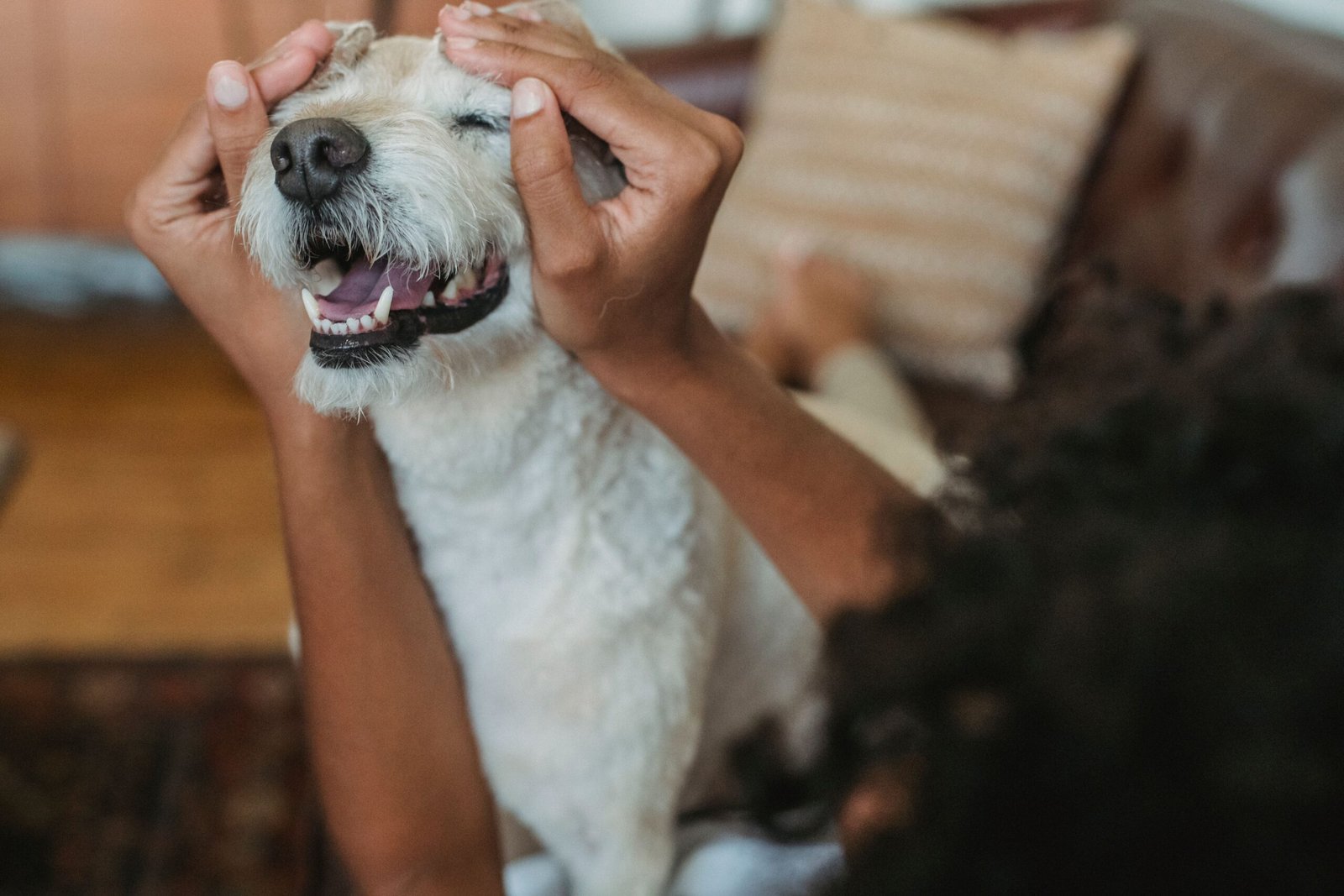
Dogs who accept ear cleaning most easily usually learned that ear touches are boring and well paid. If this is new, spend several days—or longer—on handling alone.
- Choose a quiet time, not right after a chaotic walk.
- Keep your dog standing or sitting at your side, or lying in a position they already like—not pinned on their back.
- Touch the neck and then the ear flap, lift it briefly, then stop and offer a small, dog-safe reward.
- Repeat until a short look inside the visible opening is uneventful.
- Only then introduce the sight and smell of the cleaner, and a cotton ball against the parts you can see.
Short sessions beat long ones. If your dog freezes, growls, snaps, cries, or tries to escape, step back to an easier step. If you suspect pain, pause and call your veterinarian. A painful ear needs an exam, not a braver owner.
What to use—and what to leave on the shelf
Ask your veterinarian which cleaner, if any, is appropriate. Some are drying; some are not meant for ears that might have a damaged eardrum; some dogs do better with a wipe of the visible flap and no liquid in the canal at all.
Useful supplies usually include:
- A veterinarian-recommended ear cleaner, used as labeled.
- Cotton balls, cosmetic pads, or gauze.
- A towel for drips and head shaking.
- Familiar, dog-safe treats.
Skip cotton swabs (cotton buds) inside the canal. They can push debris deeper or injure structures you cannot see. A swab used only on the visible surface of the flap is less risky, but a cotton ball is usually enough.
Also skip hydrogen peroxide, rubbing alcohol, essential oils (including tea tree), leftover prescription drops from a previous problem or another pet, human ear drops, and homemade vinegar mixes unless your veterinarian has recommended a recipe for your dog. “Natural” does not automatically mean safe in an ear canal, especially if the eardrum is not intact.
A simple method for a comfortable ear

Only clean when the ear looks and smells like a good candidate for home care, or when your veterinarian has given you a schedule. If you are cleaning because the ear already smells, oozes, or hurts, call the clinic instead.
- Let your dog sniff the bottle. Warm a closed bottle in your hands if the room is cold; icy liquid is more startling.
- Hold the ear flap up so you can see the opening, and rest your hand so a sudden movement is less likely to jab the nozzle inward.
- Squeeze cleaner into the canal according to the product directions. Do not insert the tip deep into the ear. Fill enough that you can massage, rather than flooding the dog’s head.
- Fold the flap down and massage the base of the ear for about 20 to 30 seconds. A gentle squelch means the cleaner is moving in the outer canal—not that you should press harder.
- Step back and allow your dog to shake, away from sofas and guests if you can. Shaking helps move loosened debris toward the opening.
- Wipe only what you can see: the inside of the flap and the entrance of the canal. Stop where the canal turns out of sight, and use a fresh cotton ball as it picks up wax.
- Repeat on the other ear with clean cotton if needed. Reward generously and stop while your dog is still reasonably relaxed.
You should not need to scrape or dig. If you see bleeding, stop and call your veterinarian. A little wax on the cotton is expected; pain, a sudden increase in odor, or discharge after cleaning is not a reason for a second, harder round. If medicated drops have been prescribed, ask whether to clean first and how long to wait before applying them.
How often is enough?
There is no single schedule that suits every dog. Over-cleaning can strip protective wax and irritate the skin; under-checking simply means you notice problems later.
- Most weeks: a calm look when you are already handling your dog. No liquid if the ear looks like itself.
- When your veterinarian recommends it: a full clean after swimming or a bath, or on a set rhythm for a dog who builds up wax.
- Not whenever the bottle is handy. Extra sessions are not extra credit.
If the ear looks dirty again within a few days, that pattern is information. Recurrent buildup or odor is a reason to ask about underlying causes, such as allergies—not a reason to buy a stronger cleaner and carry on alone.
Special situations
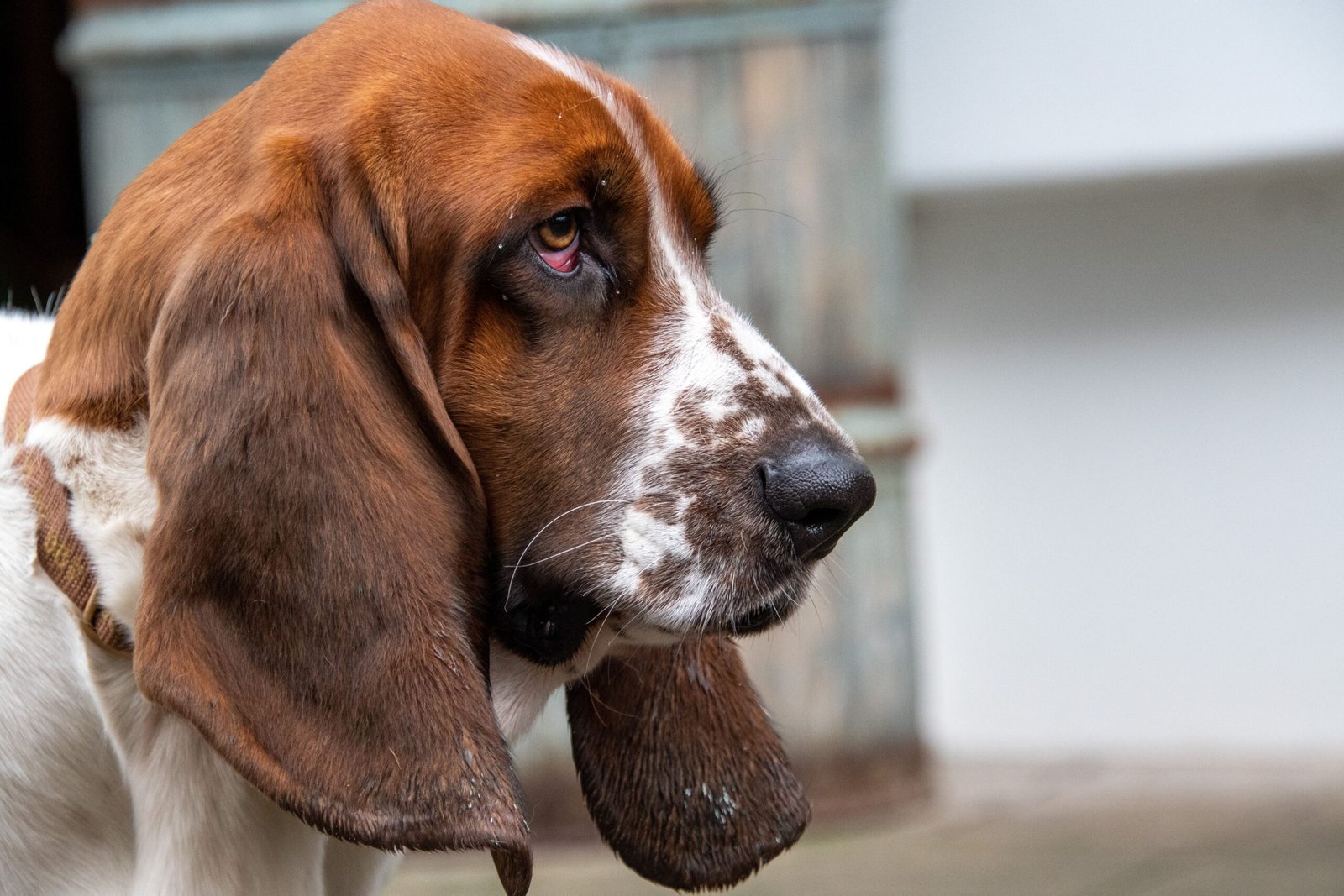
Floppy-eared dogs such as spaniels, bassets, and many retrievers may need more frequent checks, not more aggressive cleaning, because the flap traps warmth and moisture. Dogs who swim or get water in their ears at bath time may benefit from a veterinarian-approved clean afterward; dry the flap you can reach and do not push cloth down the canal.
Hairy ear canals, common in some poodle-type and mixed breeds, can trap debris. Do not pluck ear hair at home unless your veterinarian or a groomer they trust has shown you how. After a previous infection, finish the plan you were given even if the ear looks better.
Puppies do best if ear handling is paired with ordinary training before a real clean is needed. Seniors may have thicker wax or other conditions that change what is comfortable; go slowly and report new odor, discharge, or balance changes promptly. In multi-dog homes, check each dog individually.
Common mistakes to avoid
- Using cotton swabs, hairpins, or tweezers to “get the deep stuff.”
- Pouring kitchen liquids into the canal because a friend or a video suggested it.
- Cleaning a painful, smelly, or discharging ear in the hope that you can save a vet visit.
- Cleaning so often that the ear never has a chance to stay comfortable on its own.
- Reusing leftover ear medication from last year or from another animal.
- Assuming both ears need the same treatment because one looks dirty.
- Giving up after one wriggly attempt, or turning the session into a struggle.
A deep “flush” offered outside a veterinary setting is not a substitute for an examination. Ask your veterinarian first if someone proposes one without discussing pain or the eardrum.
When to call the veterinarian
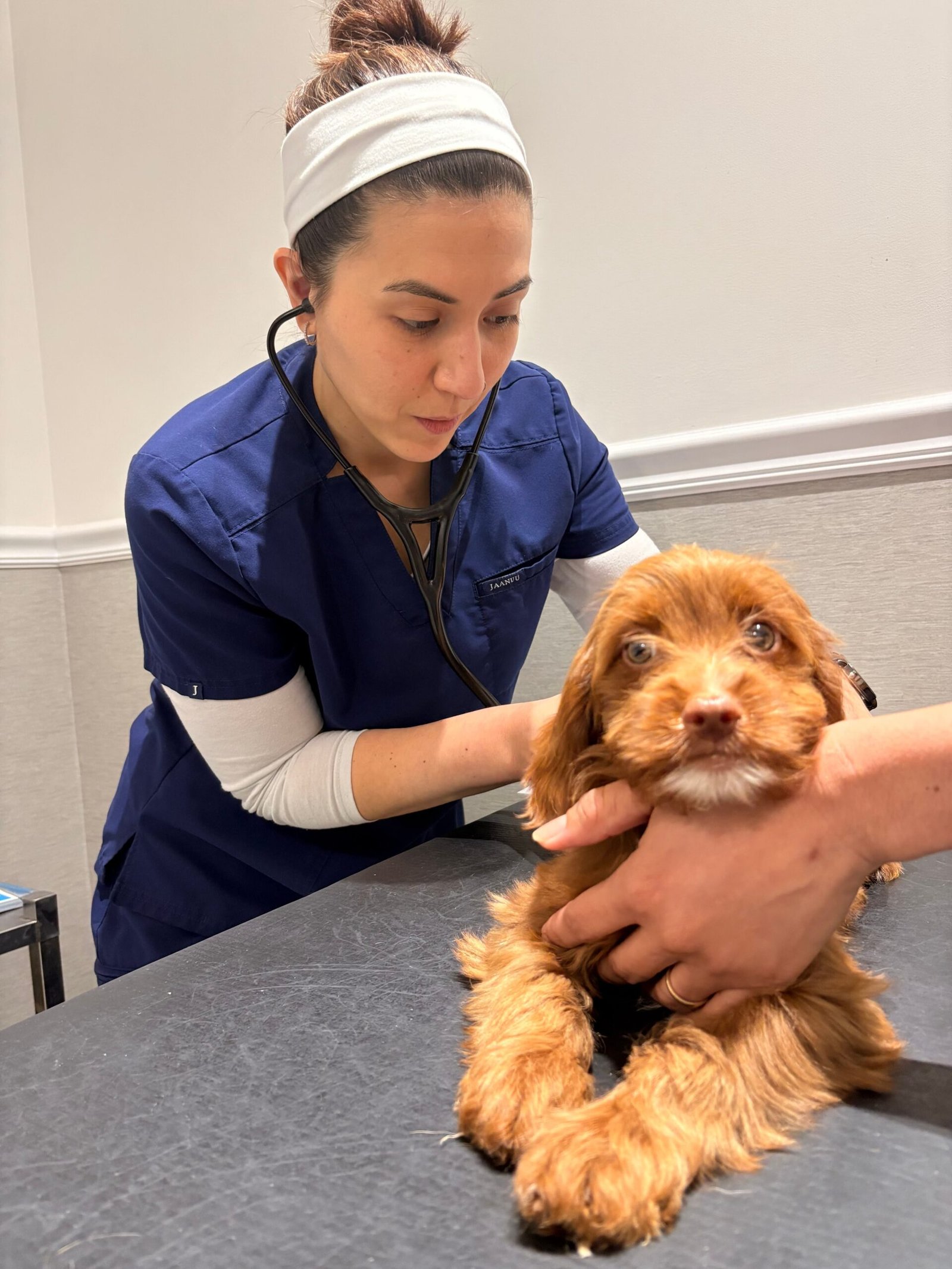
Contact your clinic if you notice pain or yelping when the ear is touched; a strong or unusual odor; colored or bloody discharge; redness, heat, or swelling; persistent head shaking or scratching; rubbing the ear on the floor or furniture; a head tilt, circling, or loss of balance; a sudden hearing change; swelling of the ear flap after vigorous shaking; or a problem that improves after cleaning and then returns.
These signs have many possible causes, including infection, allergy, a grass awn or other foreign body, parasites, or a deeper ear problem. That is why home speculation is not a diagnosis. Your veterinarian may look in the ear, take a sample, and recommend cleaning, medication, or further tests. If the ear is too painful to examine safely, they may discuss pain relief or sedation.
The calm takeaway
Good dog ear cleaning at home is simple on paper: a regular look, a veterinarian-approved cleaner when a clean is actually needed, cotton on the parts you can see, and the humility to stop. Reward ear handling, skip internet remedies, and choose a veterinary appointment over another wipe when something looks or smells wrong. Start with tonight’s gentle ear lift and a reward.
FAQ
How often should I clean my dog’s ears at home?
As often as your veterinarian recommends for your individual dog—and no more. Many dogs only need a regular look and an occasional clean when wax is visible at the opening. Dogs who swim, have floppy ears, or build up wax quickly may need a clearer schedule. Frequent dirty-looking ears after a recent clean are a reason to ask about the underlying cause, not a reason to clean every day.
Can I use cotton swabs or cotton buds?
Do not insert them into the ear canal. They can push debris deeper and injure skin or structures you cannot see. Wipe only the inner flap and the visible entrance with a cotton ball, pad, or gauze. If you cannot reach something without going around the corner of the canal, leave it and call your veterinarian.
What if my dog hates having their ears touched?
Slow down and treat this as training, not a wrestling match. Go back to brief neck and flap touches, rewarded every time, and stop while your dog is still comfortable. If your dog seems painful, panicked, or suddenly protective of their head, do not push through it—book a veterinary check first. Discomfort can look like stubbornness.
Is a slight smell or a little wax normal?
A small amount of light wax can be normal, and some ears have a faint, ordinary scent if you are very close. A smell you notice from a short distance, a sweet or foul odor, colored discharge, or wax that returns almost as soon as you wipe it is not something to ignore. When in doubt, describe what you see and smell to your veterinarian rather than guessing the cause at home.
Can I use vinegar, peroxide, or human ear drops?
Not unless your veterinarian has specifically told you to use a particular product or recipe for this dog, at this time. Kitchen liquids and human ear drops are not automatically safe in a dog’s ear canal, especially if the eardrum might be damaged. Use a cleaner recommended for your dog, or skip the liquid and book an exam.
Related reading
- Dog Dental Care At Home — another short at-home care habit built on gentle handling and knowing when to book the clinic
- Best Dog Food For Seniors — older dogs often need slower handling and closer watching for new health changes
[…] the care routines themselves, use the quieter how-tos for trimming a dog’s nails at home, dog ear cleaning at home, dog dental care at home, and how to brush your dog at home. Here, the point is briefer: can your […]