

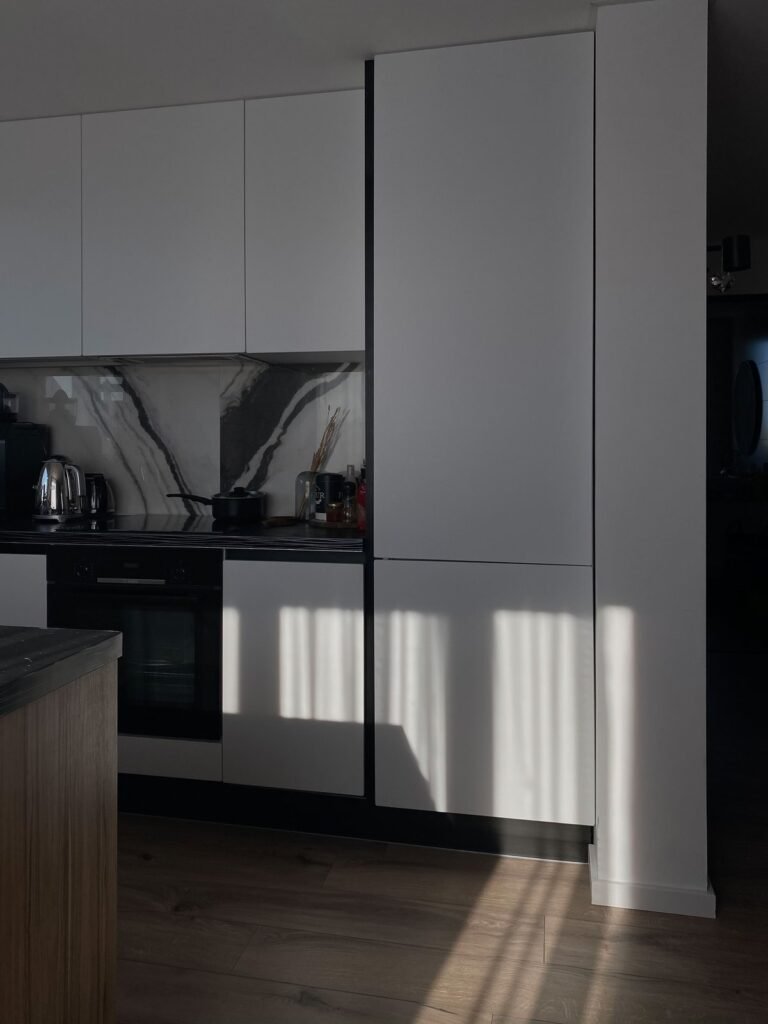
If you are looking for the best pet-proof cabinet locks and latches for apartment kitchens, treat the purchase as a hardware decision about doors, damage, and daily use, not as a ranked shootout of brands. The useful goal is simple: cleaning supplies, trash bags, and food stay behind a door you can still open with one hand, and the latch can come off when you move out.
This is a buying guide for dog and cat parents in the US and UK, not a behavior plan and not a trash-can review. Hardware helps when a cat has already learned to hook a handle, when a dog can nose a door open, or when an under-sink cupboard holds cleaners you do not want a pet to reach. It does not replace the work of stopping a cat from opening cabinets and drawers, and it does not replace a pet-proof trash can for a small kitchen. No latch in this article is promised to stop a large, determined dog. If a pet already gets into cleaners, food, or trash, close the gap with storage and habits as well as a latch.
Why apartment kitchens are a weak spot
A small kitchen concentrates the tempting and the hazardous in a few doors. Under-sink cabinets often hold dishwasher tablets, sprays, and trash bags. A lower food cupboard may hold treats, bread, or an open bag of kibble. Handle-free push-to-open doors, which look clean in a compact rental, can be even easier for a paw or a nose to bump open. Overlay doors that sit on the front of the frame and inset doors that sit inside the frame also take different latches, so the first question is not “which product is best,” but “what kind of door do I actually have.”
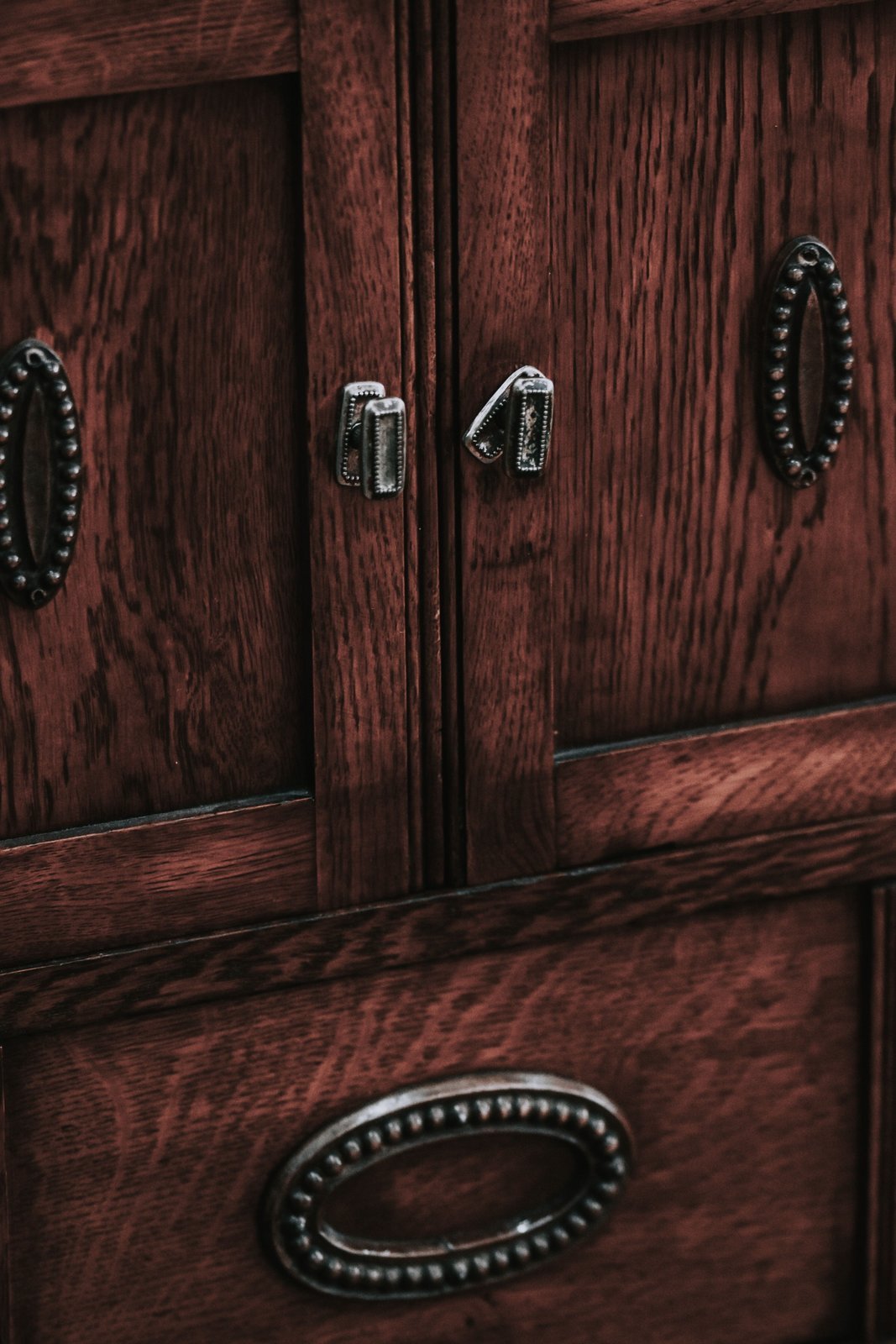
A latch is only one layer. If your cat already works the counters, pair this hardware with a plan for keeping a cat off kitchen counters and keeping a cat off the stovetop. If your dog already hunts the bin or the worktop, keep using the trash routine and the counter-surfing plan, and put food in containers a pet cannot tear open. This article will not rewrite those plans. It will help you choose a latch that fits a rental kitchen.
The four types to compare
Adhesive child-proof latches are the most common renter starting point. A catch sticks to the frame and a latch sticks to the door, or a strap sticks across two handles, and you release it with a squeeze, a slide, or a hidden catch. The appeal is clear: little or no drilling, a reasonable chance of coming off with dental floss or careful heat when you move, and a design already meant for daily adult use. The limits are also clear. Adhesive fails on textured, dusty, or freshly wiped damp surfaces, and a strong dog can sometimes peel a poorly seated plate. Clean the surface, press firmly, and wait the full time the packet lists before you test it with a pet in the room. That wait is about the adhesive setting, not about fixing a behavior problem.
Magnetic catches use a magnet in or on the door and a catch on the frame, often with a magnetic “key” an adult uses to release the door. They can look tidy on a handle-free front, and they leave fewer obvious straps for a cat to paw. They also need careful alignment, and a cheap magnet may not hold if the door is warped or if the gap is wider than the catch was made for. If you cannot find the key, you cannot open the cupboard, so keep a spare in a drawer the pet cannot open.
Strap locks wrap two knobs or handles and click or buckle shut. They are fast to try on a cupboard that already has two handles close together, and they are easy to pack when you move. They do nothing for a handle-free door, and a determined cat may still work a loose strap. They also add visual clutter in a tight galley kitchen, which is a fair trade if they are the only no-drill option that actually stays closed.
Sliding cabinet locks, including some that sit on the top edge of a pair of doors or in a track, stop the doors from opening wider than a small gap until you slide or lift the catch. They can work well on paired doors that meet in the middle. They are a poor fit for a single door, a drawer, or a door that needs to open fully every time you cook. If the slider needs screws, check your lease and use the smallest fixings that still hold, or look for a no-drill version that clamps or sticks.
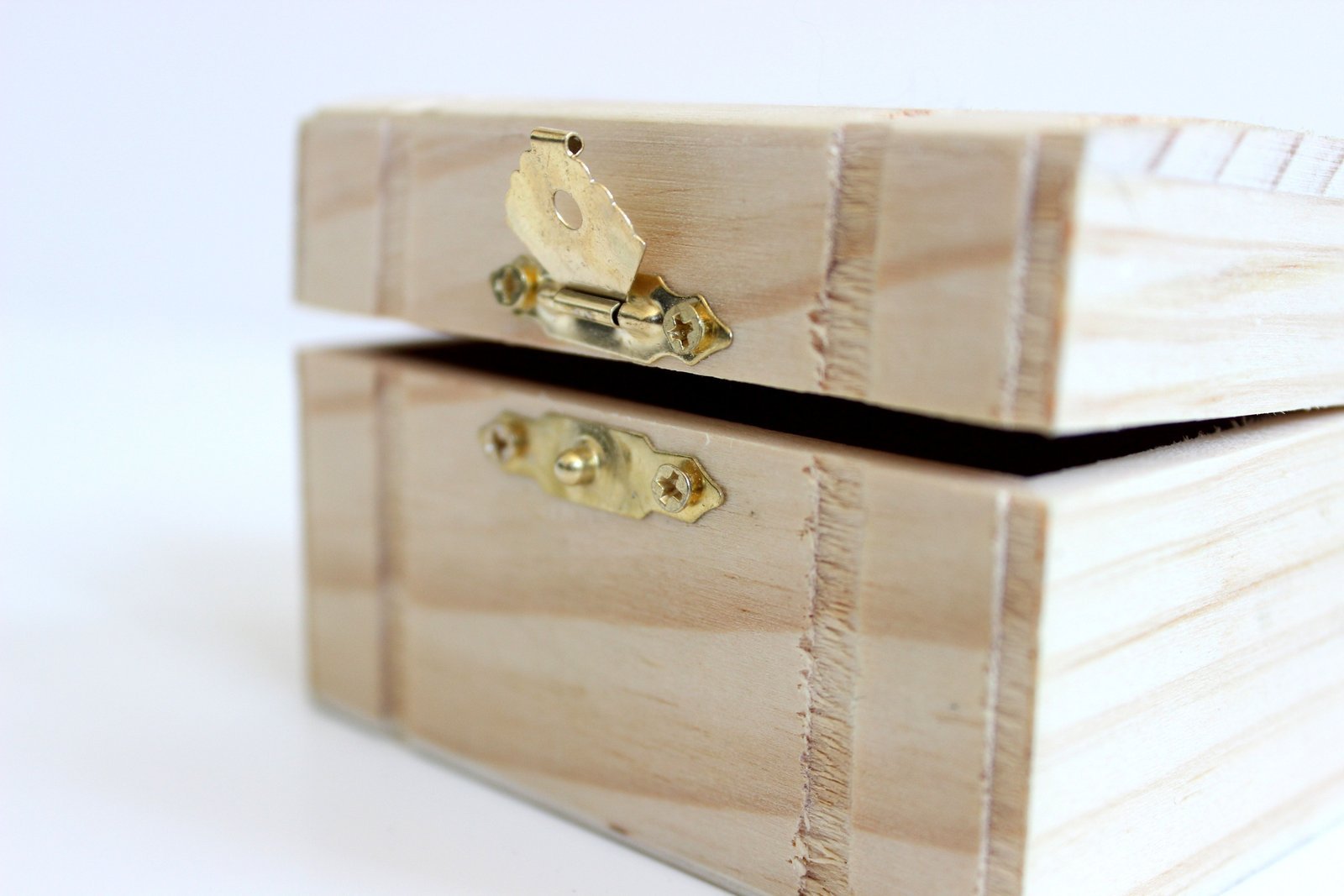
A small decorative hasp on a wooden box is not a kitchen latch, but it is a useful reminder of what you are actually buying: a catch that holds a lid or a door until a person releases it. Do not screw a chest-style hasp and padlock onto rental cabinetry. It is the wrong hardware, it can damage the door, and it is slower to open than a latch made for daily kitchen use.
Match the latch to the door
Look at the door before you order. Overlay doors leave a lip on the frame where many adhesive catches can sit. Inset doors sit flush and may need a slimmer catch or a strap that uses the handles instead of the frame. A single door needs a latch that works against the frame; a pair of doors may do better with a sliding catch or a strap between two handles. Drawers often need a different catch than cupboard doors, and a drawer of knives or cleaners is worth latching even if the upper cabinets stay simple.
Handle-free and push-to-open fronts need a plan that does not rely on wrapping a cup pull. A magnetic catch or an internal adhesive latch is usually the better match. If the door already has a soft-close damper, test that the new catch does not fight it so hard that the door no longer shuts. You should be able to close the door with a normal push and open it with one hand after the release.
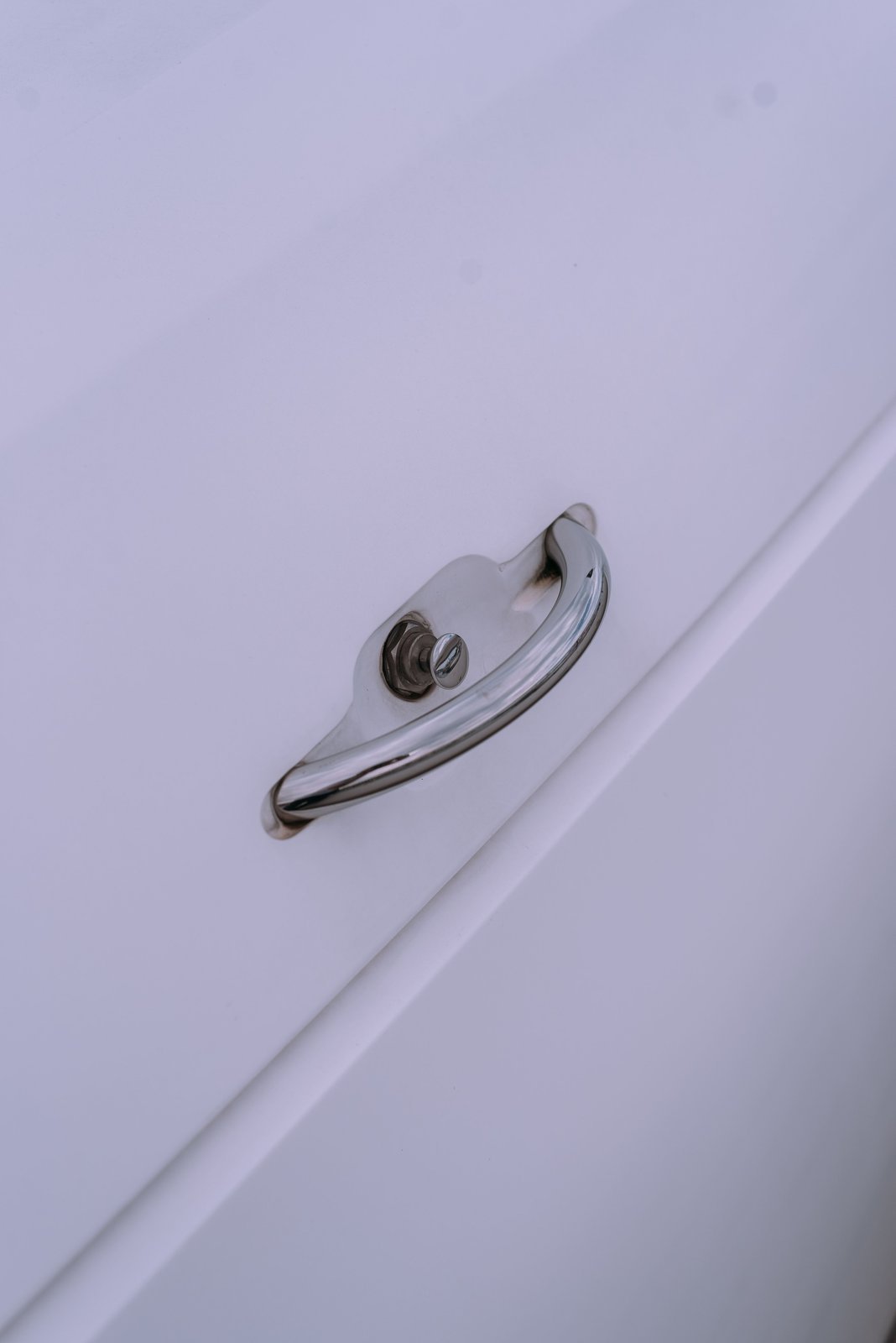
A heavy commercial door latch on a stainless door is not what you are installing in a rental kitchen. It is a different job, with a different kind of catch, and it is here only as a contrast: kitchen pet latches are meant to be opened many times a day by a person, then hold against a paw, a nose, or a modest pull, not to act like a walk-in door mechanism.

Install it so you can still live with it
Read the packet and follow the surface-prep steps. Wipe the area with rubbing alcohol if the instructions allow it, let it dry, and avoid hanging a latch on a door you just painted or washed. Press and hold for the time listed, then leave the door unused, or use the door without testing the latch, until the adhesive has had its full wait. A latch that fails on day one is often a prep problem, not proof that “no latch works.”
Place the catch where an adult can reach it without a stool and where a pet cannot sit on a chair and bat it open. On a lower cupboard, that may mean a release slightly higher or deeper than the first place you want to stick it. After it is set, open and close the door a dozen times the way you actually cook. If you need two hands, a tool, or a lot of force, that latch will be propped open by Friday. Choose a design you can release daily.
When you move out, take the latch off the way the maker describes, often with floss behind the plate and gentle heat. Do not pry with a knife and scar the finish if you can avoid it. Save the packet; some adhesives are easier to reverse than they first appear.
What a latch cannot do
No cabinet latch in this guide is a guarantee against a large, determined dog. A dog that can paw, bite, or body-check a door may peel an adhesive plate, bend a cheap strap, or pop a weak magnet. If you have a strong dog and a cupboard of cleaners, do not rely on a latch alone: move the cleaners higher or out of the kitchen, use a tighter food container, and keep the door closed as a habit, not as a challenge. A latch is one layer, not a wall.
Cats and dogs also fail latches in different ways. A cat may hook a handle, sit on a strap, or learn where the release is if you demonstrate it in front of them. A dog may pull, chew, or shove. Test with the actual pet after the adhesive has set, and stay in the room the first few times. If the door opens, adjust or change the type rather than adding a second weak latch that still does not hold.
Hardware also will not stop a pet that already works the counters, the stove, or the shared feeding area. If you feed a dog and a cat in the same apartment, keep food bowls and bags out of unlatched lower cupboards. If you are doing a wider cat-proofing pass on a small apartment, put cabinet latches on the list with window stops and a closed toilet lid, not in place of those steps.
A good enough result
You do not need a latch on every door. You need the doors that hold cleaners, trash bags, and tempting food to stay closed, a release you will actually use, and a way to take the hardware with you when the lease ends. Start with one under-sink cupboard and one food cupboard, live with the latch for a week, and only then decide whether a drawer or a second door needs the same treatment. A latch you open daily, that holds against your own pet, and that you can remove later, is enough.
FAQ
What kind of cabinet latch works best in a rental kitchen?
Start with a no-drill or low-damage option that matches your door: adhesive child-proof latches or magnetic catches on many overlay and handle-free doors, and strap locks on pairs of handles. The better choice is the one you can open with one hand, that holds against your pet, and that you can take off when you move.
Will a cabinet latch stop a large dog?
Do not count on it. A large, determined dog can peel adhesive, bend a cheap strap, or pop a weak magnet. Use a latch as one layer, move cleaners and tempting food out of easy reach, and keep tighter storage on bags and trash. If the door still opens, change the type or move the contents rather than trusting a weak catch.
Can I use baby-proof cabinet locks for cats and dogs?
Often, yes, because many apartment latches are child-proof designs used on the same doors. Match the type to the door and test it with your pet after the adhesive has set. A cat may hook a handle or learn a release; a dog may pull or chew. The right test is your animal and your cupboard, not the age group on the packet.
Do I need to drill into rental cabinets?
Not always. Many adhesive and strap options are meant to stay in place without screws and to come off later. If a sliding lock or a stronger catch needs a small screw, check your lease first and use the lightest fixing that still holds. Avoid hardware that scars a door or that you cannot remove at move-out.
Should I latch every cabinet in a small kitchen?
No. Latch the doors that hold cleaning supplies, trash bags, and food a pet would want, then live with that setup for a week. Extra latches on rarely used upper cabinets add daily friction without much benefit. A few doors that stay closed are more useful than a whole kitchen of catches you prop open.