


If you want to feed a dog and a cat in the same apartment, the hard part is rarely the idea of two meals. It is the tight kitchen, the open bowl the dog can reach in two steps, and the fact that cat food often smells more interesting to a dog than the dog’s own dinner. A shared bowl in the middle of the floor usually means the cat gets rushed and the dog gets a snack that was not meant for them.
A practical plan is a setup, not a new diet: separate stations so the cat can eat without being raided, a way to keep the dog out of the cat’s bowl, staggered meals that do not jam the kitchen, and a clear decision about leftover kibble. Do not invent a menu that both species share.
This is general information for pet parents in the US and UK, not a veterinary diagnosis, and not a promise that every household will settle after a set number of days. Cat food is not a fine everyday meal for a dog, and dog food is not a complete everyday meal for a cat. If a pet guards food, snaps, or is losing or gaining weight, that is a veterinary or behavior question, not a wait-and-see.
This is one dog and one cat, not two cats or a diet guide
The job here is one dog and one cat sharing the same small kitchen or living space, including the classic problem of a dog who steals the cat food. It is not a rewrite of how to feed two cats in a small apartment, which is two cats competing with each other. If you also have a second cat, use that guide for the cat-to-cat side and this one for the dog.
It is also not how much you should feed a dog or how much you should feed a cat. Those portion guides matter, but they do not tell you where the bowls should live. It is not how to get a picky dog to eat or how to get a picky cat to eat, though a rushed or raided bowl can look like pickiness. And it is not a buying guide to automatic dog feeders or automatic cat feeders, or a storage guide for dog food or cat food. Those tools can support the plan. This article is the shared-space setup.
Think of four jobs, not one:
- Separate the stations. The cat needs a place the dog cannot casually walk up to.
- Protect the cat’s bowl. A closed door, a baby gate the cat can pass, or a timed meal is more reliable than a verbal “leave it” alone.
- Stagger the meals. Two animals eating at once in a galley kitchen is how traffic jams start.
- Decide what happens to leftover kibble. Free feeding in a small home is an open invitation to the dog.
Give the cat a station the dog cannot raid

The cat’s station should be a place the dog cannot reach without help. In a small flat that might be a counter the dog cannot jump, a high shelf or a sturdy perch, a bedroom or bathroom with the door cracked for the cat only, or a gate the cat can slip through and the dog cannot. The exact furniture will depend on the dog’s size and the cat’s comfort. The point is a legal path to the bowl that does not run through the dog’s reach.
Keep the cat’s bowls in the same spot each day so the routine is obvious, and put water there too if you can. If you need a timed or chip-activated feeder because no room is truly off limits, use the cat feeder guide as a buying tool, not as a substitute for watching the first meals.
A cat who is repeatedly chased off the bowl may start to gulp, graze less, or avoid the kitchen. That is a setup problem first. If the cat also seems unwell or is losing weight, treat that as a veterinary question.
Keep the dog out of the cat’s bowl
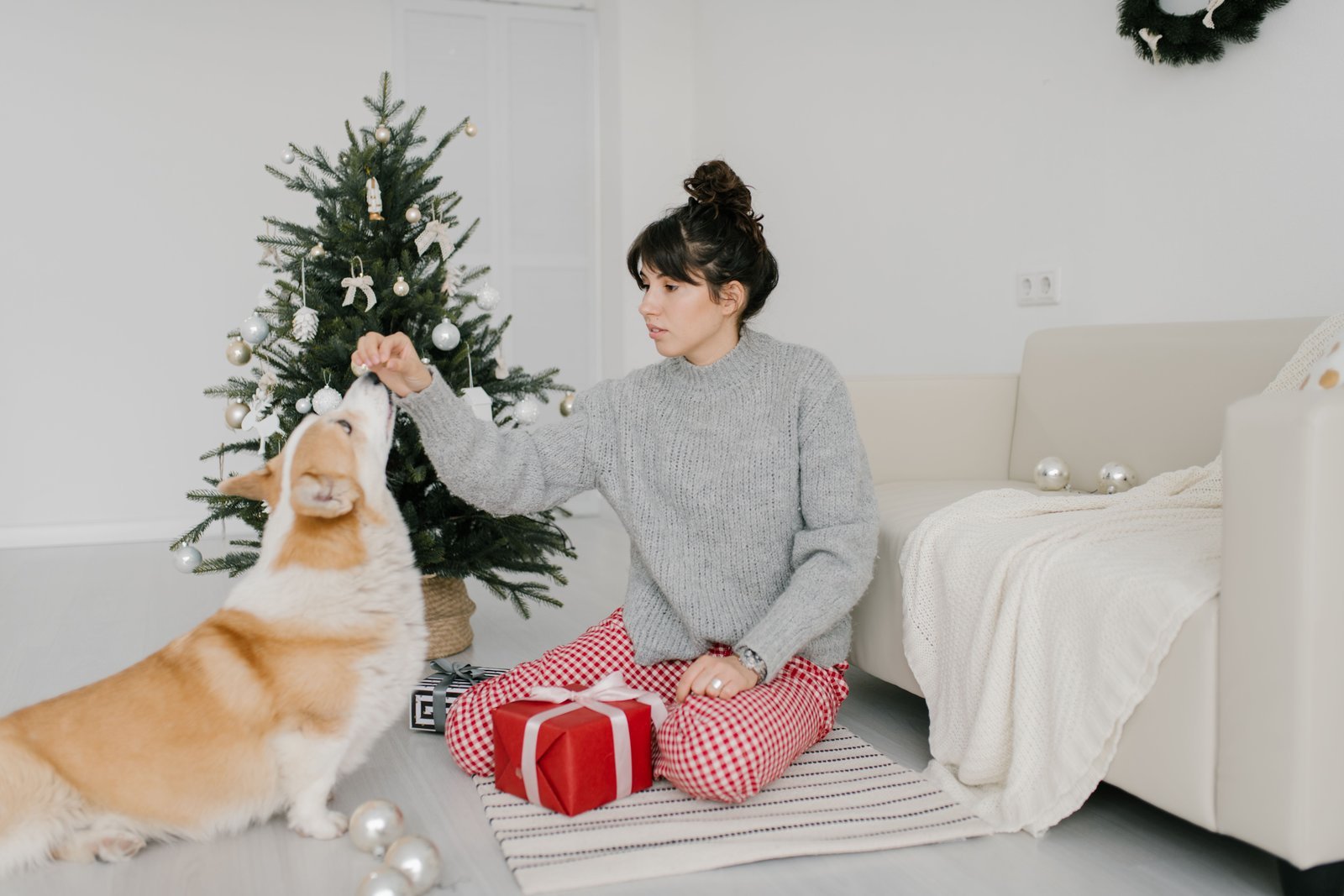
The dog needs the cat’s food to be physically out of reach, and their own meal to be ready so they are not hunting leftovers. Feed the dog in a settled spot with enough space that they can finish without hovering at the cat’s station.
If the dog has already learned that the cat’s bowl is a snack bar, management comes first. Close the door, pick up the cat’s bowl when the meal is over, and do not leave the interesting food down “just for a minute.” A baby gate or a closed room is more reliable than hoping the dog will remember a cue when the kitchen smells like cat food.
You can still teach a leave-it or a settle during the cat’s meal, and pay the dog for staying in their own spot. That is training on top of management, not a replacement for it. If the dog wolfs their own food and then goes looking for the cat’s, the slow-feeder guide can help with the gulping. It will not, by itself, keep them out of a second bowl left on the floor.
Never use the cat’s food as a treat, a mixer, or a “just this once” topper for the dog. A small stolen nibble is not an emergency on its own, but making it a habit is how a dog starts to live on a food that is not meant as their everyday diet.
Stagger meals without a kitchen traffic jam
In a galley kitchen or a studio, two bowls down at the same time often means two bodies in the same two square meters. Stagger the meals. Feed the cat first in the quiet station, then feed the dog, or the reverse if that keeps the dog occupied while the cat starts. The useful order is the one that stops the raid, not a universal rule.
Keep the sessions short and calm. Put the food down, give the animal a chance to eat, then pick up what is left rather than leaving both dishes as an all-day buffet. If you need to be out at a regular mealtime, an automatic feeder can be one management tool, but it still has to sit where the other pet cannot steal from it.
Roommates and family need the same sequence. One person who “just puts both bowls down” will undo a careful stagger.
What to do with free-fed kibble
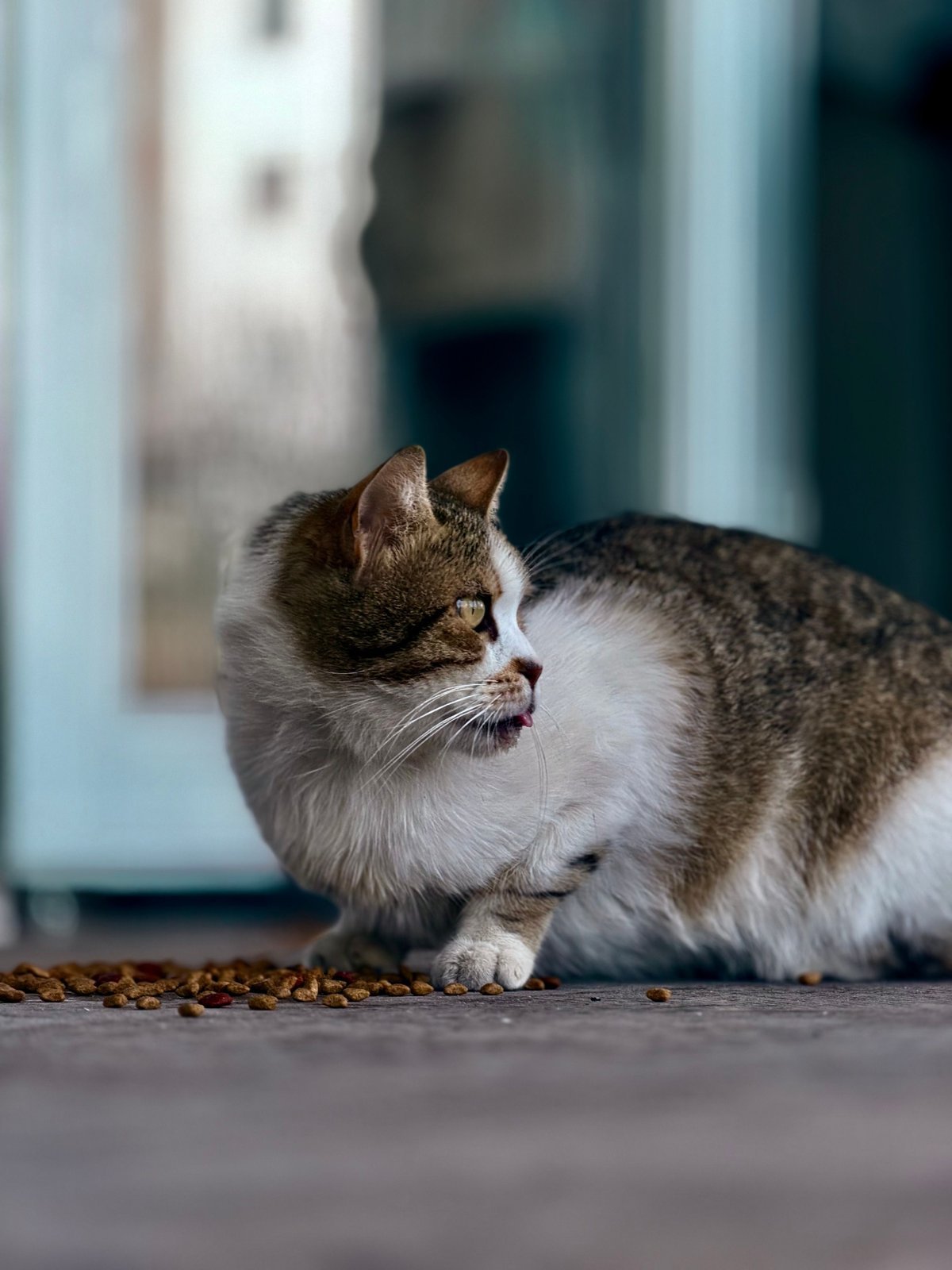
Free-fed kibble is convenient in a house with a single cat and no food thief. In a small home with a dog, an open bowl is usually an open invitation. The dog may empty the cat’s all-day supply in one visit, and the cat may then go looking for food at odd hours or give up on a predictable meal.
A more useful default is measured meals, even if the cat used to graze. Put down a portion, give the cat a quiet window to eat, then pick the bowl up. If the cat prefers to nibble, split the daily amount into two or three short sittings at the same station. The portion guides can help you think about how much belongs in a day; this article is about not leaving that amount where the dog can finish it.
Store the rest of the food where neither pet can self-serve. The dog-food storage guide and the cat-food storage guide cover containers and small-space storage. The point here is simpler: a bag or a hopper on the kitchen floor is part of the raid problem.
If a cat refuses measured meals or a dog seems frantic at every sitting, look again at health and stress before you go back to an all-day buffet as the only fix.
Do not share from the counter, and do not share diets
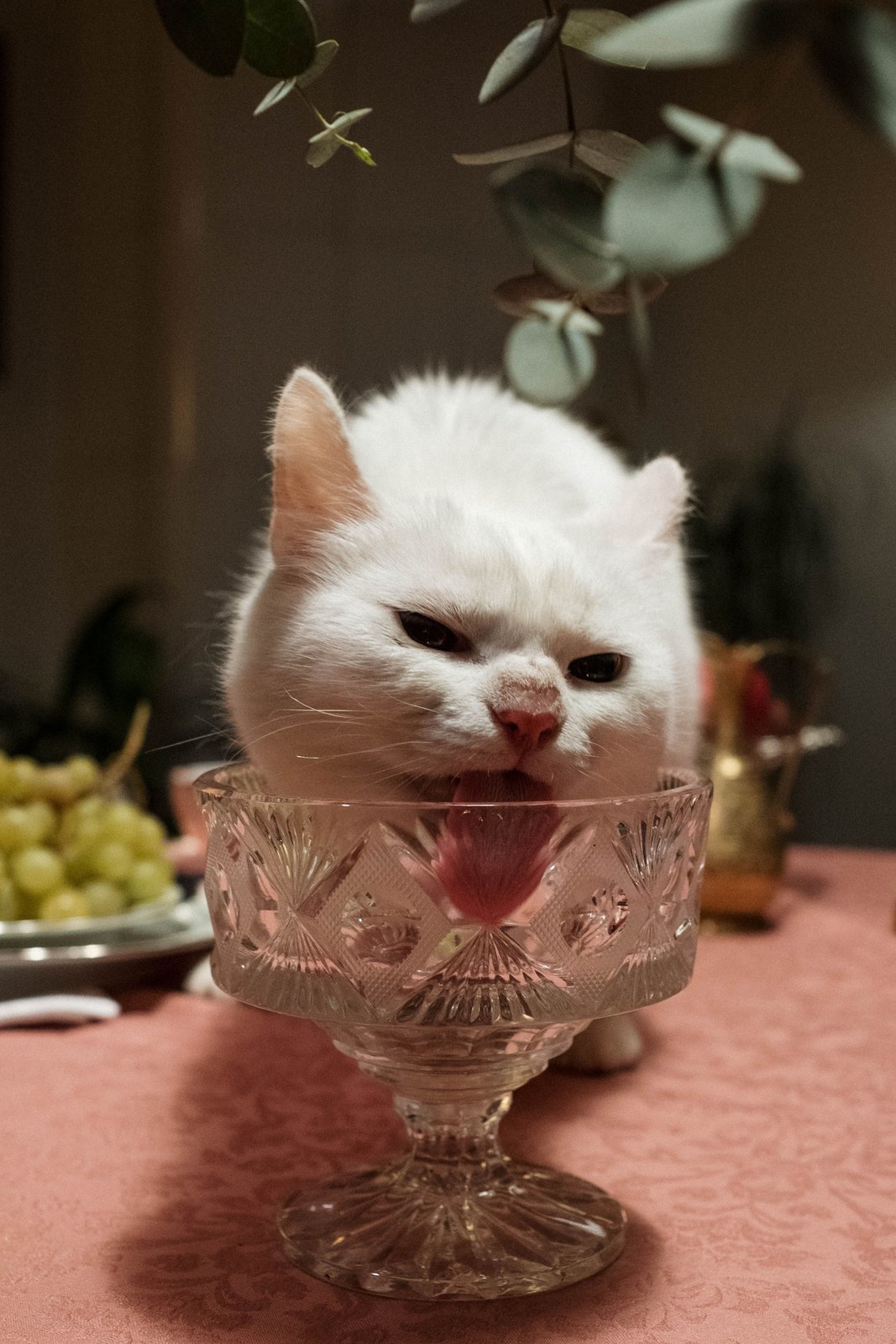
A tight kitchen makes it tempting to let a pet “just have a bite” from the counter, the table, or a plate on the sofa. That habit turns every meal you eat into a second feeding session, and it can put unsafe human foods in reach. Do not share from the counter as a way to keep the peace. If you need a reminder of what is unsafe, use the human foods guide for dogs and the human foods guide for cats. This article is not a nutrition chart for either species.
The same rule applies across species. Do not invent a shared diet, a 50/50 mix, or a routine where the dog finishes the cat’s can and the cat samples the dog’s kibble. The two foods are made for different animals. A stolen mouthful is a reason to tighten the setup, not a reason to switch both pets onto one bag.
If a pet is avoiding their own food, use the picky-eating guides rather than topping every meal with the other species’ dinner.
When this is a veterinary or behavior question
Most stolen bites are a logistics problem in a small kitchen. Some are not. Food guarding, a snap or a freeze over a bowl, a fight between the dog and the cat at mealtime, or a pet who is losing or gaining weight needs more than a new bowl placement.
Contact a veterinarian if eating habits change suddenly, if a pet seems painful or unwell, or if weight is moving in a way you cannot explain by a few stolen snacks. A pet that guards food or snaps at the other animal also needs qualified behavior help. This article is general information for an everyday shared-kitchen setup, not a diagnosis and not a treatment plan.
A calm starting plan you can repeat
You need a sequence you can use on ordinary days, not a special run of drills.
- Give the cat a station the dog cannot casually reach, and feed the cat there only.
- Feed the dog in a separate, settled spot, and pick up both bowls when each meal is over.
- Stagger the two meals so the kitchen is not trying to host both at once.
- Stop leaving an all-day kibble buffet down if the dog can get to it.
- Do not share from the counter, and do not use one species’ food as the other species’ everyday meal.
- If a pet guards food, snaps, or is losing or gaining weight, stop tweaking the layout alone and get veterinary or behavior help.
The goal is two calm, separate meals in a small home, not a promise that every dog will ignore the cat’s bowl after a handful of meals.
FAQ
Can I just feed the dog and the cat from the same bowl?
No. A shared bowl usually means the dog eats first and the cat gets rushed or goes without. It also mixes two foods that are not meant as everyday meals for the other species. Give each pet their own station and their own food.
Is it all right if the dog sometimes finishes the cat’s food?
A single stolen nibble is not an everyday diet, but it is a reason to change the setup. Cat food is not a fine everyday meal for a dog. Pick up leftovers, move the cat’s station out of reach, and stop leaving an open bowl down.
How do I stagger meals in a tiny kitchen?
Feed one pet at a time. Start with the animal who is more likely to be raided or rushed, then feed the other in a separate spot. Keep the sessions short, pick up the bowls, and agree with roommates that nobody puts both dishes down at once.
Should I keep leaving kibble out all day?
In a small home with a dog, an all-day bowl is usually too easy to steal. Measured meals at a cat-only station are a more reliable default. Split the daily amount into two or three short sittings if the cat prefers to nibble.
When is this a veterinary or behavior issue?
Contact a veterinarian if a pet is losing or gaining weight, if eating changes suddenly, or if a pet seems painful or unwell. Food guarding, snapping, or a fight over a bowl also needs qualified behavior help. This article is general information for a shared-kitchen setup, not a diagnosis and not a treatment plan.
[…] surface the dog cannot reach, or at a time when the dog is already settled elsewhere, and see how to feed a dog and a cat in the same apartment for the two-species setup. A stolen meal can also teach the cat to gulp even faster the next time […]
[…] table. If you share a home with both a dog and a cat, keep their stations the way you already do in feeding a dog and a cat in the same apartment, and do not add a platter of scraps to that system for the […]