


If you need to know how to give a cat a pill, the hard part is not the idea of “hide it in a treat.” It is a cat who notices a change in texture, a small room where a startled jump ends under the sofa, and a prescribed tablet or capsule you still have to get in. Houses with a helper and a wide counter can hide some of that awkwardness. Many flats cannot.
A useful mindset is this: you are getting the dose in with as little struggle as possible, not winning a wrestling match. A pill pocket or a small soft treat, a stable hold, one short attempt then a break, and a little water or a wet-food chaser afterward will do more than a long, stressful session you both remember.
This is general information for cat parents in the US and UK, not veterinary advice on which medicine, dose, or whether a pill is needed, and not a promise that a method will work every time. Follow the veterinarian’s directions, including any note about food, timing, or whether the tablet or capsule can be given with a treat. If the cat panics, has trouble breathing, foams, or you cannot get the medication in, stop and call the clinic.
This is a home pilling method, not a vet-visit rewrite
The job here is a calm, practical way to give a prescribed tablet or capsule at home. It is not a substitute for how to get a cat comfortable at the vet. Clinic visits, waiting rooms, and exam tables belong in that guide.
Getting the cat into a carrier for a later appointment is also a different skill; use how to get a cat comfortable in a carrier rather than turning this into a carrier rewrite. Mouth care, nail trims, and brushing are handling jobs of their own: how to care for your cat’s teeth at home, how to trim a cat’s nails at home, and how to brush a cat at home. Those routines can make handling easier over time, but they are not this pilling method.
Think of three jobs, not one:
- Prepare. Read the label and the veterinarian’s directions, and have the treat or water ready before you start.
- Keep it short. One calm attempt is better than a long chase around a studio.
- Stop when you should. Panic, breathing trouble, foaming, or a missed dose you cannot complete is a reason to call the clinic, not to try harder.
The goal is a repeatable, kind routine, not a claim that every cat will take a pill willingly.
Start with a pill pocket or a small soft treat

If the veterinarian or the label allows the medicine to be given with food, a pill pocket or a small soft treat is often the least stressful first try. The aim is to hide the tablet or capsule completely, offer it as an ordinary treat, and watch long enough to see that the cat swallows it rather than carrying it away to spit out later.
Use a treat the cat already likes, and keep it small. A large wad of food is easier to nibble around, leaving the pill on the floor. Soft, sticky treats or a purpose-made pill pocket tend to hold a tablet better than a dry biscuit. Offer one plain treat first if the cat is suspicious, then the hidden dose, then another plain one. Stay nearby until you are reasonably sure it went down.
Do not crush or split a pill, or open a capsule, unless the veterinarian or the label says that is safe. Some medicines should not be broken, and some taste stronger once the coating is damaged, which can make the next dose harder. If hiding the whole pill in a treat is not allowed, skip this step and ask the clinic what they recommend instead.
In a small apartment, set the treats out first, then bring the cat into a quiet corner, or close a door so they cannot vanish under the bed. Use food only when it is allowed.
Use a stable hold, and a pill giver only if you need one
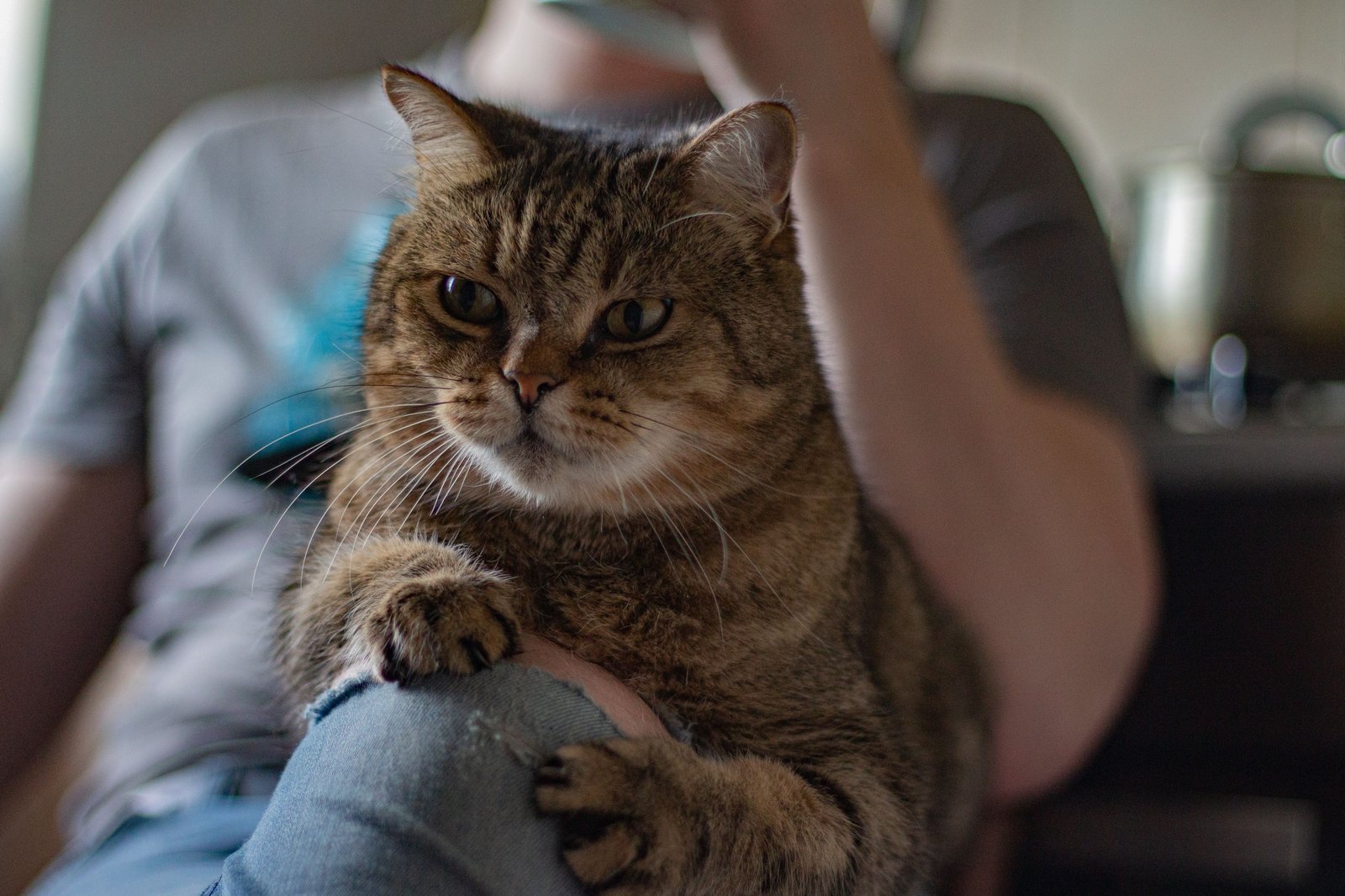
If a treat is not an option, or the cat has already found and refused the hidden pill, you may need to place the tablet or capsule in the mouth. A pill giver — a soft-tipped tool designed to hold a pill — can help some people place the dose more neatly and keep fingers safer. It is optional, not a requirement, and this guide does not rank brands.
Set yourself up first. Sit on the floor, a stable chair, or against the sofa so you are not standing and leaning. In a small home, a room with the door closed can keep a wriggle from turning into a chase under furniture. Have the pill already in the treat, the pocket, or the pill giver. A second person can gently support the cat’s body, but many people do this alone.
A stable hold supports the body and keeps the cat from backing away, without pinning them so tightly that they panic. Do not crank the head far back. A slight lift of the chin is enough to see the mouth; tipping the head toward the ceiling can make swallowing harder and is uncomfortable. Open the mouth at the side of the jaw with a calm, brief motion, place the pill toward the back of the tongue — or use the pill giver for that same placement — then close the mouth and give the cat a moment to swallow.
If the cat stiffens, struggles hard, or you cannot see what you are doing, stop that attempt. A hold that feels like a fight is a reason to pause, not to tighten your grip.
One short attempt, then a break
Keep the first try short. Gather what you need, call the cat or pick them up calmly, try once, and then stop if it has not worked. A second immediate attempt, or a long pursuit from the kitchen to the bedroom, often makes the next dose worse.
If the pill comes back out, or you are not sure it was swallowed, take a break. Let the cat leave, sit down, or have a plain treat if food is allowed. Wipe up anything that was spat out, and only then decide whether a second short try still makes sense. If the cat is hiding, breathing hard, or clearly frightened, do not follow them under the sofa. Call the clinic if you cannot get the medication in.
A break is also useful when you succeed. Put the cat down gently, offer a stroke if they welcome it, and let them go back to their usual spot. The end of the routine should feel ordinary, not like a scolding. In a small apartment, a dose you can give with a few quiet minutes is easier than one rushed as you leave for work.
Offer a little water or a wet-food chaser afterward
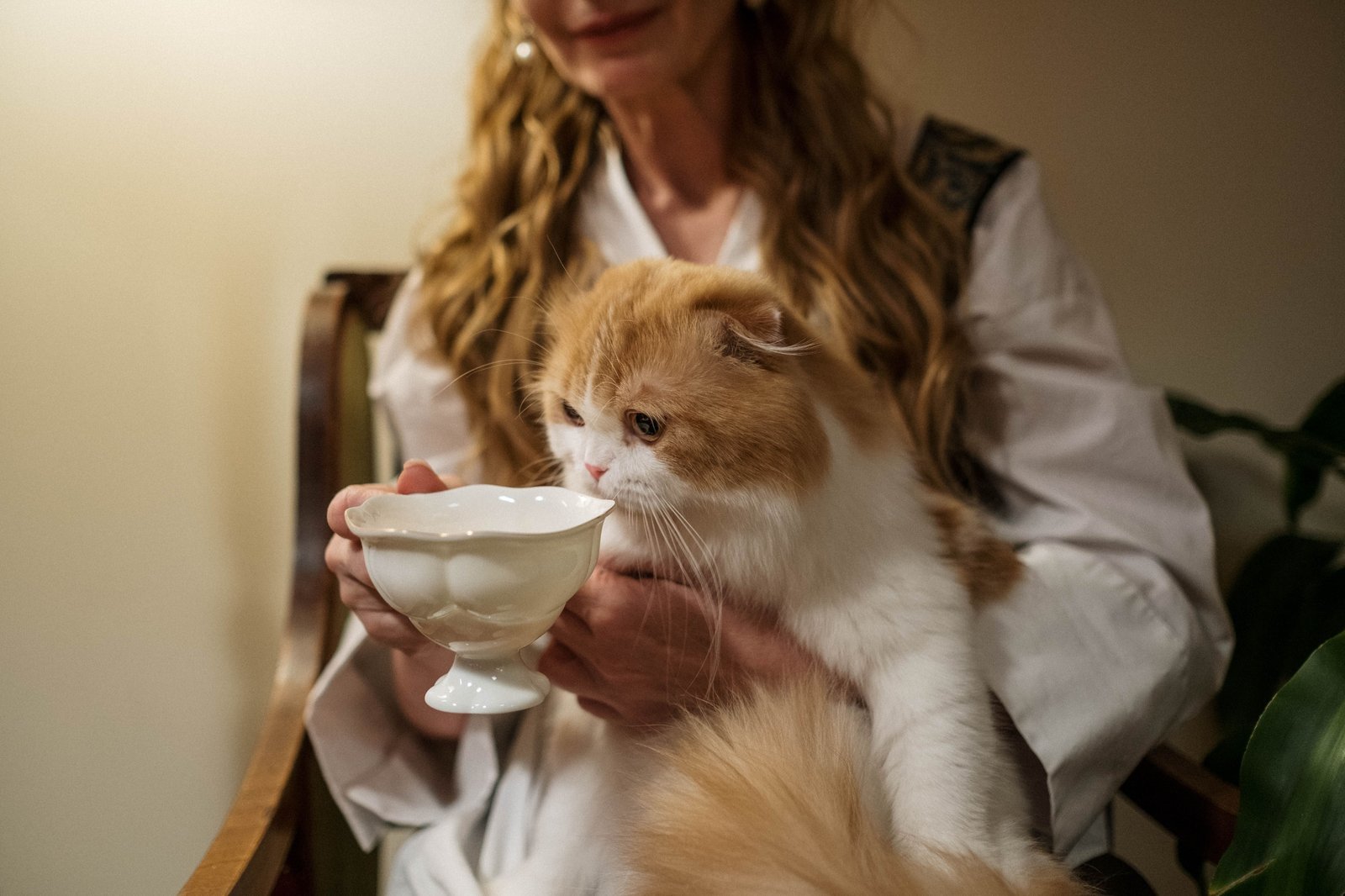
Once the pill is in, a little water or a small bit of wet food can help it go down the rest of the way, if the veterinarian or the label allows food or water at that time. The point is to encourage a swallow and to reduce the chance that a dry tablet sits uncomfortably in the mouth or throat. It is not a second hiding place for a pill you already gave, and it is not a reason to offer a large extra meal.
A lick of water from a bowl, a little water from a syringe without a needle, or a spoon of the cat’s usual wet food is the kind of chaser people commonly use. Follow any instruction that the medicine should be given on an empty stomach, or should not be mixed with food. If you are unsure, ask the clinic rather than guessing.
Watch for a moment afterward. If the cat coughs, gags, paws at the mouth, or brings the pill back up, do not immediately force another dose. Call the clinic for advice on whether to repeat it. If breathing seems difficult, treat that as urgent and contact a veterinarian or an emergency clinic. Offer ordinary drinking water, not milk or a human drink, and do not add supplements unless your veterinarian has already recommended them for this medicine.
What not to do — and when to stop and call the clinic
A few habits make home pilling harder, or less safe, even when they are meant to help.
Do not crank the head far back. A modest chin lift is enough. Do not pry the mouth open for a long time, and do not use your fingers so far back that you risk a bite you cannot see. Do not crush, split, or dissolve a pill unless the veterinarian or the label says it is safe for that medicine. Do not hide a dose in a full bowl of food and walk away, because you will not know whether it was eaten. Do not give a leftover pill from another pet, a previous illness, or a different prescription. Do not use sedatives, over-the-counter human medicines, or extra supplements to “make them calmer” unless a veterinarian has directed that for this cat.
Stop and call the clinic if the cat panics, has trouble breathing, foams, vomits the medicine, or you cannot get the dose in after a short, calm try. A missed dose is a reason to ask for advice, not to double the next one on your own. If you see blood, sudden collapse, or swelling of the face, treat that as urgent. This article cannot diagnose a reaction and cannot replace the directions that came with the prescription. When the label and this general method seem to disagree, follow the veterinarian.
A calm starting plan you can repeat
Use this as a first draft, then adjust to your cat, your home, and the veterinarian’s directions:
- Read the label and any clinic notes before you start, including whether food is allowed.
- Set out the pill, a pill pocket or small soft treat if allowed, a pill giver if you use one, and a little water or wet food for afterward.
- Choose a quiet, stable spot, and close a door if a startled cat would otherwise vanish under furniture.
- Try a hidden treat first when that is permitted, and watch to confirm it is swallowed.
- If you need to place the pill, use a stable hold, do not crank the head far back, and keep the attempt short.
- Offer a small water or wet-food chaser if that is allowed, then let the cat go.
- If the cat panics, has trouble breathing, foams, or you cannot get the medication in, stop and call the clinic.
Giving a cat a pill at home rewards a short, prepared routine more than a determined struggle. The aim is a dose that goes in and a cat who can still trust your hands — not a claim that this will work every time. Follow the veterinarian’s directions, and treat breathing trouble or panic as a reason to stop.
FAQ
Can I hide a cat’s pill in a treat every time?
Only if the veterinarian or the label says the medicine can be given with food, and only if you can hide the whole tablet or capsule so the cat swallows it. Watch until you are reasonably sure it went down. Some medicines should not be mixed with food, and some cats learn to eat around a pill. If a treat is not allowed, or the cat keeps spitting it out, ask the clinic about another method.
Do I need a pill giver?
No. A pill giver is optional and can help some people place a tablet or capsule more neatly if a treat is not an option. Many cats can be given a pill with a careful, brief hold and no special tool. If you use one, practice the motion once without the cat, and stop if the attempt turns into a struggle. This guide does not rank brands or models.
Is it all right to crush or split the pill to make it easier?
Not unless the veterinarian or the label says that is safe for that medicine. Crushing or splitting can change how a dose is absorbed, and it can make a bitter taste worse. If the tablet is hard to give whole, call the clinic and ask whether a different form or a permitted method is available, rather than breaking it on your own.
What should I do if my cat panics or I cannot get the pill in?
Stop that attempt, let the cat have a break, and do not chase them under furniture. If the cat has trouble breathing, foams, or remains highly distressed, call the clinic. If you simply cannot get the dose in after a short, calm try, call and ask what to do about the missed dose. Do not double the next dose unless a veterinarian tells you to.
Is this veterinary advice on which medicine or dose to use?
No. This is general information about a home method for giving a prescribed tablet or capsule. It is not a diagnosis, not a recommendation for a particular drug, and not a substitute for the veterinarian’s directions. If you have questions about the medicine, the timing, or whether the cat still needs it, ask the clinic that prescribed it.