

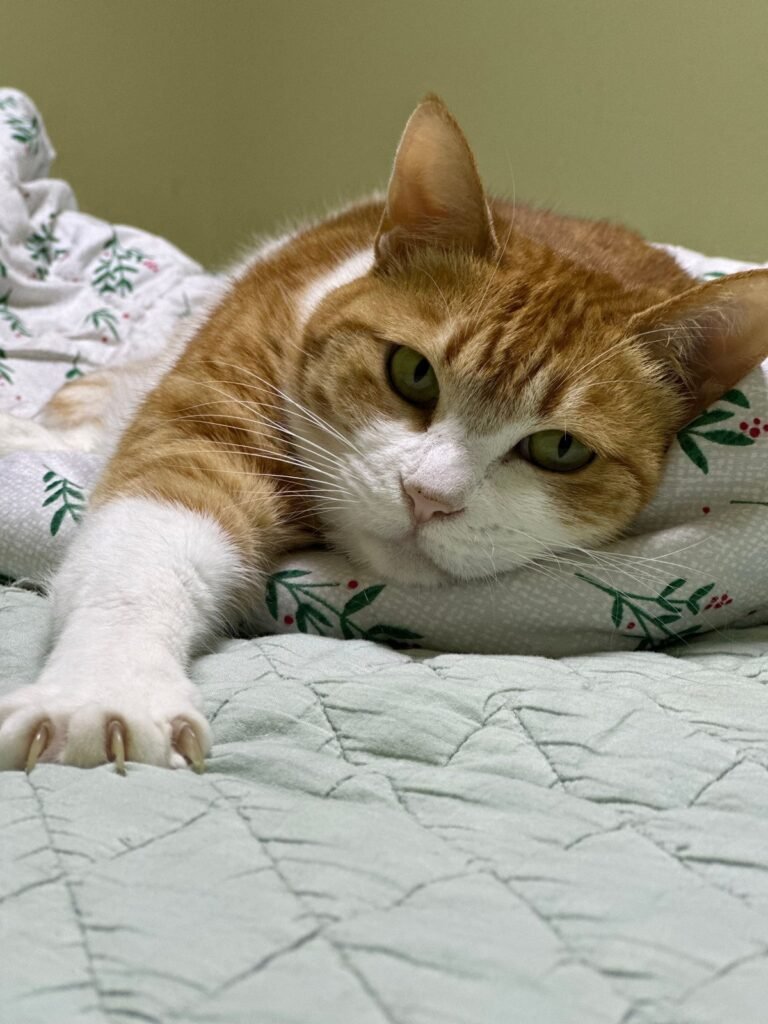
If you want the best nail clippers for dogs and cats, buy for fit, sharpness, and a clear view of the nail, not for a ranked list of brand names. A calm trim is easier when the tool matches the pet’s nail size and the handler’s hand. A clipper that is too large, too dull, or hard to see is one of the main reasons people stop trying at home and wait for a salon. This guide helps you choose the tool. It is not a step-by-step trimming lesson, and it does not name winning models, prices, or test scores.
This is general household advice for pet parents in the US and UK, not a veterinary diagnosis. Have styptic powder or cornstarch ready in case a nail is cut too short, and stop if you cannot see the nail clearly. If a nail is already torn or swollen, or if the pet will not let anyone touch a paw, a professional groomer or veterinarian may be the safer next step. Do not push a struggle at home just because you bought a new clipper.
Why the tool matters as much as the technique
The existing how-tos still matter, and they should stay in their own lane. If you need the handling and cutting sequence, use how to trim a dog’s nails at home or how to trim a cat’s nails at home. This article is about choosing a clipper you will actually pick up. A good tool will not make a frightened pet enjoy the process, but a poor tool can make even a willing pet harder to help, because you have to squeeze harder, take a worse angle, or guess at the cut.
Visibility is part of fit. Light nails are easier to read, and dark nails hide more of the inner pink area, so a bulky head or a deep hole can be a poor match even if the tool is “strong enough.” You are shopping for a clear view as much as for cutting power. If your apartment lighting is dim, that belongs in the choice too: a simpler, slimmer head you can use by a window may beat a heavier tool you cannot see along.
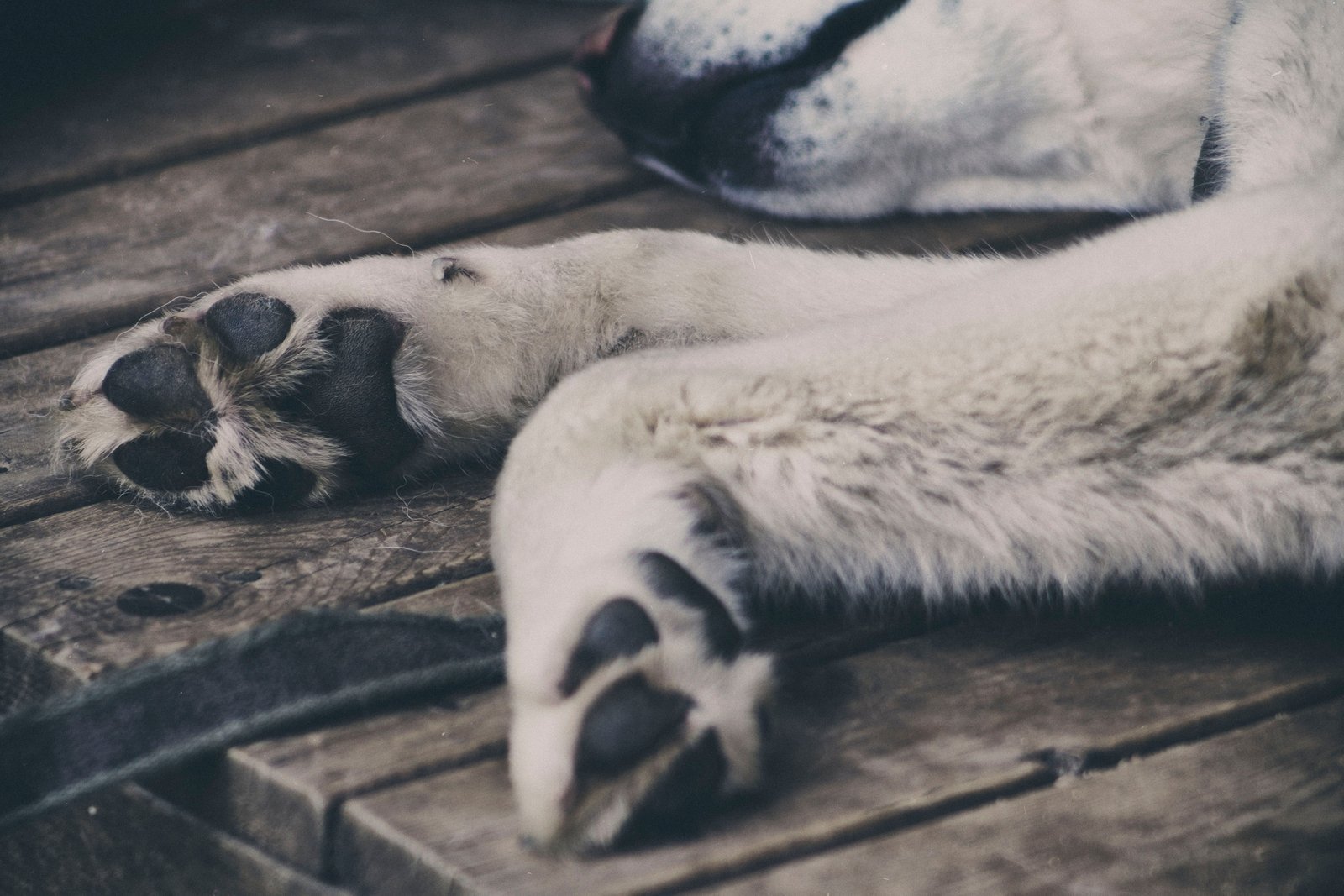
Size is the first filter. A clipper sized for a large dog can swallow a cat’s nail or a small dog’s nail and hide the part you need to see. A tiny cat clipper can struggle on a thick, dark dog nail and force you to make several pinched cuts. If you share a home with both a cat and a medium or large dog, you may need two sizes rather than one universal tool. That is not a failure of shopping. It is a better fit. Handles matter as well. If your hands are small, a large, stiff grip can make you twist the tool. If your hands are larger, a tiny cat clipper can feel fiddly and less stable. Try the opening in your own hand, not only on a product photo.
Scissor-style versus guillotine
Scissor-style clippers look like short, strong scissors, with two blades that meet. Many people find them easier to place and easier to see through, especially on a cat or a small dog, because you can approach the nail from the side and watch the tip as the blades close. They also tend to feel familiar if you already use household scissors, though the blades and the strength are different. Look for a smooth close, a spring or handle you can hold steadily, and blades that meet evenly rather than twisting.
Guillotine clippers have a hole or an opening that the nail goes through, and a blade that slides across. Some people like the way the nail is held in the opening. Others find it harder to see the cutting line, especially on a dark nail or in a poorly lit room. If the opening is large, a small nail can sit at an awkward angle. If it is small, a thick nail will not fit. Guillotine tools can also be harder to keep clean, because nail fragments collect in the mechanism.
Neither style is automatically better for every pet. Choose the one that lets you see the nail, hold the tool still, and make a single, even cut. If you cannot see where the blade will go, pick a different style or a different size, rather than hoping you will get used to it during a wriggly trim. A safety stop, a guard, or a clearly visible blade edge can help, but only if it does not block your view. A stop that sits so close that you cannot see the tip is not useful, and a guard you have to remove in order to work is not a safety feature you will use.
It is also fair to prefer the style you can clean. Nail dust and fragments collect, and a tool that is hard to wipe will get dull and stiff sooner. If you already dislike fussing with small parts, a simpler scissor-style head may be easier to keep in working shape than a guillotine body with a hidden track.
Sharpness, lights, files, and other extras
Sharpness is not a luxury. A dull clipper crushes or frays the nail instead of cutting it, which is uncomfortable and makes the next attempt harder. If you have to squeeze much harder than you used to, if the nail looks crushed, or if the blades no longer meet cleanly, the tool is ready to be sharpened or replaced. Do not keep a dull clipper because it still kind of works. A replaceable blade is useful if you can actually get the parts; a sealed tool that cannot be sharpened is fine only if you are willing to replace the whole clipper when it fades.
Some clippers include a small light, a nail file, or a catch for clippings. A light can help in a dim apartment, but only if it points at the nail and does not glare into your eyes or the pet’s face. A built-in file can tidy a rough edge, though a separate file or a gentle grinder may do that job better. A clipping catch is a convenience, not a safety feature. None of these extras replaces a sharp blade and a clear view. If an extra makes the head bulkier, treat that as a tradeoff, especially for a cat or a small dog.
If you prefer a smoother take-down of a thick dog nail, or if the sound and feel of a clip make your dog worse, a grinder may be the better next tool. That is a different product and a different skill, covered in how to use a nail grinder on a dog at home. A grinder is not automatically safer, and it is not a substitute for a clipper on every pet. It is an option when the clipper style you have keeps failing the job.
A short safety note, not a trimming lesson
Before you use any new clipper, read the handling steps in the how-to guides above, not in this buying article. The tool-side basics are short. Have styptic powder or cornstarch where you can reach it. Work in good light. Stop if you cannot see the nail, if the pet is struggling, or if you are not sure where to cut. A small, visible amount is better than a deep guess, especially on dark nails.
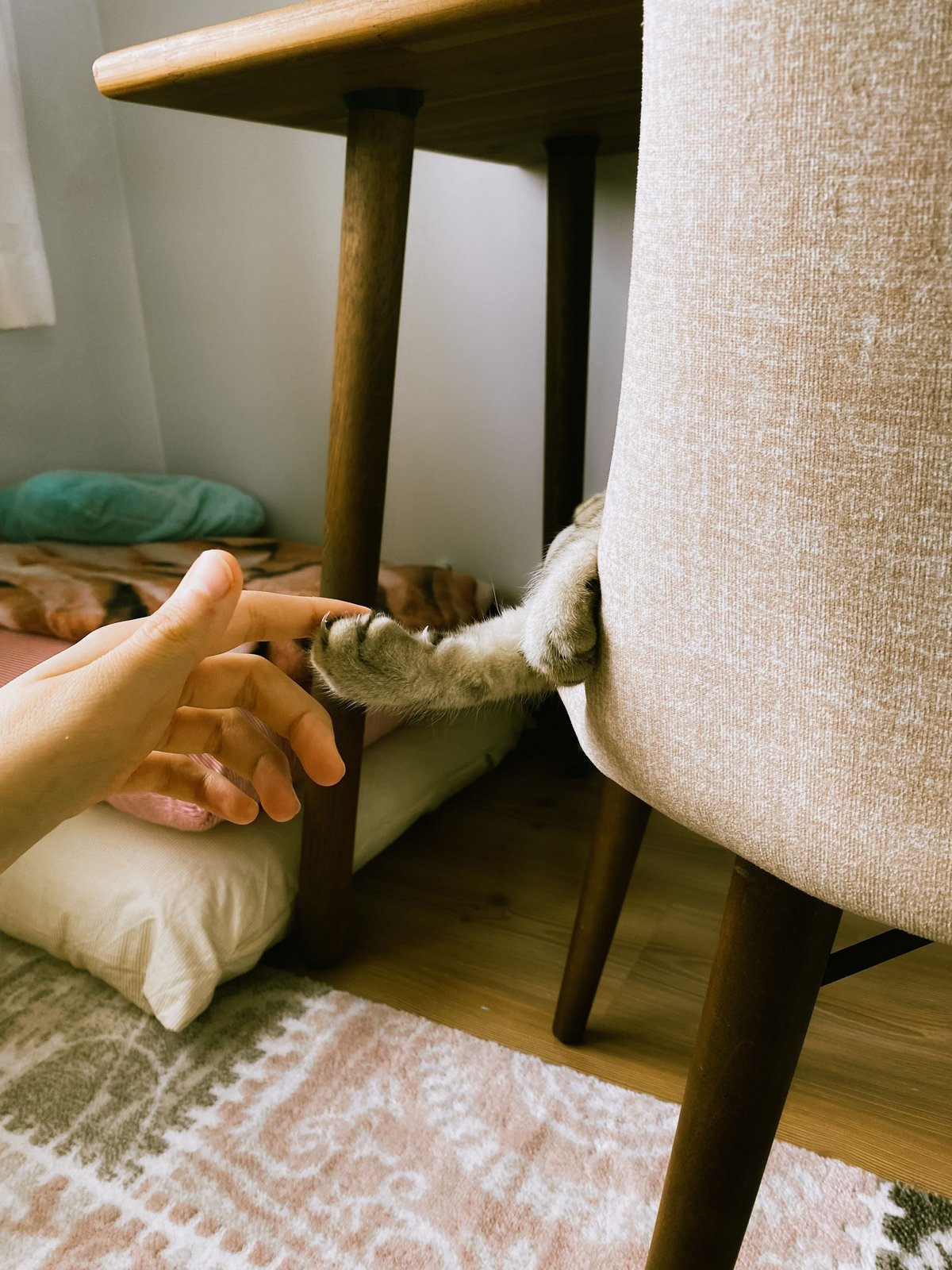
Paw handling should already be part of ordinary care, not a surprise on trim day. Brief, calm touches during a weekly at-home wellness check on your dog or a weekly at-home wellness check on your cat make it easier to see whether the nails are long, split, or painful. If the pet will not let you look, that is useful information. It is a reason to go slowly, or to get help, not a reason to pin the pet and hope the new clipper is faster. A tool cannot replace that handling practice, and buying a second style will not fix a pet who has never had a paw lifted without a fight.

When to choose a professional instead
Torn nails, swelling, bleeding that does not stop, or a sudden limp are medical problems, not clipper problems. A pet who panics at any paw touch may also need a different plan, including practice at home, a groomer, or a veterinarian. If nail trims have already become a battle, a visit to help the pet get comfortable at the vet or get a cat comfortable at the vet can be more useful than a second tool from the same aisle. A groomer or clinic can also tell you whether the nails are unusually thick, brittle, or painful, which is useful before you keep buying stronger clippers for a problem the tool cannot solve.
If you only need a small touch-up between professional trims, a simple, sharp scissor-style clipper in the right size is usually enough. You do not need every extra, and you do not need a new tool every season. You need one you can see along, hold steadily, and replace when it is dull.
A good clipper is one you can hold steadily, that matches the nail in front of you, that cuts cleanly, and that you can see along. It does not have to have a light, a file, or a fashionable handle. If you can look at the nail, place the tool, and feel confident enough to stop when you should, you chose well. Keep the clipper where you will actually find it, with the styptic powder or cornstarch, and retire it when it is dull rather than leaving a poor tool in the drawer for the next rushed attempt.
FAQ
Should I buy scissor-style or guillotine clippers?
Buy the style that lets you see the nail and hold the tool still. Scissor-style clippers are often easier to place and to watch as the blades close. Guillotine clippers hold the nail in an opening, which some people like and others find harder to line up, especially on a small or dark nail.
Can one clipper work for both a cat and a large dog?
Often no. A large-dog clipper can hide a cat’s nail, and a tiny cat clipper can struggle on a thick dog nail. If you live with both, two sizes are usually a better fit than one tool that is a compromise for each pet.
How do I tell if nail clippers are too dull?
If you have to squeeze much harder than before, if the nail looks crushed or frayed, or if the blades no longer meet evenly, the tool is dull. Sharpen or replace it. A dull clipper makes a trim more uncomfortable and less precise.
Do I need a clipper with a light or a built-in file?
No. A light can help in a dim room if it actually hits the nail, and a file can tidy a rough edge, but neither replaces a sharp blade and a clear view. Treat extras as optional, not as the reason to buy.
When should I skip a home clipper and get help?
Stop and get help from a groomer or veterinarian if a nail is torn or swollen, if bleeding does not stop, or if the pet will not let anyone touch a paw. A new tool is not a reason to push a struggle at home. Have styptic powder or cornstarch ready for a nick, and stop if you cannot see the nail.