

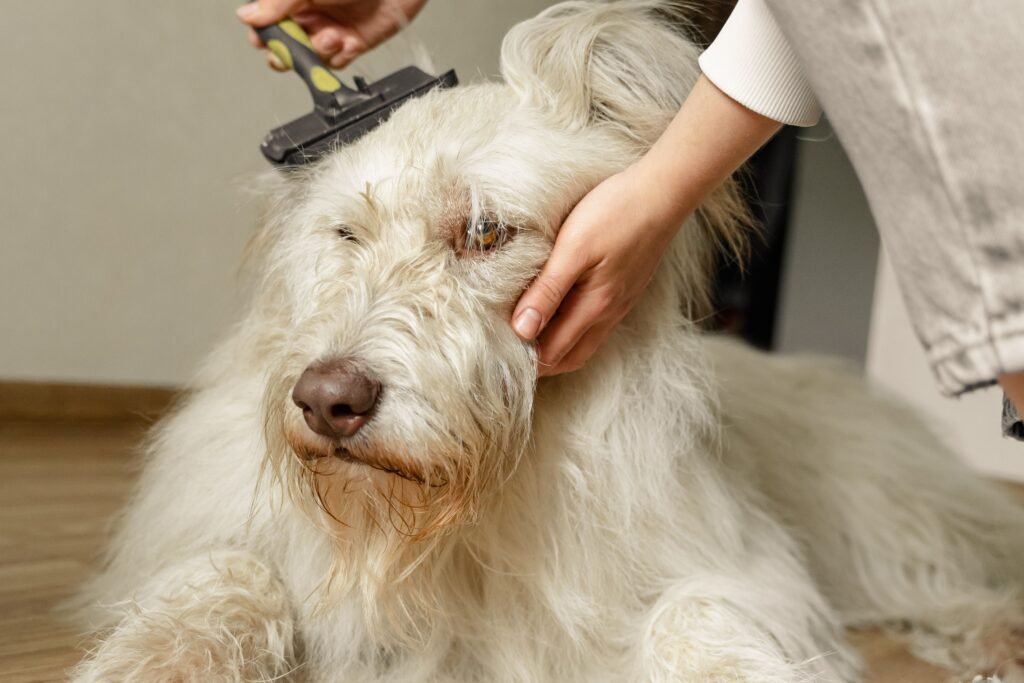
If you are searching for how to brush your dog, you may already have a mental picture of a marathon on the bathroom floor and a dog wriggling toward the door. That picture is why many coats only get attention when they are already tangled. A better aim is a short, repeatable session the dog can predict: the same corner, a tool that fits the coat, and the patience to stop before anyone is fed up.
A useful mindset is this: brushing is maintenance and a chance to look at the skin, not a test of how still your dog can be. A few calm minutes a few times a week will usually do more than a heroic hour after the coat has matted. In an apartment, it also happens to be one of the kinder ways to keep fur off shared furniture and hallways.
This is general information for dog parents in the US and UK, not a veterinary diagnosis and not a substitute for a professional groomer when the coat is beyond a home session. If brushing reveals sore skin, wounds, lumps, parasites, or mats pulled tight against the skin, contact your veterinarian. If the dog cries, snaps, or suddenly avoids being touched, stop and get advice rather than pushing through.
Why a regular brush is kinder than a rare overhaul
Loose hair that stays in the coat can felt into mats, especially behind the ears, in the armpits, on the trousers, and under a collar or harness. Mats pull on the skin and can trap moisture long before you see a problem from across the room. A regular brush lifts the loose coat, lets you feel the skin underneath, and makes later sessions shorter.
Brushing is also a different job from bathing. A bath can wash the coat; it does not automatically remove tangles, and a wet mat often tightens. If you are deciding how those two jobs fit together, [how often to bathe a dog](/how-often-to-bathe-a-dog/) is a useful companion. In most homes, it makes more sense to brush first, keep baths occasional unless your veterinarian or groomer has advised otherwise, and treat dirty paws after a walk as a towel job rather than a full wash.
You will notice more than fur. A calm pass over the body is how many people first find a lump, a hot patch, a tick, or a place the dog does not want touched. That is a good reason to keep the routine gentle. Anything that looks painful, spreads, or worries you is a reason to call your veterinarian, not to add a stronger brush.
Apartment life does not change the coat science, but it does change the stakes. A heavy shed in a studio is not a moral failure, and brushing will not stop a double-coated dog from shedding. It can make the daily cleanup more manageable and the dog more comfortable in a warm indoor space.
Choose a tool that matches the coat, not the aisle display
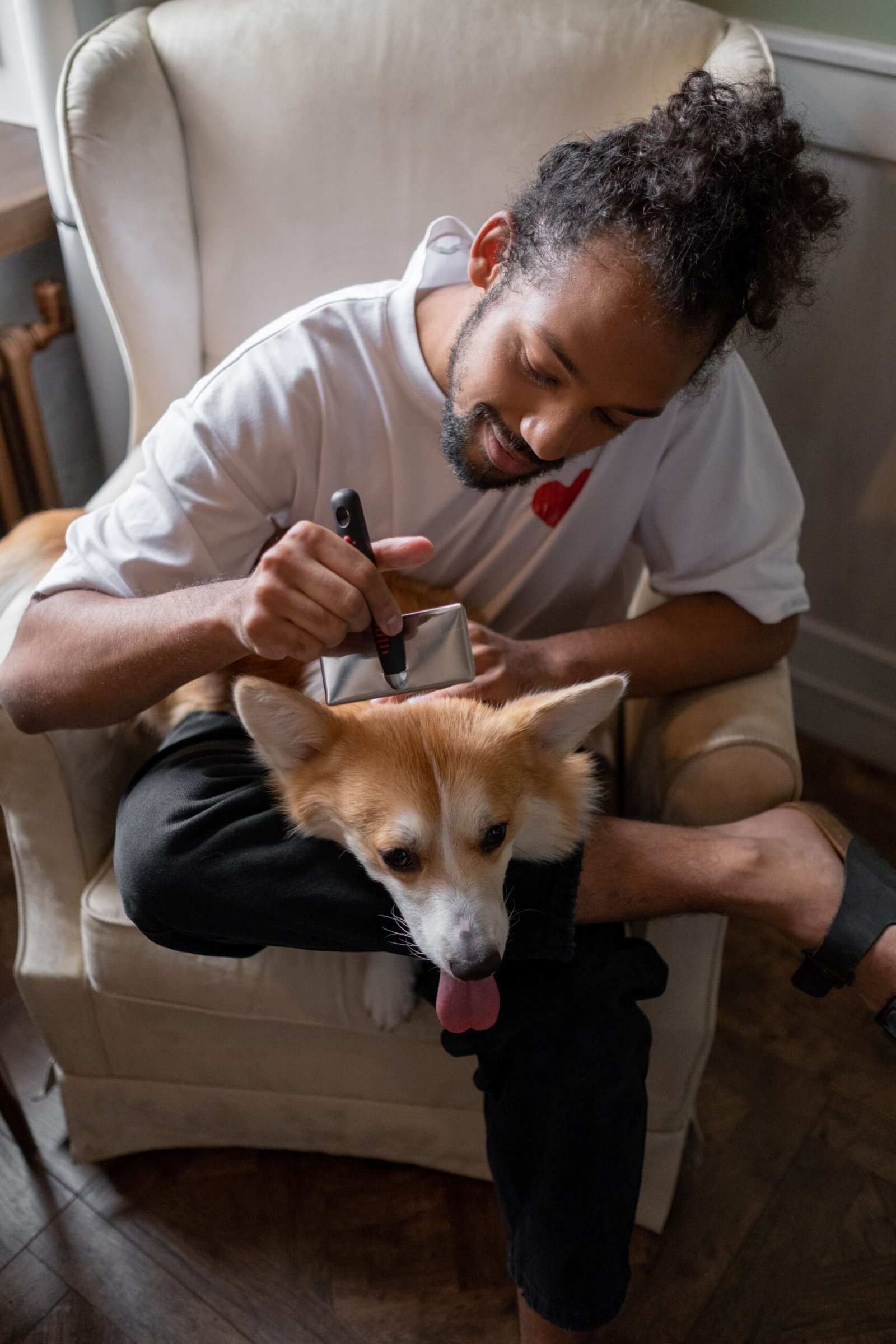
There is no single “best brush.” There is a tool that reaches the coat you actually have without scraping the skin.
Short, smooth coats often do well with a soft bristle brush or a rubber curry-style tool that lifts loose hair and feels pleasant. Many short-coated dogs still enjoy the contact, even if they do not look fluffy.
Medium and long coats usually need a slicker or a pin brush to work through the longer hair, plus a comb to check the places a brush can skate over. A comb is how you find a hidden tangle close to the skin before it becomes a mat you cannot unpack at home.
Double-coated breeds shed a dense undercoat in seasons. A deshedding tool or undercoat rake can help lift that loose layer, but it should be used with a light hand and only as the coat is ready to release. Pressing hard, or using a deshedding tool every day on a coat that is not shedding, can irritate the skin. When in doubt, ask a groomer to show you on your dog.
Curly, wool, or very fine coats matt easily and may need more frequent, smaller sessions, and sometimes professional clipping. Wire coats and specialist stripping are different jobs; a home brush can still help with comfort, but it will not replace the right technique.
Whatever you choose, inspect the tool. Bent pins, a clogged slicker, or a blade-like edge you do not understand are reasons to stop and get a demonstration. The aim is to move through the coat, not to scrape the dog. Skip anything advertised as a shortcut to “never shed again.”
Set up a session the dog can actually tolerate
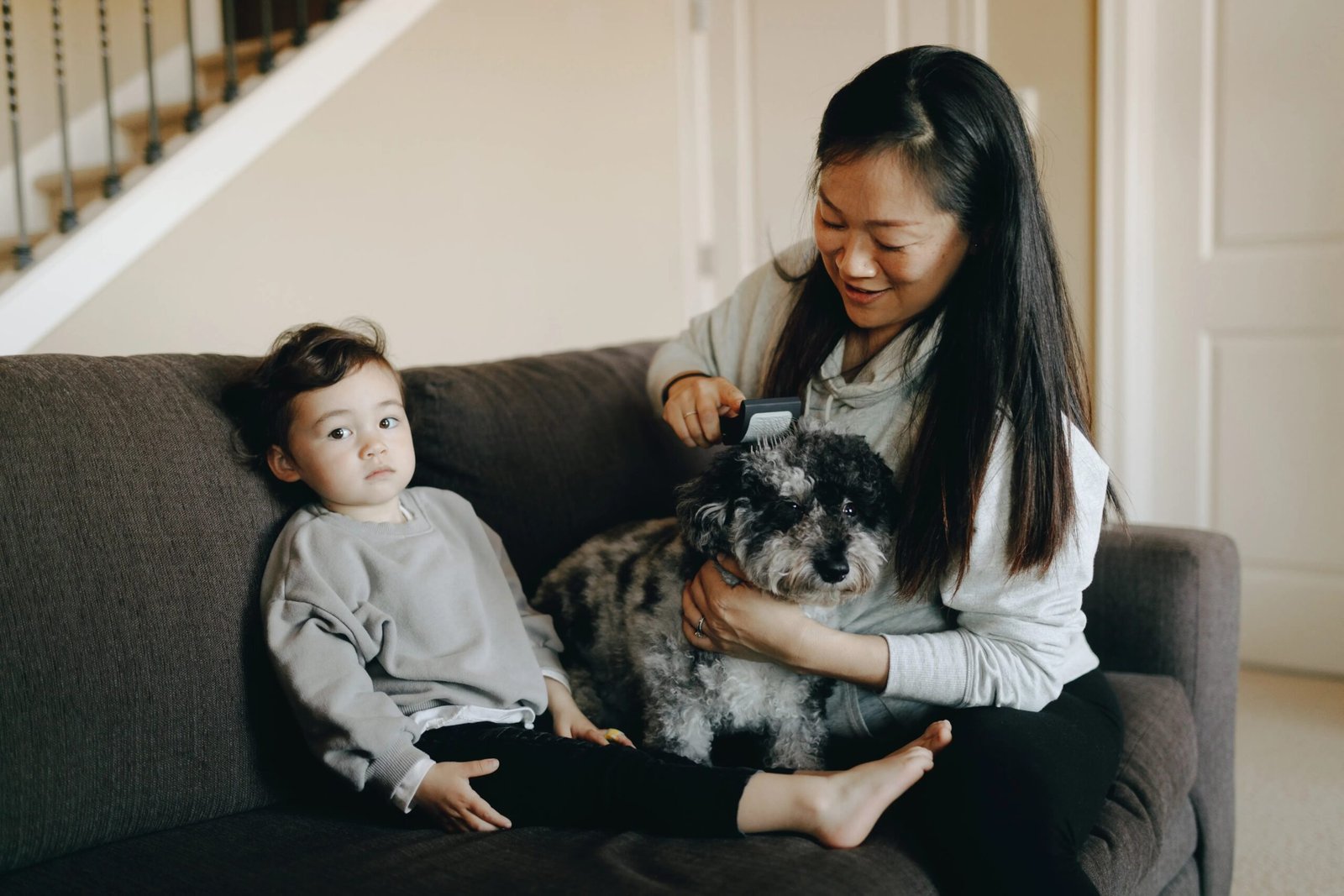
Pick a place with good footing and enough light: a towel on the sofa, a non-slip mat, or a table only if the dog is already comfortable being up there and cannot fall. In a small home, the same corner every time is more useful than moving around the flat. Have the brush, a comb, and a small handful of treats ready so you are not leaving the dog mid-session to hunt for tools.
Start when the dog is reasonably calm, not immediately after a chaotic greeting. A short walk first can help some dogs settle; others just need a quieter room. Keep the first sessions very short—a minute of gentle brushing on a favorite spot can be enough—and stop while the dog is still willing. You are teaching that the brush predicts an endable thing, not a hostage situation.
Handle the body as kindly as you would for other home care. If your dog already accepts having paws lifted for [nail trims at home](/how-to-trim-a-dogs-nails-at-home/), or being touched around the head for [ear cleaning](/dog-ear-cleaning-at-home/), those skills transfer. If they do not, spend some sessions only touching the shoulder and paying that, with the brush in sight but barely used.
Do not chase the dog from room to room. If they walk away, let the session end and try a shorter one later. Holding a worried dog still “just to finish” is how brushing becomes a fight. A nervous dog, a puppy, or a dog who may be in pain needs even shorter sessions and, if pain is possible, a veterinary check first.
How to brush, section by section
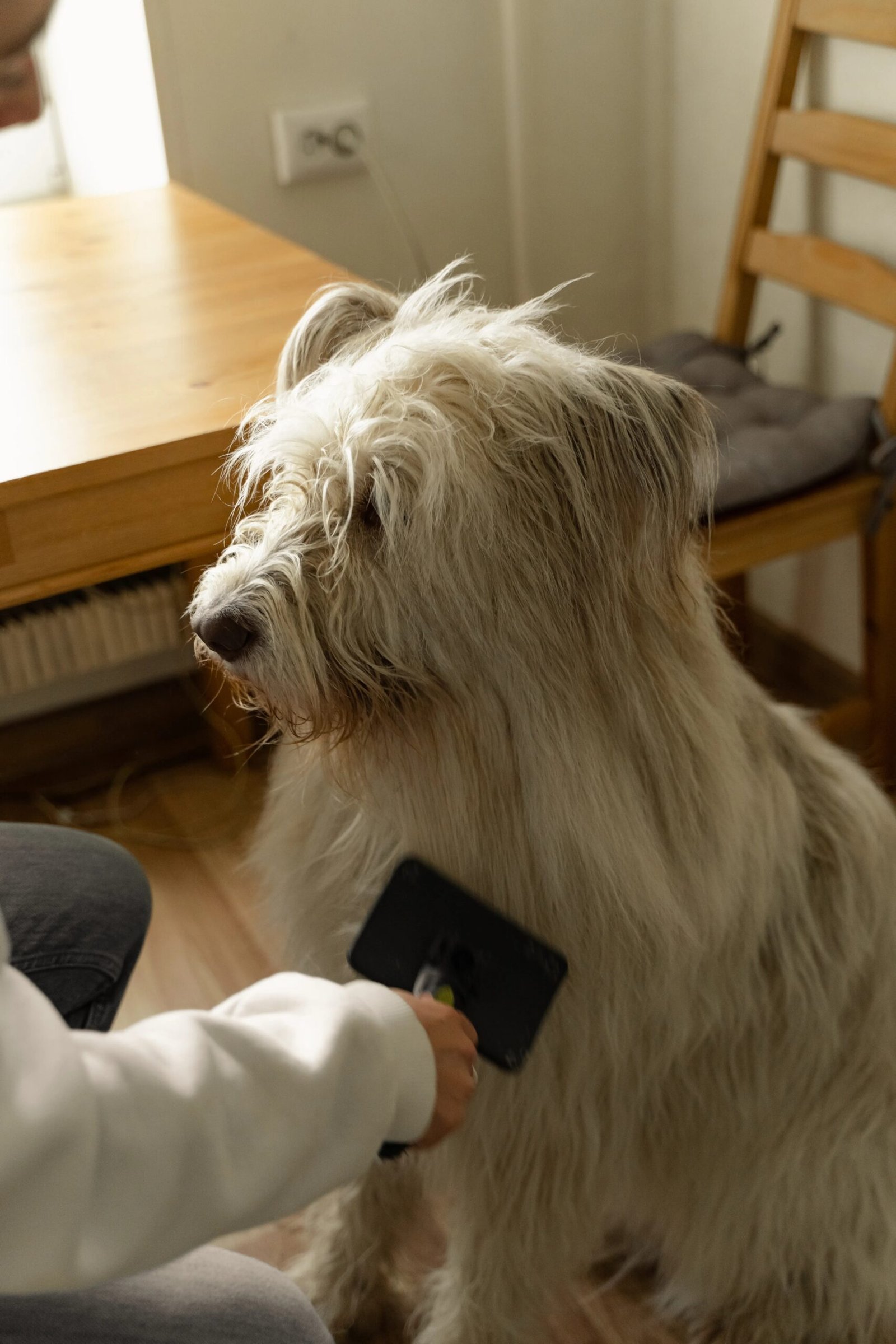
Work in the direction the coat grows, in small sections, and start with the areas the dog likes. For many dogs that means the back and shoulders first, then the sides, chest, legs, and tail, and only later the ears, armpits, and groin, where skin is thinner and tangles hide.
Hold the hair or the skin gently if you need to keep a section still, and let the tool pass through the coat rather than digging at the skin. If you hit a tangle, stop pulling. Hold the hair close to the skin, work from the ends of the tangle toward the roots, and use a comb to check your work. A mat that is tight, close to the skin, or covering a large area is often kinder to leave for a professional groomer. Cutting mats out with scissors is risky; it is easy to cut the skin.
As you go, look and feel. The skin should not come away red, raw, or flaky in a way that worries you. Note lumps, scabs, or a smell that is new. Pause if the dog flinches, and come back to an easier area. Pay generously for stillness, but do not bribe a dog through obvious pain.
Faces, paws, and tails deserve a lighter tool and more patience. A soft brush or a comb used slowly around the muzzle and ears is safer than a dense slicker aimed at the eyes. Between the toes and under the collar are easy to skip and easy to matt. If you use a harness every day, take it off and brush the spots it covers.
When you are finished, a little loose hair on the towel is normal. A distressed dog, a coat that still hides tight mats, or skin that looks angry is a sign to stop and reconsider the plan, not to “just do one more side.”
How often to brush, and when to get help
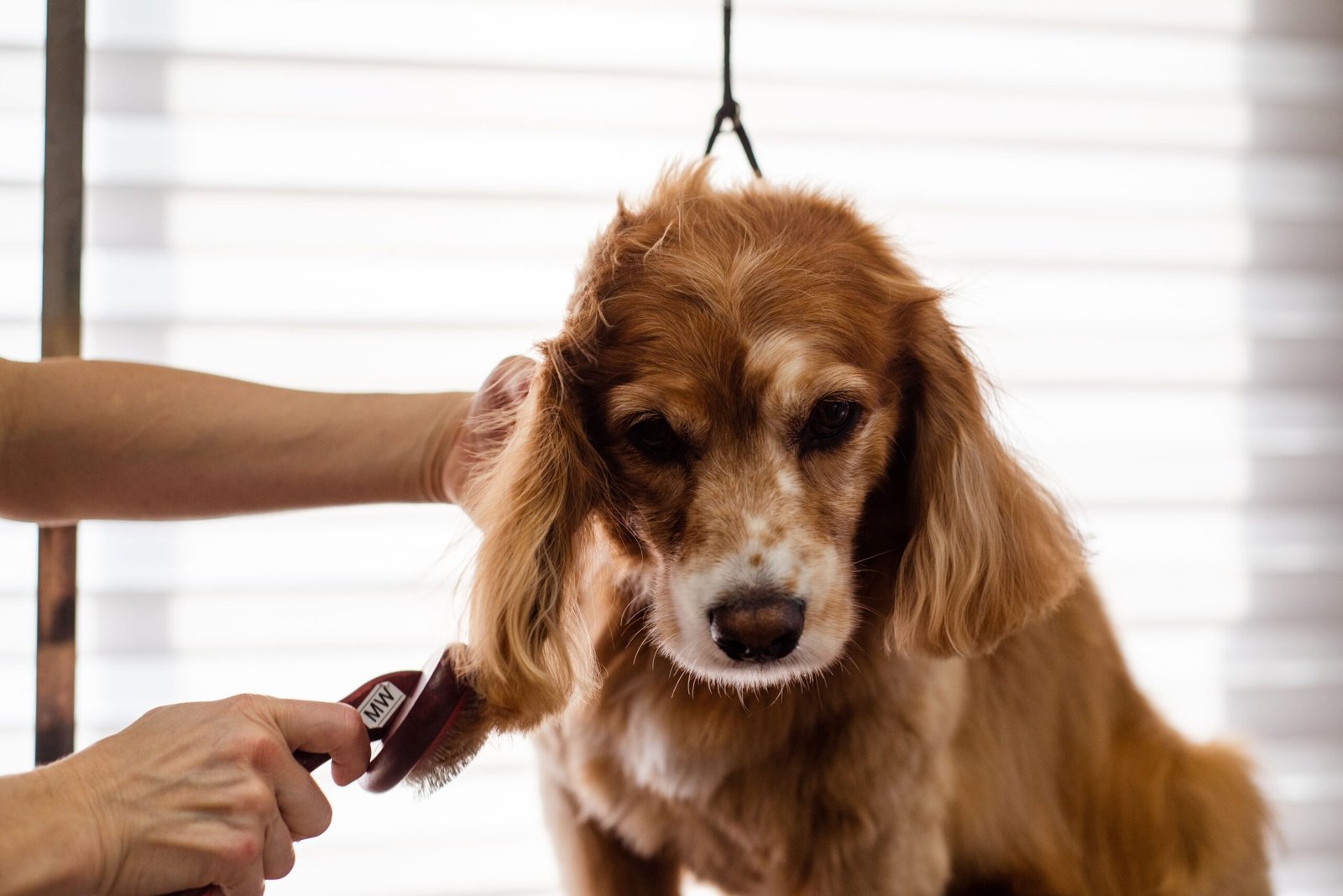
Frequency depends on the coat, the season, and how quickly the hair felts. A short, smooth coat may only need a quick once-over a couple of times a week, or after a muddy walk. A longer or double coat often needs shorter sessions several times a week, and daily attention during a heavy shed. Curly and fine coats can need brief, frequent passes. Let the comb be the judge: if it regularly catches, you need to brush sooner, not harder.
After outdoor time, check ears, paws, and the feathering on the legs. Burrs and damp tangles are easier to deal with on the day they happen. A towel for wet fur and a brush when the coat is dry will usually beat a long, damp struggle.
Ask for professional help sooner rather than later if the coat is matted close to the skin, if you cannot reach a problem area, or if your dog is too worried for a safe home session. A groomer can also show you the right tool on your actual dog. A veterinarian should be your first call for skin disease, parasites, painful lumps, or a sudden change in how the dog tolerates being touched. Home brushing is care, not a treatment plan.
A calm starting plan looks like this:
- Choose a brush or comb that matches the coat you have, and keep a comb handy to check hidden tangles.
- Use the same comfortable spot, keep tools and treats ready, and start with sessions short enough that your dog can finish willingly.
- Brush in the direction of the coat, in small sections, and work tangles from the ends rather than yanking at the skin.
- Pay special attention to armpits, ears, collar lines, and paws, and stop if the dog flinches or the skin looks sore.
- Make the routine frequent enough that mats do not get a chance to form, especially in shedding season.
- Contact a groomer for tight or widespread mats, and your veterinarian for pain, skin changes, lumps, or a sudden dislike of being handled.
How to brush your dog at home is a habit, not a performance. The aim is a coat the dog can be comfortable in, a few minutes you can repeat on a weeknight, and a dog who still trusts your hands when the session ends. If the skin, the mats, or the way your dog reacts worries you, ask your veterinarian or a professional groomer for help.
FAQ
How often should I brush my dog?
It depends on the coat. Short, smooth coats may only need a quick brush a couple of times a week, while longer, curly, or double coats often need shorter sessions much more often, and daily help when they are shedding or starting to tangle. Use a comb as a check: if it catches, you are waiting too long between sessions. More frequent, shorter brushing is usually kinder than a rare marathon.
What kind of brush should I use?
Match the tool to the coat rather than to a brand name. Soft bristles or a rubber curry-style tool often suit short coats. Slickers, pin brushes, and combs are more useful on medium and long hair. Deshedding tools can help with a loose undercoat, but they should be used gently and not as a daily scraper. If you are unsure, ask a groomer to recommend a tool while looking at your dog.
What should I do if I find a mat?
Stop pulling. Hold the hair close to the skin and try to work from the ends of the tangle with a comb, only if the mat is small and not tight against the skin. Tight, painful, or widespread mats are safer with a professional groomer, who may need to clip them out. Avoid scissors at home; it is very easy to cut the skin. If the skin under a mat looks sore, call your veterinarian.
My dog hates being brushed. How can I make it easier?
Shorten the session, choose a calmer time, and start on a spot the dog already likes. Pay for standing or sitting still before you ask for a long session, and stop while they are still willing. Check whether the tool is uncomfortable or the coat is already tangled. If the dislike is sudden, or the dog snaps or cries, consider pain and speak with your veterinarian. Forcing a full-body brush will usually make the next session harder.
When is home brushing not enough?
When the coat is matted close to the skin, when you cannot safely handle a worried or painful dog, or when you see skin changes, lumps, parasites, or wounds. A professional groomer can deal with difficult coats and can teach you a better home routine. A veterinarian should assess anything that looks like a medical problem. Brushing can keep a healthy coat comfortable; it cannot replace those kinds of help.
[…] article is about cats. If you also live with a dog, how to brush your dog at home is a separate routine, with different tools and a different kind of […]