

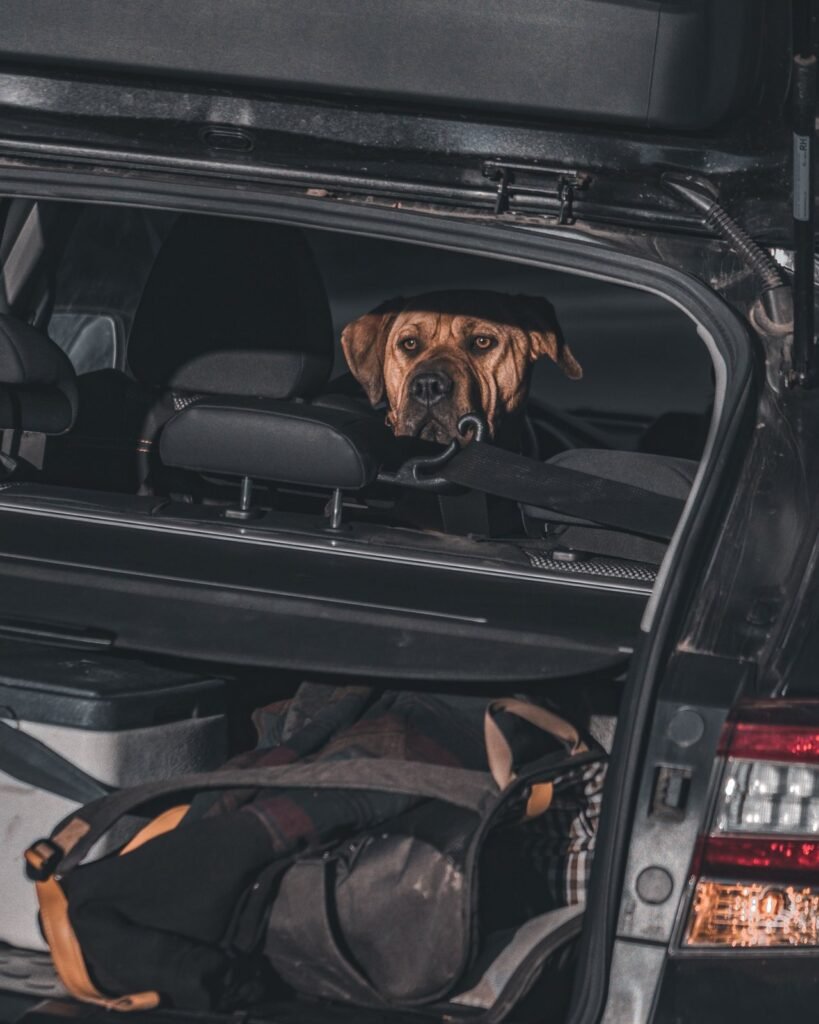
If you need to pack pet food for a weekend trip or holiday travel, pack the food your pet already eats, in the amounts you already use, for the number of days you will be gone. A weekend or a short holiday is not the time to try a new bag, a new flavor, or leftover food from the table. The work is practical: measured portions, a way to keep opened wet food cold, a bottle of familiar water if your pet is sensitive to a sudden change, a written feeding schedule, and any prescribed medications kept with those notes.
This is general household advice for pet parents in the US and UK, not a veterinary diagnosis, and not a promise of a perfect picnic spread. A good result is simple: the pet eats the usual food on time for a two-to-four-day trip. Do not plan to buy a new bag when you arrive, leave wet food in a hot car, or pack holiday table scraps as travel treats. If the pet vomits, refuses to eat, or cannot take prescribed medication as usual, call a veterinarian. Do not invent a “travel stomach” home remedy.
This is a multi-day packing job, not a day-out bag
A plan for packing food, water, and treats for a day out with a city dog is built for a walk, a park, or a few hours in town. A weekend or holiday trip needs more meals, a way to store opened wet food overnight, and a backup if the destination does not sell the usual brand. The day-out bag can still ride along for walks, including a travel water bottle or a collapsible bowl if you already use one. Those tools do not replace the larger food pack you assemble at home.
Home storage is a different job as well. Guides to storing cat food in a small apartment and storing dog food in a small apartment are about the cupboard or the bin you use every week. You can portion from that bin into trip containers, but this article will not turn into a storage-container buying guide. If you already like a particular jar or bin, the ordinary advice in pet food storage containers for small kitchens can help you choose one at home. For the trip, you only need enough sealed portions for the days you will be away, plus a little extra.

Pack only the current food, already portioned
Count the meals. For a Friday-to-Monday trip, that is usually three or four days of breakfasts and dinners, plus any usual snacks. Add one extra meal in case a plan changes. Use the current food only. A mid-trip switch is one of the easiest ways to end up with a pet that will not eat, or that has a digestive upset far from home.
Pre-portion dry food at home. A sealed bag or a small container for each meal is easier than scooping from a large sack in a hotel kitchen or a friend’s studio. Label the portions if more than one person will be feeding. If you travel with both a dog and a cat, keep their foods clearly apart.
Use a container you can close fully, not a loose scoop in an open sack on a car floor. The goal is to keep the portion clean and measured, not to redesign your kitchen setup. If the dry food lives in a large bin at home, take only what you need from it. A half-empty travel sack that sits in a warm car for three days is a poorer plan than several small, closed portions packed the night before.
If the usual diet includes wet food, pack unopened cans or pouches for the trip, and have a plan for anything you open. The same care you already use to keep opened wet pet food fresh in a small fridge still applies on the road: cover it, keep it cold, and throw it out if it has sat out too long. If your pet eats frozen food, thawing is a separate skill, covered in storing and thawing frozen pet food in a small kitchen. Do not try to thaw a large block in a hot car.
Write the feeding schedule on one sheet: what, how much, and when. Include any usual toppers only if they are already part of the diet, in the usual amounts. Note whether food is served in the usual bowl, in a quiet room, or after a walk, if that timing matters at home. A notebook in the kitchen is a fine place to copy that list, even if the page you are looking at in a stock photo is not a pet-food list. Put a copy in the bag with the food, and keep one on your phone if that helps the person who will be feeding.
Keep wet food cold, and pack a simple water plan
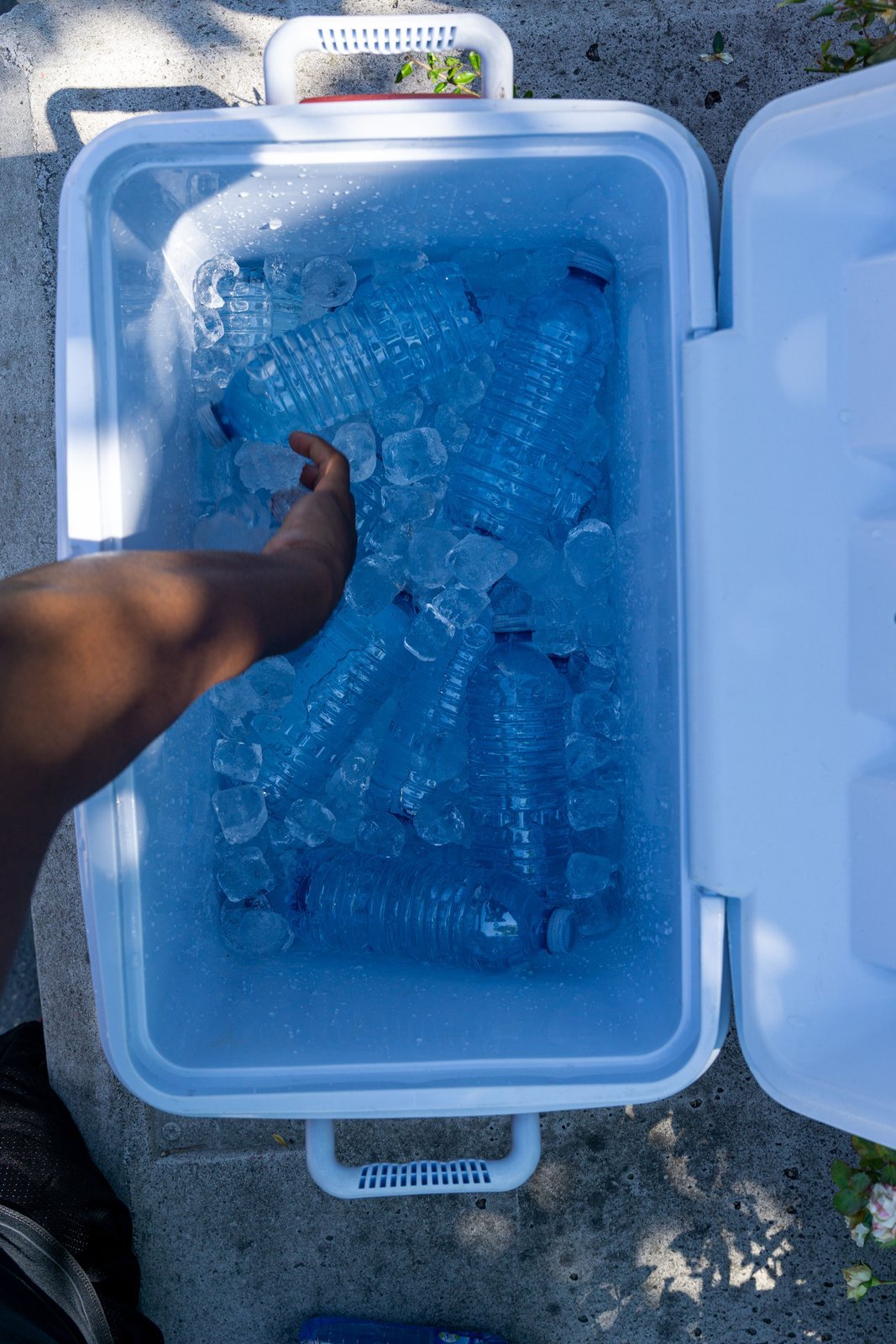
Opened wet food needs a fridge or a small cooler. A cooler of ice and water bottles is a human travel still, not a tested pet-food kit, but it shows the basic idea: keep perishable food and drinking water cold, and do not leave that cooler in a closed, hot car. If your destination has a fridge, use it. If you are in a car for hours, use a cooler, and move the wet food into a fridge as soon as you arrive.
Pack a bottle of the water your pet already drinks if a sudden change in tap water has caused problems before. Many pets do fine with local water. If yours does not, bring enough familiar water for the trip, or a plan to mix the usual water with the new water over a day. Offer water at the usual times, and more often on a warm travel day. Wash the usual bowl, or bring a spare, so you are not using a greasy hotel mug. If you already carry a travel bottle or a collapsible bowl for walks, keep those for outings and still pack the larger drinking plan for the room.
Write the notes, and keep medications with them
The feeding sheet should also list medications the veterinarian already prescribed: the name, the dose you were given, the times, and whether the dose is given with food. Do not invent a new dose for travel, and do not skip a dose because the trip is short. If you need a refresher on the method you already use, see giving a dog a pill at home or giving a cat a pill at home. Pack the pills with the food notes so they are not left in a bathroom cabinet at home.
If you travel with a cat, think about litter as well as food. A travel litter box is a separate product, but the same packing logic applies: bring the usual litter, not a new type, and set the box up as soon as you arrive. This article will not turn into a litter-box guide.
Check the carrier’s or the hotel’s current pet-food and pet-policy rules before you go. Do not rely on a remembered “they always allow this” or on invented airline, TSA, or hotel regulations. Policies change, and they are not the same for every carrier or every building. If you are driving, you still need a plan for rest stops: a meal in a parking lot should be the usual food, in the usual amount, not a new packaged snack from the shop. Keep opened wet food in the cooler while you are on the road, and do not serve food that has been sitting in a hot cabin.
What not to pack, and what “good enough” looks like
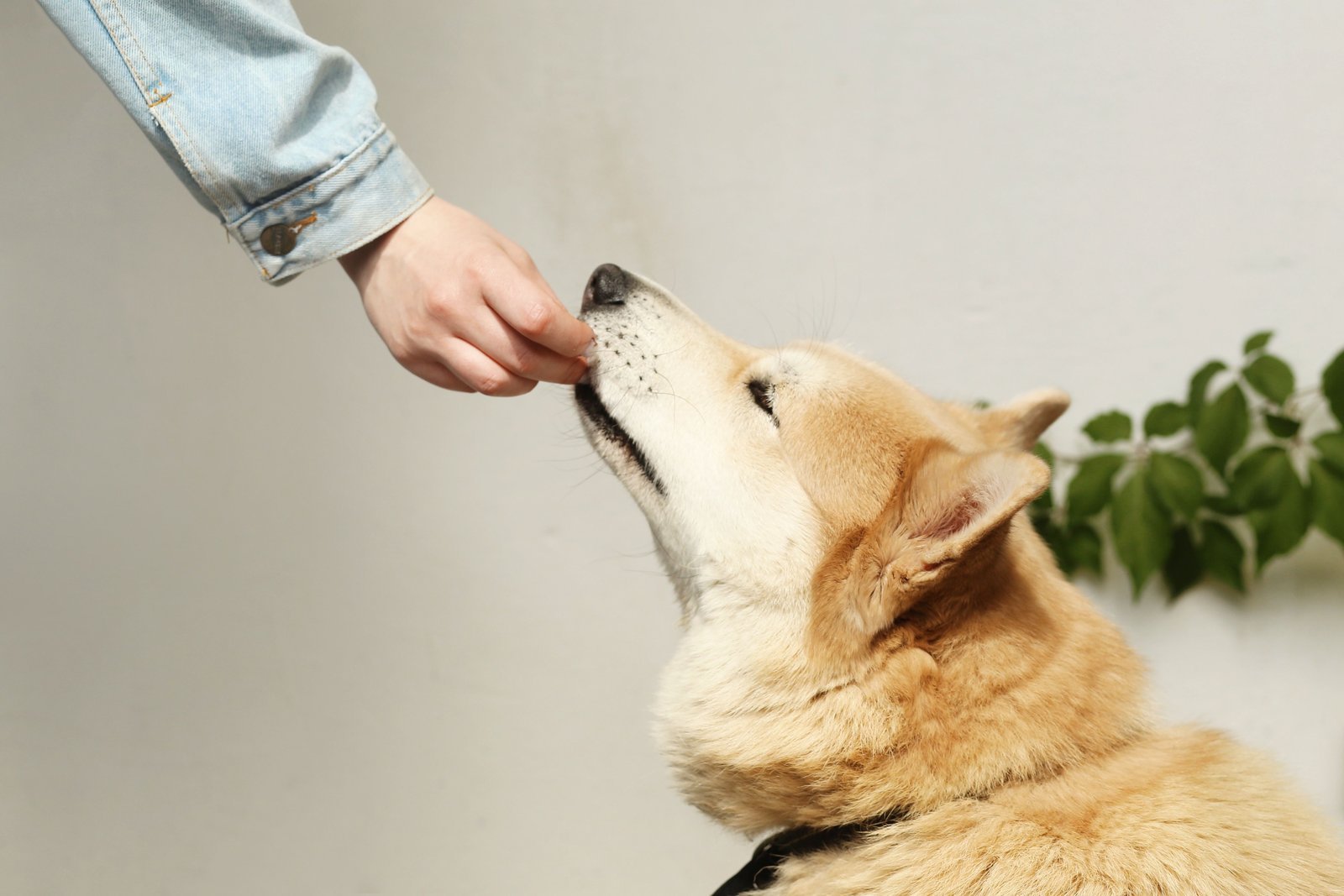
Do not pack holiday table scraps, gravy, or leftover ham as travel treats. A separate guide covers keeping pets safe around holiday food and leftovers. The treats you bring should be the ones your pet already eats at home. A hand offering a usual treat is useful on a trip; a plate of people food is not.
Do not leave wet food, or a cooler full of wet food, in a hot car while you check in or eat. Do not assume the destination shop will have the same brand. If you want a backup, pack it from home. “Just buy a new bag when you arrive” is how pets end up on a sudden food switch.
You do not need an elaborate kit. You need the usual food, measured for the days you will be gone, a cold plan for anything wet, water the pet will drink, a written schedule, and the medications that already belong with meals. If the pet eats on time and the opened cans stay cold, the packing job has done its work.
Pack the usual bowls if they help the pet recognize mealtime in a strange room. A towel under the bowl can spare a hotel carpet, but the food itself should still be the home diet. When you pack the car, put the cooler where it will stay out of direct sun, and keep the dry portions where they will not be crushed by a suitcase.
If something goes wrong on the trip
A missed meal on a stressful travel day can happen. A pet that vomits, refuses more than one meal, or cannot take prescribed medication as usual needs a veterinarian, not a new home remedy. Bring your veterinarian’s number and an idea of after-hours care near your destination.
If the pet seems well but will not eat the usual food, do not add table scraps to “tempt” them. Offer the usual meal, in a quiet spot, at the usual time. If the refusal continues, call a veterinarian rather than inventing a travel diet.
When you unpack at the other end, set out water first, then food at the usual hour, not as soon as you walk in the door if that is not the normal time. A short trip is easier when the meal pattern stays close to home. On the way back, pack the remaining portions the same way you packed on the way out, and keep any opened wet food cold until you can get it into your own fridge or throw it out if it is past the time you would keep it at home.
FAQ
How much extra food should I pack for a weekend trip?
Pack the meals you will actually feed, plus about one extra meal in case a plan changes. Use the current food, already portioned, rather than a whole unopened sack you do not need.
Can I buy a new bag of food when I arrive?
Do not count on it. The shop may not carry the usual brand, and a sudden switch is a common cause of a pet that will not eat. Pack the current food from home.
How should I pack wet food?
Take unopened cans or pouches, and keep anything you open in a fridge or a small cooler. Do not leave opened wet food in a hot car. Cover leftovers and follow the same time limits you use at home.
Should I bring water from home?
If your pet has been sensitive to a sudden change in tap water, bring a bottle of the usual water or a plan to mix old and new water. Many pets drink local water without a problem.
When should I call a veterinarian during the trip?
Call if the pet vomits, refuses to eat, or cannot take prescribed medication as usual. Do not invent a travel-stomach remedy or add table scraps to force a meal.