

If you need to keep opened wet pet food fresh in a small fridge, plan for a lid, a clear spot, and a short time limit, not for a “never waste a gram” rule. An opened can, tray, or pouch takes up more thought than a sealed bag of kibble. In a crowded apartment fridge it is easy to lose a half-used tin behind leftovers, drip juices onto a human shelf, or forget how long the food has been sitting there.
This is general storage and serving advice for pet parents in the US and UK, not a veterinary diagnosis and not a lab test. Follow the label when it gives a time or a storage method. If the label is silent, use a conservative window and throw the food out when you are unsure. Do not invent a medical claim that leftovers are fine for a set number of days. If a pet ate food that smelled off, sat out too long, or looked spoiled, and is then vomiting, lethargic, or refusing meals, stop and check with your veterinarian.
Why opened wet food is a different job
Dry food storage is about keeping a bag or bin clean, sealed, and out of the way. That plan lives in how to store dog food in a small apartment and how to store cat food in a small apartment. Frozen pet food is a third job, covered in how to store and thaw frozen pet food. This article is only about wet food after it is opened: the leftover in the can, the tray you did not finish, or the pouch with a few spoonfuls left.
Serving wet food without a mess is also a different skill. If the daily problem is bowls, mats, and cleanup, use how to serve wet cat food in a small apartment. Choosing wet food in the first place belongs in wet vs dry dog food, wet vs dry cat food, how to switch a dog from dry to wet food, and how to switch a cat from dry to wet food. Those guides help you decide what to feed. This one helps you handle what is left after the bowl is filled.
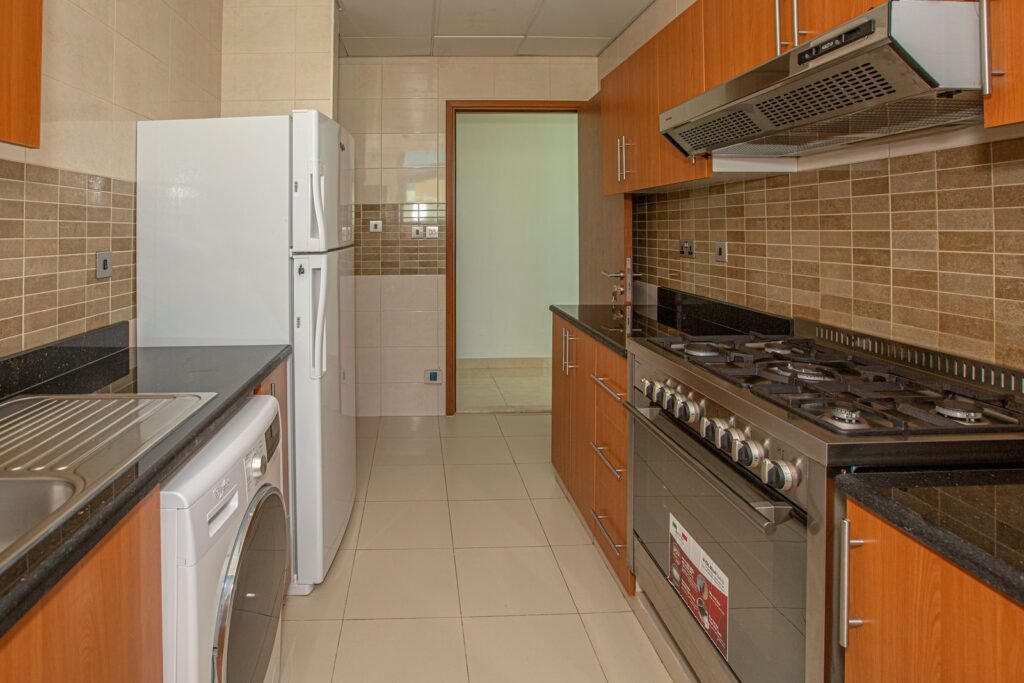
A small fridge makes the leftover harder to manage, not easier. There may be only one shelf that is truly cold, a door that is warmer, and a stack of takeout boxes that hide a low tin. The goal is modest: cover the food, get it cold promptly, keep it from dripping, and use it or throw it out on time.
Cover it tightly, then refrigerate promptly
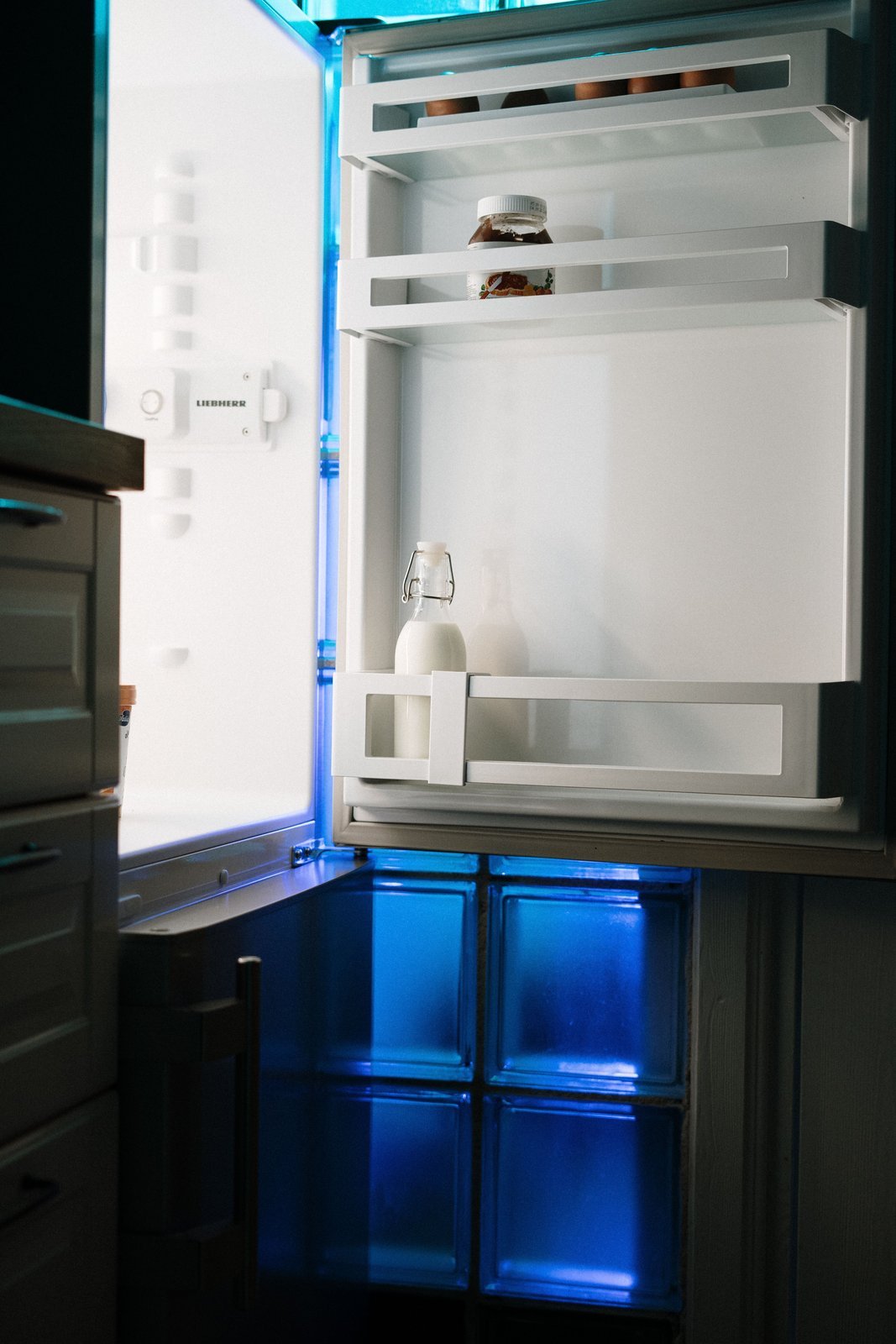
As soon as you have scooped the meal, cover what is left. A reusable can lid, a stretch lid, or a move into a small sealed container all work if the seal is actually tight. An open can in the fridge dries at the surface, picks up other smells, and can tip. If the leftover is in a pouch or a shallow tray that will not close, transfer it to a small container rather than folding the packet and hoping it holds.
If you want help choosing a container that fits a tight kitchen, use best pet food storage containers for small kitchens. You do not need a special gadget for every can. A small, clean, lidded box you can see into is enough. Wash it between uses so yesterday’s gravy is not sitting in tomorrow’s meal.
Refrigerate promptly. Do not leave the opened food on the counter while you eat, take a call, and then remember it an hour later. If the leftover sat out for a long stretch, do not “rescue” it by putting it in the fridge and serving it the next day. Throw it out. A short pause while you walk to the fridge is fine. A forgotten can on the cutting board is not.
Keep the leftover off the warmest spots. The fridge door is convenient and often a little warmer than a middle shelf. A back corner of a middle shelf is usually a better home than the door, as long as you can still see the container. In a very small fridge, a clear box on a plate may be the only honest option. The point is that you can find it again and that it stays cold.
Keep juices off human food, and do not lose the tin
Wet food drips. Put the covered can or container on a small plate or in a shallow bin so a leak stays in that dish, not on a carton of milk or a bowl of leftovers. This is courtesy in a shared fridge as well as hygiene. A roommate or a partner should not have to wipe pet gravy off their lunch.
Label the container if the fridge is crowded or if more than one person opens it. A piece of tape with the date, and “dog” or “cat,” is enough. You do not need a color-coded system. You do need to know what it is and when it went in, especially when a half-used tin can slide behind a sauce jar and sit there for days.
If you cannot see the leftover without unloading the shelf, the plan will fail. Give it a consistent spot, even if that spot is a small bin on one side of a shelf. When you bring groceries home, do not bury the pet food under new items. The leftover has a short life; the ketchup does not.

Use leftovers within a conservative window
Read the label first. Many wet foods ask you to refrigerate unused food and use it within a short period, often described in hours or a day or two. If the pack gives a shorter time, follow that. If it gives a longer time, still be conservative in a small, frequently opened fridge that may not stay as cold as a large, little-used one. If there is no time on the pack, do not invent a medical number. Use the leftover soon, or throw it out.
A conservative home rule is simple: cover, chill, and plan to finish the leftover at the next meal or two, not at the end of the week. If you only needed two spoonfuls from a large can, consider buying a smaller can or tray next time rather than storing a large leftover for days. Waste is frustrating, but serving old wet food is worse.
Do not freeze leftover wet food as a shortcut unless the label clearly allows it and you already have a thawing plan. Thawing and frozen storage are covered in the frozen-food guide. A half can that has already been open and scooped is not a tidy freezer meal unless you know what you are doing and you will thaw it safely. When you are unsure, throw it out.
Look and smell before you serve leftovers
Before the leftover goes in the bowl, look at it and smell it. Throw it out if the surface has dried into a hard crust you cannot stir back, if the color has changed in a way that looks off, if you see mold, or if the smell is sour, sharp, or simply “not the same food.” Trust your nose more than the date on the tape if the food already seems wrong.
If you are not sure, throw it out. That is the whole test. Do not taste the leftover yourself to “check,” and do not mix a doubtful leftover into fresh food to stretch it. The guides on how to tell if dog food has gone bad and how to tell if cat food has gone bad cover spoilage signs in more detail, including dry food and bags. Use them when you are deciding whether a product is still fit to serve, then still throw out a leftover that failed a simple look and smell check.
Food that sat out on the counter too long should not be judged by a quick sniff and then chilled. Time at room temperature is enough reason to discard it, even if it still looks all right. If you come home and find an opened tray on the worktop, put it in the trash, not in the fridge.

What good enough looks like, and when to get help
A good routine is boring. You open the food, fill the bowl, cover what is left, put it on a plate or in a small bin, and use it at the next meal or throw it out. The fridge can stay shared and small. You do not need a second pet-only refrigerator, and you do not need to finish every gram.
If the leftover plan keeps failing, change the pack size, not just the lid. Smaller cans, trays, and pouches mean fewer leftovers. That can cost more per meal, but it can also mean less food sitting in a warm door shelf. If your pet often leaves food in the bowl, scrape uneaten wet food after a reasonable meal time rather than leaving a bowl out for hours and then trying to refrigerate what is left.
If a pet ate food that smelled off, looked spoiled, or sat out too long, and then vomits, seems lethargic, has diarrhea, or will not eat the next meals, call your veterinarian. Bring the pack or a photo of the label if you still have it. Do not wait to see whether a home remedy will settle things, and do not serve another portion of the same leftover “to see if it was the food.”
Opened wet food is a short task, not a science project. Cover it, chill it, keep it visible, follow the stricter of the label or a conservative window, and throw it out when you are unsure. That is enough in a small fridge.
FAQ
How long can opened wet pet food stay in the fridge?
Follow the label if it gives a time. If it does not, use the leftover soon, often at the next meal or two, and throw it out when you are unsure. A small, frequently opened fridge is not a reason to stretch the leftover. This is conservative storage advice, not a medical guarantee.
Can I leave an opened can in the fridge without a lid?
No. Cover the leftover tightly, or move it into a small sealed container. An open can dries out, picks up other smells, and can tip or drip. A reusable lid or a clean box you can see into is enough.
What should I do if I left wet food out on the counter?
If it sat out for a long stretch, throw it out. Do not put a forgotten can or tray into the fridge hours later and serve it the next day. A short walk from the bowl to the fridge is fine. A leftover found on the worktop when you get home is not.
How can I tell if refrigerated leftover wet food is still all right to serve?
Look and smell before you scoop it. Throw it out if it has a sour or sharp smell, a color that looks off, a dried crust you cannot stir back, or any mold. If you are not sure, discard it. Do not mix a doubtful leftover into fresh food.
What if my pet ate leftover food that seemed off?
Stop serving that leftover. If the pet is vomiting, lethargic, has diarrhea, or refuses the next meals, check with your veterinarian. Bring the pack or a photo of the label if you still have it. This is a health question, not a storage tweak.