


If you want to switch a dog from dry food to wet food, treat the change as a texture-and-format transition, not as a verdict on which type is “better,” and not as an overnight swap of one bag for a stack of cans. The useful goal is a gradual mix the dog will actually eat, with a plan for leftover wet food in a small kitchen and a backup if a meal is refused.
This is general information for dog parents in the US and UK, not a veterinary diagnosis and not advice that every dog should change formats. Some dogs do well on dry food, some do well on wet food, and some need a diet your veterinarian has already chosen. If the dog is on a prescription food, is a young puppy, is a senior with a known condition, or has a history of stomach trouble, ask your veterinarian before you change the meal. Do not use this guide to chase a shinier coat, cleaner teeth, or a “fixed” gut. A format change cannot promise those results.
Why this is a format change, not a food-type debate
A move from kibble to a mostly wet routine is about texture, smell, moisture, and how you store leftovers. It is not the same job as deciding whether wet or dry food is the right long-term choice. If you are still weighing those options, read the wet versus dry dog food guide first, then come back to the transition. This article assumes you already want a mostly wet routine and need a calm way to get there.
It is also not a general brand-to-brand change. Switching dog food without an upset stomach is the broader method when the format stays the same and only the recipe changes. Keep that slower habit here: mix over several days, and do not jump to a new can every morning. If the dog is a puppy moving toward an adult recipe, use the guide on transitioning a puppy to adult dog food and do not fold two changes into one week. A cat dry-to-wet switch is its own plan, with a different risk if a cat stops eating. Do not use this dog article as a cat plan.

The photograph is an opened can of human tuna, not a branded wet dog food. The useful part is the format: wet food often comes in a can with a pull lid, and once it is open you have leftover food to cover and chill. Do not treat a tuna can as a recommended dog meal. Use a complete wet dog food your veterinarian is comfortable with, and read the label for serving and storage.
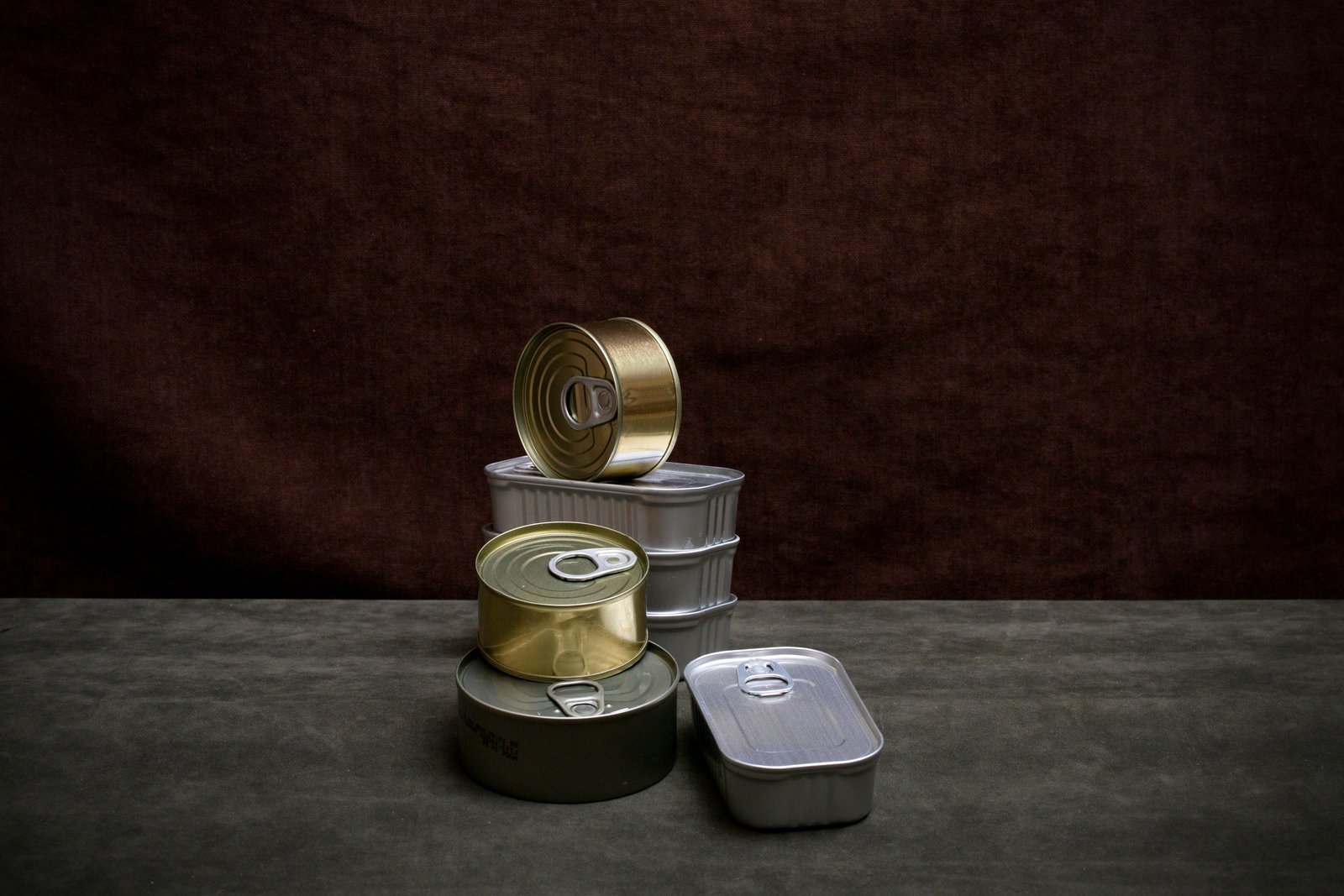
Wet dog food also comes in trays, pouches, and cans of more than one shape. The still above is a generic stack of pull-tab cans, not a product lineup or a ranking. Choose a complete food you can buy consistently, in a size you can finish before leftovers sit too long.
Mix meals over several days
Keep the dog on a scheduled meal, not an open bowl of mixed food all day. If you are still leaving kibble out, settle the meal times first with a switch from free-feeding to scheduled meals, then change the texture. A free-fed mix is harder to measure and harder to judge if the dog is eating less.
Start with the current dry food as the larger share and add a small amount of the new wet food, mixed in the same bowl so the dog cannot eat only the new texture and leave the rest. Over several days, increase the wet share and reduce the dry share until the meal is mostly wet, or fully wet if that is the plan. Many dogs do well when this takes about a week. Some need longer, especially if stool gets softer or the dog starts skipping meals.
Use the feeding amount on the new food’s label as your guide, and adjust for the fact that wet and dry foods are not a cup-for-cup swap. If you are unsure how the portions should compare, the how much to feed a dog guide can help you think in daily calories and body condition rather than in a rounded scoop. Do not add extra dog food toppers on top of a wet switch; that is an easy way to overfeed during a change that already adds a richer-smelling food.
Mix fresh at each meal. Do not mix a day’s worth in the morning and leave it on the counter. Wet food spoils faster than dry food once it is open and warm. If the dog does not finish in a reasonable time, pick the bowl up, cover what is still sound, and refrigerate it, or discard it if it has been sitting out.
Fridge storage for opened cans in a small kitchen
Opened wet food belongs in the fridge, not on the back of the stove and not in an open can on a cutting board. Spoon leftovers into a covered container, or cover the can tightly if you will use it later the same day or the next, then put it on a stable shelf where it will not tip. Follow the storage time on the label. This article will not invent a number of hours that fits every brand.

The container in the photograph is an empty kitchen tub with a lid, not a pet-branded storage product. That is the useful idea: a covered container takes up less awkward space than an open can, stacks better in a small fridge, and keeps the leftover meal from drying out or picking up other smells. For bag, bin, and everyday dry-food storage, use the small-apartment dog food storage guide rather than turning this switch into a pantry redesign.

The official title calls her a girl; what you can see is a woman at a closed fridge in a compact kitchen, with no pet food in the frame. The point is the habit: leftovers go in promptly, the container is covered, and you use them on the timetable the label gives you. If the leftover smells off, looks dried out, or has been forgotten at the back of the shelf, throw it away. The guide to telling whether dog food has gone bad is the better place for spoilage signs; do not taste the food yourself to “check,” and do not serve a leftover you already distrust.
Keep the dog’s wet food away from human leftovers so no one grabs the wrong tub in a hurry. Label the container if that helps in a shared kitchen. Wash the bowl, the spoon, and the container with hot soapy water after each use. A rim of old gravy is not a flavor booster.
What to watch for, without diagnosing
A slow mix can still loosen stool or change how eager the dog is at the bowl. Watch for a day or two, and slow the mix if the change is mild and the dog is otherwise acting like itself. That is observation, not a diagnosis.
Call your veterinarian if the dog vomits more than once, has diarrhea that lasts, has blood in the stool, stops eating, seems painful, is unusually tired, or is a puppy, senior, or medically fragile dog that is off its food even for one meal. Do not wait through a weekend of “maybe it is just the new texture” if the dog seems unwell. This article cannot tell you whether the issue is the food, a stomach bug, or something else, and it cannot tell you to add a supplement, probiotic, or home remedy to fix it.
A dog that suddenly guards the bowl, drools heavily, or paws at its mouth also needs a veterinary check. Pain and nausea can look like pickiness.
A plan if a meal is refused
If the dog sniffs the new mix and walks away, do not leave the bowl down for hours and do not skip ahead to a fully wet meal “so there is nothing else to eat.” Go back one step to a mix the dog already accepted, or offer a meal that is closer to the old dry routine, then try a smaller wet addition at the next scheduled meal. Hunger at the next meal is more useful than a standoff over a bowl that has been sitting out.
If refusals keep happening, treat it as a picky-eating problem on top of a format change, not as proof that wet food “does not work.” Check that the food is still fresh, that the bowl is clean, and that no one is filling in with treats between meals. Then call your veterinarian if the dog is losing weight, vomiting, or skipping more than a meal or two, especially if this is a sudden change in a dog that usually eats well.
Do not bribe the switch with table scraps, and do not rotate a new brand every day in search of a miracle texture. Buy enough of one complete wet food to finish the transition, and change only one variable at a time.
What “good enough” looks like
Good enough is a dog that finishes a mixed meal, has reasonably normal stool, and lets you move the wet share up over several days without a fight at the bowl. Leftovers are covered, chilled, and used on time. The kitchen does not smell like an open can all afternoon. You have a backup ratio if one meal is refused.
The dog does not have to love the first wet food on day one, and you do not have to reach a fully wet routine in a week if a slower mix is going better. If the dog eats the mix, stays like itself, and leftovers are handled cleanly, you have enough to keep going.
If several days of a mostly wet meal go well, you can drop the last of the dry food or keep a small dry portion if that is the routine you want. This is still not a rule that every dog must leave kibble behind.
When to pause the switch and get more help
Pause and call your veterinarian if the dog becomes unwell, if a puppy or a senior stops eating, or if you are considering a change away from a diet already recommended for a medical reason. Pause if you cannot keep leftovers cold in a working fridge, because open wet food is not a counter food.
A format change is a feeding project, not a treatment plan. Used slowly, it is a straightforward way to move a dog onto a mostly wet routine. Used as an overnight swap, or as a promised fix for a coat, teeth, or stomach problem, it creates mess you did not need. Mix over several days, store opened food like the leftover it is, and get veterinary help if the dog is not acting like itself.
FAQ
How many days should I take to move from dry food to wet food?
Many dogs do well with a gradual mix over about a week, but some need longer. Increase the wet share only while the dog is eating the mix and stool stays reasonably normal. There is no prize for a three-day swap, and an overnight change is a poor plan.
Can I mix wet food and kibble in the same bowl?
Yes. That is the usual way to make the change. Mix them so the dog cannot eat only the new texture, and prepare a fresh bowl at each meal rather than leaving a mixed serving out.
How should I store an opened can in a small kitchen?
Cover it tightly or move the leftover food into a covered container, refrigerate it promptly, and use it within the time on the label. Do not leave an open can on the counter, and discard leftovers that smell off or have been forgotten.
What if my dog refuses the new wet food?
Go back to a mix the dog already accepted, or offer a meal closer to the old dry routine, then add a smaller amount of wet food at the next scheduled meal. Do not leave the bowl down for hours. Call your veterinarian if the dog skips more than a meal or two, loses interest in food, or seems unwell.
Should every dog leave dry food for a wet routine?
No. This is a plan for a household that already wants a mostly wet routine, not a rule that every dog should change. Ask your veterinarian first if the dog is on a prescription diet or has a medical condition, and do not switch formats to chase a coat, dental, or digestion promise.