

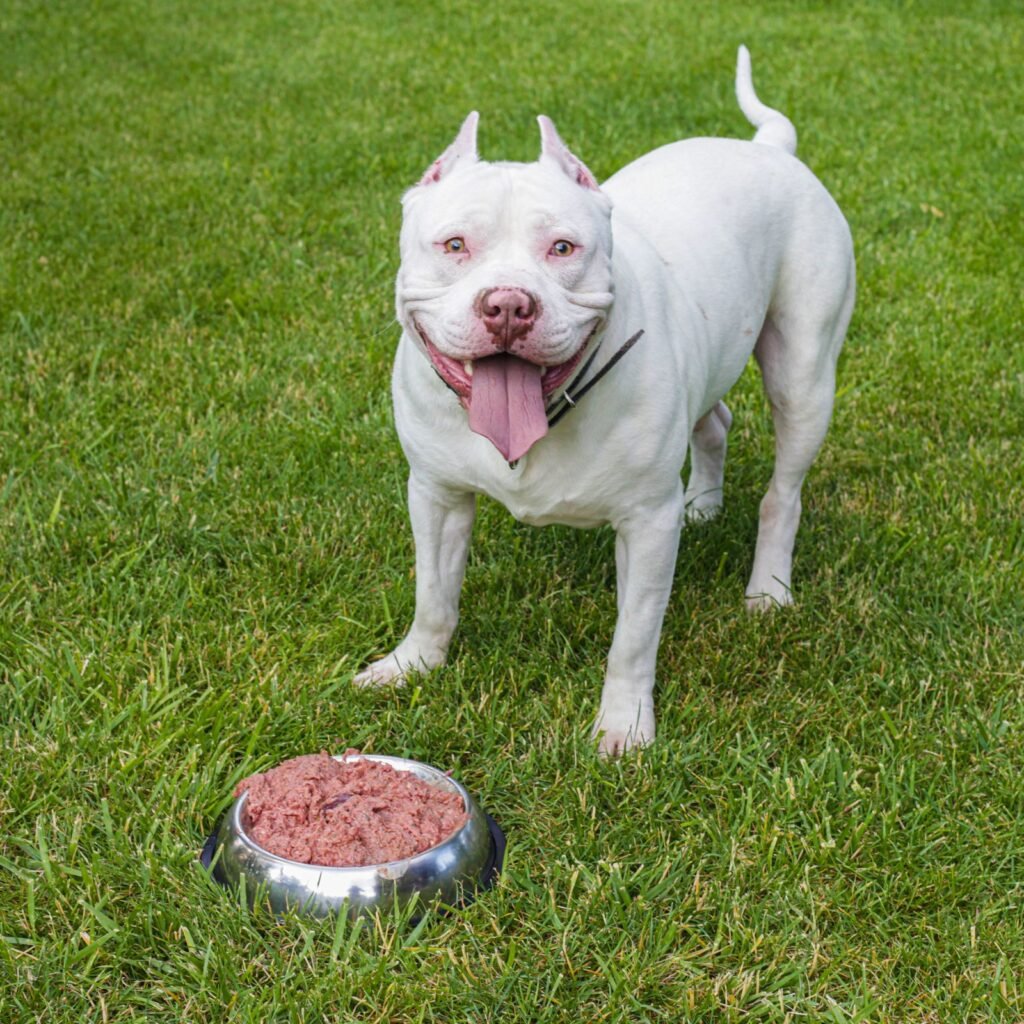
If you want to know how to tell if dog food has gone bad, the useful skill is not a memorized number of days. It is a short check of the bag, the can, the treats, and the bowl in the kitchen you actually have. In a studio or a one-bed flat, that kitchen is often warm, close to the oven, and short on cupboard space. A poorly sealed bin on the worktop does not stay as fresh as a tightly closed bag in a cooler cupboard.
Smell it, look at it, and notice how long an opened pack has sat out. When the food seems off, throw it out. When the dog is unwell after a meal, call a veterinarian rather than guessing from a forum post.
This is general information for dog parents in the US and UK, not a veterinary diagnosis, and not a lab result that names a safe number of days after opening. Do not diagnose food poisoning from the internet. If a dog vomits, has diarrhea, or seems lethargic after a meal, contact a veterinarian.
This is a freshness check, not a storage setup
The job here is recognizing food that should no longer go in the bowl. It is not a rewrite of how to store dog food in a small apartment, which is the container and location plan: where the bag lives, what bin you use, and how you keep the kitchen tidy. You will notice when a bin is left loosely covered in a warm room, but this article is not a buying list of bins.
It is also not how to read a dog food label, though the date on the bag is still worth a glance. It is not how to switch dog food, how much you should feed your dog, how to get a picky dog to eat, or a guide to wet versus dry dog food. Those questions matter, and they are different from “should I still serve this?”
The same freshness habits help when you also keep cat food in a small kitchen. For the container plan on that side of the cupboard, see how to store cat food in a small apartment. This article stays with the dog’s food.
What stale or rancid dry food usually looks and smells like
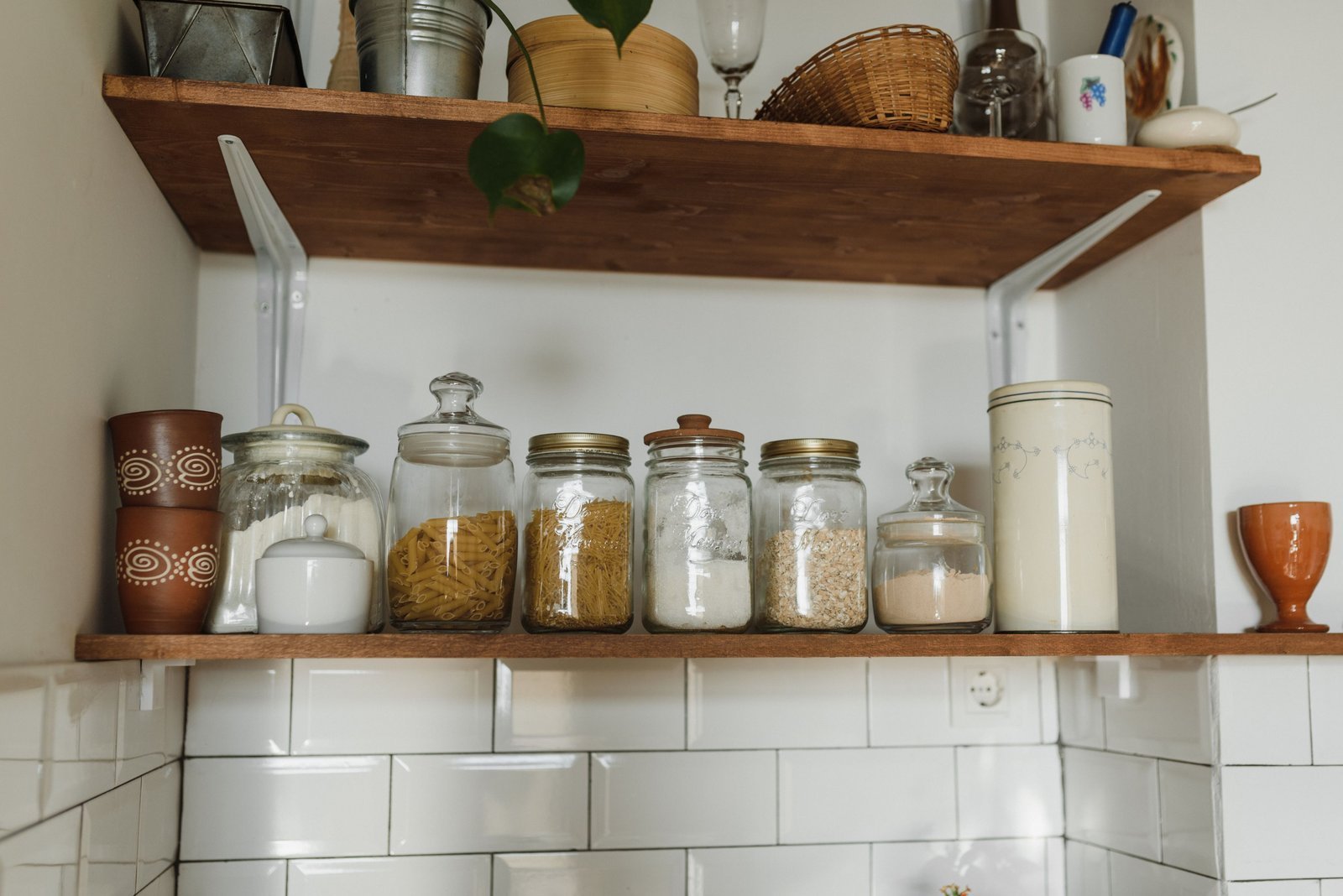
The photo above is a kitchen shelf of human dry goods in glass jars. It is a warm-kitchen pantry picture, not a bag of dog kibble and not a picture of food that has already gone off.
Dry kibble does not usually announce itself with a dramatic color change on day one. More often, the first clue is smell. Fresh food has a mild, familiar scent you already know from the bag you opened. Food that has sat too long, especially in a warm room or a bin that does not close well, can smell stale, dull, sour, or like old oil or paint. If you have to debate whether the smell is “a bit off,” do not serve it.
Look at a handful in good light, not only at the top of a dark bin. Stale kibble may look faded, dusty, or dull. Clumps can mean moisture has got in. Webbing, insects, a greasy film, or a damp bag are a clear stop. Visible mold is a reason to throw the food out and wash the container. This guide will not invent a medical claim about mold. You do not need that diagnosis to decide the food should leave the kitchen.
Heat and air speed that change. In a small apartment, a bin left near the oven, on top of the fridge, or in a sunny window gets warmer than a closed cupboard. A clip that does not seal, or an original bag left open, lets air and humidity in. The storage guide covers the setup. If the kitchen has been warm and the bin has been messy, check more carefully before the next scoop.
How long an opened bag can reasonably sit
The date on the bag is a starting point, not a laboratory certificate. “Best before” and “use by” are not the same kind of wording on every pack, and this article will not pretend they are a single scientific rule. Read the label, including any note about using the food after opening, in the label guide. Then use your senses as well as the date.
Once a bag is open, air, warmth, and humidity matter as much as the printed day. An unopened, intact bag stored as the maker suggests will usually last until that date. An opened bag in a warm kitchen can smell tired sooner. Some makers suggest using opened dry food within a certain number of weeks; treat that as guidance for that product, not as a lab result this article can certify for every kibble. This guide will not invent a single “safe for X days after opening” number.
In a small flat, buy a bag you can actually finish, scoop what you need, and close the bag or bin before you walk away. Do not leave a full bowl of dry food sitting out all day in a warm room. If leftovers smell different from the bag, throw that portion out and wash the bowl.
When you are unsure, throw it out. If you need a new bag or recipe after a spoiled batch, change gradually with the switching guide rather than swapping overnight.
Opened wet food needs a closer look
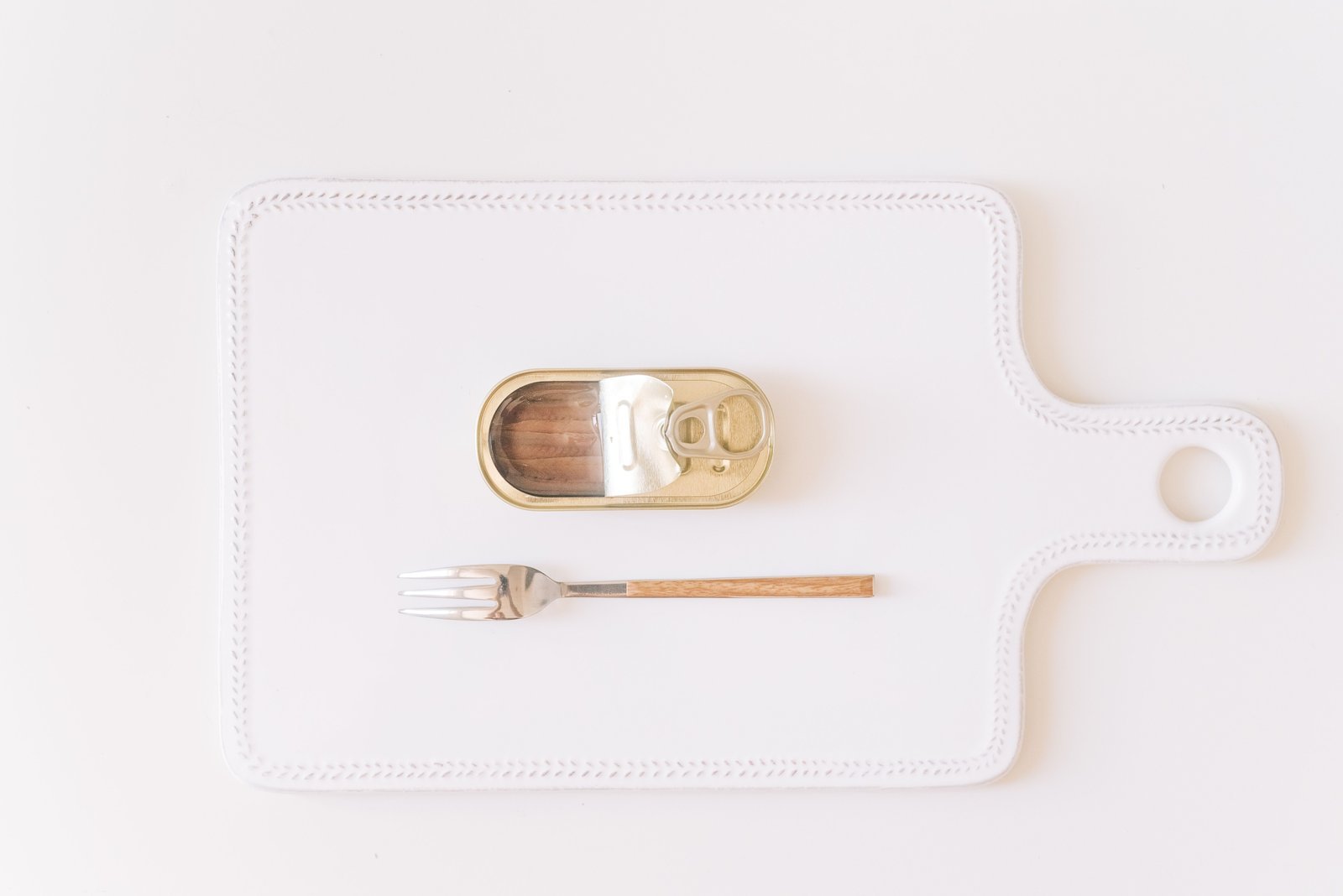
The photo above is an opened tin of human canned fish on a cutting board. It is an opened-can picture, not a tin of wet dog food and not a picture of food that has spoiled.
Wet food is more perishable once the seal is broken. Before you open a can or tray, look at the packaging. Deep rust, a swollen lid, a leak, or a failed seam are reasons not to serve that pack. A sour or “off” smell when you open it is a reason to stop, even if the date looks fine. Food that is unusually dark, dried into a hard rim, fizzy, or oddly separated should not be argued back into the bowl.
After opening, follow the maker’s storage note on that pack. Many wet foods are meant to be covered and refrigerated, then used within the short window the label describes. This article will not turn those notes into a lab-style rule for every can. If opened wet food has already sat on the counter in a warm kitchen for a long stretch, do not rescue it in the fridge afterwards. Throw it out.
The same caution applies to the bowl. Offer a measured amount, give the dog a reasonable time to eat, and pick up what is left. The feeding guide is about portions, not about leaving wet food down all afternoon in a small, warm kitchen. If you are choosing between wet and dry in the first place, that comparison lives in the wet-versus-dry guide, not here.
Treats can go stale or rancid too
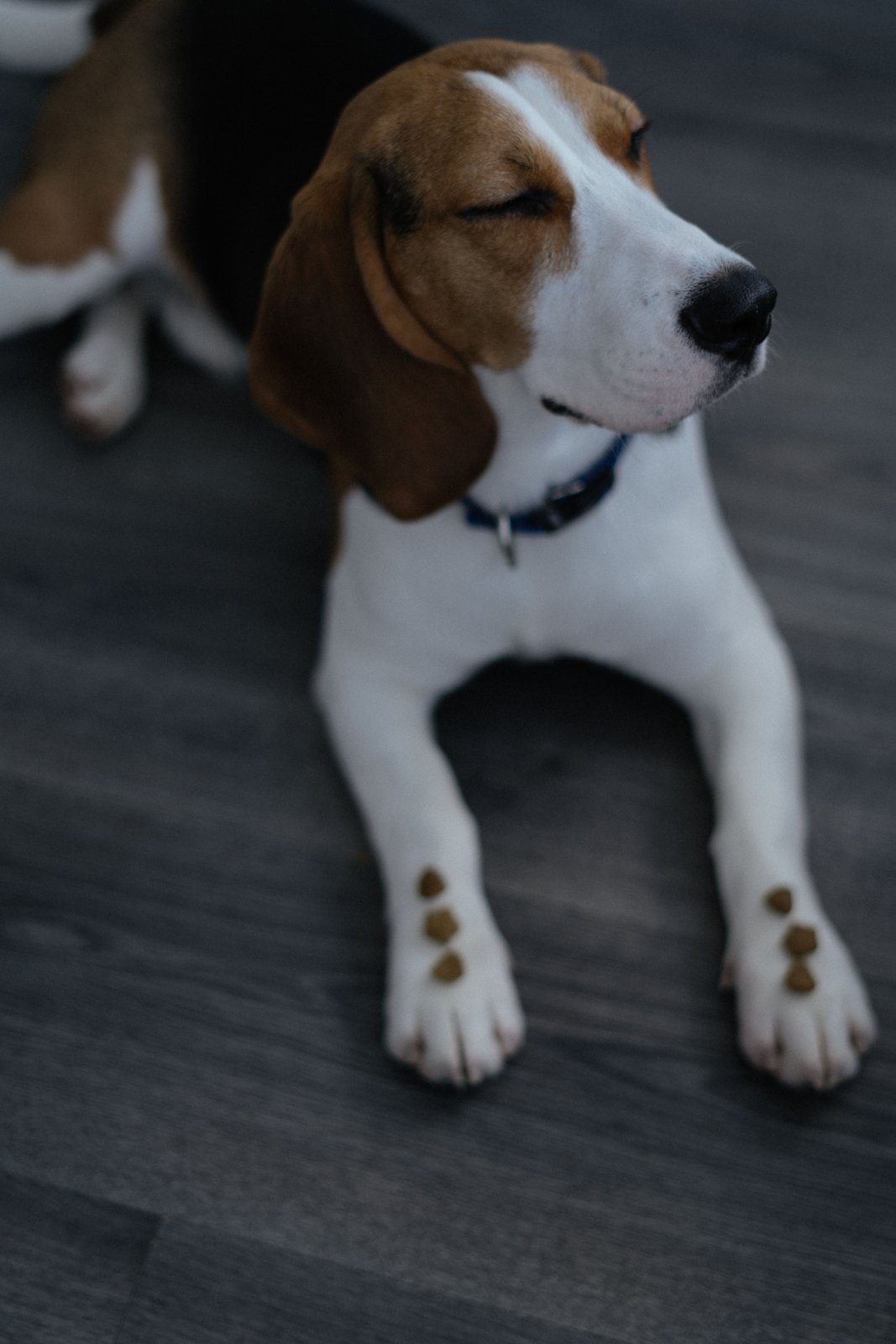
The photo above is a beagle with small treats balanced on its paws. It is a treat picture, not a photo of food that has gone bad.
Treats are still food. Soft or greasy treats often change faster than a dry biscuit once the pack is open. A rancid or stale smell, a slimy surface that is not normal for that treat, unexplained bloom, or insects in the bag are reasons to throw the pack out. Hard chews that suddenly smell like old oil deserve the same decision. For help choosing treats in the first place, see how to choose dog treats.
Keep opened treats closed, away from the cooker, and in a quantity you will actually use. A jumbo pouch that sits open in a warm cupboard for months is an easy way treats go off. When you throw a bag out, do not replace it from your own snack drawer. Some human foods are unsafe for dogs.
A practical pantry-and-bowl check in a small apartment
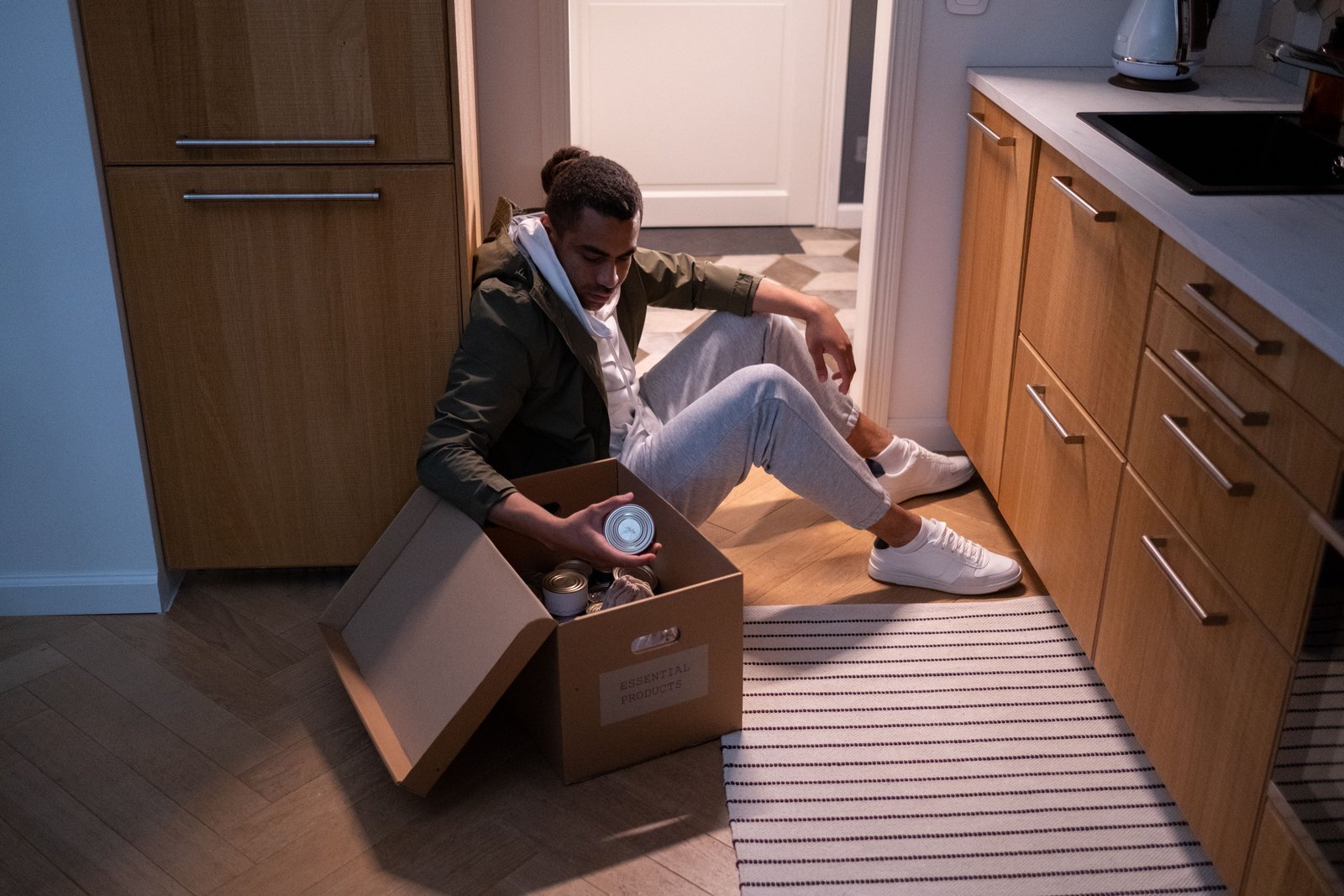
The photo above is a person sitting in a small kitchen with a box of human canned food. It is an apartment-kitchen check, not a picture of spoiled dog food.
You only need a short check you can repeat on a weekday.
Before you scoop dry food. Open the bag or bin and smell it. Look at a handful in the light. If the lid has been loose, or the bag has been sitting near the oven, be more skeptical than you would with a freshly opened pack from a cool cupboard.
Before you open wet food. Check the can or tray for damage. Smell it as soon as it is open. Portion what the dog will eat now, then cover and chill any remainder only if the label supports that, and only if it has not already sat out in a warm room.
At the bowl. Do not top up yesterday’s leftovers without looking. Dry food that has been sitting out, or wet food that has dried at the edges, should be thrown away. Wash the bowl before the next meal.
With treats. Smell the bag when you open it. If a soft treat feels or smells different from last week, stop using it.
If the dog suddenly refuses a food they usually like, freshness is one possible reason, not the only one. Use the picky-eating guide for the routine side of a dog that turns away from a bowl of sound food, and contact a veterinarian if refusal comes with vomiting, diarrhea, lethargy, or a dog that seems unwell. Do not force a dog to finish food you already suspect is stale.
When to throw it out, and when to call a veterinarian
Throw the food out if it smells stale, sour, or rancid; if you see moisture, clumps, insects, or mold; if a can is swollen, rusty, leaking, or badly damaged; if opened wet food has sat out in a warm kitchen for a long stretch; or if you simply do not trust it. Wash the bin, the scoop, and the bowl before you put a new bag into circulation.
If the dog already ate the food and then vomits, has diarrhea, or seems lethargic, contact a veterinarian. The same applies if the dog is drooling, restless, in pain, or unusually sleepy, or if a large amount of badly spoiled food was eaten. This article cannot tell you that the dog will be fine, and it cannot diagnose food poisoning from the internet. Bring the bag or the lot number if you still have it.
A sudden change in appetite, or a dog that seems unwell even when the food smells normal, is also a veterinary question. Freshness checks do not replace care. They only help you avoid serving a meal you can already tell is past its best.
FAQ
How long is an opened bag of dog food safe to use?
There is no single lab number this guide can give for every bag, every kitchen, and every bin. Use the date and the “after opening” note on your pack, then check smell and appearance as well. An opened bag in a warm, poorly sealed container can go stale sooner than the printed date suggests. If the food smells off, looks damp or clumped, or you do not trust it, throw it out.
Can I still serve dog food after the date on the bag?
The date is a starting point, not a promise that the food is fine the day before and useless the day after. An intact, well-stored unopened bag is a different case from an opened bag that has sat in a warm kitchen. Check the wording on your label, use your senses, and do not serve food that smells stale, sour, or rancid, even if the date has not arrived. When you are unsure, throw it out.
My dog refused dinner. Does that mean the food has gone bad?
Not always. Refusal can be a freshness problem, a habit, a recent food change, or a health issue. Smell and look at the food first. If it seems off, throw it out and do not push the dog to finish it. If the food seems normal and the dog also vomits, has diarrhea, seems lethargic, or keeps refusing meals, contact a veterinarian. For the routine side of a dog that turns away from a bowl of sound food, use the picky-eating guide.
What should I do if my dog already ate food that smelled off?
Contact a veterinarian, especially if the dog vomits, has diarrhea, seems lethargic, or ate a large amount of food you already thought was spoiled. This article cannot diagnose food poisoning from the internet and cannot tell you to wait and see. Keep the bag or the lot number if you still have it, and throw out the rest of the food so it is not served again.
Do I use the same freshness check for cat food in the same kitchen?
The same habits help: smell the food, look at it, close opened bags and cans, and be more careful in a warm, poorly sealed cupboard. For the container and location plan on the cat side, use the cat-food storage guide. This article is about the dog’s food. A cat that vomits, has diarrhea, or seems unwell after a meal should see a veterinarian as well.
[…] smells off, looks dried out, or has been forgotten at the back of the shelf, throw it away. The guide to telling whether dog food has gone bad is the better place for spoilage signs; do not taste the food yourself to “check,” and […]
[…] “slightly off” smell is enough reason to stop. For a broader spoilage walk-through, use how to tell if dog food has gone bad and how to tell if cat food has gone bad. Those articles cover dry and wet food as well as the same […]