


A practical plan for dog food toppers without overfeeding starts with treating the scoop as an add-on to an already complete food, not a second meal. A spoonful of wet food, a splash of broth, or a commercial topper can make a bowl smell more interesting. It can also quietly double the calories if you keep the usual kibble and then pour extras on top.
This is general information for US and UK dog parents, not a veterinary diet and not a promise that a topper will fix appetite, coat, or energy. Do not use a topper as a treatment for allergies, kidney or joint problems, skin issues, or so-called immune support, and do not invent a homemade “balanced raw topper” or supplement recipe. Count toppers and other extras in the day’s calorie budget. If your dog suddenly refuses un-topped food, or if you see vomiting, diarrhea, itching, or a weight change, that is a veterinary question before you keep adding toppers.
Read the label for an add-on serving, not a meal
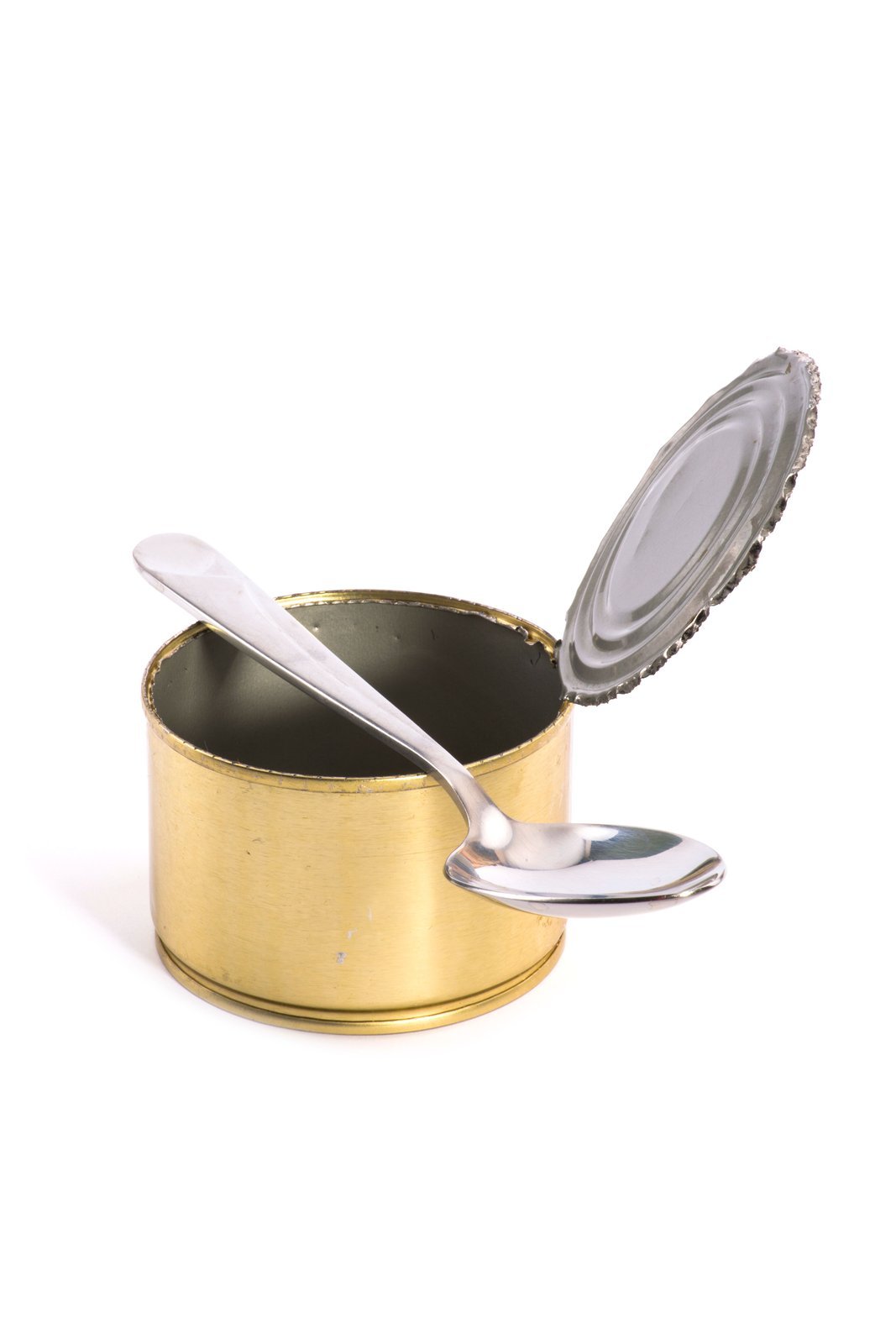
The first job is to decide what the scoop actually is. Some wet foods and many commercial toppers list a serving meant to sit on top of a complete food. Others are complete meals in their own right. If you treat a meal-sized tray as a “just a taste” garnish, the math fails quickly.
How to read a dog food label is the place for guaranteed analysis, calorie statements, and what “complete and balanced” actually means. Use that skill here in a narrower way: find the calorie figure and the suggested amount when the product is used as an add-on, not as the whole dinner. If the pack only lists a full-meal serving, start smaller than that meal amount and count those calories against the day’s total. A teaspoon or a level tablespoon is a clearer habit than a free pour from the can.
Wet food and dry food already have different calorie densities. Wet vs dry dog food covers that everyday choice. If the base of the bowl is already a complete wet food, a second wet topper is often just more of the same meal. If the base is kibble, a spoon of wet food or broth can be an add-on, but it still belongs in the same daily budget you would use when you ask how much you should feed your dog.
Broth is easy to underestimate. A salty kitchen stock is a poor default. If you use a plain, onion-free broth sold for dogs, or a very small amount of unsalted cooking liquid your veterinarian has already said is acceptable, measure it. Liquid calories still count, and a “splash” that grows every day is how overfeeding starts.
Commercial toppers vary even within one brand family, so do not copy a serving from a friend’s bowl or from a photo on the pack. Oil, gravy, shreds, and freeze-dried pieces can have very different calories per spoon. If you change products, read the new label and reset the measured amount. A “same size scoop” is only useful when it is the same food.
Count the topper in the day’s portions

Once you know the add-on serving, write it into the day rather than stacking it on top of an unchanged bowl. If the topper is 50 calories, that is 50 calories less of the complete food, or 50 calories less from another extra, unless your veterinarian has given you a different plan. A kitchen scale makes this easier than guessing by eye, even if you only weigh the main food and then add a measured spoon of topper.
Treats are a separate line in the same budget, not a free extra beside the topper. How to choose dog treats and best training treats for dogs are the places to pick small, easy-to-portion rewards. If you already train with a handful of treats, a rich topper at dinner can be the overlap that shows up on the ribs later. Keep toppers in the meal column and treats in the reward column, and still add both up.
A dog that finishes in seconds may gulp the richer layer first and leave you unsure what was eaten. Slowing down a dog that eats too fast is the plan for pacing. A slower bowl can help some dogs, but it does not cancel the calories. Spread a thin topper through the meal rather than leaving a thick puddle on top if your dog inhales only the tasty layer and walks away from the rest.
Keep a simple written routine for a week if the bowl has started to drift: morning amount, evening amount, topper spoons, and treats. Many overfeeding problems are not one huge scoop. They are a slightly heavy pour at breakfast, a second “just a bit” at dinner, and training treats that were never subtracted. The week of notes will tell you more than a guess.
Do not turn a topper into a stealth food change. If you are moving from one complete food to another, how to switch dog food is the gradual plan. A rotating topper used for flavor is not the same as a new diet. If the “topper” starts to crowd out the original food, you are no longer adding a scoop. You are changing the meal, and the portions need a fresh look.
When a topper helps, and when it teaches the dog to wait you out
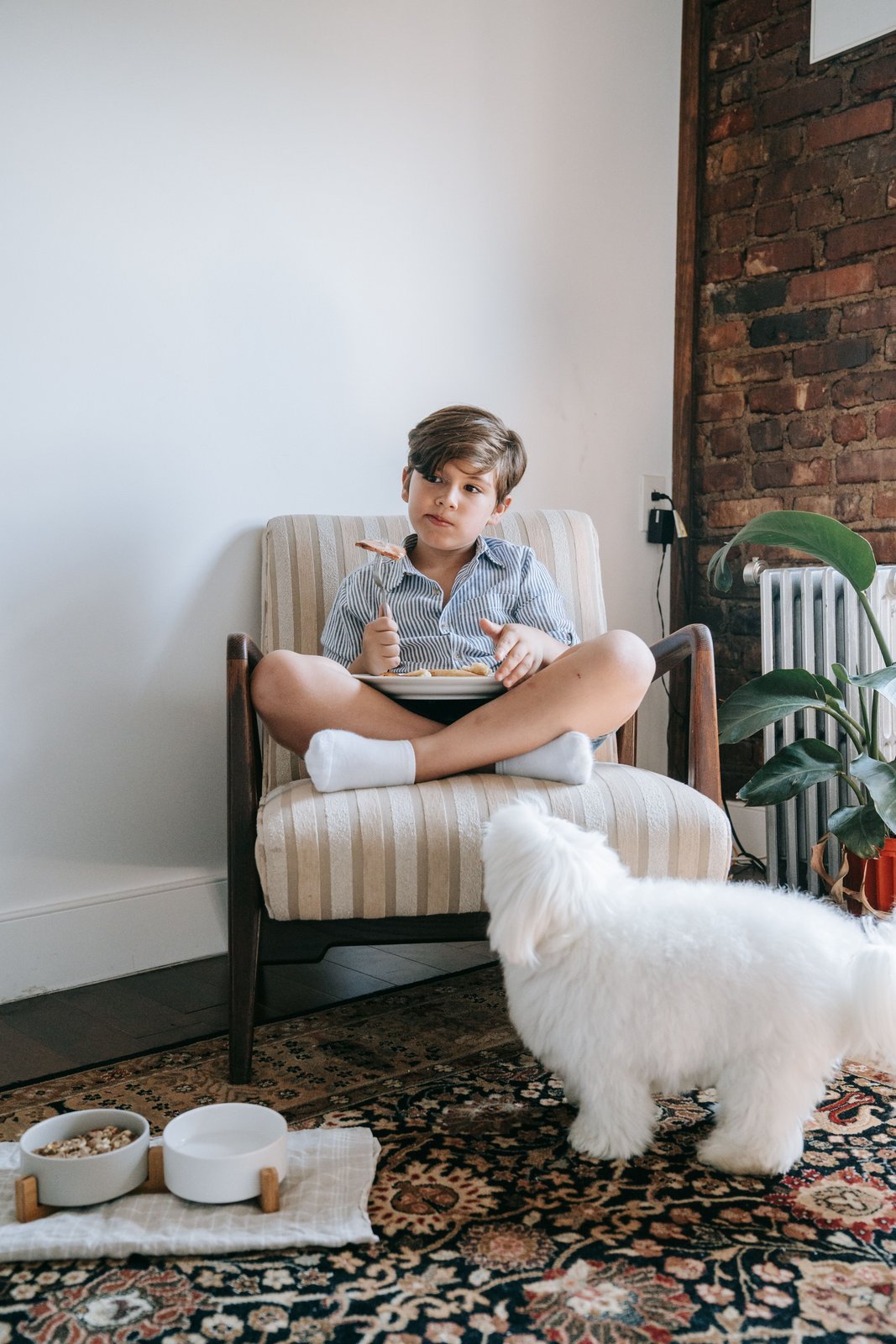
A small, measured topper can help a bored or cautious eater notice a complete food they already do well on. It can also teach a dog that the boring bowl is a bluff, and that waiting will produce something richer. The difference is usually in how you use it, and in whether the rest of the meal stays consistent.
If the dog eats the un-topped food on most days, and you add a measured scoop for variety or for a slightly reduced appetite after a quiet day, the topper is doing add-on work. If you immediately upgrade the bowl the moment the dog walks away, you are bargaining. How to get a picky dog to eat is the broader behavior plan for refusal, routine, and when to stop adding more options. This article does not replace that plan. Use a topper as a thin, counted layer, not as a new course every time the first bowl is ignored.
A sudden refusal of food that was fine yesterday is not a reason to keep decorating the bowl. It is a reason to look at health, dental discomfort, or a diet issue with a veterinarian, especially if the refusal comes with vomiting, diarrhea, itching, or weight loss. A topper can hide a problem for a few days by making the bowl more tempting. That is not a fix.
Human food used as a sprinkle belongs in the same careful column. Human foods that are safe for dogs is the place to check what is and is not appropriate. If you add a little plain, unseasoned food that is already on that safe list, measure it and count it. Do not build a homemade “balanced” raw mix or a supplement stack and call it a topper. Leftover sauce, onion-rich drippings, and “a bit of whatever is on the plate” are not a feeding plan.
Keep the routine boring on purpose. Put the measured bowl down, give the dog a calm window to eat, and pick it up if it is being ignored. The topper should already be in the bowl, not produced after a stare. A dog that learns to wait you out at the table is practicing a different skill than eating a complete meal.
If you live with more than one person, agree on the same measured scoop. A topper that is “only a little” in one person’s hands and a generous pour in another’s will undo the calorie plan in a few days. The same rule helps in a small kitchen, where the open pouch is easy to grab during someone else’s cooking.
Store opened toppers in a small kitchen
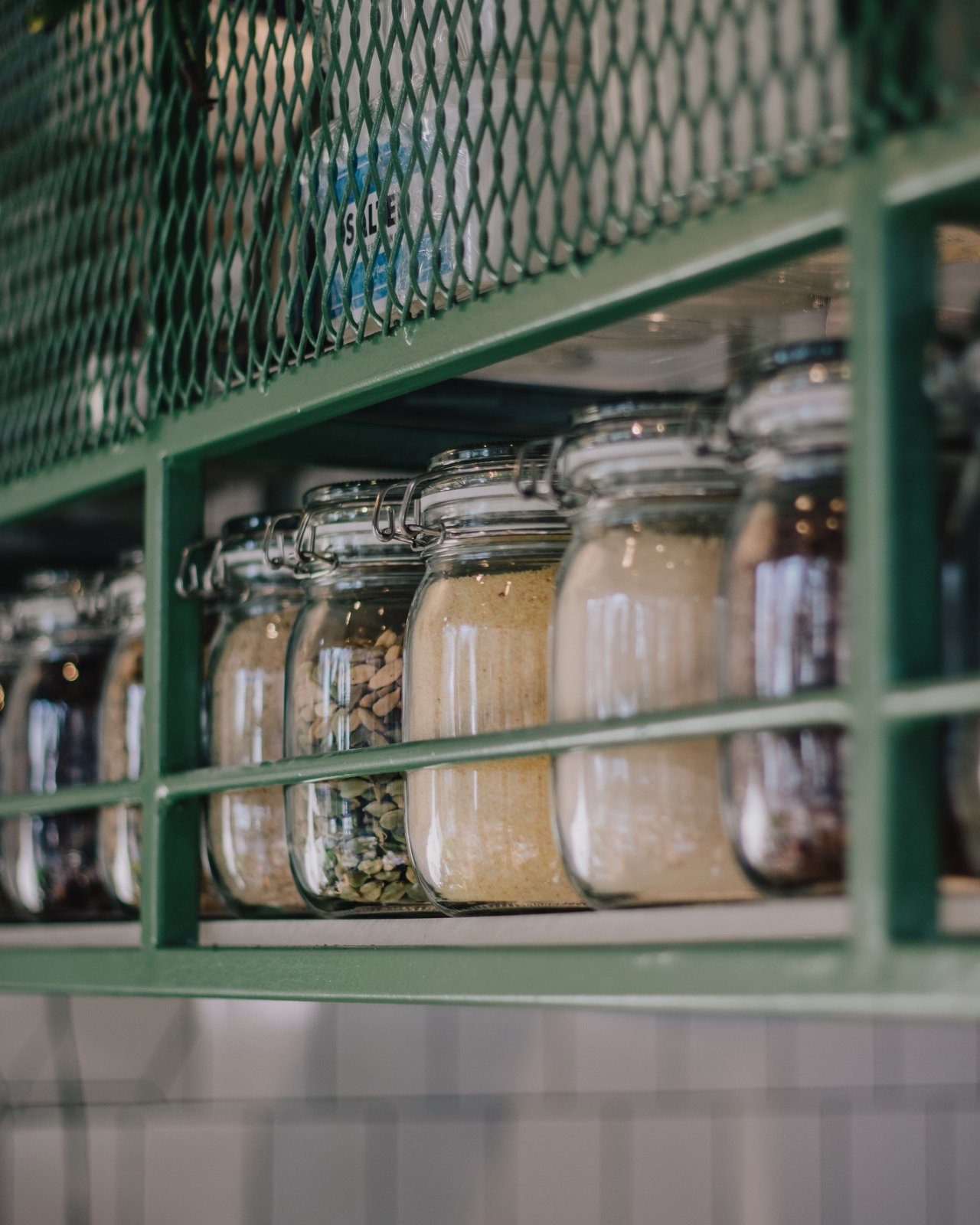
An opened wet topper or can is a small-kitchen problem as much as a calorie problem. Cover it, refrigerate it if the label says to, and use it within the time on the pack. A smeared spoon left in an open can on the counter is a spoilage risk in a warm apartment.
How to store dog food in a small apartment covers bags, bins, and pest-proofing for the main food. Follow that for kibble and unopened packs, then treat opened toppers more like leftovers: a clean, covered container, a spot in the fridge, and a date you can see. Do not leave wet food in a dented open can if a covered pot or jar is safer and easier to fit on a shelf.
Watch for spoilage the same way you would with any opened wet food. How to tell if dog food has gone bad is the dedicated check for smell, color, swelling, and mold. If the topper smells off, looks changed, or has been left out too long, throw it away. Do not “freshen” it with a new scoop on top of an old one.
Dry toppers and toppers that stay shelf-stable after opening still need a closed container and a dry place away from the stove and the sink. In a tight kitchen, it is easy to park an open pouch next to the kettle. Heat and moisture shorten the life of the product and make portions harder to keep consistent.
If you split a can across two days, use a clean spoon each time and do not return leftovers from the bowl to the stored pot. Refrigerated wet food should come back to a safe serving temperature only in the amount you plan to offer, not by leaving a full tub on the counter to warm. When in doubt, throw out a questionable leftover and measure a fresh, smaller scoop.
A topper works best when it stays small, measured, and secondary to a complete food. Read the add-on serving, put those calories into the day, use the scoop as a thin layer rather than a negotiation, and store what you open so it is still a food you would choose to serve tomorrow.
FAQ
Can I add a topper on top of my dog’s usual amount of food?
Only if you also reduce something else, or if a veterinarian has given you a plan that already includes those extra calories. A topper is an add-on in the day’s budget, not a free layer on an unchanged bowl. Weigh or measure the main food, add a counted spoon of topper, and keep treats in the same daily total.
How do I know whether a topper is an add-on or a full meal?
Read the label for the calorie figure and the suggested serving when the product is used with a complete food. Some wet foods and toppers list a meal-sized serving; others list a small garnish amount. If you only see a full-meal direction, start with much less than that meal amount and count the calories. When the pack is unclear, ask your veterinarian or the company for the add-on calories rather than guessing.
My dog will only eat if I keep adding more topper. What should I do?
That pattern often means the topper has become a bargaining chip. Go back to a measured layer in a consistent meal, and use the broader picky-eating plan for refusal rather than upgrading the bowl each time the dog walks away. If the refusal is sudden, or if you see vomiting, diarrhea, itching, or a weight change, contact a veterinarian before you keep adding toppers.
Is a homemade raw mix or a kitchen leftover a good topper?
No. Do not invent a homemade “balanced raw topper” or supplement recipe, and do not pour leftover sauce or seasoned plate scraps over a complete food. If you use a small amount of plain food that is already known to be appropriate, measure it and count it. For questions about a specific human food, use a reliable safe-foods guide and your veterinarian, not a social-media mix.
How should I store an opened wet topper in a small kitchen?
Cover it, refrigerate it if the label says to, and use it within the stated time. A clean, covered container is usually easier to fit in a small fridge than an open can with a spoon in it. If the topper smells off, looks changed, or has been left out too long, throw it away rather than mixing it into the next meal.