

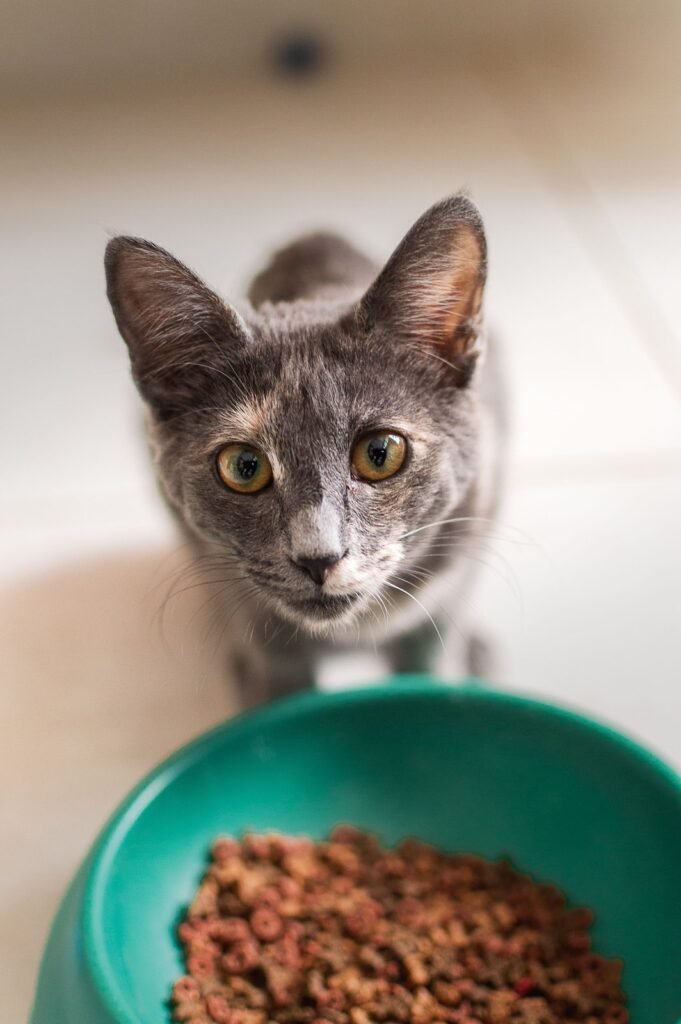
If you want to know how to tell if cat food has gone bad, start with what you can see, smell, and feel in the bag, the can, and the bowl. A date on the label is useful context. It is not a substitute for a look at the food in front of you.
A practical check is simple: notice changes in smell, color, texture, and packaging, store opened wet food so it does not sit out, and throw the food out when it is off rather than scraping a dried top and serving the rest. Do not taste pet food to “make sure,” and do not rely on a date alone if the pack is already damaged.
This is general information for cat parents in the US and UK, not a veterinary diagnosis, and not a lab result. This article does not invent shelf-life hours as if they were tested here. Follow the storage directions on the package when they are printed. A bulging, leaking, badly dented, or rusty can should be thrown out. A cat that vomits, has diarrhea, refuses food, or seems unwell after eating should see a veterinarian.
This is a spoilage check, not a storage setup
The job here is whether the food is still all right to serve: kibble, cans, pouches, and leftovers. It is not a rewrite of how to store cat food in a small apartment, which is about where to stash bags and cans in a tight kitchen. Good storage helps food stay fresher. This article is the check you run when something already looks, smells, or feels wrong.
It is also not how to choose food for an indoor cat, how to read a cat food label, how to switch cat food, or wet vs dry cat food. Those guides help you pick and change a diet. They do not tell you when a pouch has gone off. A cat who leaves dinner may be picky, or the portion may not match how much you usually feed. If the food itself smells or looks wrong, treat that as a freshness problem first.
If you also keep dog food in the same kitchen, do not share spoiled food with either animal; the dog-food freshness guide is the place for that species. This article stays with cats.
Think of four checks, not one:
- Smell and look. Rancid, sour, or sharply “off” odors, and color or texture that does not match a fresh serving, are worth acting on.
- Packaging. A swollen, leaking, badly dented, or rusty can, or a bag that is torn, wet, or infested, is not a close call.
- Opened wet food. Cover it, keep it cold, and throw out leftovers that have sat out, dried, or changed.
- The cat. Refusal after a sniff can be a clue, but vomiting, diarrhea, or illness after a meal is a veterinary question.
What stale or rancid dry food usually looks and smells like
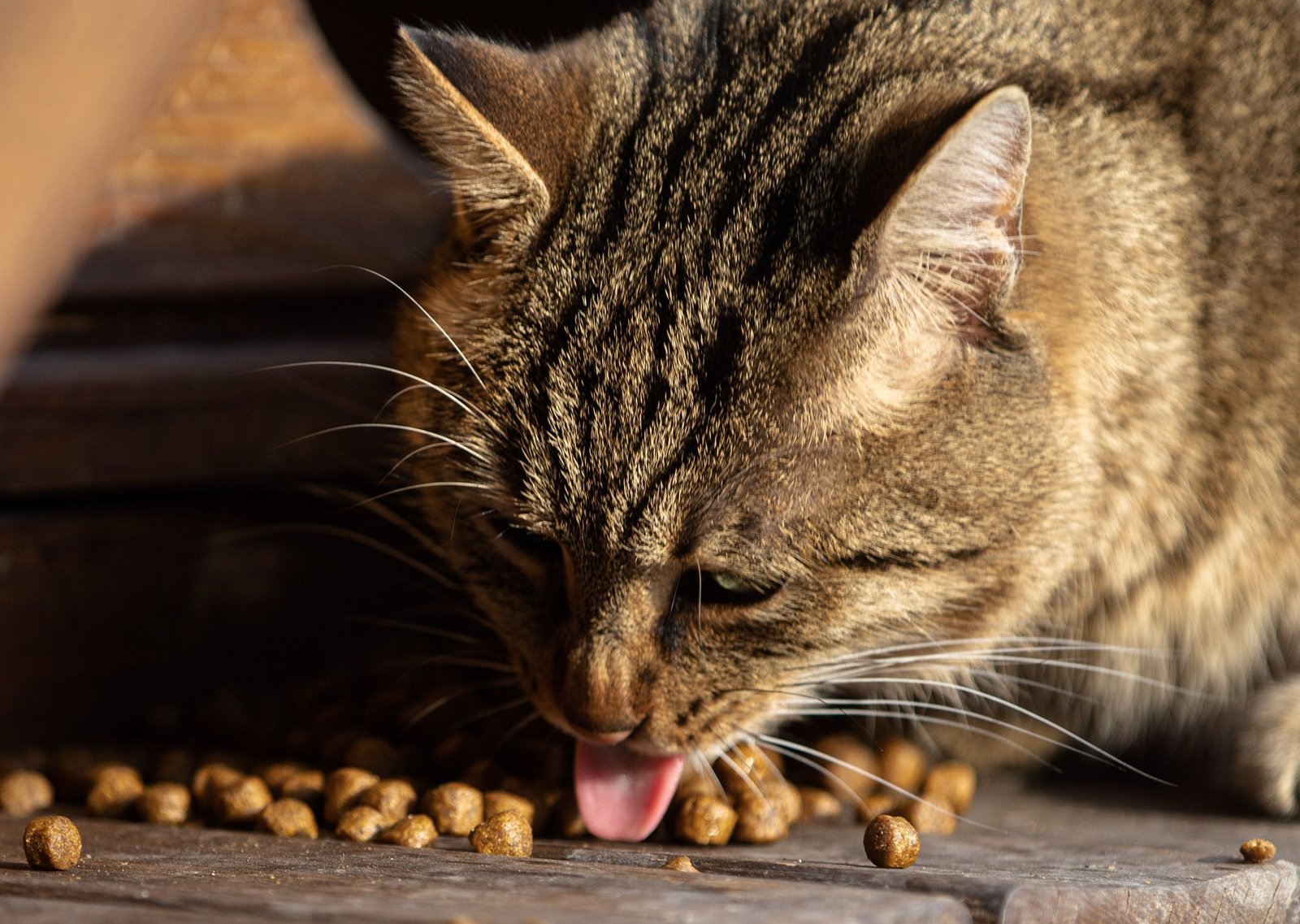
Dry kibble should smell like itself: a mild, familiar food smell, not paint, stale oil, or sour dust. Open the bag and smell a handful, then look at the bowl you are about to serve.
Signs that are worth acting on include a sharp rancid or chemical odor, kibble that looks unusually dark, bleached, dusty, or oily, visible mold, clumps that should not be there, or insects and webbing in the bag. A few broken pieces are ordinary. Fat in dry food can go rancid even when the kibble still looks tidy, so smell matters as much as appearance. A bag that has been left open in a warm, humid room can go stale faster, but staleness is still a judgment from smell and look, not from a timer invented here.
If the food is off, throw out the bag rather than mixing the “better-looking” bits with a new one. Wash the bin or scoop, and do not pour a fresh bag into a container that still holds the old crumbs. The apartment storage guide can help you keep the next bag closed, dry, and away from heat; the freshness question is already answered once the smell or look is wrong.
Cans, pouches, and unopened packaging
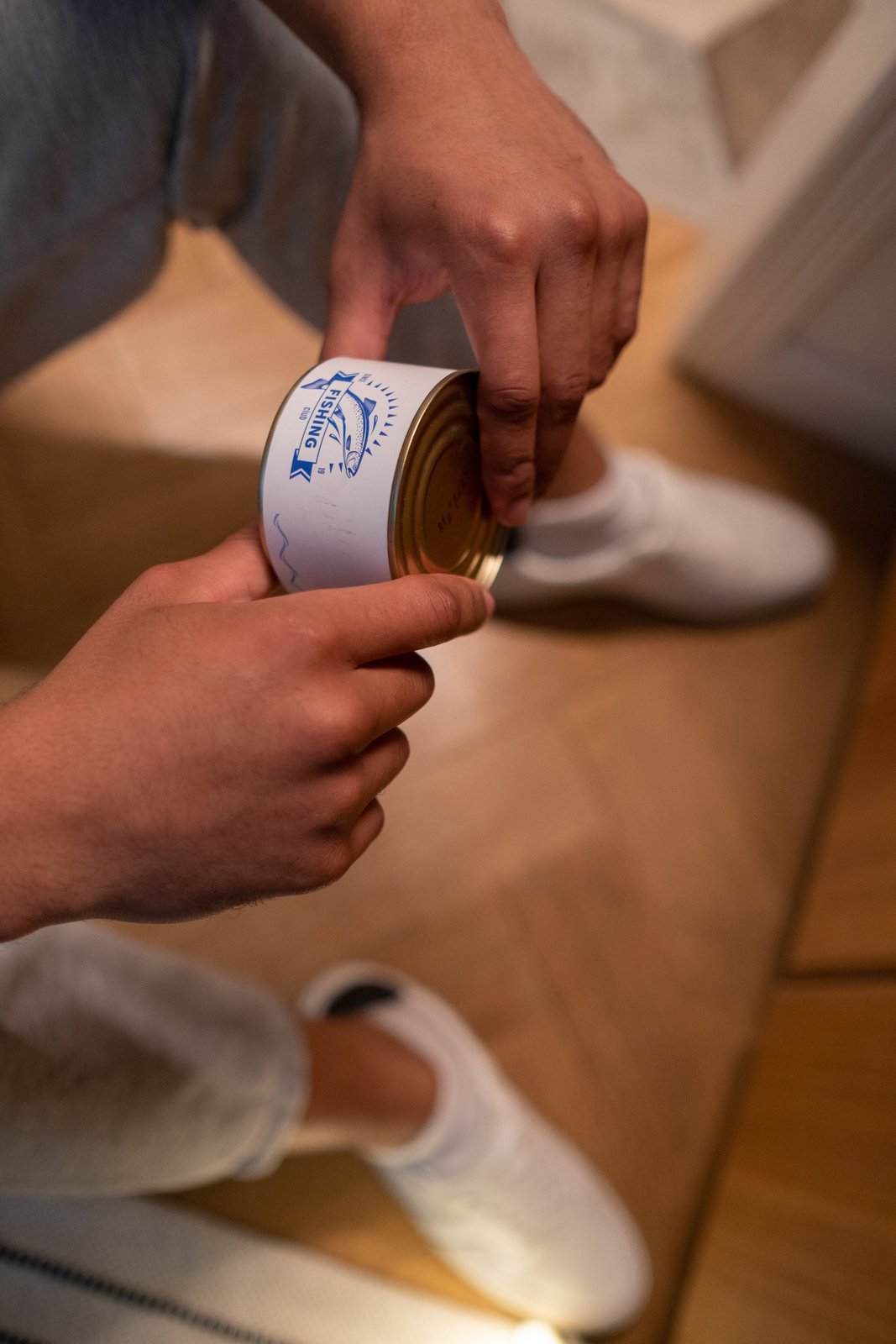
Unopened wet food should arrive with intact packaging. Before you open a can or pouch, look at the shape and the seams, not only the date.
Throw the food out if the can is bulging, leaking, badly dented, or rusty, or if a pouch is puffed, punctured, or leaking. A badly damaged can is not something to “try” because the date still looks fine. Do not taste the contents to settle the question. If the lid is crusted, the seam is wet, or you hear or see an unusual spray when you open it, stop and discard it.
When you do open a sound can or pouch, the food should look and smell like the last sound serving you remember: moist, familiar in color, without a sour or metallic stink, visible mold, or an odd foam. If you are unsure, throw it out. A new can from a new lot can look slightly different from the last one; a sour smell, a swollen pack, or liquid that seems unusually separated and off is in a different category.
The date and lot on the label are still worth reading, which is why the label-reading guide is useful background. This check is about the condition of the pack in your hand.
Opened wet food and leftovers
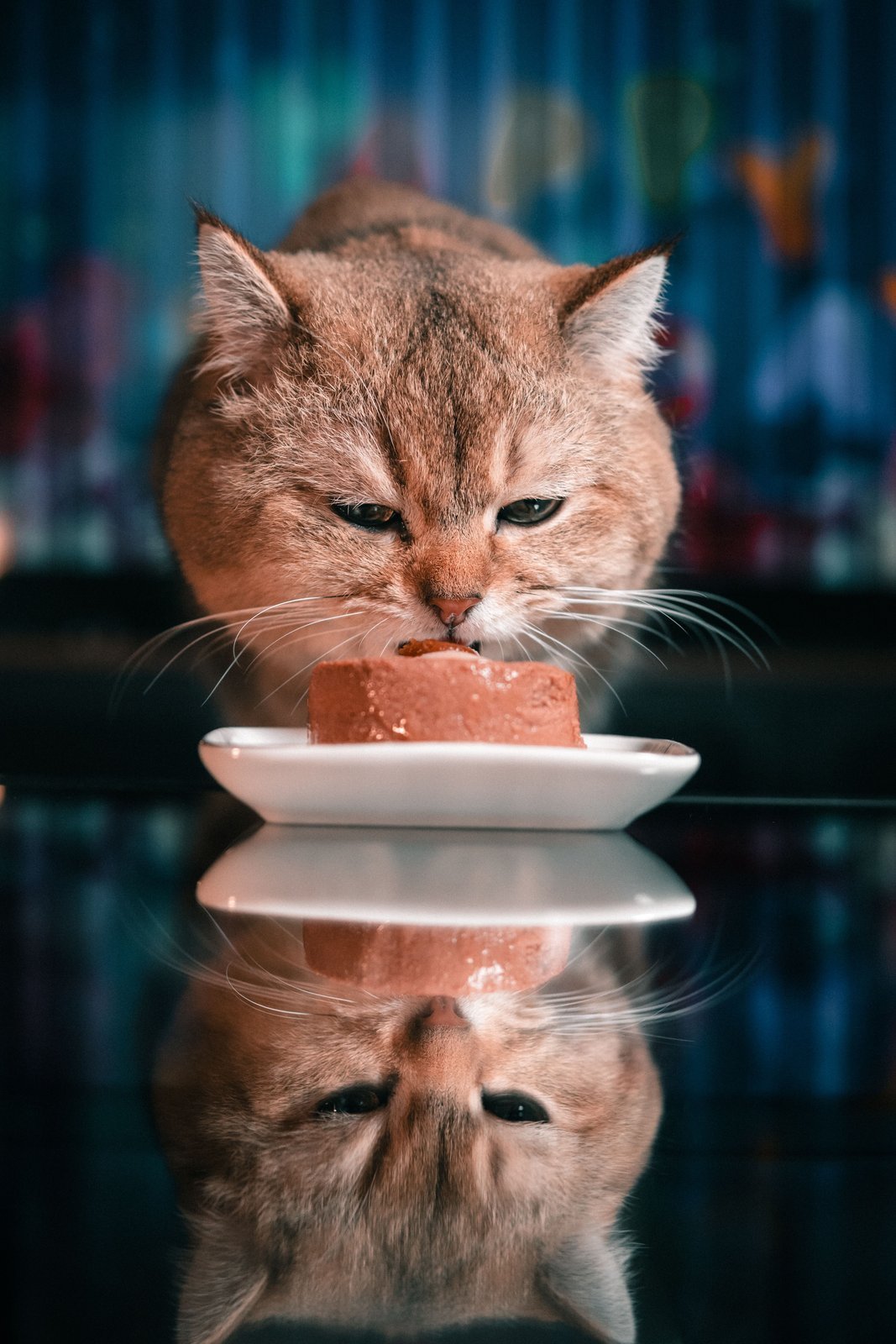
Opened wet food is where leftovers usually go wrong. A can or pouch is not meant to sit on the counter, and a bowl left out from breakfast is not automatically a second meal.
Cover unused wet food and refrigerate it after opening, in a clean container or with a tight cover on the can if you use one. Follow the package directions for how promptly to use it. This article will not invent a number of hours as if it were a lab result. If the leftover has dried into a hard film, darkened, grown a sour or sharp smell, or sat out at room temperature, throw it out. Do not scrape the dried top and serve what is underneath, and do not mix a questionable leftover into a fresh can to hide the change.
The same rule applies to food already in the bowl. If it has crusted, attracted flies, or been sitting in a warm room, it is not a “top up” candidate. Wash the bowl with hot soapy water before the next serving. Treats can go stale or rancid too; check those the same way, and do not use spoiled leftovers as a stand-in for a treat.
Store opened food carefully, then still check it
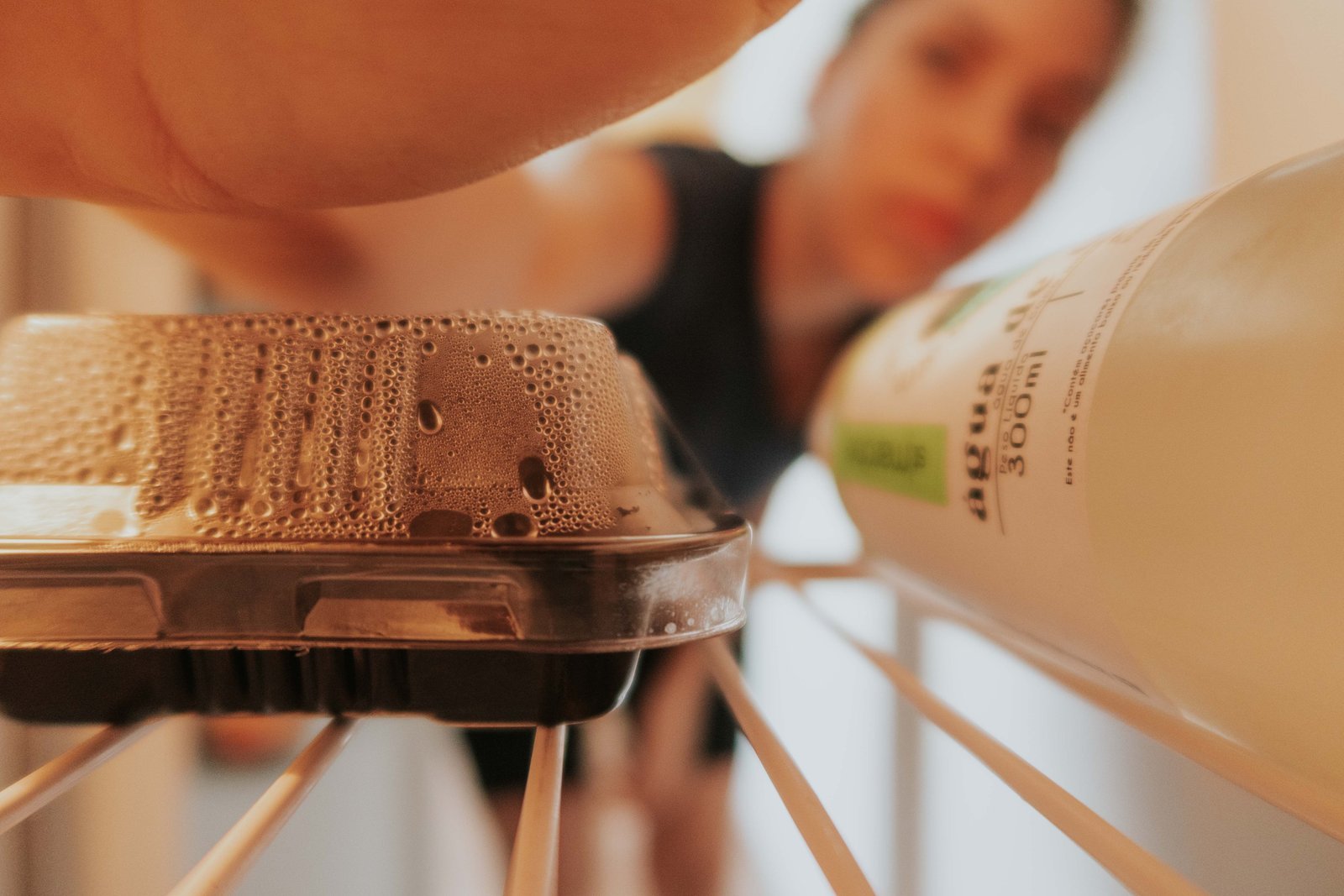
Cold, covered storage buys you time. It does not make spoiled food safe. Keep opened wet food in the fridge, clearly covered, and keep dry food in a closed bag or bin away from heat and damp, which is the work of the small-apartment storage guide. When you take leftovers back out, repeat the smell-and-look check before they go in the bowl. Food that smelled fine yesterday can still be off today if the cover was loose or the fridge was warm.
Do not leave wet food in a warm windowsill, and do not combine yesterday’s leftover with a fresh can to “use it up.” If you recently switched foods, a new recipe can smell different from the old one; that is not the same as a sour or rancid odor. When in doubt, discard the leftover and open a new pack.
Ordinary human foods that can be safe for cats are not a workaround for a bad pouch. If you offer a permitted extra, it should be fresh too, and it should not replace a meal you already suspect is spoiled.
When to throw it out, and when to call a veterinarian
Throw the food out if the smell is rancid or sour, if you see mold, pests, or an odd slime, if a can is bulging, leaking, badly dented, or rusty, if a pouch is swollen or leaking, or if leftovers have dried, sat out, or changed color. When the food is gone, wash bowls, scoops, and any container the old food touched.
If the cat already ate food you later realized was off, watch them and contact a veterinarian if they vomit, have diarrhea, refuse food, seem lethargic, or otherwise look unwell. Do not wait for a second serving to “see if it happens again.” This guide cannot tell you whether a particular meal caused an illness; that is a clinical question.
A sudden, ongoing refusal of food that still smells and looks normal may belong with the picky-eating guide, or with a vet visit if the cat seems ill, is a kitten, or has gone more than a short time without eating. Cats that stop eating can get sick quickly. When the food is the suspect, remove it first, then get advice.
A calm starting check you can repeat
Use this as a first pass, then follow the label on your food:
- Smell and look at dry kibble when you open the bag and again at the bowl. Throw out rancid, moldy, oily, or infested food.
- Inspect cans and pouches before you open them. Discard bulging, leaking, badly dented, or rusty packs.
- Cover and refrigerate opened wet food. Do not scrape a dried top or serve leftovers that have sat out or changed.
- Wash bowls and bins after you discard bad food.
- Do not taste pet food. Do not invent a timetable that the package does not support.
- Contact a veterinarian if the cat vomits, has diarrhea, refuses food, or seems unwell after eating.
Spoiled cat food is a household freshness problem, not a puzzle you solve by tasting a kibble or saving the bottom of a can. The aim is a quick, repeatable check, a covered leftover, and a bowl you trust. If the cat is already sick, the next step belongs with a veterinarian, not with another serving from the same pack.
FAQ
Can I still serve cat food after the date on the pack?
The date is a useful guide, not a complete answer. A sound, well-stored pack may still look and smell normal, and a pack that is within date can already be off if it was damaged or left open. Check smell, color, texture, and packaging, and follow the storage directions on the label. This article does not invent a number of extra days that make a date safe.
How should I store opened wet food?
Cover it and refrigerate it after opening, and use it promptly according to the package. Do not leave it on the counter, and do not scrape a dried surface to reach the food underneath. If leftovers have sat out, dried, darkened, or developed a sour smell, throw them out and wash the bowl.
My cat refused dinner. Does that mean the food has gone bad?
Not always. Some cats refuse food that is still fine, and some leave a bowl for reasons covered in the picky-eating guide. If the food smells or looks wrong, or the pack is damaged, throw it out. If the food seems normal but the cat also looks unwell, or keeps refusing meals, contact a veterinarian rather than waiting it out.
What should I do if my cat already ate food that seemed off?
Remove any remaining food, wash the bowl, and watch the cat. Contact a veterinarian if they vomit, have diarrhea, refuse further food, or seem unwell. This guide cannot diagnose what caused a particular symptom. Do not offer more of the same pack while you wait.
Should I taste the food or just scrape the top?
No. Do not taste pet food, and do not scrape a dried or discolored top to save what is underneath. If you are unsure, throw the food out. A bulging, leaking, badly dented, or rusty can should be discarded without a taste test.