


If you want a calm plan for how to clean a litter box in a small apartment, start with the daily scoop and the occasional full wash, not with a new box or a new litter. The useful work is keeping waste out of a tight bathroom or closet without kicking litter down the hall, without flooding a rental floor, and without turning the only kitchen bin into an open odor problem.
This is general information for US and UK cat parents in flats and small homes, not a veterinary diagnosis. A sudden change in how the cat uses the box, blood in the box, or a cat peeing outside the box is a veterinary question. Contact your veterinarian rather than guessing at a medical cause. This article is the cleaning task itself. Cat litter box setup for apartments is where the box lives, how many boxes you have, and what type you use. Choosing the best cat litter for apartments or the best litter boxes for small apartments is a buying decision, not a cleaning routine.
Scoop daily without walking litter down the hall

Daily scooping is the job that keeps a small home livable. In a tight bathroom or a closet, the box is often only a step from a hallway, a bath mat, or a pair of shoes. The goal is to take waste out of the box and into a bag without scattering litter across that path.
Work at the box, not on a tour of the flat. Keep a roll of small bags, a scoop, and a mat or a sheet of newspaper next to the box so you are not walking back and forth for tools. Stand close, scoop clumps and solids into the bag, and close the bag before you leave the room. An open scoop carried down a hall is how litter ends up in the living room.
If the box sits in a closet, open the door fully and give yourself a clear stance so you are not kicking the threshold. If it sits in a bathroom, close the door while you scoop so a hurried exit does not flick granules onto the hall floor. A litter mat made for apartments can catch what falls during scooping, but the mat is not a substitute for scooping carefully. Shake or vacuum the mat on a schedule you can keep, rather than waiting until footprints show on the hallway floor.
Clumping litter is usually easier to scoop in a small space because you can remove urine in pieces instead of stirring the whole box. Pellet or non-clumping litter still needs daily removal of solids, and you may need to stir or sift more often so wet spots do not sit. Whatever litter you already use, do not invent a new depth each day. Add a little clean litter after you scoop if the box looks thin, and save a full empty for the day you wash the box.
Automatic boxes still need a human check. A self-cleaning box designed for apartments can reduce some scooping, but you still empty the waste drawer, wipe stray litter, and watch for a jam or a missed clump in a tight room.
Bag the waste in a small kitchen without spreading odor
Once the bag is closed, you still have to get it out of a small kitchen or a small bathroom bin. Do not leave an open bag of waste on the counter or in an uncovered pail. Tie it, put it in a lidded bin, and take it down to the building trash on a schedule that matches how often you scoop.
If you share a kitchen bin with food waste, a separate, lidded pail for litter is usually kinder to everyone who cooks. Litter disposal bins for apartments is a buying guide if you need a small bin that fits a tight corner. This article will not rank models. The cleaning habit is what matters: bag at the box, close the bag, then move it to a lidded bin or straight downstairs.
Do not flush litter unless the product and your building plumbing both make that a clearly allowed option. Many rental pipes and septic rules do not thank you for it. Do not leave waste bags in a warm cupboard “for later” if later is tomorrow. In a small home, odor builds faster than it does in a large house with a utility room.
On a weekend away, the same habit still applies, just with a tighter plan. Leaving a cat home alone for a weekend is a separate guide, but the cleaning point is simple: scoop and empty before you go, leave enough clean litter, and do not assume an automatic box can go unchecked for two days if you have never tested that.
Wash the box without flooding a rental bathroom
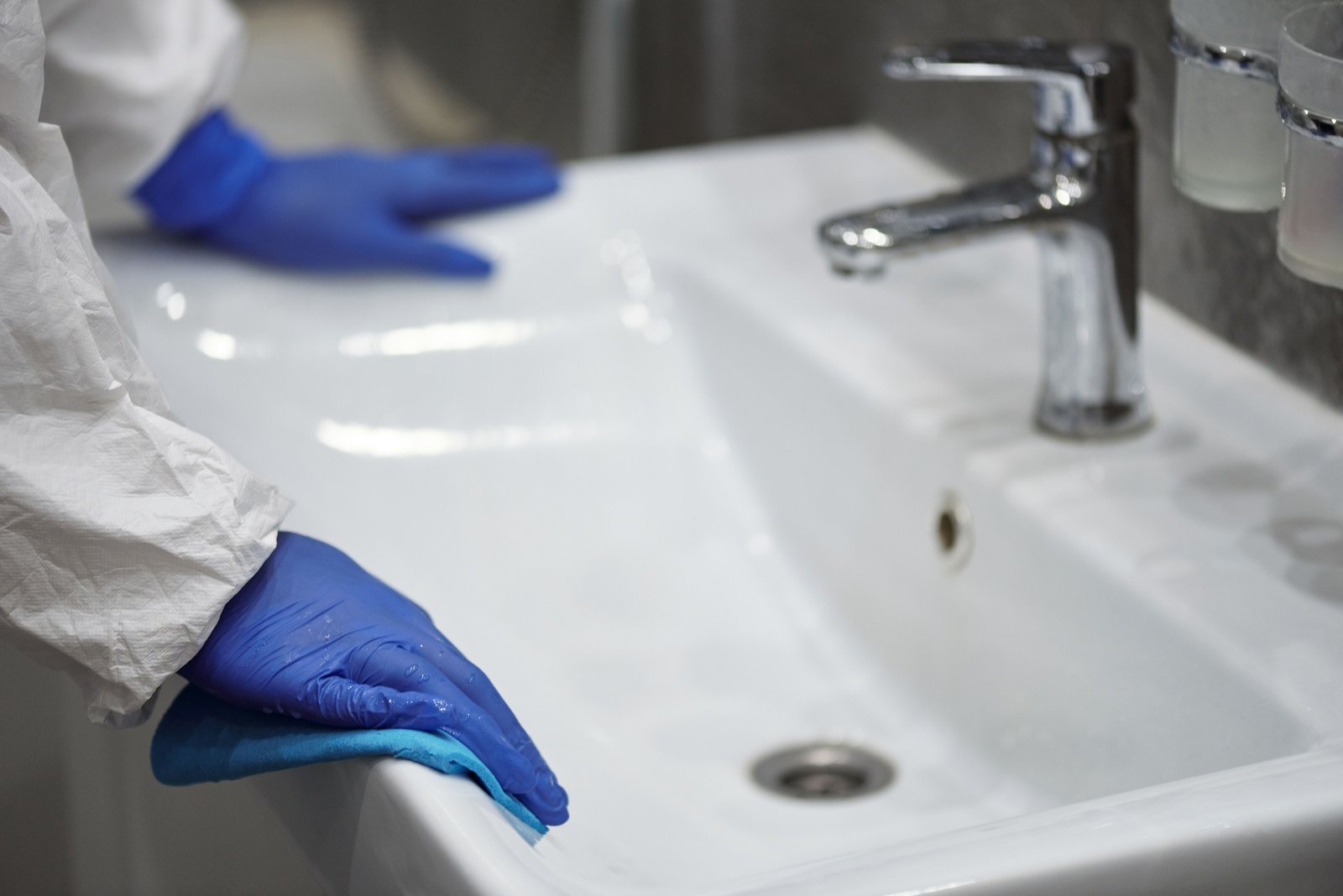
A full empty and wash is the weekly or every-other-week job for many households, though the right interval depends on the litter, the number of cats, and how the box smells and looks after daily scooping. There is no single honest day of the week that fits every home. If the remaining litter is broken down, dusty, or clearly soiled even after scooping, it is time to empty.
Empty the used litter into a bag, not into the sink. Take the empty box to the bathtub, the shower, or a utility sink if you have one. A rental bathroom is easy to flood if you rinse a box in a small basin and let dirty water run onto the floor. Work inside the tub or shower, use a modest amount of warm water, and keep a towel on the floor outside the tub for drips.
Wash with unscented dish soap or a mild unscented cleaner, then rinse until the box does not feel slippery. Do not mix harsh chemicals, and do not use essential oils in or on the box. Strong cleaners can bother a cat, and some products can mark a rental floor or a plastic box. You do not need a special cocktail to get the box clean. A sponge or cloth that you use only for the box is enough. Rinse the scoop at the same time.
An enclosure sold for apartment litter boxes can make washing more awkward, because you may have to slide the pan out of a cabinet. Clean the pan in the tub, wipe the cabinet floor, and do not soak a wooden or laminate enclosure. If the enclosure is why you put off washing, a simpler weekly habit with the pan only is better than a rare, miserable deep clean.
This wash is not the same job as washing cat beds, blankets, and toys at home. Keep the box, the scoop, and the bedding in separate wash loads and separate cloths.
Let the wet box dry, then control odor between changes

A wet box put back into a closet will hold moisture and odor. After you rinse, tip out as much water as you can, wipe the box with a dry towel, and let it air-dry before you refill it. In a small apartment, the honest drying spots are usually the bathtub, the shower, or a towel on a closed toilet lid, not the kitchen counter and not the living-room rug.
If you have only one bathroom, time the wash so the box can sit in the tub while you are nearby, then move it once the surface is dry to the touch. A balcony can work if the box will not blow away, leak dirty water, or sit in direct heat. Do not leave a wet plastic box on a wood or laminate floor.
Odor between full changes is mostly a scooping problem, not a perfume problem. Daily removal of clumps, a complete enough rinse on wash day, and a lidded waste bag do more than a scented spray. Do not add essential oils, scented beads, or “odor-eliminating” products to the litter in the hope of a miracle. If the box still smells strongly after a good scoop and a recent wash, look at the litter depth, the wash interval, and the room’s airflow, and check that waste is not sitting in an open bag.
Scented cleaners on the bathroom floor around the box can also bother a cat. Wipe up stray litter with a dry method first, then use a mild floor cleaner that is safe for your rental surface, and keep it off the inside of the box. Hair around the box is a different mess; managing cat shedding in an apartment is a separate routine and will not replace scooping.
How often to empty, and when the box is a health question

A practical rhythm for many single-cat homes is a scoop at least once a day, often twice if the box is in a bathroom you also use, and a full empty when the leftover litter is no longer clean enough to stay. Multi-cat homes usually need more frequent scooping and a shorter gap between washes. Watch the box, not a rigid calendar copied from a neighbor.
If you skip a day, do not “catch up” by stirring dirty litter and hoping it lasts another week. Scoop thoroughly, and bring the wash forward if the box is heavy or sour. If you overfill the box after a wash, the cat may track more litter and you will be sweeping the hall again.
Pay attention to how the cat uses the box, not only to how the box smells. A sudden change in visits, straining, crying, blood, or peeing outside the box is not a cleaning failure you can fix with a stronger soap. It is a reason to call your veterinarian. Avoiding a newly washed box can sometimes be a scent or stress issue, and signs your cat is stressed can help you notice other changes, but it does not replace a veterinary visit when the cat stops using the box or seems unwell.
Keep the routine boring and repeatable. The box does not need to be from a new brand, and the cleaner does not need to be dramatic. A scooped box, a closed waste bag, a rinsed pan that is fully dry, and a refill with the litter you already use will do more for a small apartment than a complicated plan you abandon on a busy week.
FAQ
How often should I scoop versus fully empty the box?
Scoop at least once a day in most homes, and more often if you have more than one cat or if the box sits in a bathroom you use constantly. Fully empty and wash when the leftover litter is broken down, dusty, or still smelly after a good scoop. There is no single interval that fits every litter and every household.
How can I scoop without spreading litter down the hall?
Keep the bag, scoop, and a mat or newspaper at the box, and close the bag before you leave the room. Do not walk down the hall with an open scoop. Close a bathroom door while you work if that stops a trail of granules, and clean the mat on a regular schedule.
What should I use to wash the box in a rental bathroom?
Empty the litter into a bag, wash the box in the tub or shower with unscented dish soap or a mild unscented cleaner, and rinse well. Do not mix harsh chemicals, and do not use essential oils in the box. Put a towel down for drips so dirty water does not sit on a rental floor.
Where can I let a wet litter box dry in a small apartment?
The bathtub, the shower, or a towel on a stable bathroom surface are the usual options. Wait until the box is dry to the touch before you refill it. Avoid the kitchen counter, a wood floor, or a living-room rug, and do not return a wet box to a closed closet.
When is a litter-box change a veterinary problem?
A sudden change in use, blood in the box, straining, crying, or a cat peeing outside the box is a veterinary question, not a sign that you only need a stronger cleaner. This is general information, not a diagnosis. Contact your veterinarian rather than waiting to see if a deeper wash fixes it.