


If you need to litter train a kitten in a small apartment, it helps to know what that phrase actually means at kitten age. Most kittens already have the instinct to use a box; your job is access, the right box, and a clean, easy-to-find place.
This is general information for US and UK cat parents in flats and small homes, not a veterinary diagnosis and not a promise that a kitten will be trained in 48 hours. Repeated accidents, straining, or a kitten that suddenly stops using the box can be medical, and a veterinarian should be the next call. Do not punish the kitten, rub the kitten’s nose in an accident, or spray the kitten with water. This article is about the first week of teaching a kitten to use the box in a small home. Cat litter box setup for apartments is the later station plan for placement, odor, and a calm adult setup. How to clean a litter box in a small apartment is the scoop-and-wash routine once the box is in regular use.
What “litter trained” means at kitten age
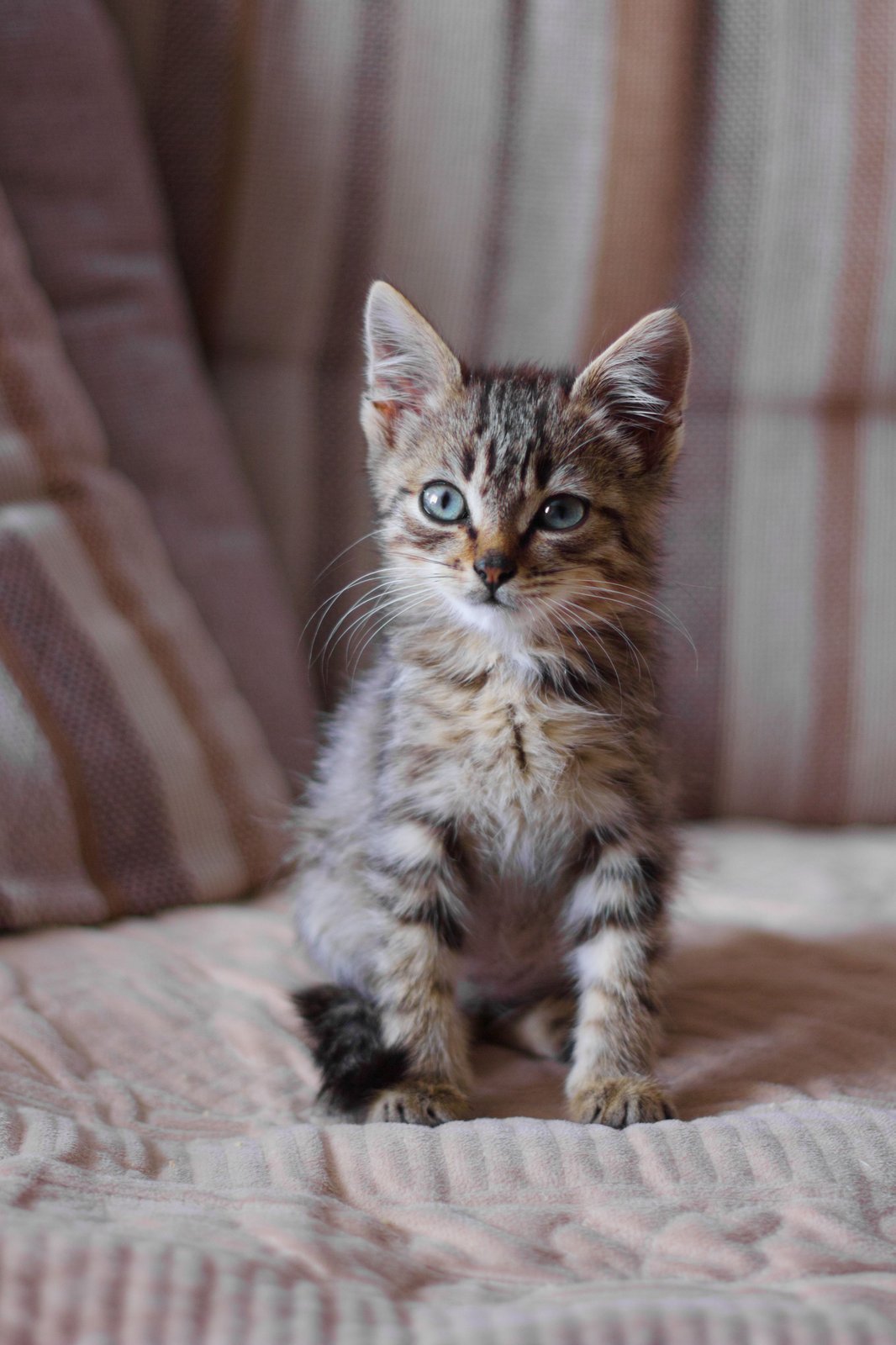
A kitten is not a puppy who has to be taught that toilets exist. Many kittens start using a box as soon as they can climb into one, especially if they watched a mother cat do it. “Litter trained” at this age usually means the kitten can find the box, get into it, and use it reliably enough that accidents are uncommon, not that the kitten has memorized a complicated cue.
What gets in the way, especially in a small apartment, is almost always practical. The box is too tall. The only box is behind a door that swings shut. The box is dirty, or it is at the far end of a home the kitten has not been given permission to roam. The kitten is still living in one room, and the box is in another. Those are access problems, not proof that the kitten is stubborn.
If the kitten is shy, or has just arrived, start in a quiet room the kitten already treats as a base. Helping a shy cat feel safe in an apartment covers that settling work. The box should live in that same room at first, not in a distant bathroom the kitten cannot yet reach. If you already have a resident cat, do not ask the kitten to share one box in a tight corner while they are still getting used to each other. How to introduce a new cat is a separate, slower plan, and the kitten needs a box of their own during that process.
Watch the kitten’s body, not only the floor. A kitten who hesitates at the box, cries, visits often without going, or hides after an accident may be uncomfortable, not “being difficult.” Signs your cat is stressed can help you notice those changes early.
A small apartment setup: low sides, a nearby box, a clear path
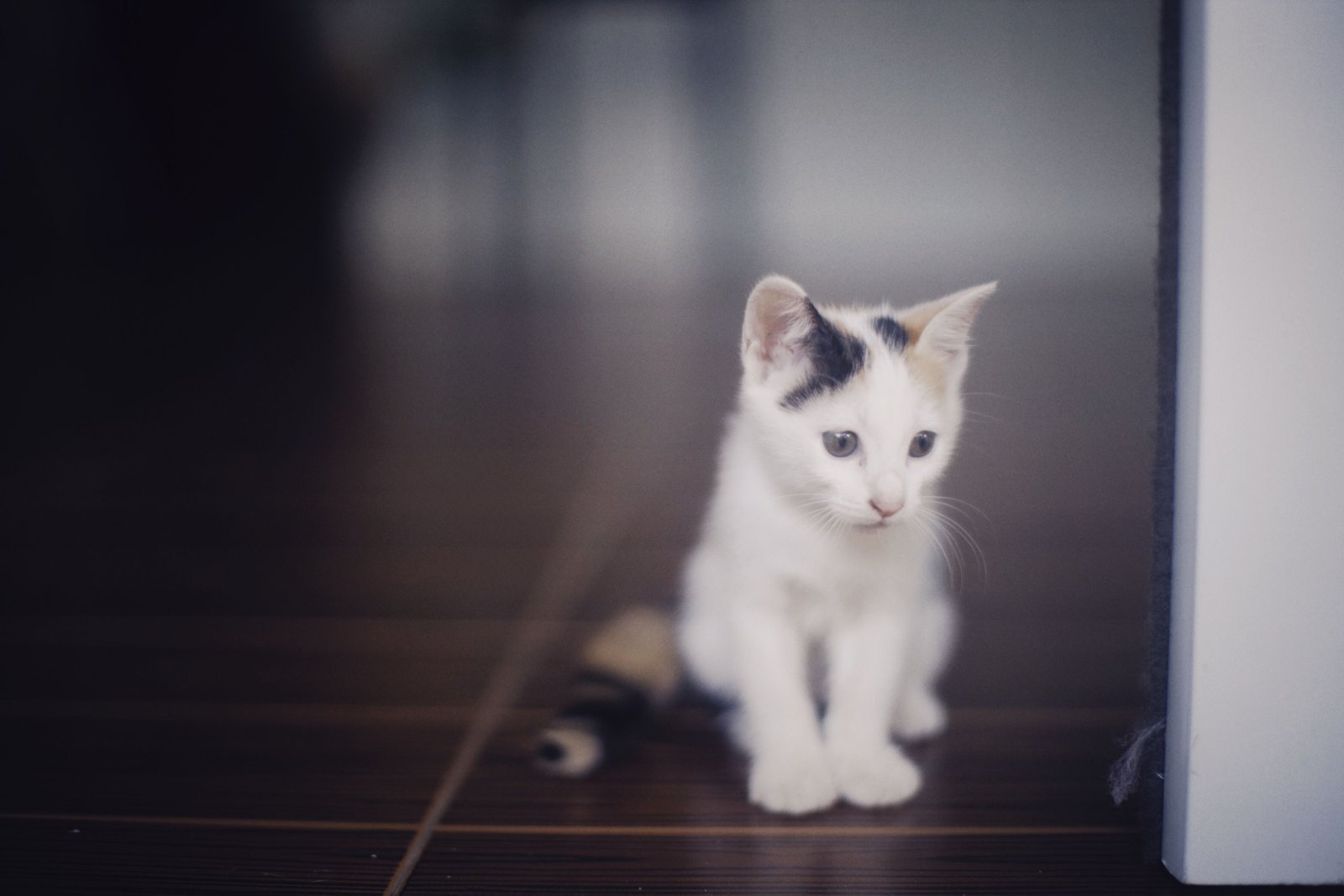
Keep the first setup simple. Use a low-sided box the kitten can step into without climbing a high wall. An uncovered box is usually easier than a hooded one in the first week, because the kitten can see the way in and is less likely to feel trapped. If you want help comparing box types for a tight home, best litter boxes for small apartments is a separate guide. This article is not a product roundup; it is about whether the kitten can actually get in.
You do not need to become an expert in litter this week. Use a simple, unscented litter and keep it consistent while the kitten is learning the place. Best cat litter for apartments can wait until you are choosing for odor and tracking in the longer term. For now, a familiar texture and a clean box matter more than a perfect formula.
Put one box near the current room, meaning the room where the kitten is actually spending time. In a studio, that may be a quiet corner of the same space, away from food and water, but still in sight. In a one-bedroom, that may be in the bedroom or the room you have set aside, not only in a bathroom at the other end of the hall. A path that looks short to you can still be blocked by a closed interior door, a baby gate, or a pile of shoes.
Do not hide the only box behind a tight bathroom door. A door that latches, swings shut, or leaves only a narrow gap will strand a small kitten on the wrong side. Enclosures, cabinets, and covered furniture can create the same problem if the opening is tight or the kitten cannot see the box. Best litter box enclosures for apartments is a later privacy choice, not a first-week hiding place for the only box.
A mat can catch scattered litter once the kitten is using the box, and best litter mats for apartments covers that gear. It does not replace a low entry or a clear path. If you need a second, temporary box because you are moving the kitten from one room to another, keep it equally easy to enter. Best travel litter boxes for cats is a different job, for trips, not a requirement for the first week at home.
A calm first-week rhythm
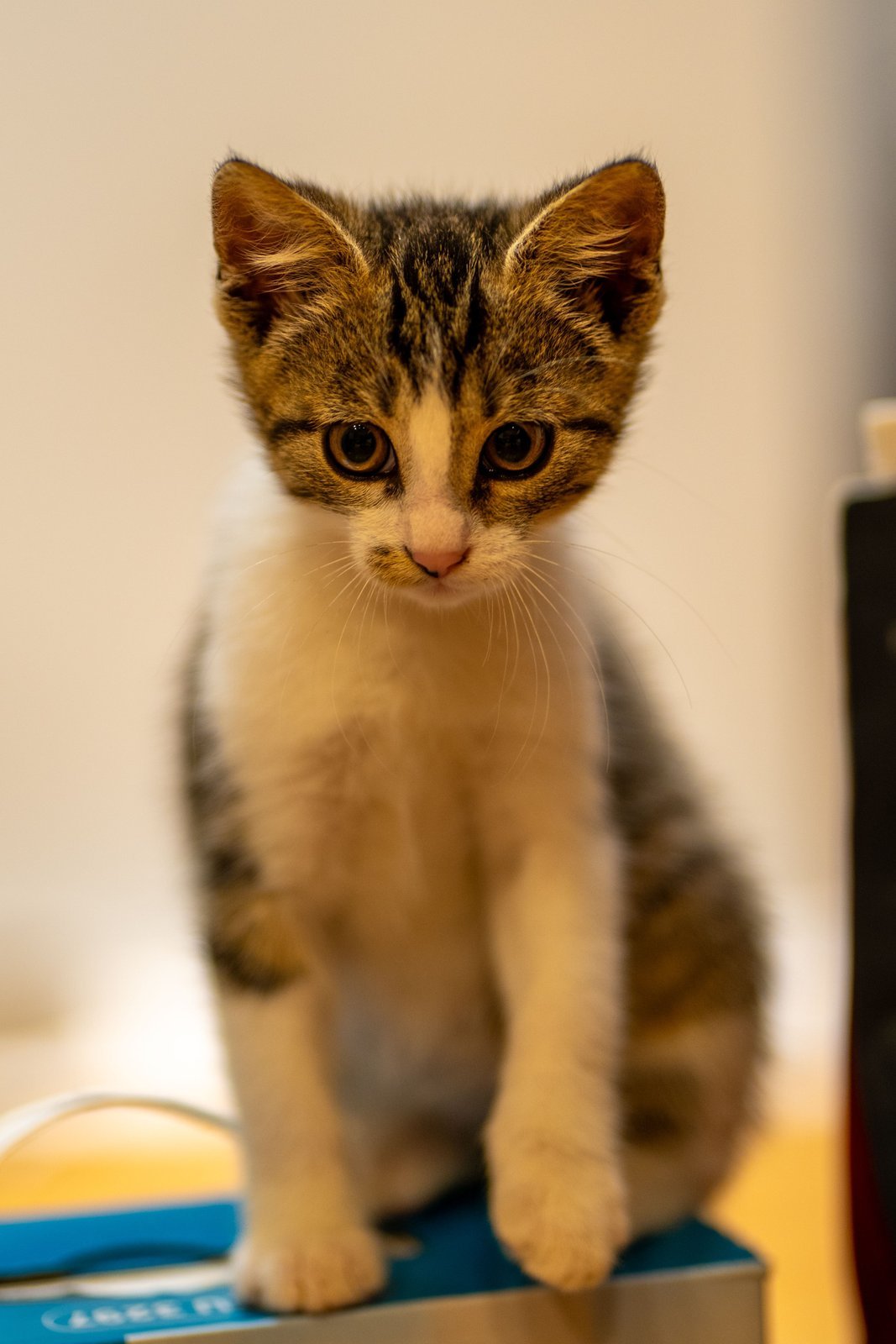
The first days work best as a short, repeatable rhythm, not a crash course. Show the kitten the box after arrival, after naps, and after meals, by placing the kitten nearby or gently setting the kitten in the box and then letting the kitten step out. Do not hold the kitten in the box. A brief, calm introduction is enough. Many kittens sniff, scratch, and use it on their own once they know where it is.
Meals help you predict when a trip is likely. A young kitten often needs to toilet after eating and after sleep. Choosing food for a kitten is a separate nutrition guide, but regular meal times, rather than an all-day buffet, make those windows easier to notice. A short play session can also help a kitten settle and then use the box. A daily play routine for an indoor cat is the broader play plan; in this first week, even a few minutes of gentle play before a meal can be useful.
Keep the box clean enough that the kitten wants to return to it. Scoop as soon as you notice soiled spots, and do a fuller change if the box smells strongly or is wet throughout. You do not need the deep-clean routine of an established adult box on day one, but a dirty box is one of the main reasons a kitten will toilet beside it.
Stay nearby, without hovering, so you can escort the kitten back to the box after a nap or a meal. If the apartment is larger than one room, expand access slowly, and add a second low box before you ask the kitten to cross a closed-door hallway every time.
Accidents are information, not stubbornness

An accident is not a verdict, and it is not a reason to scold. Clean the spot thoroughly so the smell does not invite a repeat. Use an enzymatic cleaner made for pet urine if you have one, and avoid ammonia-heavy products, which can smell too much like urine to a cat and may draw the kitten back to the same patch. Blot, clean, and let the area dry. Do not rub the kitten’s nose in the mess. That startles the kitten and does not explain where the box is.
Before you assume the kitten is refusing the box, look at access:
- Is the box too tall for the kitten to climb into comfortably?
- Is the box dirty, strongly scented, or rarely scooped?
- Is the box too far from the room where the kitten actually is?
- Did a door close and block the path?
- Is the only box hidden in a tight bathroom, cabinet, or enclosure?
Fix the first problem you can see. Move the box closer, switch to a lower entry, scoop more often, or add a second box if the kitten now has two rooms. If the kitten used the box and then soiled a nearby rug, the box may be too high, too dirty, or in a spot the kitten does not like, rather than a kitten who “does not get it.”
Do not spray the kitten with water, clap in the kitten’s face, or isolate the kitten in a room with no box as a punishment. Those responses add fear and make the next trip to the box harder, not easier.
When it may be medical, and a starting plan you can repeat
This is not a veterinary guide, and timing alone does not rule out a medical problem. Contact a veterinarian if the kitten strains, cries in the box, produces little or no urine, passes blood, has diarrhea, seems painful, or suddenly stops using a box they had already accepted. Repeated accidents after a stretch of success also deserve a medical check, especially in a very young kitten. It is kinder to rule that out than to rearrange the furniture around a kitten who is in discomfort.
There is no honest 48-hour guarantee. Some kittens use the box almost immediately once it is easy to reach. Others need a few days of a clear path, a lower entry, and a consistent clean box. Look for fewer accidents and a kitten who can find the box without being carried every time, not a date on the calendar.
A plan you can repeat beats a rushed first night:
- Put a low-sided, uncovered box in the room where the kitten is actually staying, with a clear path and no door that can shut the kitten out.
- Use a simple, unscented litter and keep it consistent for the first week.
- Show the kitten the box after arrival, after naps, and after meals, then let the kitten use it or leave.
- Scoop promptly, and treat accidents as information: clean without ammonia-heavy products, and check height, distance, dirt, and doors before you assume stubbornness.
- Expand the kitten’s territory slowly, and add a second easy box before you expect the kitten to cross the whole apartment.
- Call a veterinarian if you see straining, sudden avoidance of the box, or repeated accidents after a good start.
A small apartment can work very well for a kitten when the box is easy to find and easy to enter. The first week is less about teaching a brand-new idea and more about making the obvious choice possible.
FAQ
How long does it take to litter train a kitten in a small apartment?
There is no honest 48-hour promise. Many kittens start using a box quickly once they can find it and climb in, while others need several days of a clear path and a consistently clean box. Look for fewer accidents each day, not a deadline.
Where should I put the box in a small apartment?
Put it in the room where the kitten is actually spending time, with a clear path and no closed door in the way. Do not hide the only box behind a tight bathroom door. In a studio, choose a quiet corner away from food and water, but still easy to reach. Add a second box before you expect the kitten to cross the whole home.
What if my kitten keeps having accidents beside the box?
Check access first. The box may be too tall, too dirty, too strongly scented, or in a spot the kitten cannot reach when a door closes. Clean accidents without ammonia-heavy products, and do not rub the kitten’s nose in the mess. If accidents continue, or you see straining, contact a veterinarian.
Should I punish the kitten or spray the kitten with water?
No. Punishment, including spraying the kitten with water, adds fear and does not teach the kitten where the box is. Clean the accident, fix the access problem, and calmly show the kitten the box again after naps and meals.
When should I worry that accidents are medical rather than a training issue?
Contact a veterinarian if the kitten strains, cries, produces little urine, passes blood, has diarrhea, seems painful, or suddenly stops using a box that was already working. Repeated accidents after a stretch of success also deserve a medical check. It is kinder to rule out discomfort than to keep changing the setup around a kitten who may be unwell.