


If you want a daily play routine indoor cat parents can repeat, the hard part is not buying another toy. It is finding ten or fifteen minutes you can keep on a worknight, in a living room that is also the hallway and sometimes the only place to sit. Many flats need a smaller, clearer session that still lets an indoor cat hunt, catch, and then rest.
A useful mindset is this: you are building a short play rhythm, not filling the whole day with gear. A wand, a deliberate wind-down, and a meal or a calm place afterward will do more than a toy basket the cat has already ignored. Hands and feet are not toys. Ending while the cat is still engaged is kinder than playing until they become overstimulated.
This is general information for cat parents in the US and UK, not a veterinary diagnosis, not a treatment for aggression, anxiety, or medical issues, and not a promise that a new routine will fix behavior overnight. Cats vary by age and health. If play leads to biting that worries you, if your cat hides or stops eating, or if night waking is sudden, contact a veterinarian.
A play routine is a rhythm, not a longer shopping list
Interactive toys, a richer indoor day, and good places to climb or hide all matter, but they are not the same job as the play session itself. If you are choosing a wand or something the cat can bat on their own, start with best interactive cat toys. For the rest of the day — scent, foraging, and simple variety — see indoor cat enrichment ideas. For tunnels, hideaways, and trees, see best cat tunnels and hideaways for apartments and best cat trees for small apartments. This article stays with the session: when you play, how you end, and how you know it was enough.
Think of three jobs, not one:
- A short hunt. You move a wand or similar chase item so the cat can stalk, pounce, and catch.
- A wind-down. The movement slows, the cat gets a clear catch, and the toy is put away before the session turns chaotic.
- A predictable time of day. Play sits near meals or the evening energy burst, so the routine is easier to repeat than a random five minutes when you remember.
The goal is a rhythm you can keep in a small home, not a miracle and not an overnight fix.
Short wand or chase sessions
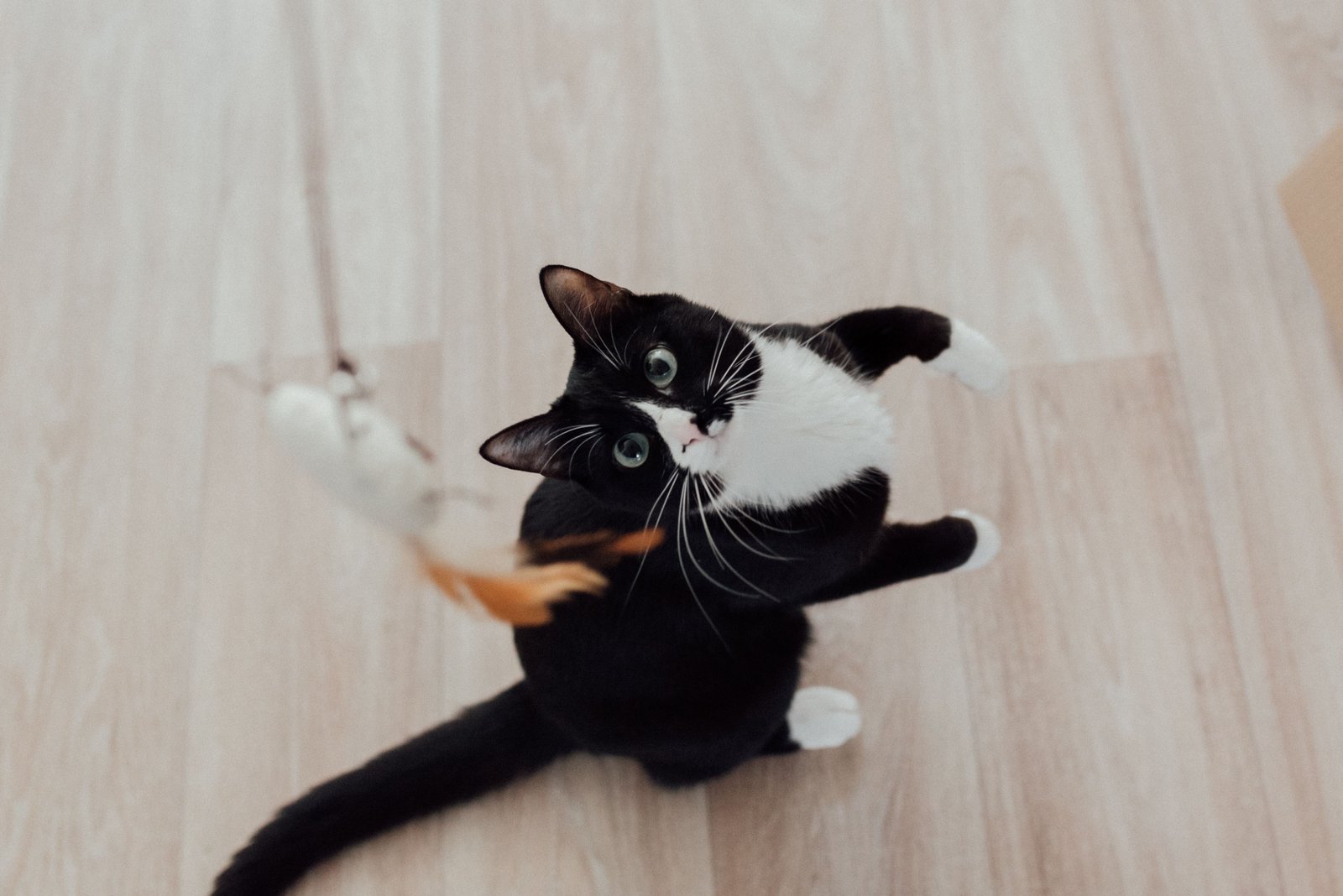
Most indoor cats do well with more than one short session rather than a single long workout. Five to fifteen minutes is a practical starting range. Kittens may want more frequent bursts; older cats may need slower movement. Watch the cat in front of you, not a stopwatch.
Use a wand, a feather toy on a string, or another item that keeps your hands out of the game. Drag the toy along the floor, hide it behind a chair leg, pause so the cat can stalk, then let it dart and be caught. Let the cat win often; a toy that never lands, or only flies at head height, can feel like teasing. In a tight living room, stay low: around the sofa, under the coffee table, along a clear stretch of floor.
Keep the wand in your hand, not in the cat’s teeth as a tug-of-war you cannot safely end. If the cat catches it, let them hold and “kill” it for a few seconds, then start another short burst or begin the wind-down.
Do not use your hands or feet as toys, even in a playful mood. A game that starts on your fingers can become a habit when you walk to the kitchen in socks. If the cat already targets hands, freeze, end the session, and bring the wand out later.
End before overstimulation. Signs can include a lashing tail, rippling skin, flattened ears, a sudden freeze, or play that turns into hard biting. Stop a little earlier than that, and put the toy away out of reach.
Give the session a clear wind-down

The end of play matters as much as the chase. Many indoor cats move from hunting to eating, grooming, and sleep if you help them land, rather than dropping the wand while they are still amped up.
Slow the toy in the last minute or two and make the catches easier. Then offer a small meal or a few pieces of their regular food, if that fits their diet, and leave them with a quiet place to sit. The meal is not a bribe; it simply closes the hunt in a way many cats already understand. If you are still settling portions, how much you should feed your cat is a useful companion so play-time food does not quietly double the bowl.
Put the wand away. A toy left trailing across a small living room can restart the game, or tempt a second cat into a scuffle. A tree, a tunnel, or a hideaway can be the place they go afterward, but those are the backdrop, not the session itself.
If your cat still seems fizzy, they may need a slightly longer wind-down, not a second frantic chase. Sit quietly, keep your hands still, and let them groom or look out of a window. A perch by the glass can help some cats come down; best window perches for indoor cats covers that gear if you want it. If they stay wide-eyed or keep launching at your feet, the session ran too long, or play is not the only issue.
Time play around meals and evening energy
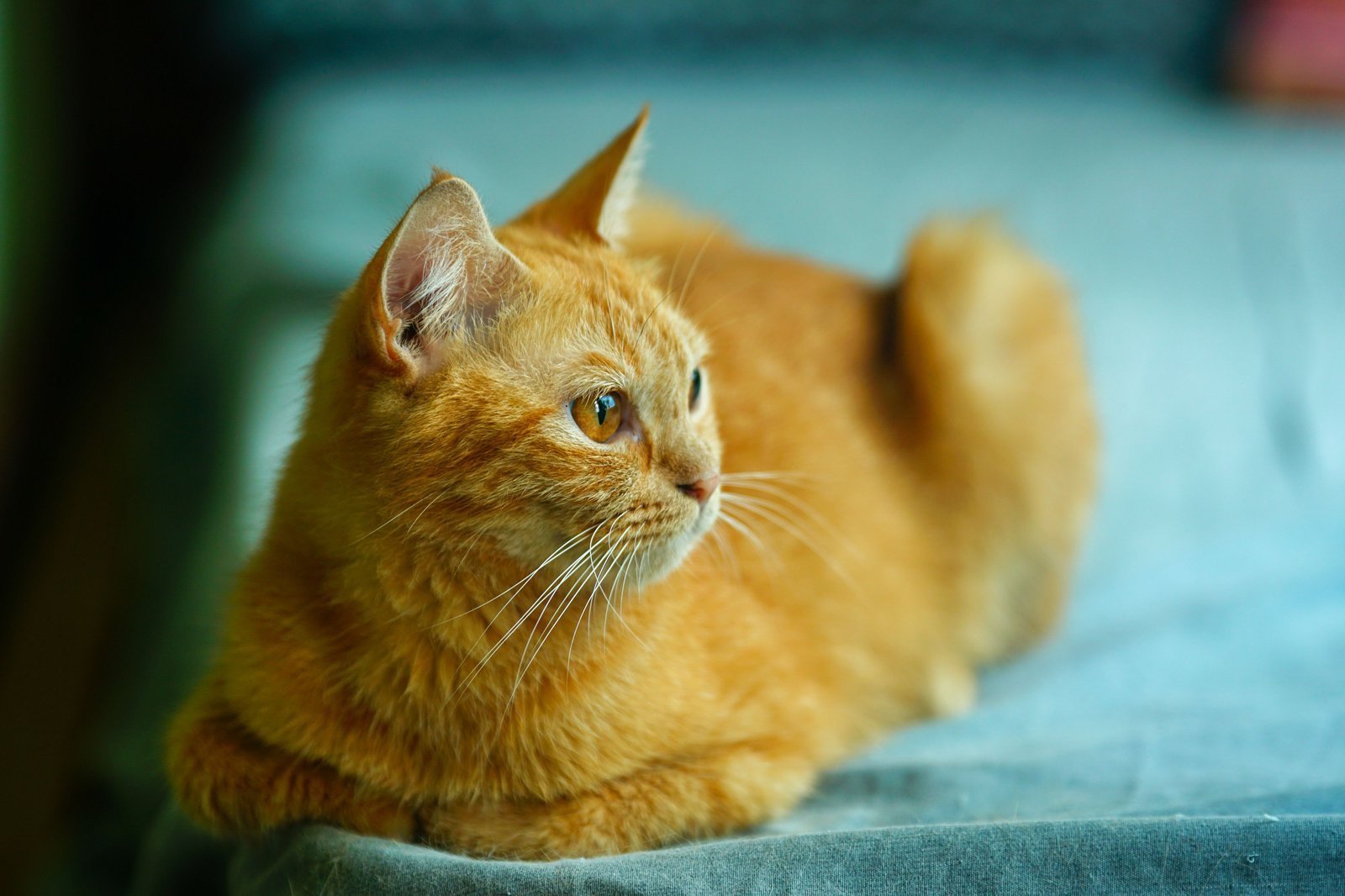
A routine is easier to keep when it sits on rails you already have: breakfast, your return from work, and the last hour before bed. Many indoor cats hunt more at dawn and dusk. If yours runs or pounces on toes in the evening, that is often the best time for a planned session, not a reason to hope they will tire themselves out on the curtains.
A practical shape for many flats looks like this:
Morning. A short session after you are up, then breakfast, then time for the cat to rest while you get ready. This does not have to be long.
Late afternoon or when you come home. Another short hunt once you have put your bag down. If you sit on the sofa first, some cats will already have started their own game.
Evening. A slightly fuller session in the last hour or two before you want the home quiet, then a wind-down and a meal or a small snack. This is not a guarantee a cat will sleep through the night. Night waking has its own causes; see how to stop a cat from waking you up at night if that is the main problem.
You do not need three perfect sessions every day. Two that you actually do will teach more than a timetable you abandon on Thursday. If you work long hours, morning and evening sessions are a solid base. Avoid playing only when the cat is already over-aroused and biting at your ankles; start a few minutes earlier, while you can still set the tone.
What “enough play” looks like in a small home

Enough is not a number of minutes that works for every indoor cat. It is a change you can see. After a good session, many cats relax, groom, eat, or find a warm place and stay there, and they are less likely to ambush your feet in the next half hour.
In a small home, enough also means the session fit the space. If the cat is slipping on a polished floor or crashing into a lamp, shorten the chase or keep the toy lower and slower. You are trying to complete a hunt, not exhaust the cat into collapse.
Too little play can look like evening zoomies that never settle, a cat who attacks hands, or one who treats the curtains as prey. Those signs can also come from stress or pain, so do not assume play is always the missing piece. Signs your cat is stressed can help you notice when the issue is bigger than a short wand session.
Too much, or play that ends too late, can look like hard biting or a cat who cannot land. End earlier the next time, and keep the wind-down. Kittens and very playful adults often need more frequent short hunts; a senior cat may need the same routine in a gentler form.
When play is not the right tool
A daily play routine is not a treatment for aggression, anxiety, or medical problems. It will not reliably “fix” a cat who is guarding food, attacking another pet, hiding for long stretches, or suddenly avoiding the wand they used to love. Those need a slower look at health and the home, and, when needed, a veterinarian or qualified professional.
Skip or shorten play if your cat is injured, recovering, or clearly unwell, and ask a veterinarian what activity is appropriate. Do not use a wand to push a frightened cat out of hiding. If two cats scuffle, keep sessions separate at first so the routine does not become a fight in a narrow hallway.
If your cat never shows interest in a wand, try slower floor movement, or play at dawn or dusk, and do not leave the toy out all day. Some cats prefer an object they can bat on their own after a short shared start. A sudden loss of interest with other changes is a reason to mention it at a vet visit, not a reason to force a longer session.
A simple daily pattern you can repeat
Use this as a first draft, then adjust to your cat and your flat:
- Offer two short wand or chase sessions most days, and a third on days you are home if the cat still wants one.
- Keep the toy in your hand, let the cat catch it often, and never use hands or feet as the prey.
- End before the tail lashes hard or the play gets sloppy, then put the wand away.
- Close many sessions with a meal or a little regular food and a quiet place to rest.
- Place the fullest session in the evening if that is when your cat already has the most energy.
- Watch for rest, grooming, or a settled body as signs of enough, not a fixed minute count.
- If the cat seems stressed, sore, unwell, or more aggressive, stop treating play as the fix and get qualified help.
A daily play routine for an indoor cat rewards consistency more than intensity. The aim is a short hunt your living room can hold, a wind-down the cat can use, and a rhythm you can keep on an ordinary weekday. If the cat’s energy, appetite, or mood looks sudden or painful, ask a veterinarian to help you sort a play gap from a health problem. No routine should be asked to fix behavior overnight.
FAQ
How many play sessions does an indoor cat need each day?
There is no honest single number. Many indoor cats do well with two short sessions, and some kittens or very playful adults want a third. Five to fifteen minutes is a practical starting length, then adjust. Watch whether your cat can rest afterward. If they still hunt your feet an hour later, they may need a better wind-down or a slightly earlier evening session, not necessarily a much longer one.
Can I use my hands or feet as toys?
No. Even gentle hand play can teach a cat that skin is a legal target, which becomes a problem in a small home where you cannot step away. Use a wand or another toy that keeps your body out of the game. If the cat already grabs hands, freeze, end the session, and restart later with a toy. Do not kick or shake a foot to “wear them out.”
Should I play with my cat right before bed?
A session in the last hour or two before you want the home quiet, followed by a wind-down and a meal, helps many households. Playing until the moment you turn out the light, with no landing time, can leave the cat still buzzing. This is not a promise that night waking will stop. If waking you is the main issue, treat that as its own problem and consider a vet visit if it is new.
What if my cat ignores the wand toy?
Try slower floor movement, more pauses, and play at dawn or dusk, when many cats already want to hunt. Let them catch the toy often, and put it away between sessions so it stays interesting. A different texture or a short start followed by a toy they can bat alone may help. If your cat used to play and has stopped, or never plays and also seems withdrawn or unwell, speak with a veterinarian.
Can a daily play routine fix aggression, anxiety, or other behavior overnight?
No. A repeatable play rhythm can give a healthy indoor cat a legal outlet and a clearer evening, but it is not a treatment for aggression, anxiety, or medical issues, and it will not fix behavior overnight. If play leads to hurting bites, if your cat hides, stops eating, or fights with another pet, or if the change was sudden, contact a veterinarian or a qualified professional rather than adding longer sessions.
[…] to do while you are out, and a proper wind-down when you come home. It is not a substitute for how to build a daily play routine for an indoor cat. That article is about the play session itself — how to start, how to end, and how to make the […]