


If you are shopping for the best window perches for cats, it helps to say what you are actually buying: a secure, comfortable place to sit and look out, not a piece of furniture that wins a contest. Indoor cats often treat a window as the most interesting wall in the home. A well-chosen perch makes that view usable; a poorly chosen one comes off the glass, blocks a lock, or sits in a window you never meant to be a launch pad.
This is a types-and-checklist guide for apartments and small homes, not a ranked “top ten tested” list and not a cat-tree article. You will not find invented scores or a brand crown. The useful work is matching the mount to your window, lease, and cat.
A perch is enrichment, not a complete indoor life, and it does not replace play, scratching, or a stable climbing structure. For the wider daily picture, indoor cat enrichment ideas is the companion read. If you also need climbing in a tight plan, best cat trees for small apartments covers that job separately.
What a window perch needs to do
A good perch does three things at once. It holds your cat’s weight without shifting or peeling off. It gives a flat or gently hammocked place to sit, curl, or sprawl. And it looks onto something worth watching—street life, a tree, or a courtyard—without turning the window into a hazard.
It does not need to look like a sofa. It does need to be a place your cat can get on and off without a scramble, in a window you can still open, lock, or cover as your home requires. If your cat already loves a wide sill, you may only need a cushion or a fitted bed. If the sill is narrow, or missing, a hanging or shelf-style perch is what creates the seat.
Safety first: windows, screens, and sun
Mounting comes after a safety check, not before.
Screens are not cat barriers. A standard insect screen can give way if a cat leans, pounces, or tries to follow a bird. If you like a fresh-air gap, use an opening you can limit, a stronger screen or guard designed for that job, or keep the window closed when the cat is unsupervised. Never assume a screen means the perch is safe with the window open.
Falls from height are the serious risk in a high-rise. If a window fully opens, or a sash can be pushed wide, the perch should not become a step toward that opening. Window restrictors, locks, and a perch at a window that does not open—or that opens only a small, secure amount—are the practical answers. This is the same common sense you would use with a balcony.
Sun is part of the appeal and part of the plan. Many cats love a warm patch. On a south- or west-facing window in summer, that patch can also become uncomfortably hot, and a dark perch cover can hold heat. Give the cat a shaded way to leave, and do not place a perch tight against glass that becomes too hot to touch. A light curtain or blind lets you soften the glare without cancelling the view.
Check the glass and the frame before you buy. Old, loose, or single-pane windows, freshly applied film, and some textured or dirty surfaces are a poor match for suction cups. A perch should never block a fire escape, a required opening, or your ability to lock the window.
Types of window perches, without a ranking

The type matters more than a brand name. Start with how your window is built, then with how your cat sits.
Suction-cup hammocks and hanging beds
These attach to the glass with several large cups and hold a fabric shelf or hammock. They are popular in rentals because they often leave no holes in the wall or the frame. They work best on clean, smooth, interior glass in good condition. They are a poor match for textured glass, frequent condensation, or a cat who likes to launch and land hard.
Look for several wide cups rather than two small ones, a stated weight limit with a margin for your cat, and a design you can take down and reclean. Press-and-forget installation is how these fail. Check the cups regularly.
Sill beds and fitted cushions
If you already have a deep sill, a non-slip cushion or a made-to-measure pad can be the simplest “perch.” There is less to install and less to fall. The limit is the sill itself: a narrow ledge will not suddenly become a sofa because you added foam. A lip or a low bolster can help some cats feel secure; it should not trap them or block the window’s close.
Shelf-style and bracket perches
A solid shelf that sits in the sill, clamps to the frame, or mounts with brackets can feel more like furniture than a hammock. Some rest on the sill and brace against the wall or frame without drilling. Others need screws. These often suit heavier cats or cats who prefer a firm floor under their paws. In a rental, confirm whether a clamp or a no-drill brace is allowed and whether it will mark paint or wood.
Furniture and adjacent high places
A sturdy bookcase, a slim tree placed in front of the window, or a wall shelf beside the glass can create a view without touching the window at all. This is sometimes the most renter-friendly option, and the safest one if your windows open wide or your glass will not hold suction. It is still a window-watching place, not a substitute for a tree that fits a small apartment if your cat also wants height away from the glass.
There is no best type in the abstract. A suction hammock in a sealed picture window can be excellent; the same hammock on a sash you open every morning can be a daily project. Match the hardware to the window.
Renter-friendly mounting that actually stays put
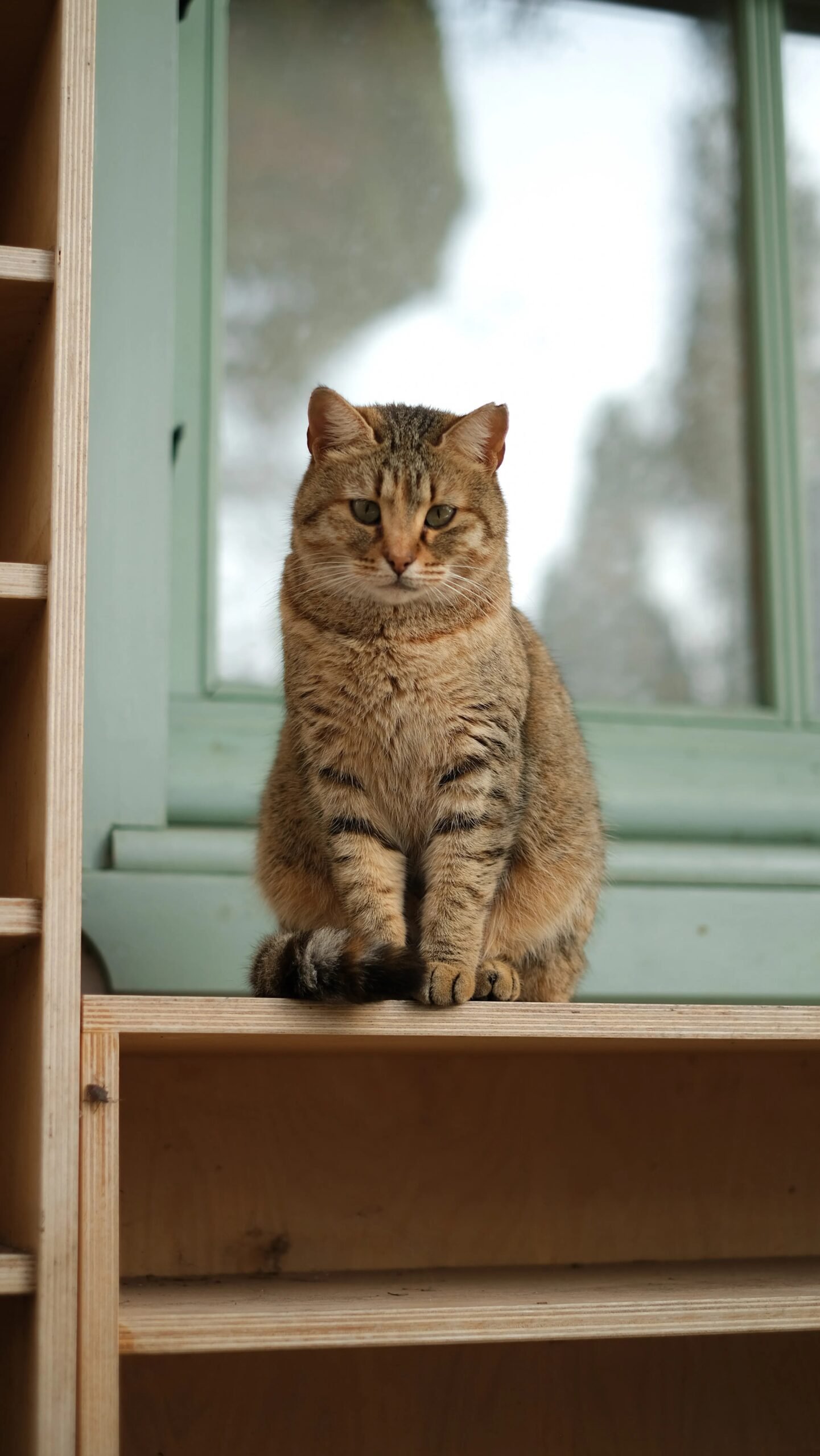
“No drill” is only a virtue if the perch still holds. Before you buy, measure the glass, the sill depth, and the space taken by handles, locks, and blinds. Then ask a more useful question than “will this leave a mark”: what will this attach to, and can I inspect it?
For suction cups, clean the glass with a residue-free method, dry it fully, and warm the cups slightly before they go on. Recheck them after the first day, then weekly. If a cup clouds, peels, or slides, take the perch down and reset it.
For clamps and sill braces, pad contact points if the maker allows it, and test the shelf with your own hand weight before your cat’s. Make sure the window can still lock. For designs that use adhesive pads, know that some adhesives are harder on paint than a small, approved hook.
If your lease or building rules limit attachments, a stable piece of furniture in front of a closed window may be the path of least conflict. Do not mount into a frame or wall unless you have permission and the right fixings for the material—plasterboard, tile, and metal frames are not interchangeable.
A perch that sags, tilts, or rocks is not “good enough until payday.” Reset it or replace the type.
Fit, comfort, and a view your cat will use
Size the seat to the cat you have, not the one in the product photo. Your cat should be able to sit and curl without hanging off the edge, and larger cats often prefer a firm shelf to a deep sling. A washable cover helps in a small home; window seats collect dust and fur quickly.
Entry matters. A perch six feet up with no intermediate step is a poor match for a kitten, a senior, or a cat with stiff joints. A nearby stool, a low tree, or a shelf can turn a difficult jump into an easy one. If getting down looks hesitant, the perch is too ambitious for now.
The view has to be real. A window onto a blank wall, or a perch tucked behind heavy drapes, will lose the contest with the kitchen table. Street-facing windows, trees, and bird feeders placed safely outside and away from the glass can hold interest. Some cats startle at sudden noise or at other animals; if the window is a source of tension rather than pleasure, signs your cat is stressed can help you read the difference.
Introduce the perch without a ceremony. Sit a familiar blanket on it, spend time in the room, and reward four paws up if your cat is food-motivated. Do not lift a reluctant cat onto a suction hammock to “show them.” If they ignore it for a week, check stability, height, and whether the window is actually interesting.
Where to place one in a small apartment
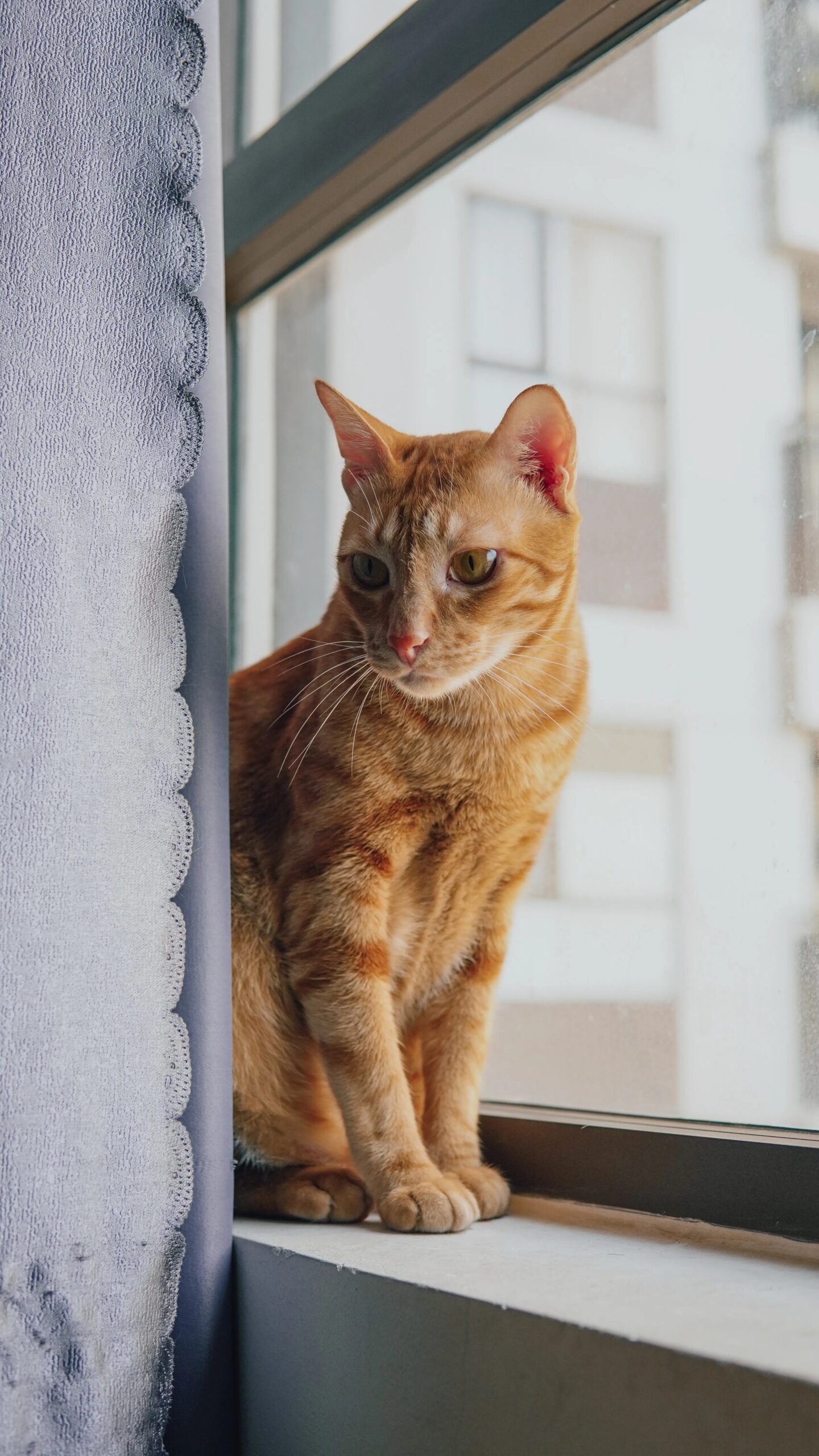
One well-placed perch usually beats three cramped ones. Choose the window your cat already visits, not the one that looks best on a floor plan. Leave a path so people can still open blinds, and keep the perch out of a door swing.
In a studio, the main window often has to share a job with plants, a desk, or a clothes airer. Measure the overlap. A perch that forces you to close the only window or block a radiator will soon come down, which helps no one.
If you have two cats, one narrow perch can become a resource to guard. A second viewing spot—another sill, a tree by a different window, or a shelf—reduces conflict more reliably than asking them to take turns. A window is watching, not a full hunting outlet. Best interactive cat toys can fill that gap without turning this into a toy guide.
A practical shopping checklist

Use this instead of a ranking:
- Confirm the window is safe: screen strength, how far it opens, locks, and whether a fall would be serious.
- Measure glass, sill depth, handles, and blinds before you choose a type.
- Pick a mount that matches the window and the lease: suction on clean smooth glass, a sill bed on a deep ledge, a clamp or shelf if you need a firm base, or furniture in front of the glass if you cannot attach anything.
- Check the stated weight limit and add a margin for your cat and for movement.
- Look for a washable cover, a stable surface, and a way on and off that suits your cat’s age and joints.
- Place it at a window your cat already likes, with sun they can leave, and inspect the mount regularly.
- Treat the perch as one part of indoor life, not the whole enrichment plan.
The best window perch for an indoor cat is the one that stays put, feels easy to use, and makes a real view available in a home where floor space is already spoken for. Take the measurements, choose a type that fits your window, and give your cat a reason to sit there. If the window itself is not safe to sit beside, fix that first or choose a different high place. If mobility or confidence makes jumping a worry, ask a veterinarian or a qualified behavior professional for a setup that fits.
FAQ
Are suction-cup window perches safe?
They can be, on clean, smooth, sound interior glass, with enough cups, a weight rating that exceeds your cat, and regular checks. They are not safe as a set-and-forget device, and they are a poor match for textured glass, heavy condensation, or a window that opens widely beneath the perch. If a cup starts to peel, take the perch down and reset it. When in doubt, choose a sill bed or a shelf that does not rely on suction.
Can I use a window perch if I rent?
Often yes, if you choose a no-drill option and you do not block locks, vents, or required openings. Suction cups, sill cushions, and some clamp designs are the usual renter-friendly path. Confirm your lease and any building rules before you use adhesive pads or screws, and protect paint or wood at clamp points. A stable piece of furniture in front of a closed window is also a valid perch.
Will a window perch replace a cat tree?
No. A perch offers a view and a high rest spot at one window. A tree offers climbing, scratching, and often more than one height in a different part of the room. Many indoor cats benefit from both, especially in a small home where the window is the main “outside.” If you only have budget or space for one new item, choose based on what your cat already seeks: the glass, or height and scratch elsewhere.
Is a sunny window dangerous for my cat?
A warm patch is a pleasure for many cats, not an automatic hazard. It becomes a problem when the glass or the perch cover gets too hot to touch, when the cat has no shaded exit, or when the window can open far enough for a fall. Soften harsh afternoon sun with a curtain or blind, and watch the surface on the hottest days. If your cat has a thin coat, is very young or old, or seems uncomfortable in heat, give them a cooler station as well.
My cat will not use the perch. What should I try?
Check the obvious: is it stable, easy to reach, and at a window they already like? Add a familiar blanket, spend time in the room, and reward any interest. Lower the jump with a step if they hesitate. If the window is noisy or faces something that startles them, try a quieter view. A week of being ignored is information, not a verdict; a perch that rocks, or one that looks onto a brick wall, is often the real issue.
[…] the front-door dash that happens in a hallway. For choosing a perch that actually stays put, use best window perches for cats. For the front door, lifts, and grocery arrivals, use how to stop a cat from door dashing. For the […]