


In a small apartment, a cat still wants the same things a cat wants in a house: a high place to watch from, a legal surface to scratch, and a spot that feels like theirs. The difference is that your floor plan may not have a spare corner the size of a recliner.
That is why the best cat trees for small apartments should not mean a trophy tower with the most platforms. It should mean the most useful combination of height, scratch texture, stability, and a footprint you can actually live with. This is a buying and setup guide, not a ranked list of brands, and it is not a medical or behavior diagnosis. If your cat suddenly stops jumping, hides more than usual, or seems painful, speak with your veterinarian before you assume the only problem is furniture.
What a cat tree needs to do

A good cat tree is furniture with a job. At minimum, it should give your cat a satisfying scratch surface, at least one stable perch where the cat can sit fully, enough height to feel slightly above the room, and a way up and down that matches your cat’s age and confidence.
Watch your cat for a day before you shop. A cat who already lives on the back of the sofa or the top of a bookshelf wants height and a view. A cat who shreds one particular armchair needs a scratch post in that same traffic pattern, not hidden in a neglected corner. Some cats also want a cave or hammock; others ignore enclosed spaces and prefer an open lookout.
Scratching is not misbehavior. It marks territory, stretches the body, and keeps claws in working order. If the tree’s sisal or cardboard feels right and sits where the cat already wants to scratch, it will get used. If it is wobbly, covered in a texture your cat dislikes, or parked beside the litter box, it will become expensive unused furniture.
Measure the apartment before you measure the product
Start with a tape measure, not a wishlist.
Footprint. Note the floor square you can spare—beside a sofa, in a window bay, or in a sliver next to a bookcase—and write down width and depth. A tall tree with a 16-by-16-inch base behaves very differently from one that needs a 24-by-24-inch square.
Ceiling height. Leave enough clearance that the top perch does not crush against the ceiling and the cat can still sit up. Measure around fans, pendant lights, and sloped ceilings too.
Cat size and number. A large long-haired cat and a six-pound adult do not need the same platform. If you have two cats, one narrow column with a single top seat can become a toll booth. Multi-cat homes usually do better with more than one route, such as a slim tree plus a window perch, so one cat cannot block the only lookout.
Your building’s rules. Check whether you can use wall anchors. Many renters can, if they refill holes later; some cannot. That decision steers you toward a self-supporting tree with a wide, heavy base or toward a wall-mounted system.
Types that work when space is tight
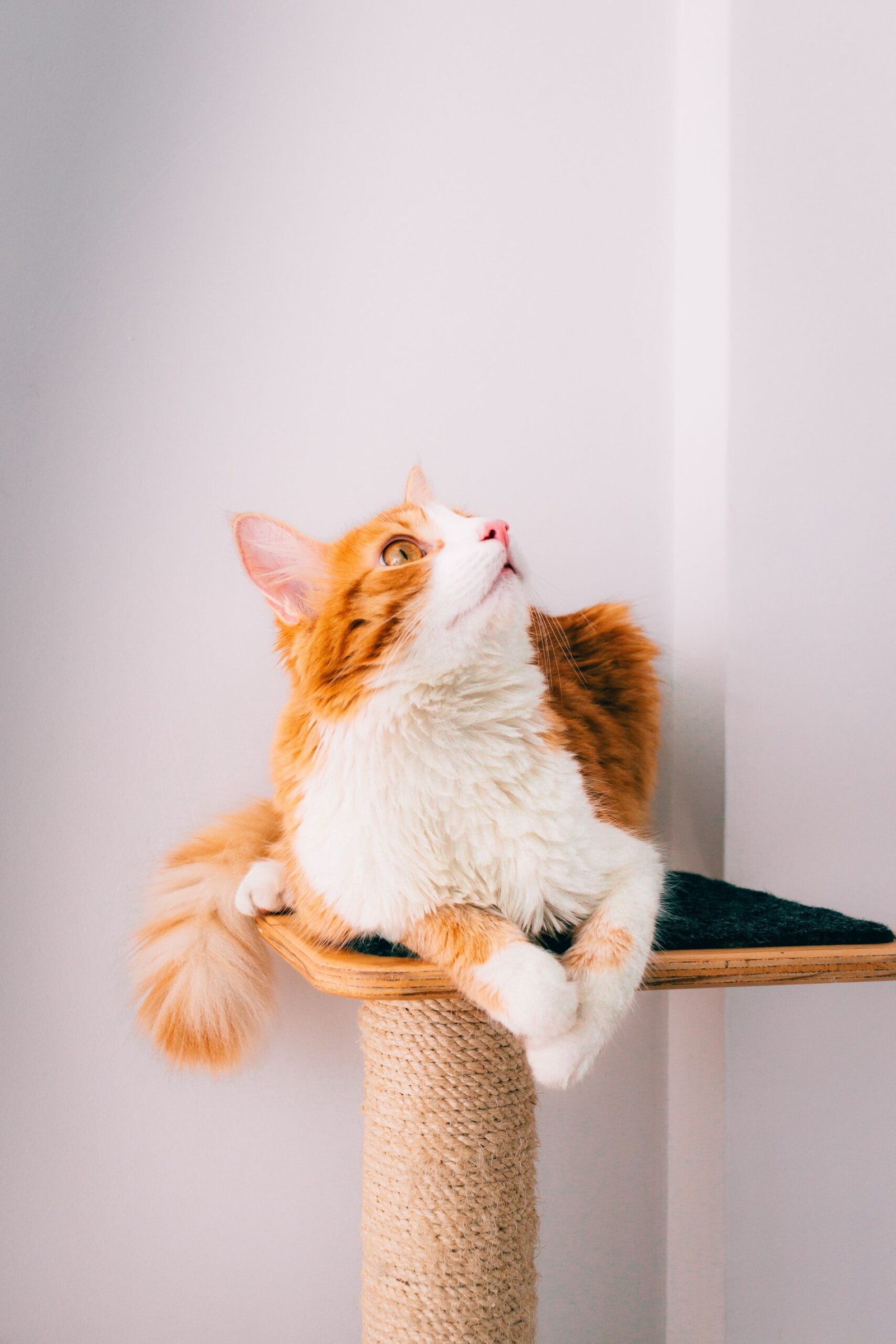
You do not have to buy the category’s largest object.
Tall-and-narrow floor trees
These are the classic apartment compromise: a small base, several levels, and height that uses air instead of floor. The tradeoff is stability. The narrower the base and the taller the tree, the more you should care about a weighted bottom, solid joinery, and a wall-anchor option. Give the assembled tree a firm shake at chest height before you trust it.
Compact scratcher-towers
A sturdy sisal post with one hammock or condo can be enough for a confident adult who already uses windowsills. They are easier to place and clean, but weaker as a sole solution if your cat wants head height.
Window perches and hammocks
A strong window perch can be the highest-value square foot in a small apartment, especially for indoor cats who like birds and street life. Choose a design that matches your window type, does not rely on weak suction cups alone if your cat is heavy or launch-prone, and leaves the window operable. A window perch plus a floor scratcher often beats one bulky tree that does neither job well.
Wall shelves and floor-to-ceiling poles
These use vertical space without a large floor base. Shelves need secure fixings and jumps your cat can actually make. Tension-pole trees can be very stable in a tiny footprint when the ceiling is solid, but they need careful measurement and periodic checks; they are a poor match for fragile plaster or renters who cannot risk ceiling marks.
Modular and mixed setups
Combinations are often the most practical studio solution: a slim tree, a window seat, and a wall step to connect them. You can take the useful parts to the next flat and leave behind whatever never got used.
The feature checklist that matters more than marketing
Use this list to compare products instead of a fake ranking.
Stability first. Press on the top platform. A tree that rocks, twists, or lifts a foot is a tree your cat may avoid—or flip. A wider or heavier base, quality screws, and a wall-anchor point matter more than an extra dangling toy.
Scratch material you can replace. Many cats prefer sisal or corrugated cardboard for a serious scratch and treat carpet as a backup, or as something too similar to the sofa. Look for tightly wound sisal, posts thick enough not to fold, and replaceable wrapping or posts when you can.
Platforms and routes that fit the cat. The cat should be able to sit and turn around on the main perch. Tiny decorative discs disappoint larger cats and seniors who want to loaf. Multiple offset levels are easier than one pole and a giant leap; kittens and older cats need shorter gaps.
Coverings, hardware, and extras. Removable washable covers help in a small home that collects litter dust and fur. Parts should lock together squarely, with no bare sharp screws on rest surfaces. If dangling toys use long strings or easily swallowed bits, treat them as supervised accessories or remove them.
Multi-cat traffic. Two cats share more peacefully when there are two desirable spots, not one throne. Keep the tree away from the litter box and from the only path to food.
Where to put a cat tree in a small home
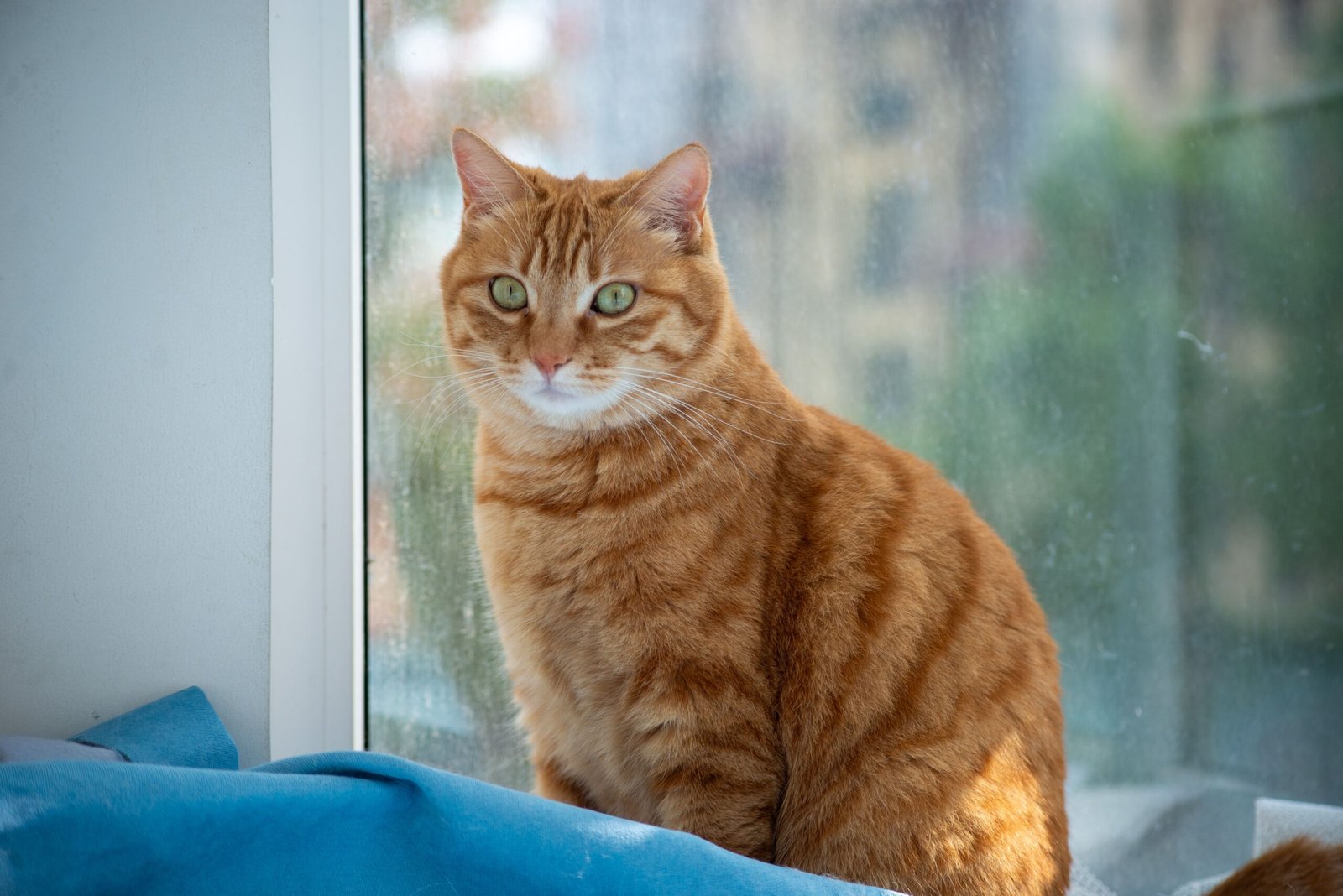
Placement predicts use. Cats like a view of household activity and a view of the outdoors, and they prefer not to feel trapped.
Strong starting places include the window the cat already uses, the edge of the living room rather than the dead center, or a wall that connects two rooms. Avoid blocking radiators, heaters, emergency exits, or the swing of a door. Keep some distance from the litter box; most cats do not want their lookout to smell like a bathroom.
If your cat scratches a particular sofa corner, place the main sisal column as close to that corner as you can manage, then shift it only if the cat follows. A rug under the base protects hard floors and reduces sliding on the slick wood or laminate common in rented flats.
Help your cat choose the tree over the sofa
Let the cat investigate with the tree in its final, stable position. Reward use by placing a familiar blanket on a platform, offering a play session that ends on the tree, or feeding a few regular treats on the lower levels. Catnip or silvervine helps some cats and does nothing for others.
Never lift a reluctant cat onto the very top and walk away. For a senior cat, add a stool or lower perch so the first step is easy. Give the tree a couple of weeks of fair use before you decide it failed—unless it is unsafe. Meanwhile, protect the sofa if needed and keep the legal scratch surface more appealing than the illegal one.
Safety, wear, and buying without the hype
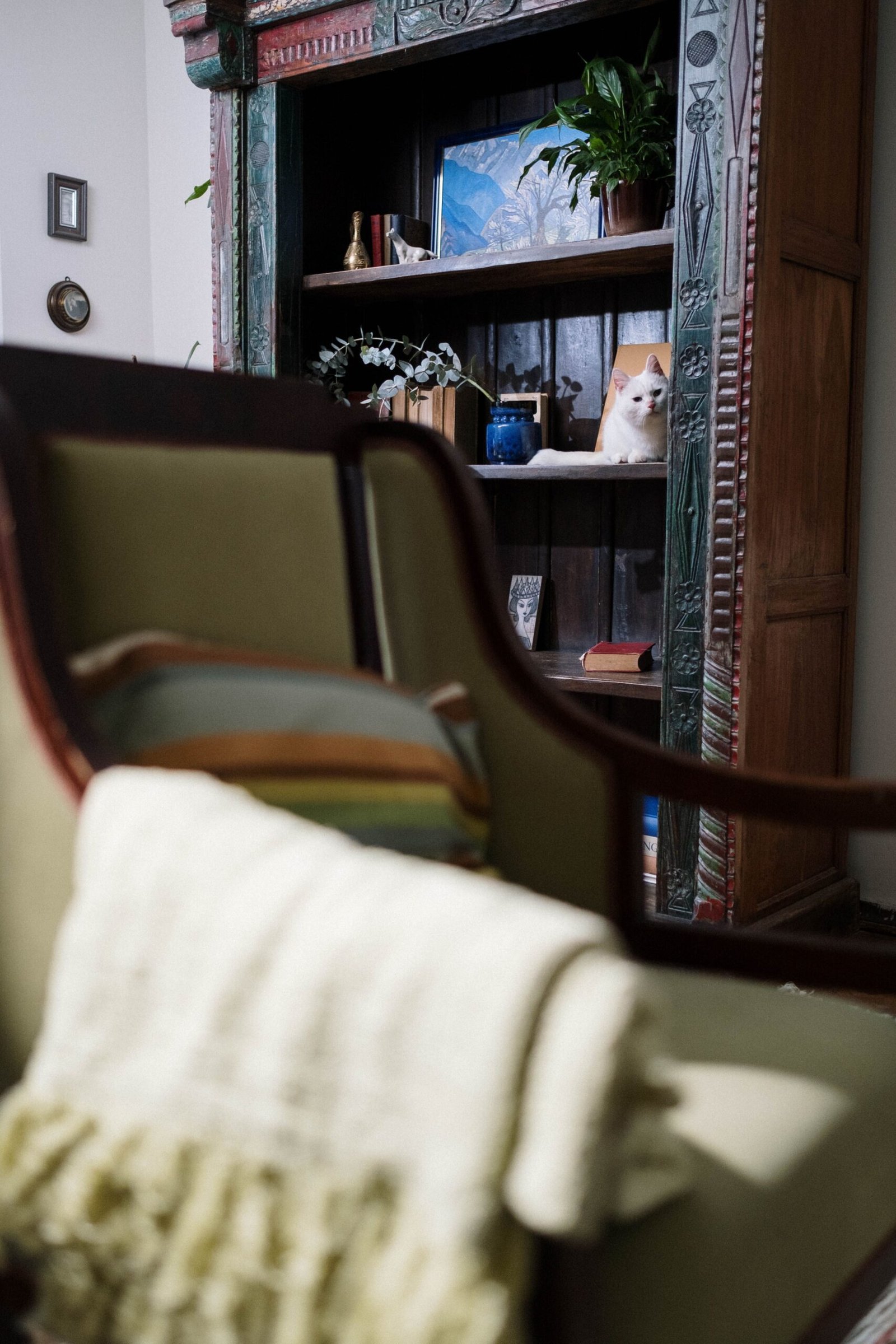
A cat tree should not tip when an adult cat lands from the sofa or a windowsill. Recheck screws after the first week and every month or two after that. Retire or repair crumbling platforms, loose coverings, frayed strings, and sisal that has unwound into long loops. Kittens and determined chewers may ingest fibers or foam; choose simpler designs if that describes your cat. If a cat has arthritis or a recent jump injury, ask your veterinarian what height is reasonable.
Judge cost by years of safe use and by whether key parts can be rewrapped or replaced. A stable tree your cat uses every day beats an expensive piece that rocks. If you rent, photograph the wall before anchoring and use fixings you can fill later.
You can also combine a sisal post, a secure window perch, and one wall shelf. A cardboard scratcher still earns a place near the sofa.
A practical shopping checklist
Before you buy, you should be able to say yes to most of these:
- I measured the floor footprint and the ceiling clearance, including window fittings.
- The base looks wide or heavy enough for the height, and I know whether I can wall-anchor it.
- The main perch fits my cat’s body, not just a product photo.
- There is a scratch surface my cat is likely to like, ideally one I can replace or refresh.
- The route up and down suits my cat’s age and joints.
- I have a placement plan near a window or social space, and not beside the litter box.
- I can clean the covers or vacuum the fabric without a battle.
- If I have two cats, there is more than one desirable spot in the room.
The best cat tree for a small apartment is the stable, well-placed one your cat returns to—to scratch, to nap, and to watch the world—without turning your only living room into an obstacle course. Measure first, shop by function, and let your cat’s habits, not a best-of list, pick the shape.
FAQ
How tall should a cat tree be in an apartment?
Tall enough that your cat can get above the main furniture, and short enough that the top perch does not hit the ceiling or feel tippy. For many indoor cats, a view and a secure seat matter more than matching the tallest model in the shop. Measure ceiling clearance, then choose a height your cat can climb in comfortable steps. Seniors and kittens often do better with intermediate platforms than with one dramatic leap.
Do cats need a cat tree if they already have a windowsill?
A windowsill can be an excellent lookout, but it does not always offer a legal scratch surface, a soft nap spot, or a second route away from another cat. Many apartment cats do well with a secure window perch plus a sturdy scratcher, rather than with a giant floor tree. Watch what your cat already uses: if they only want to look outside, start there; if they also shred the sofa, add a scratch post in that same area.
How do I stop a tall, narrow tree from tipping?
Choose the widest or heaviest base you can fit, assemble it squarely, and place it on a level surface. A non-slip rug can reduce sliding on hard floors. If the maker provides a wall-anchor kit—or if the tree is tall and your cat launches onto it—use a proper fixing. Recheck screws after the first week. A tree that still rocks after assembly is the wrong tree for that spot, no matter how good it looked in a photo.
Can one cat tree work for two cats?
Sometimes, if it has more than one desirable perch and more than one way up and down. One narrow column with a single throne often creates crowding or blocking. In a small apartment, two compact options—a slim tree plus a window perch, or a tree plus a wall shelf—usually keep the peace better than one oversized condo. Keep some distance between the tree, the litter box, and food bowls.
Is sisal better than carpet on a cat tree?
Many cats scratch sisal or cardboard more readily than carpet, and sisal is less likely to feel like an invitation to use the sofa. Preferences still vary. If your cat already loves one texture, match it. The more important details are a thick, stable post, tightly wrapped material, and the chance to refresh or replace the scratch surface when it wears out.
Related reading
- Cat Litter Box Setup Apartment — Cat Litter Box Setup for Apartments (keep the tree away from the box and plan both in the same floor plan)
- Best Automatic Cat Feeders — Best Automatic Cat Feeders (another apartment gear decision that should not compete with the tree for floor space)
- Wet Vs Dry Cat Food — Wet vs Dry Cat Food (pairs with placing food away from the lookout and litter area)
- Best Toys For Aggressive Chewers — Best Toys for Aggressive Chewers (if a resident dog shares the apartment and may destroy dangling tree toys)
[…] where floor space is tight. If you are choosing one for a studio or narrow living room, see best cat trees for small apartments. A wobbly tower next to a solid sofa will […]
[…] washable, ground-level or slightly elevated bed. For choosing a tree that fits a small layout, use best cat trees for small apartments. For a stable viewing spot at the glass, use best window perches for cats. This article stays on […]
[…] wall-mounted shelf, step, or hammock-style perch is fixed to the wall. A cat tree for a small apartment is a freestanding unit that stands on the floor. A window perch lives on one sill, or attaches at […]