


If you are shopping for the best cat beds for small apartments, the hard part is not finding something that looks cozy in a photo. It is giving up floor you do not have, then watching the cat ignore the new cushion and go back to the sofa arm, the sunny windowsill, or a box you were about to recycle.
A useful mindset is this: you are buying a rest spot the cat will recognize, in a size that fits both the animal and the room, and in a place the cat already likes to settle. A smaller footprint is not automatically a better bed. An unused bed is the most expensive use of a corner, even before you count the laundry.
This is general information for cat parents in the US and UK, not a veterinary diagnosis and not a promise that a cat will sleep in a bed you bring home. Cats vary, and so do flats. This is not a ranked product list, not a set of test scores, and not a dog-bed guide with the measurements shaved down. If your cat suddenly stops using favorite rest spots, seems stiff, or cannot get comfortable, contact your veterinarian. Discomfort can look like “they just prefer the floor.”
A bed has to earn its floor space

In a small home, every object has to justify its footprint. A cat bed is no exception. Measure the gap you actually have—beside a sofa, under a console, in a quiet corner of the bedroom—and measure your cat as well. The useful size is the one that lets the cat turn, curl, and stretch a little, not the one that looks compact in the packaging. A bed that is too tight will be abandoned. A bed that is far larger than the cat often feels exposed, and it also costs you walking space.
Think of the bed as one rest option, not the only raised or cozy place in the home. Height and a view are different jobs. A tree gives climbing and perching; a window perch gives a lookout. Those can reduce pressure on the floor, and they are not substitutes for a washable, ground-level or slightly elevated bed. For choosing a tree that fits a small layout, use best cat trees for small apartments. For a stable viewing spot at the glass, use best window perches for cats. This article stays on the bed itself: size, type, washability, and placement.
Think of three jobs, not one:
- Fit the cat. Enough room to curl and shift, without swallowing a walkway.
- Match the type to the habit. Open, covered, or gently warmed, based on how your cat already rests.
- Put it where rest already happens. A perfect cushion in a dead corner is still a dead corner.
No bed is a guarantee of use. You are trying to make a good rest easy, not to train a cat to love a shape they have already rejected.
Bolsters, caves, and heated pads are different tools
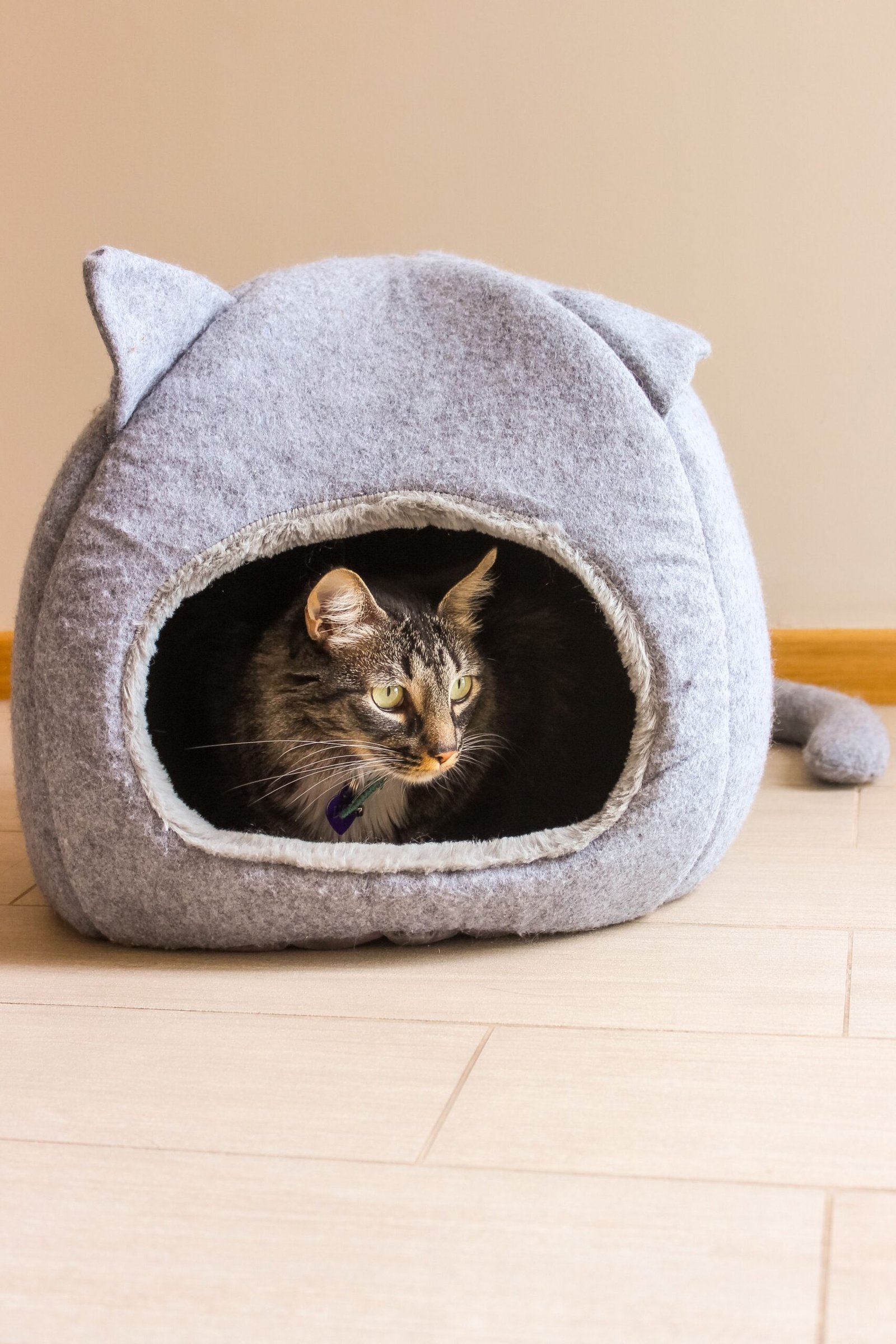
The main types are not better or worse in the abstract. They suit different cats and different rooms.
Open bolster and cushion beds
A bolster bed has a raised rim the cat can curl against, with the middle open. A flat cushion or a simple pad does the same job with a lower profile. These work well for cats who like to see the room, who sprawl, or who already claim a sofa corner and need a defined, washable oval they can step into. In a studio, an open bed can sit beside a sofa without blocking the view or feeling like a second piece of furniture. The downside is less privacy and less trapped warmth. If your cat always burrows under a throw, an open bolster may sit empty.
Cave and covered beds
A cave, hooded bed, or enclosed “house” gives a cat a darker, more sheltered pocket. Many cats like that in a busy flat, where the front door, the kettle, and guests all happen in one room. A cave can also feel warmer without any electronics. The trade-off is bulk and airflow: some models are taller or deeper than an open cushion, and some cats dislike a low entrance or a fabric that collapses on them. If you choose a cave, check that the opening is easy to use, that the structure stays put, and that you can still reach inside to clean. A cardboard box lined with a washable blanket is a fair, temporary test of whether your cat even wants a covered space before you give up a larger footprint.
Heated pads and warmed beds
Some cats, especially older ones, seek warm spots: a radiator shelf, a sunny patch, a laptop. A heated pad or a bed with a gentle warmth function is a type, not a treatment. It is not a therapy for stiffness or illness, and it should not replace veterinary care if your cat seems sore. If you consider one, choose a product actually intended for pets, follow the manufacturer’s instructions, and think about the cord in a small room—chewing, tripping, and a cable run under a rug all matter. Do not improvise with a human heating pad that is not meant to be left with an unsupervised animal. Many cats are happy with a cave or a bed placed where the room is already naturally warm. Heat is optional, not a default “best” feature.
Dog beds are a poor shortcut. They are usually sized and shaped for a different animal, often too open or too large for a cat who wants a tucked rim, and they are not automatically a better value just because they look soft. If you already have one in the home, a cat may use a corner of it; that does not make it the right first buy for a small-apartment cat.
Washability is part of the size question
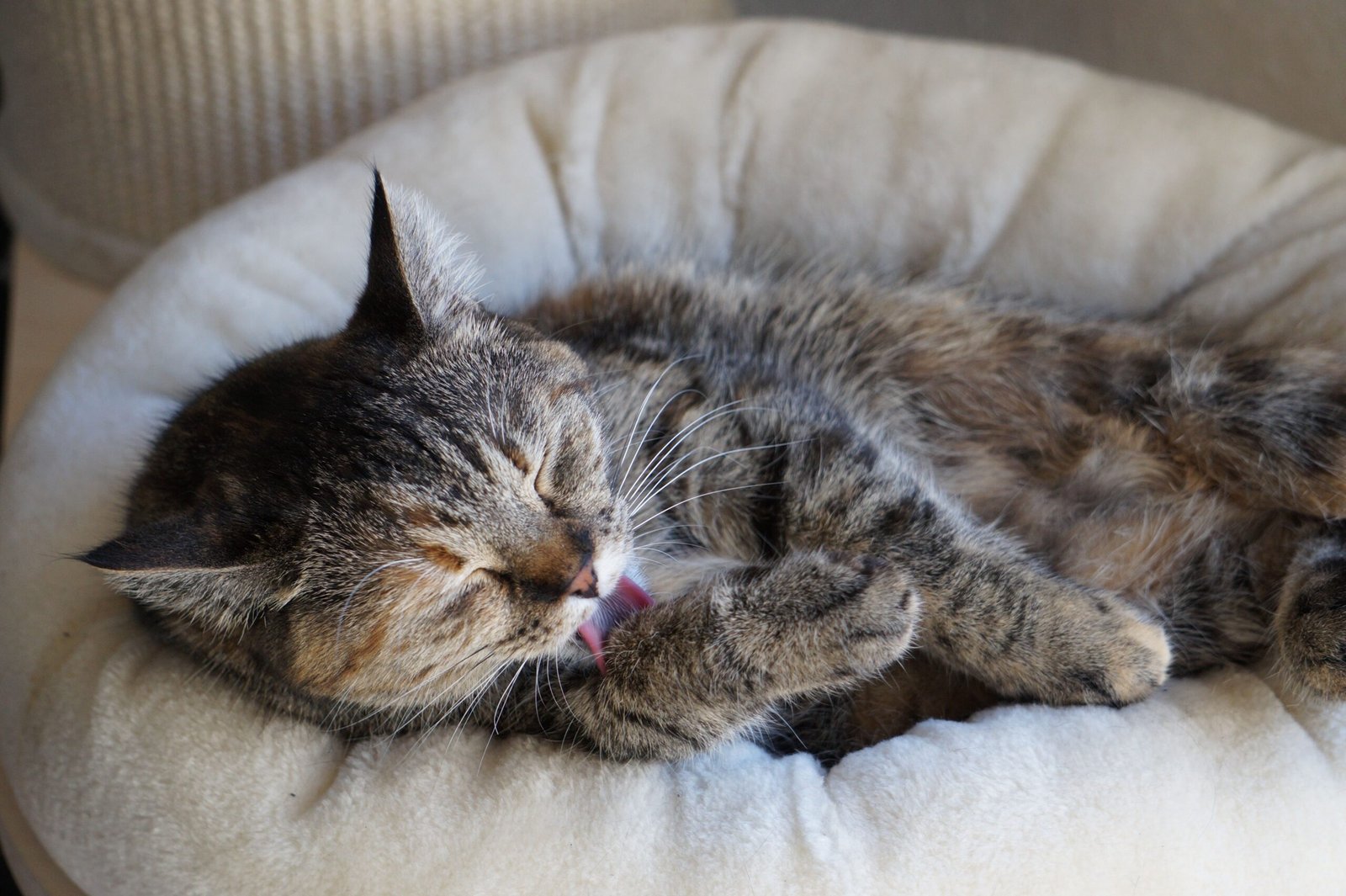
In a small apartment, a bed that cannot be washed becomes a problem faster than it does in a house with a spare room. Hair, dander, the occasional hairball, and everyday dust collect in fabric that sits on the floor. A removable, machine-washable cover is often more useful than a clever shape you have to sponge in the bathtub. Check whether the filling can be taken out, whether the cave’s hood washes with the base, and how long the piece takes to dry in a flat that may not have outdoor space.
A cover that shrinks, a cushion that goes lumpy, or a cave that will not come apart will either be washed too rarely or discarded. Look at the fabric as a household object: something you can actually put in your machine, on a gentle cycle, as often as your home needs. If your cat sheds heavily, a smoother cover may be easier to lint-roll between washes than a deep faux-fur you never want to take off.
Washability also affects placement. A bed that lives under a radiator or in a tight nook is harder to pull out weekly. Leave yourself a little clearance so cleaning is not a furniture move. After washing, put the bed back in the same place; cats notice when a rest spot wanders.
Place the bed where the cat already rests
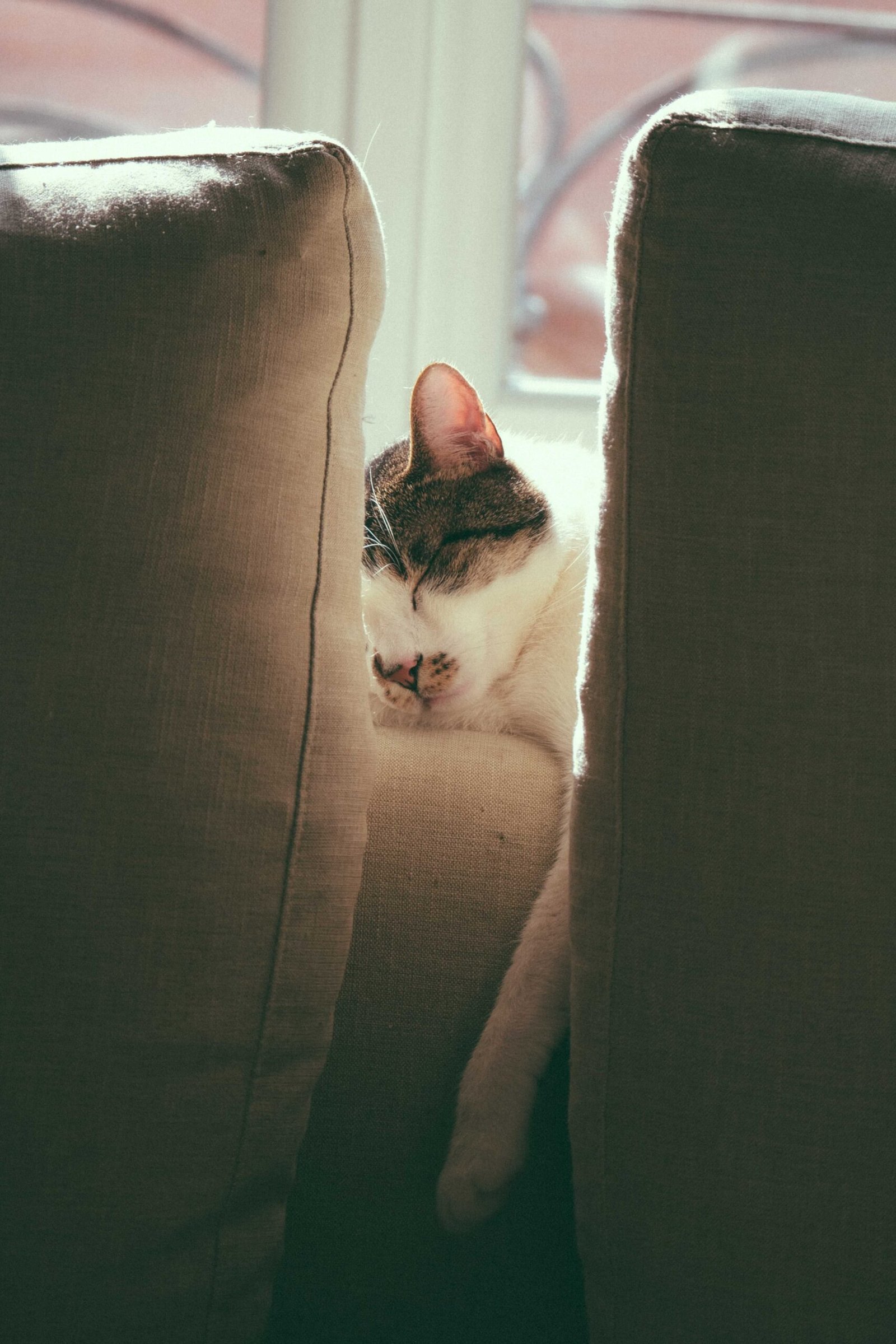
Cats vote with their bodies. If your cat already sleeps on one end of the sofa, on a particular rug, or on a chair that catches afternoon light, that is the information you need. Put the bed there, or immediately beside there, rather than in the unused corner you wish they would choose.
Windowsills and the tops of furniture are tempting, but they are not always a bed problem. A perch at a safe, closed or properly screened window can be the better tool for a lookout; a floor bed will not replace that view. Quiet matters too. A bed next to the litter box, the front door, or a noisy appliance asks the cat to rest in a place they would rather leave. For a litter setup that does not crowd the rest of a small home, use cat litter box setup for apartments and keep the bed clearly separate.
A slight elevation can help some cats feel safer—a low, stable stand or a sturdy shelf with a cushion—but it must be secure and easy to reach, especially for a senior cat. Do not perch a slippery pad on a wobbly stool in a walkway. If the cat already uses a tree platform as a nap spot, you may only need a smaller floor bed for cooler or quieter hours, not a second large cushion. A scratching post nearby can keep claws off the bed fabric; for compact posts, see best cat scratching posts for small apartments.
If you hope the cat will sleep on the bed at night instead of on your pillow, move slowly. Put a familiar blanket on the new bed, place it in the bedroom if that is already the chosen room, and do not evict the cat from the human bed as the only plan. Night waking has its own causes; how to stop a cat from waking you at night is the better companion if the issue is 5 a.m. activity rather than the shape of a cushion.
A second small bed can be worth it in a tiny home if the two spots are actually used—one near the window’s light, one in a quieter room—rather than two unused objects. Start with one well-placed bed and add only if the cat clearly wants another rest site you can still walk around.
What not to buy just because it looks compact
Novelty shapes, very low sides that a large cat cannot lean on, and beds that slide on hard floors all fail for reasons that have little to do with square footage. Stability matters: a cave that tips when the cat leans in, or a pad that skids when they hop off, will not be trusted. Materials should be something you can clean and that will not shed stuffing if lightly scratched. If a bed needs constant fluffing to keep a shape, it will not look small for long; it will look messy.
Do not assume “one size” will suit a kitten and a large adult, or two cats who like to share. If you have two cats, two modest beds in different spots usually work more kindly than one oversized cushion in the middle of the room. A stressed cat may hide in a cave more often, or avoid a busy open bed; if restlessness or hiding is new, look at signs your cat is stressed rather than only swapping fabrics. A fuller indoor day also makes rest more likely; indoor cat enrichment ideas sits beside this buying decision instead of replacing it.
You do not need a ranked “best” model to choose a cat bed for a small apartment. You need an honest size, a type that matches how your cat already sleeps, a cover you can wash, and a place the cat already thinks of as a rest spot. That mix will not make every cat abandon the sofa. It will keep the floor usable, and it will give the bed a fair chance to be used.
FAQ
What size cat bed do I need for a small apartment?
Size the bed to the cat first, then to the gap in the room. The cat should be able to turn, curl, and shift without hanging off the edge, but the bed should not block a walkway or fill a corner the household has to step around. A too-small bed is usually abandoned; a much-too-large one can feel exposed and waste floor. Measure the place you actually plan to use, and measure your cat in a normal curled and stretched position, rather than buying the most compact option on a shelf.
Will my cat actually use a bed I buy?
Not automatically, and not because the bed is new. Cats tend to use rest spots they already like: a sofa end, a sunny patch, a quiet chair. Put the bed there, add a familiar blanket if you have one, and give it time. A cave will not suit every cat who sprawls; an open bolster will not suit every cat who burrows. If the cat ignores the bed after you have placed it well, the type may be wrong, or the cat may already have a better perch or tree platform for that job.
Are heated cat beds safe in a small home?
They can be, if you use a product intended for pets, follow its instructions, and manage the cord so it is not a chew or trip hazard in a tight room. A heated pad is not a medical treatment and not a reason to skip a veterinary visit if your cat seems stiff or unwell. Do not substitute a human heating pad that is not meant to be left with an unsupervised animal. Many cats are equally happy with a covered bed or a naturally warm, sunny spot and do not need an electrical feature.
Is a cave bed better than an open bolster bed?
Neither is better in general. A cave offers more privacy and often more warmth, which can help in a busy studio. An open bolster or cushion suits cats who like a view, who sprawl, or who already rest on a sofa. Choose from the habit you already see, and check that a cave’s opening and structure are easy to use and to clean. If you are unsure, a box with a washable blanket is a low-commitment test of whether your cat wants a covered space.
How often should I wash a cat bed?
Often enough that hair, odor, and dust do not build up in a small room, and whenever the bed is visibly soiled. A removable, machine-washable cover makes that realistic. Follow the care label, let the bed dry fully before you put it back, and return it to the same spot so the cat still recognizes it. There is no single calendar that fits every household; shedding, hairballs, and whether the bed sits on a bare floor all change the rhythm.
[…] and rest. If you are choosing cushioned sleep spots for a tight floor plan, that is the work of best cat beds for small apartments, not this guide. A hideaway can include a soft floor, but its main feature is cover: sides, a roof, […]
[…] than letting it spread across every cushion. If you are choosing a bed for a tight floor plan, best cat beds for small apartments is a separate, practical question; whatever you choose, pick a cover you can […]