


A weekly at-home wellness check on your cat is a calm, repeatable once-over you can finish in about ten minutes, not a veterinary exam and not a substitute for a clinic visit. In a small apartment, you do not need a special table or a long routine. You need a few quiet minutes, a cat that can stay still enough to be looked at, and a simple note you can compare with last week.
A short weekly scan, not a veterinary exam
This short once-over is a home habit, not a diagnosis. The useful goal is to notice change, not to name a condition from the sofa.
The point is to notice change. A cat that has always been a little bony, or a little soft, is not automatically in trouble. A cat that feels different in your hands, hides more, eats less, or uses the litter box in a new way is worth a closer look, and sometimes a call to the veterinarian the same day. This article will not teach you to name a disease, recommend a prescription, or promise that a weekly scan keeps a cat well. It will help you build a baseline so a change is easier to describe when you get a cat comfortable at the vet.
This is also not a rewrite of the single skills you may already use at home. If you need a close look at fleas, a brush-through, an ear clean, a dental routine, a nail trim, mat removal, or help giving a pill, use those guides when the weekly scan points you there. The scan itself stays short: weight feel and body condition in plain language, a look at eyes, ears, and mouth, coat and skin, a glance at the litter box, and a short note on energy and appetite.
How to do it without a fight
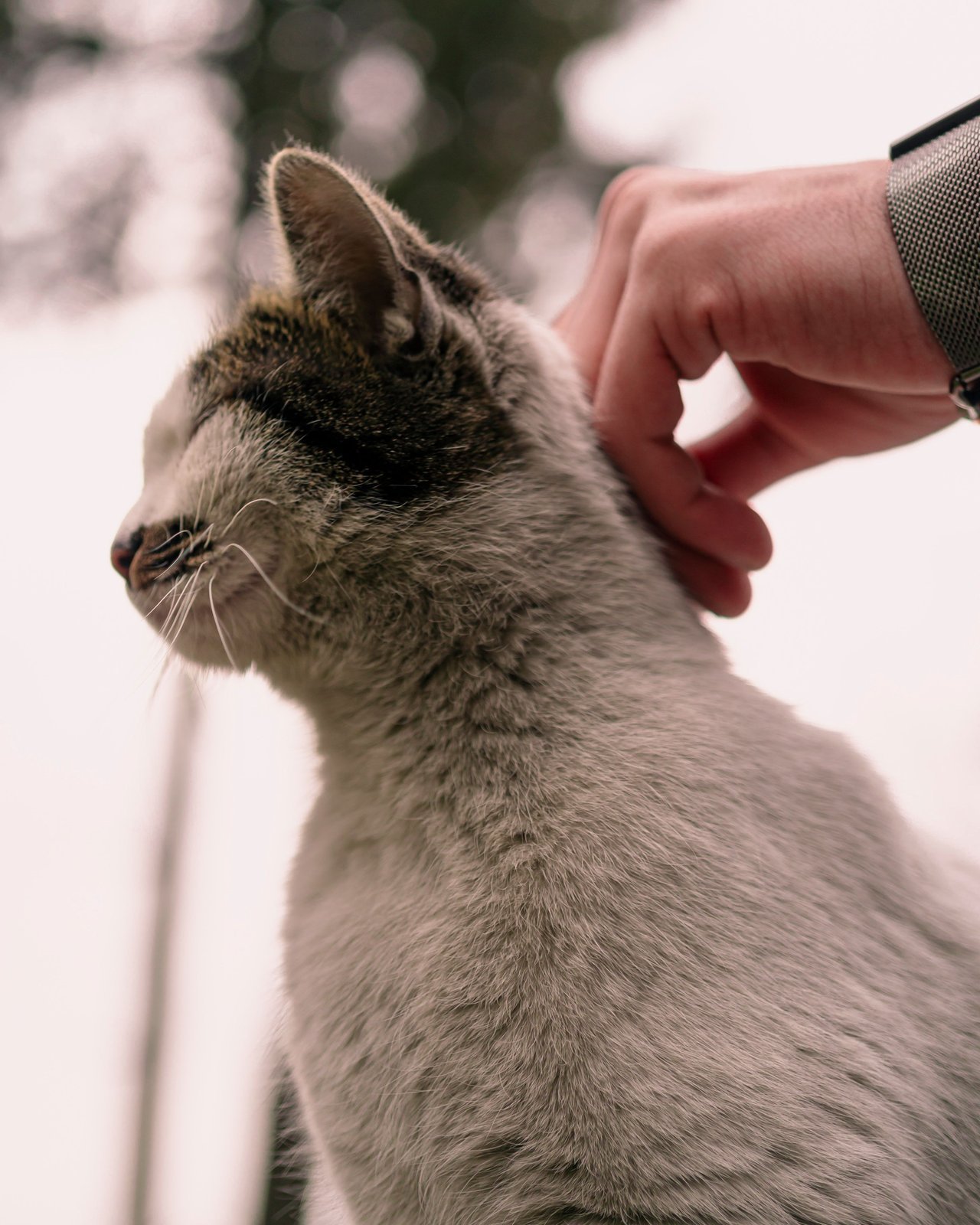
Pick a time the cat is already relaxed, not a moment after a noisy delivery or in the middle of play. Many cats accept a short check on a sofa, a bed, or a familiar rug better than on a cold bathroom floor. Sit down, let the cat come close, and start with ordinary petting so your hands are not a surprise.
Keep the session short and stop if the cat tenses, growls, or tries to leave. A half-finished check with a calm cat is more useful than a complete check that ends in a scramble. You can split the look across two days if that is what the cat will allow: body feel and coat one evening, eyes and ears the next. Do not pin the cat down, wrap it tightly as a first move, or chase it around a studio. If the cat is already showing signs of stress, wait for a quieter window or skip the optional parts and watch from a short distance instead.
A senior cat, or a cat that is stiff getting on and off furniture, may need a lower spot and a slower start. If movement itself has become hard, that is worth noting, and our guide to help a senior cat get around a small apartment covers the daily setup. The weekly scan still stays a look-and-feel, not a physical therapy session.
Have a treat ready if the cat likes food, but do not bribe through fear. If the cat is too upset to be touched, write down what you could see from a distance (appetite, energy, litter box, obvious coat changes) and try a shorter session later. A weekly habit should feel like part of ordinary handling, not like a struggle the cat learns to hide from.
What to look at, and what to write down
Start with your hands. Run them lightly along the sides, spine, and belly and notice whether you can feel ribs with a light touch, whether there is a waist, and whether the cat feels heavier or lighter than last week. You do not need a scale for this to be useful, though a home scale can help if the cat will stand or sit on one calmly. Write a plain phrase you will understand later, such as “ribs easy to feel” or “softer over the hips than last month.” Do not turn that note into a medical label.
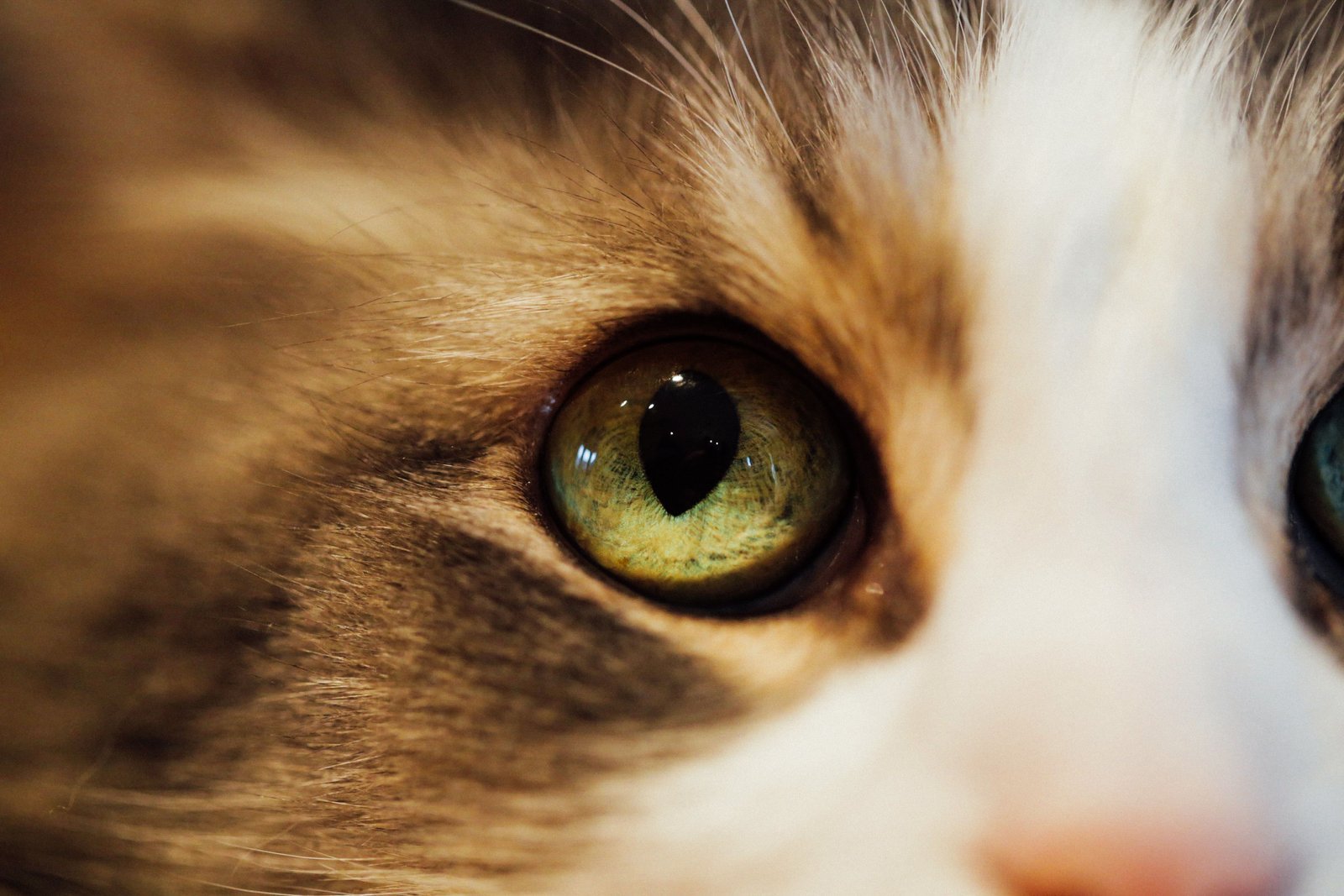
Look at the eyes in ordinary light. You are looking, not diagnosing. Are they open, clear, and similar to each other? Is there new discharge, a sudden cloudiness, or a squint that was not there last week? The close-up below is a cat’s eye, not a person doing an exam, and that is the level of looking this scan needs: enough to notice a change, not enough to name an eye condition.
Look at the ears the same way. Lift the flap gently if the cat allows it and glance at the inner surface. You want to notice new redness, a strong odor, heavy debris, or scratching that was not part of the cat’s usual routine. A close look is not the same as cleaning a cat’s ears at home; stop at looking unless you already have a plan from your veterinarian and the cat is comfortable. If you later need a flea check because you see itching or specks in the coat, use a dedicated flea check at home instead of turning this weekly scan into a full parasite hunt.

Look at the mouth only as far as the cat will allow. Many cats will not hold still for a full dental routine, and they should not be forced. A yawn, a short lift of the lip, or a brief look while the cat is relaxed can show you broken teeth, heavy tartar, red gums, or a new smell. The photograph below is a cat mid-yawn, with teeth and tongue visible; it is not a person opening the mouth for an exam. If you want a fuller home dental routine, that belongs in cat dental care at home, not in this ten-minute scan.

Check the coat and skin as you pet. Part the fur in a few places and notice dandruff, bald patches, scabs, mats, or a coat that suddenly looks dull or greasy. If shedding is the main apartment problem, managing cat shedding and brushing a cat at home are the follow-up skills. If you find a mat, do not cut close to the skin; removing cat mats at home is a separate, careful job. A quick look at the nails is enough to see whether they are catching on fabric or curling; a trim, if needed, is covered in how to trim a cat’s nails at home.
Glance at the litter box. You do not need to inspect every clump like a lab, but you should notice whether the cat is going more often, straining, avoiding the box, producing very small amounts of urine, or leaving diarrhea. A sudden change in the box is one of the better reasons to call the veterinarian rather than wait for next week’s scan.
Finish with energy and appetite. Did the cat greet you as usual, sleep more than usual, skip a meal, or leave food that is normally finished? Write one or two lines, with the date, in a note on your phone or a small notebook. The value is the comparison, not a perfect medical chart. If you later need to give medicine, giving a cat a pill at home is a separate skill; the weekly note simply helps you and your veterinarian see when something changed.
When to stop and call the veterinarian
Stop the home check and call your veterinarian if you find a change you cannot explain, a lump you had not noticed, hiding that is new, a cat that is not eating, or breathing that looks labored. Other same-day reasons include repeated vomiting, a swollen face or paw, a cat that cannot urinate or strains in the box, a sudden limp, or eyes that are held tightly shut. You do not need to finish the rest of the scan first.
A weekly habit is for ordinary watching. It does not mean you should wait until the next Sunday if something looks wrong on a Wednesday. It also does not mean a normal-looking week proves the cat is fine. Some problems are not visible from the sofa, which is why scheduled veterinary care still matters, including for a cat that seems well.
If the cat is already due for vaccines, dental work, or a senior blood panel, keep that appointment even if your notes look steady. Bring the notes with you. A short list of dates, appetite, litter-box changes, and a lump’s location is more useful than a memory of “something felt off last month.” If you are not sure whether a finding can wait, call the clinic and describe what you saw; that question is part of ordinary pet care, not an admission that the home check failed.
A simple weekly rhythm helps more than a perfect one. Choose a day you are usually home, keep the same phone note or notebook, and do not restart the habit from zero if you miss a week. Look when you can, write a short line, and return to the same list next time. If two people share the cat, agree on where the notes live so you are not comparing different memories.
The home scan also has a clear stopping point. You are not trying to look down an ear canal with a tool, open the mouth against resistance, or pick through the coat for every possible flea. Those jobs have their own guides, and they take more time and more consent from the cat. When the weekly look raises a question, you either book the veterinarian or you use the matching home skill later, in a separate, calmer session.
In a small apartment, you can do most of this on the sofa you already share. You do not need a dedicated exam corner. What you do need is enough light to see the eyes and ears, a place the cat already likes, and a willingness to stop before the cat scrambles under the bed. That is enough for a useful baseline, and it is also enough to notice when the baseline has changed.
If you live with more than one cat, check them one at a time. A group session makes it hard to know which cat ate less, which coat looks dull, or which box habit changed. The same one-at-a-time habit helps if one cat is shy and the other is bold: the shy cat should not have to be handled in the middle of the room while the other cat watches.
FAQ
How long should this weekly check take?
About ten minutes is enough for most cats, and a shorter session is fine if the cat gets restless. You can split the look across two calm moments in the same week.
Does a weekly home check replace veterinary visits?
No. A home scan helps you notice change and describe it. It is not a veterinary exam, and it does not mean you can skip scheduled clinic care.
My cat hates being handled. Can I still do a useful check?
Yes, with a lighter plan. Watch appetite, energy, and the litter box, do a brief coat look if the cat will sit with you, and stop when the cat wants to leave. Forcing a full exam at home usually teaches the cat to hide.
What should I write down each week?
The date, a plain note on body feel, anything new in the eyes, ears, mouth, or coat, a glance at the litter box, and a line on appetite and energy. Short, repeatable phrases are more useful than a long essay.
I found a lump, or my cat stopped eating. Should I wait until next week?
No. Call your veterinarian. A weekly habit is for ordinary watching, not a reason to delay care when something new and worrying appears.
[…] similar once-a-week routine for cats is covered in our weekly at-home wellness check on a cat. This article stays with dogs. Longer flea, tick, dental, and grooming skills have their own guides […]