


If you need to prepare a cat for a pet sitter or holiday stay, treat the work as a prep plan, not as a last-minute note on the fridge. Holiday travel changes who enters the home, when meals happen, and sometimes which room is quiet. The cat still needs the same food, the same litter, and the same hiding spots. A written routine, a couple of short sitter visits if you can arrange them, and a decision about whether the cat stays at home or goes elsewhere will do more than a large pile of food left out on the day you leave.
This is general household advice for cat parents in the US and UK, not a veterinary diagnosis, and not a promise that the cat will fail to notice you are gone. A good result is simple: the sitter can run the routine without guessing, and the cat still eats and uses the box. Do not switch food or litter the week you leave, and do not leave a shy cat loose in a busy party house. If the cat stops eating, hides without coming out, or stops using the box, the sitter should contact you and a veterinarian. Do not invent a home remedy or tell the sitter to wait it out.
Why a sitter plan is not the same as a weekend alone
A plan for leaving a cat home alone for a weekend is about a short stretch with no new person in the flat. A sitter or a holiday stay is different because someone else has to feed, scoop, and notice whether the cat is acting like itself. The cat may also have to accept a less familiar person in the kitchen or the spare room.
If friends or relatives will be staying in the home at the same time, that is closer to a guest problem than to a simple feeding visit. A separate guide covers helping a cat stay calm when guests visit. Use that plan for party traffic and overnight guests, and use this plan for the sitter’s written routine. Do not ask a shy cat to manage both a full house and a new feeder in the same week if you can avoid it.
A repair visit is a different interruption again. Advice on keeping a cat calm during apartment maintenance visits is about a short, noisy appointment, not a holiday. If maintenance is already booked for the week you travel, tell the sitter when it will happen and which room the cat should be in.
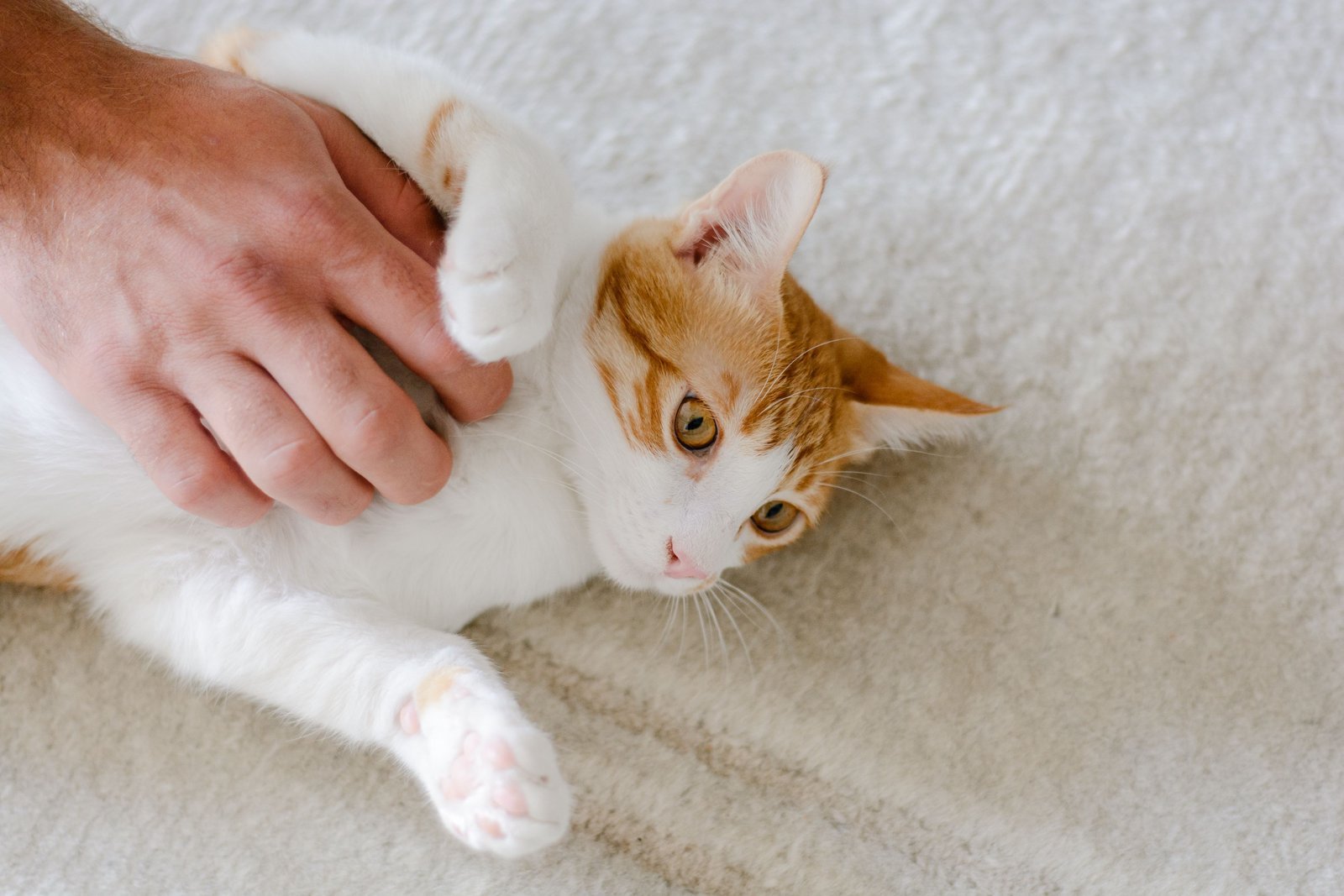
Write the routine down, including what normal looks like
The sitter needs more than a brand name on a bag. Write the food brand, the amount at each meal, wet or dry or both, and the usual times. If you already have a careful plan for choosing food for an indoor cat or for serving wet cat food in a small apartment, copy the parts the sitter will actually use, not the whole decision process. Note where the food is stored, which bowl is the cat’s, and whether water is refreshed from the tap or a fountain.
Add the litter: which box, which litter, where the scoop lives, and how often you scoop. Do not change the litter or the box the week you leave. The sitter should keep the current setup running, not improve it. Note the favorite hiding spots, the usual play time, and any room the cat is not allowed to enter.
Write what “normal” looks like for this cat. That can be as plain as: usually eats breakfast within ten minutes, uses the box at least twice a day, sleeps on the bedroom chair, and comes out when the treat tin opens. A sitter who has never met the cat cannot guess that a day spent under the bed is unusual, or that this cat always hides for the first hour and then eats.
Include your veterinarian’s name and number, an after-hours clinic, and your own contact details, plus a backup person if you will be in the air or on poor signal. If the cat has a microchip, write the number down. If you will be hard to reach, say so clearly, and tell the sitter who can approve a vet visit.
Arrange a couple of short visits before you go
If you can, have the sitter come once or twice while you are still at home, then once while you step out for a short errand. The first visit can be brief: come in, sit down, let the cat choose whether to approach, and show the sitter the food, the box, and the hiding spots. The second visit can include a real meal or a scoop so the routine is not theoretical.
Do not force a greeting. A hand offered low, a quiet voice, and time to sniff is enough. Some cats will not come out at all on the first visit, and that is useful information. The sitter then knows to set the food down, sit nearby, and not chase the cat out from under a chair.
A person already sitting on the sofa with a laptop is closer to a calm in-home visit than a loud greeting at the door. The still below is a home scene, not a formal sitter training photo, and the nose strip on the person’s face is just what the camera caught. The useful part is the quiet company, not the laptop or the skincare.

Do not switch food or litter the week you leave
A last-minute food change is one of the easiest ways to send the sitter a cat that will not eat. Keep the current food, pack enough for the whole trip plus a little extra, and leave it where the sitter can find it. If you are already mid-transition, finish it before you travel or pause it and go back to the food the cat was eating reliably.
The same rule applies to litter. A new box, a new formula, or a new location is a project for an ordinary week, not for the night before a flight. The sitter should scoop the box the cat already uses and refill the same litter.
“Just leave extra food out” is a poor substitute for scheduled meals, especially for wet food that should not sit out, and for a cat that can overeat dry food when bored. Leave measured portions or clear amounts, not an open buffet. If the cat is on a prescription diet, leave only that food and say so on the sheet. Do not invent a new diet for the trip.
Set up a safe room if people will be in and out
If the sitter is the only visitor, the cat can usually keep its ordinary run of the flat, with the windows and balcony already checked as you would on any other day. If other people will be coming through, or if a holiday gathering will happen in the living room, set up a quiet room with the box, food, water, a bed, and a hiding place, and tell the sitter to keep that door closed when the house is busy.
Leave the favorite beds and hiding spots where they already are when you can. A cat that likes a particular basket or chair should still find it. Do not redecorate the week you leave, and do not put the sitter’s bags on the cat’s usual sleep spot.
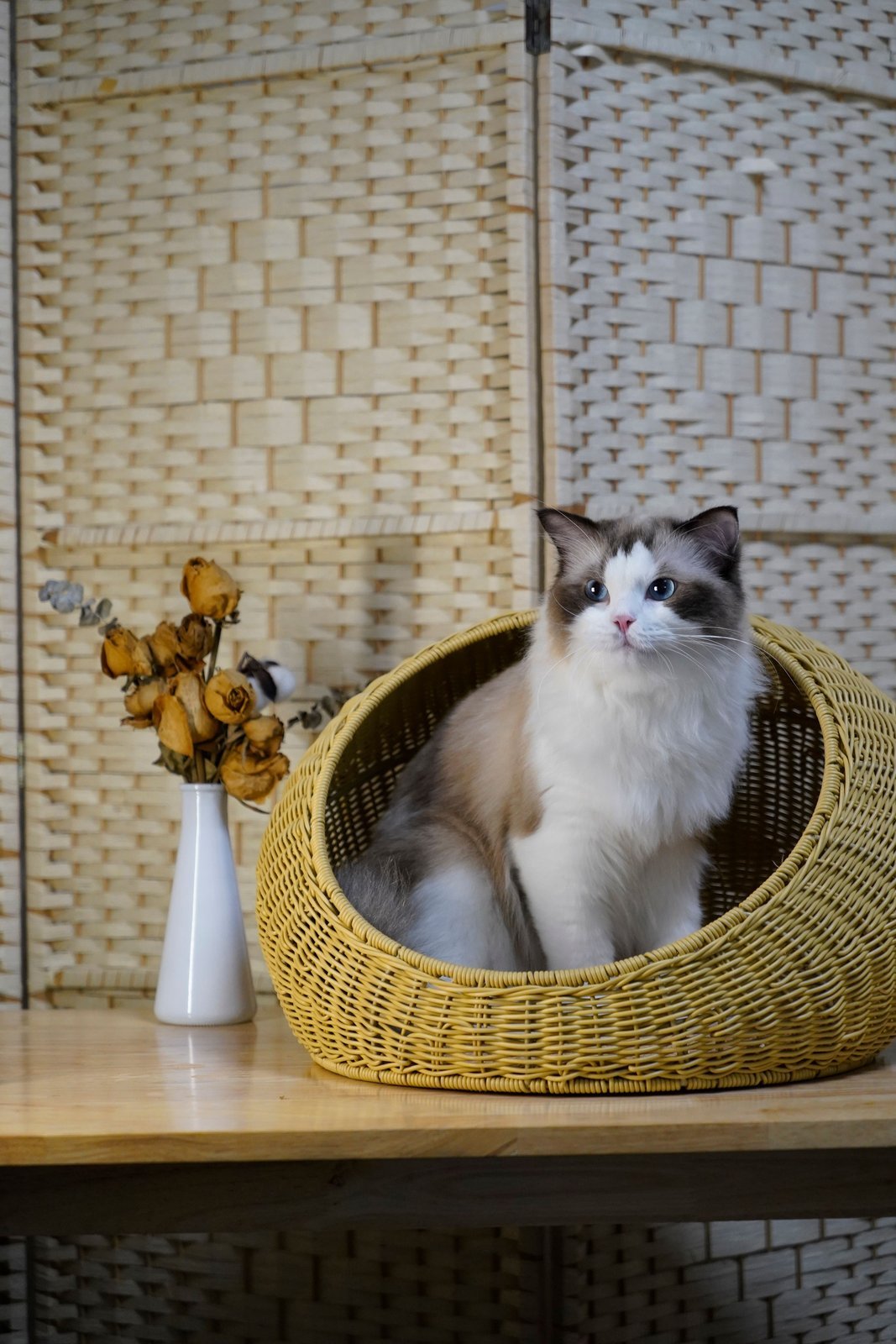
List medications clearly, but do not invent doses
If the cat is on medication, write the name, the dose the veterinarian already prescribed, the times, and how you usually give it. A guide to giving a cat a pill at home can help the sitter if that is already the method you use. Do not invent a new dose, skip a dose because travel is “only a few days,” or add a calming spray or supplement you have not already discussed with a veterinarian.
If the sitter has never given this cat a pill, practice once together before you leave, or ask your veterinarian whether the timing can be handled another way. A first-time struggle with a shy cat is a poor surprise for both of them on your first night away.
If a vet visit might be needed, it helps if the cat already has some comfort with a carrier and with being handled. Work on getting a cat comfortable at the vet is a longer project, but the carrier should at least be out and familiar, not pulled from a closet at the last minute.
If the cat must stay in another home
An in-home sitter is usually easier than moving the cat. A stay in another home, even a familiar one, is closer to a move than to a feeding visit. A full plan for moving to a new apartment with a cat is a different job, but the same idea applies: the cat needs a quiet room, the usual food and litter, and time.
Only treat another home as realistic if the cat already tolerates a carrier and a short ride. If that work is not already in place, an in-home sitter is the kinder option. Guides to getting a cat comfortable in a carrier and helping a cat ride in the car cover those skills. This article will not turn into a boarding review or a claim that every indoor cat will settle in a new place.
If you do use another home, send the same written routine, the same food, and the same litter. Set up one quiet room first, and do not expect the cat to roam a new house on the first night. Tell the host what would count as a reason to call you and a veterinarian.
What the sitter should watch for
Ask the sitter to send a short note after the first visit: whether the cat ate, whether the box was used, and whether the cat was seen. A photo of the bowl or the box is more useful than a general “all good.” If the cat does not eat, hides without coming out, or stops using the box, the sitter should contact you and a veterinarian rather than waiting until you are home.
Do not leave a list of home remedies, extra oils, or instructions to “just wait it out.” Those delays can make a real problem harder to treat. The sitter’s job is to run the usual routine and to escalate early, not to diagnose the cat.
If you have done the written sheet, kept the food and litter the same, introduced the sitter once or twice, and made a clear plan for a quiet room or an in-home stay, you have done enough. The cat does not have to be cheerful in every photo. It has to eat, use the box, and have someone who knows when to ask for help.

FAQ
What should I write on the sitter’s routine sheet?
List the food brand and amounts, meal times, litter type and scooping routine, favorite hiding spots, play habits, your veterinarian and an after-hours clinic, your contact details, and what normal eating, hiding, and box use look like for this cat.
Should I change the food or litter before I travel so the sitter has something easier?
No. Keep the current food and the current litter. A switch the week you leave is a common way to end up with a cat that will not eat or will not use the box while you are away.
Is it better to leave the cat in another home than to have a sitter come in?
An in-home sitter is usually easier. Another home is only realistic if the cat already tolerates a carrier and a short ride, and even then the cat should start in one quiet room with the usual food and litter.
How many times should the sitter visit before I leave?
If you can, plan one short visit while you are home and one visit that includes a real meal or a scoop. If the cat hides the first time, that is still useful. Do not force a greeting.
When should the sitter call a veterinarian?
If the cat stops eating, hides without coming out, or stops using the box, the sitter should contact you and a veterinarian rather than waiting. Do not leave instructions to try a home remedy first.