

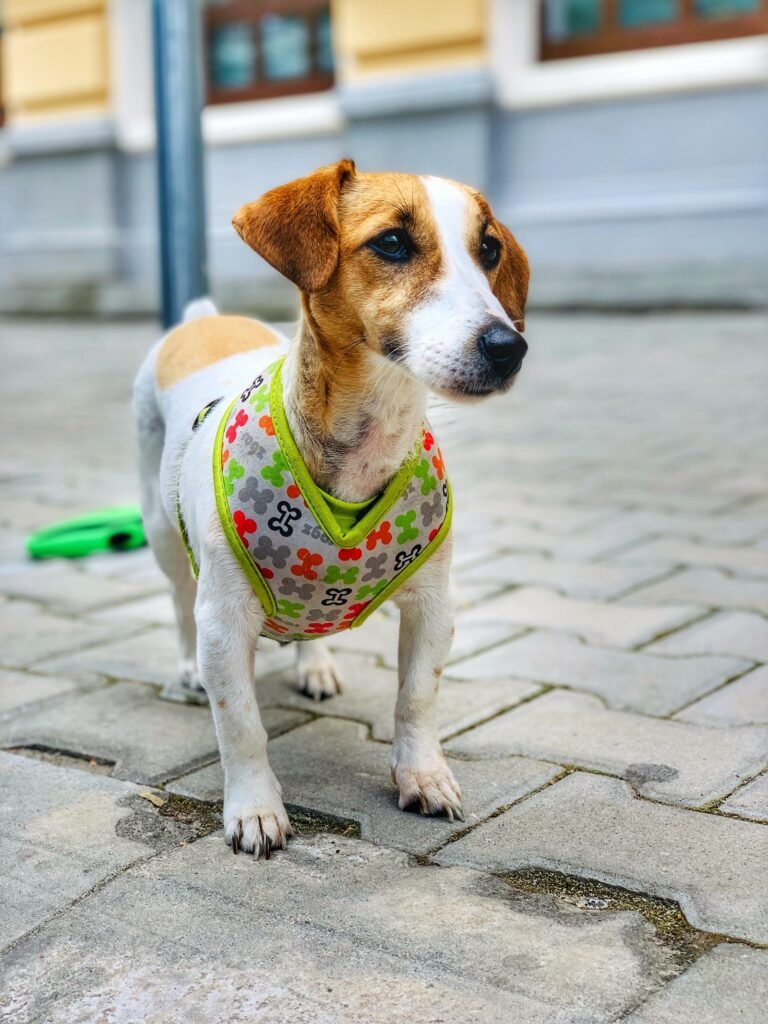
If your dog treats every sidewalk like a towpath, you are not failing at ownership. Pulling is common, especially when the walk is the main event of the day. In an apartment, that outing has to cover toilets, sniffing, and leftover energy, while a busy street adds bikes, food smells, other dogs, and traffic lights.
People search for the best dog harnesses for pullers because they want the walk to feel safer and kinder for their shoulders and their dog’s neck. A good harness can help with both. It is not a remote control. The useful question is not “which brand wins?” but “which design, fitted well, helps me guide this dog while we practice walking together?”
This is general information for everyday city walking, not a training guarantee or a veterinary diagnosis. If pulling appeared suddenly, or if your dog coughs, gags, limps, or seems painful when the leash tightens, contact your veterinarian. If walks feel unsafe because of fear or reactivity, ask a qualified trainer rather than buying more webbing.
Why dogs pull on city walks
Dogs pull because it works: the lamppost or the smell arrives faster when they lean in. Many dogs greet the world at a trot; our stroll is not their default gear. Excitement at the apartment door can set the tone before you reach the pavement.
A collar can be a fine ID and backup layer. For a strong puller, a tight collar concentrates pressure on the neck, which is uncomfortable and can encourage coughing or a harder lean. A harness spreads contact across the chest and shoulders, making management more comfortable while you teach a different habit.
City walks amplify the problem: sidewalks are narrow and triggers appear quickly. A retractable lead that lengthens toward a cyclist helps no one. Choose short, predictable contact, not a longer runway for a lunge.
Front-clip, back-clip, and dual-clip: what they actually do
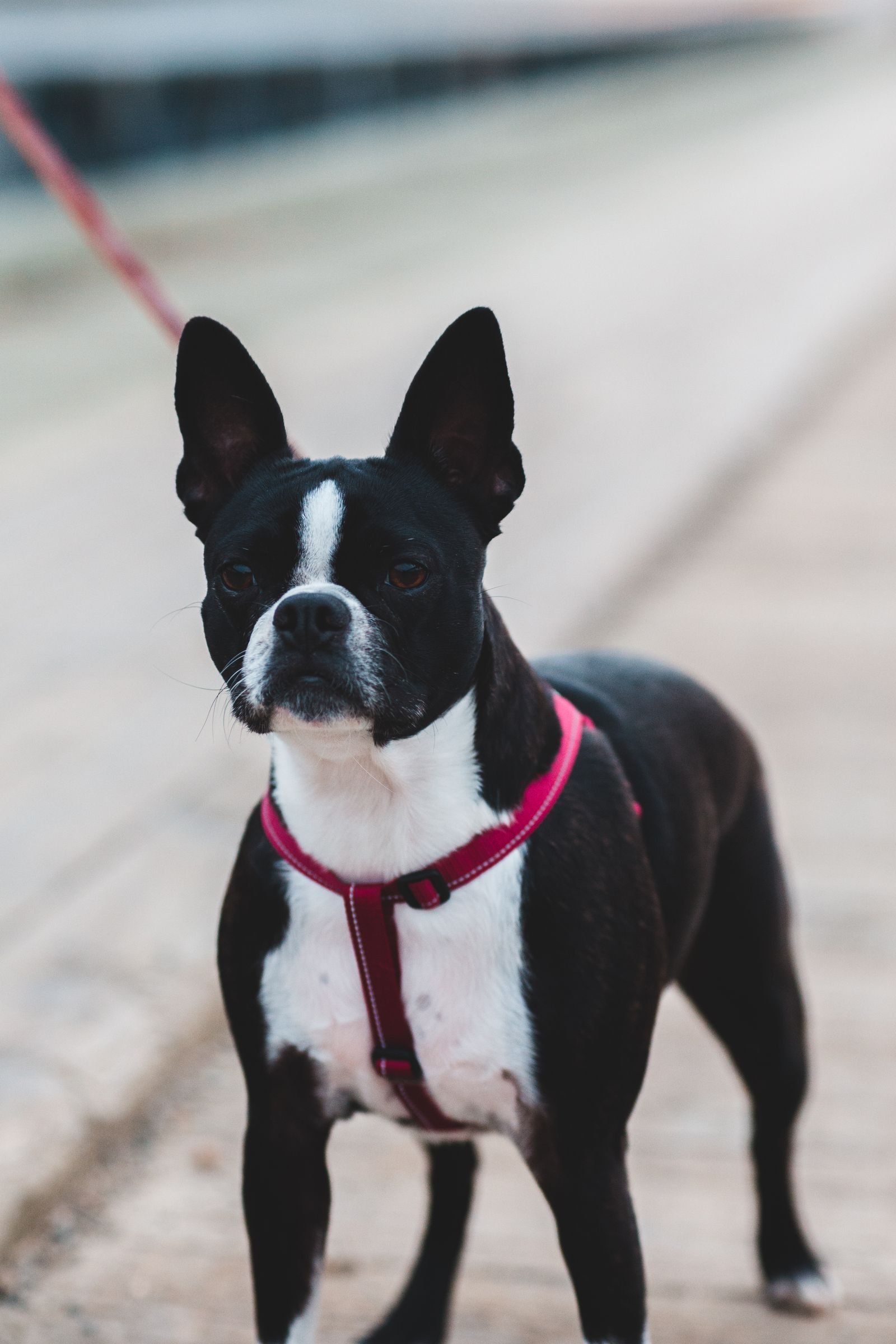
Harness marketing loves the phrase “no-pull.” Treat that as a hope, not a specification: clip position changes the physics of a tight leash, but it does not install manners.
A back-clip harness attaches over the shoulders, similar to many everyday walking harnesses, and is often comfortable and easy to put on. For a determined puller, a back attachment can make leaning forward quite efficient. That is not “bad,” but it may not be the most helpful teaching tool if the goal is to discourage surging.
A front-clip harness has a ring on the chest. When your dog pulls, the leash can guide them slightly to the side rather than rewarding a straight-ahead tractor pull. Used with slack beside you and a calm change of direction when they forge ahead, a front clip can make the conversation clearer. Dogs can still pull in a front-clip harness if the fit is poor or they learn to crab sideways against a tight leash.
A dual-clip harness offers both rings: front clip while you practice through a busy block, back clip later for a sniffy park loop. A double-ended leash on both rings can add steering for a strong dog if it stays gentle, not a way to hoist or pin them.
You do not need specialist face gear for an ordinary puller. If a professional recommends a different setup, ask for a kind introduction rather than using it suddenly on a busy high street.
What to look for instead of a winner list
You do not need a top-ten chart with invented scores—just features that hold up on real sidewalks.
A Y-shaped front. Straps should form a Y that sits on the breastbone area, not a band across the soft throat or a design that blocks the shoulders. Your dog should be able to sniff and take a full stride.
Enough adjustment points. Neck, chest, and girth should all be adjustable if possible. Sizing by weight alone fits some bodies and leaves others with gaps or pinch points.
Padding where it counts. Soft lining on the chest and behind the armpits reduces rubbing. Thick padding is not better if the harness becomes bulky, hot, or twisted.
Secure, simple hardware. Test the buckles before you trust them near a road. Clips should not crack, rust, or pop open. Reflective stitching or a place for a light helps on dark commutes.
Easy on and off. In an apartment you may harness the dog in the hallway while holding keys. A design you can fasten without a puzzle is more likely to be used correctly.
A sensible escape profile. Some slim dogs can back out of a loose harness, so a snug fit is the first defense. Extra safety straps can help; painful cinching cannot. If your dog is an escape artist, practice in an enclosed spot and consider a backup collar with ID.
Skip anything that promises to “stop pulling instantly,” relies on pain, or is hard to adjust. A tactical-looking vest is unnecessary unless you need the extra rings; bulk can make a hallway exit harder.
Fit check points before you leave the building
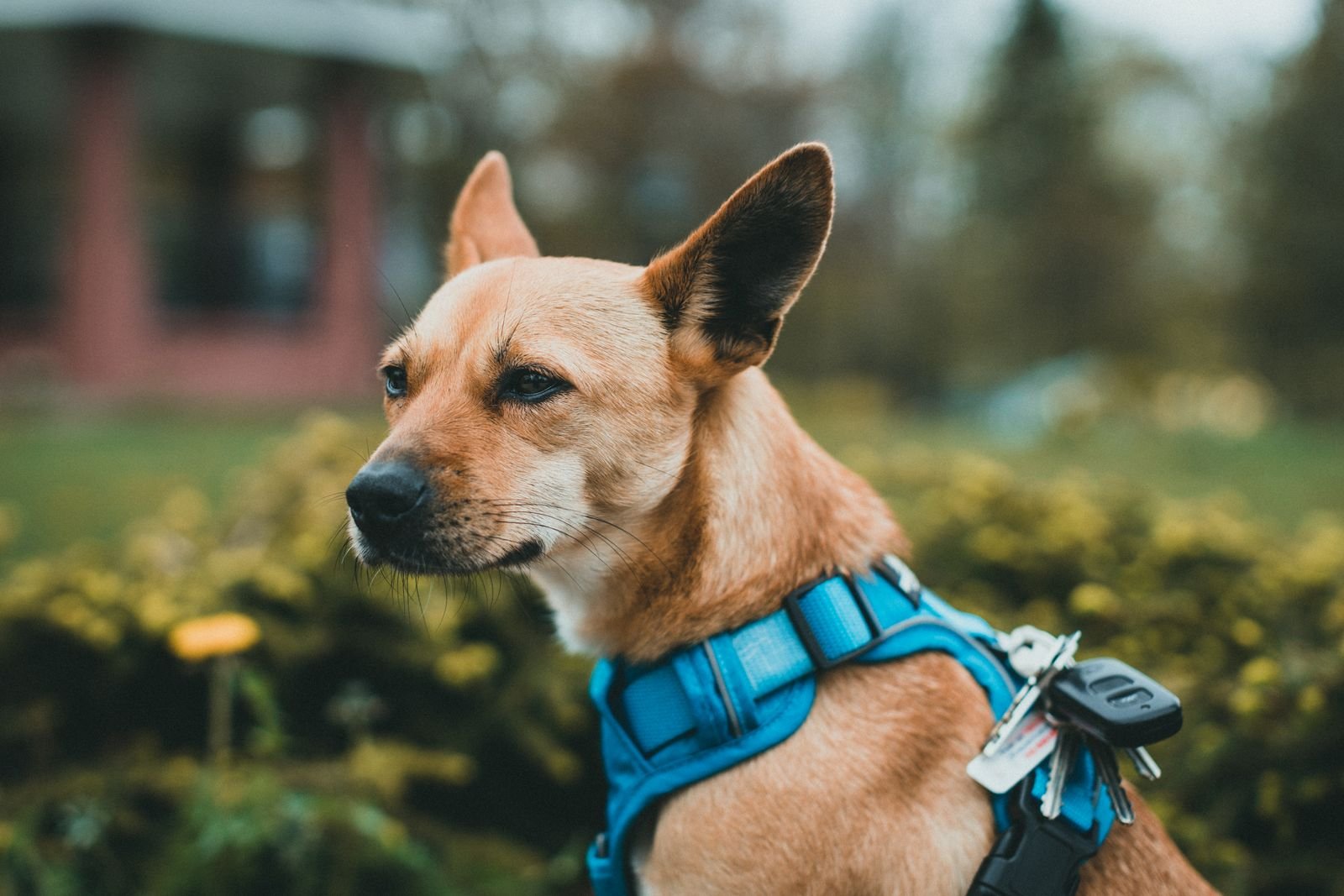
A well-designed harness fitted badly will still rub, twist, or fail to steer. Check it at the door.
- You should generally be able to slide two fingers under the straps without leftover slack.
- The neck opening should not ride up toward the ears or sink onto the throat when the dog pulls.
- The chest clip, if present, should sit centrally, not slide under an armpit.
- Straps behind the front legs should not carve into the armpit or leave a gap the dog can wriggle through.
- After a few minutes of walking, recheck; fur compresses and some harnesses migrate.
- Your dog should walk, trot, and sniff without hopping, shoulder-pinching, or scratching at the gear.
Measure the girth behind the front legs and any other points the brand asks for. If your dog is between sizes, choose the size that lets you tighten without running out of strap.
Red skin, missing fur, or a flinch when you lift a paw means you should adjust or replace the harness. Do not wait for your dog to “get used to” a sore.
Training still matters once the harness is on
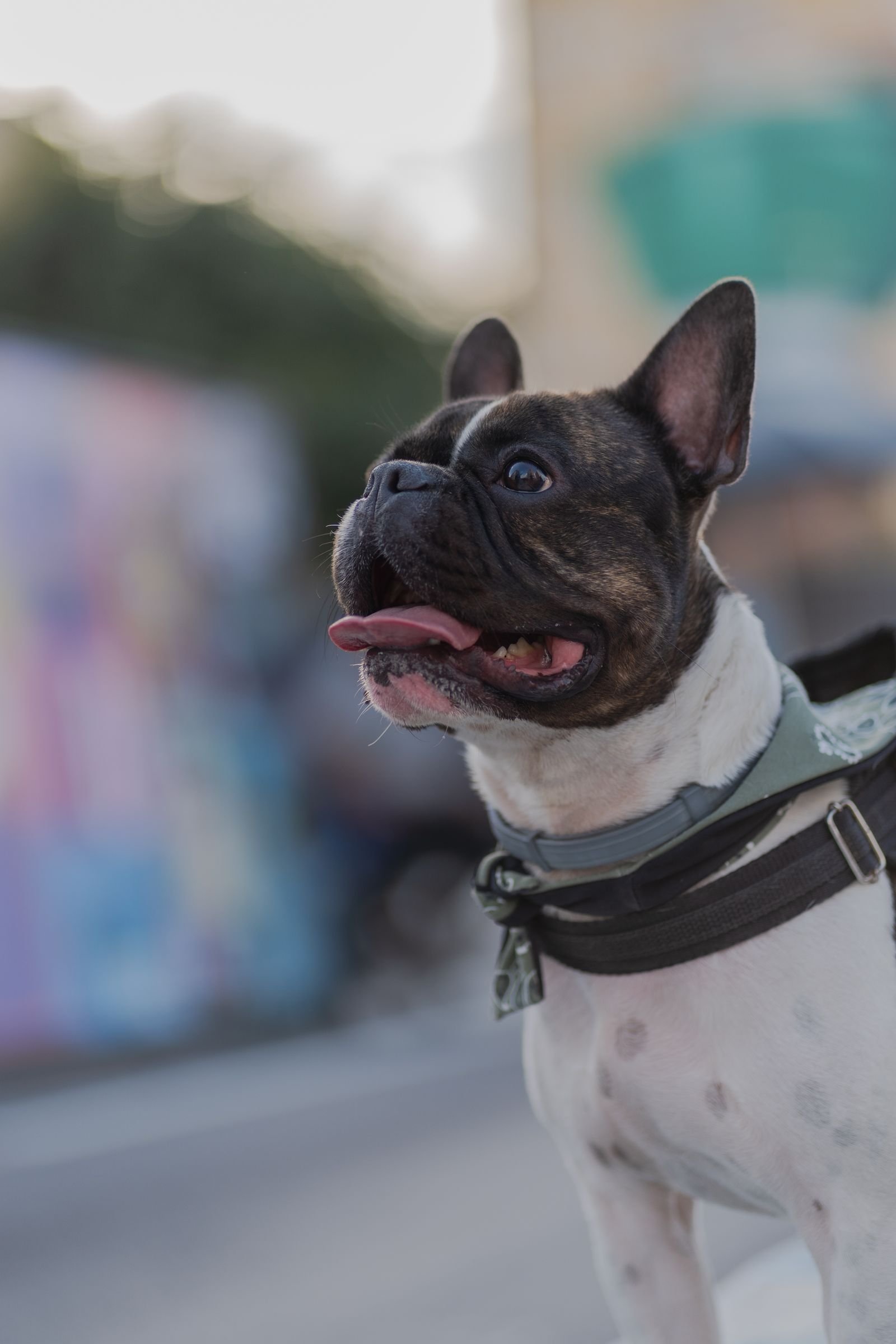
The harness is equipment; the walk is a skill. If the leash is tight from the elevator to the corner every day, your dog is practicing pulling, whatever is clipped to their chest.
Keep the lessons small enough for a Tuesday:
- Reward a loose leash or arriving near you, using part of the daily food if you like.
- If they surge, stop or calmly change direction rather than being towed. When they ease back, move forward again.
- Start on quieter streets before you ask for the same manners on a Saturday high street.
- Lower the excitement at the door with a sit or a pause before the elevator.
You are not aiming for a perfect heel past every tree. Sniff time is part of a good walk. A front-clip harness can make it easier to restart afterward, but only timing and rewards teach your dog that checking in with you is worthwhile.
If leftover energy is the real problem, gear will not be enough. Build a realistic outing rhythm—see how often you should walk your dog—and offer legal indoor jobs. A chew or puzzle after a stimulating street walk can help a small home settle; see best toys for aggressive chewers.
If walks have become tense, a force-free trainer can watch your dog. That is not failure; it is how most people learn a skill that looks simple until traffic arrives.
City and apartment life asks more of the gear
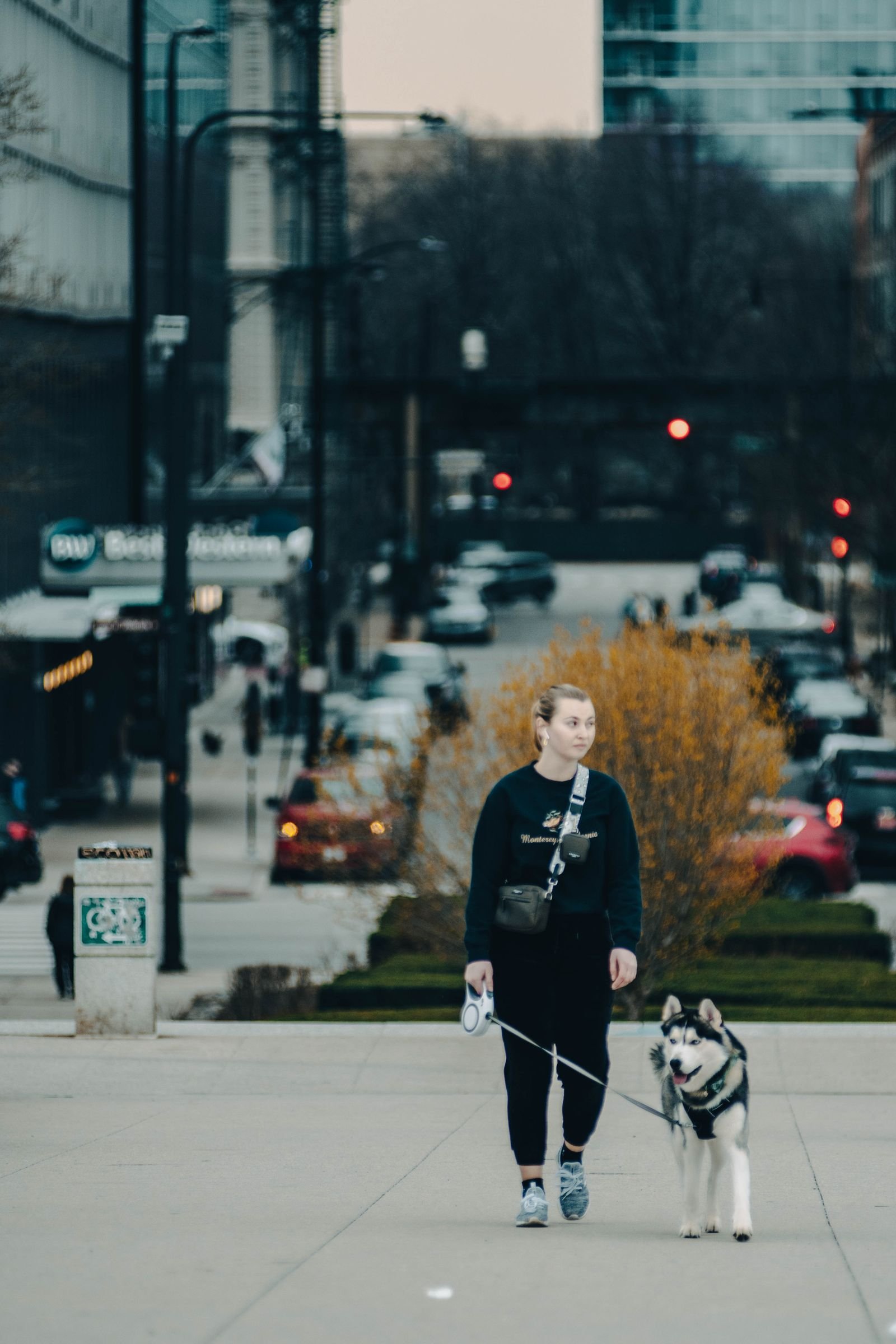
Apartment walking has a prelude: keys, corridor, maybe an elevator, then a door onto the world. Practice calm exits. A harness you can put on without a rodeo helps, as does a short, non-retractable leash on the landing—long enough to move naturally, short enough that your dog cannot reach a neighbor’s dog first.
On the street, reflective details help at dawn and dusk, and a clip you can operate with gloves matters in winter. Skip dangling charms that clank or catch on fences.
After rain or slush, wipe straps and your dog’s armpits so grit does not sit against skin. You rarely need a full bath after every damp outing; drying and brushing are often enough, as we cover in how often to bathe a dog. In heat, a heavy padded harness can run warm—keep walks shorter, choose cooler hours, and never leave a dog in a parked car.
Back at home, some dogs settle better with a predictable rest corner after a busy walk. If you are choosing a crate for limited square footage, see best dog crates for apartments. Take the harness off when you are in so skin can breathe and you can check for rubs.
When a harness is not the whole answer
A new or worse pulling habit can have a physical cause: sore paws, itching, joint pain, or a poorly fitted harness the dog is trying to escape. Have your veterinarian check a dog who suddenly refuses walks, yelps when turning, or coughs when the leash tightens.
Fear and frustration are different from ordinary “let’s go” pulling. A dog who lunges, barks, or shuts down around people, dogs, or traffic needs distance, different routes, and often professional help—not tighter gear.
Puppies need extra kindness. Keep outings short and positive, and refit the harness as they grow—last month’s size can pinch this month. Seniors may pull less, or pull toward home when tired. Watch for stiffness after the walk rather than asking the harness to solve fatigue.
A practical checklist for your next walk
When you choose among the best dog harnesses for pullers, use this list instead of a star rating:
- Decide whether you want a front clip, a back clip, or both. If pulling is the weekday problem, a front or dual clip is usually the more useful start.
- Measure girth and compare with the size chart. Adjust every strap.
- Do the two-finger check, the throat check, and a short indoor walk before you go out.
- Use a predictable leash in busy places. Save long lines for open, safe areas.
- Reward the walking you want. Stop being a ski lift when your dog pulls.
- Recheck fit after a week of real use. Look at the armpits and the chest fur.
- Ask for help if walks remain unsafe or uncomfortable.
The best dog harnesses for pullers are the ones that fit your dog, suit the streets you actually walk, and make kind training easier to repeat. That is a more useful standard than a trophy table when the elevator doors open on a Monday morning.
FAQ
Is a front-clip harness better than a collar for a dog who pulls?
For many pullers, a well-fitted harness is more comfortable than tightening a collar, because it spreads pressure across the chest and shoulders instead of the neck. A front clip can also make it easier to guide a dog who surges ahead. A collar is still useful for ID tags and as a backup. The “better” setup is the one that fits, does not cause rubbing or coughing, and helps you teach a looser leash rather than simply holding on harder.
Will a no-pull harness stop my dog from pulling completely?
Usually not by itself. “No-pull” is marketing language for a design that can make straight-ahead pulling less rewarding, most often with a chest ring. Some dogs improve quickly when the physics change; others learn to pull at a new angle. Lasting change comes from rewarding walking near you, managing exciting streets, and being consistent. Treat the harness as a helpful tool, not a cure.
How tight should a dog harness be?
Snug enough that it does not rotate, slide under an armpit, or come off if your dog reverses, and loose enough that you can generally slip two fingers under the straps. It should not press on the throat or pinch behind the front legs. Recheck after a few minutes of walking, because some harnesses loosen or migrate once the dog is moving. If you see redness or missing fur, the fit is wrong.
Are harnesses safe for daily city walking?
A well-fitted walking harness is a reasonable everyday choice for many dogs, including apartment dogs who walk on pavement most days. Safety depends on fit, buckle quality, and how you use the leash around traffic. Watch for chafing, keep hardware in good repair, and take the harness off at home so you can check the skin. If your dog has a respiratory condition, a chest injury, or another medical issue, ask your veterinarian which style of gear is appropriate.
What kind of harness works best for apartments and busy sidewalks?
Look for a secure, adjustable harness you can put on without a struggle in a hallway, preferably with a front clip or dual clips so you have more guidance on narrow pavements. Reflective details, a strong easy-to-use buckle, and a short, non-retractable leash help in elevators and at crossings. Comfort still comes first: if the harness rubs or restricts the shoulder, it will not be “best” no matter how many rings it has.
[…] but it does not install loose-leash skills by itself. If you are still choosing fit and style, see best dog harnesses for pullers and come back to this plan once the gear sits […]
[…] from choosing a harness. If the main issue is a dog who pulls hard into the equipment, start with dog harnesses for pullers and with fit, not with a heavier lead. If the main issue is slack versus a tight line once you are […]
[…] fastenings without the coat hanging so loose that it swings or twists. If you already walk on a harness designed for pullers, check that the coat and the harness can work together. Some coats are made to sit under a harness; […]