

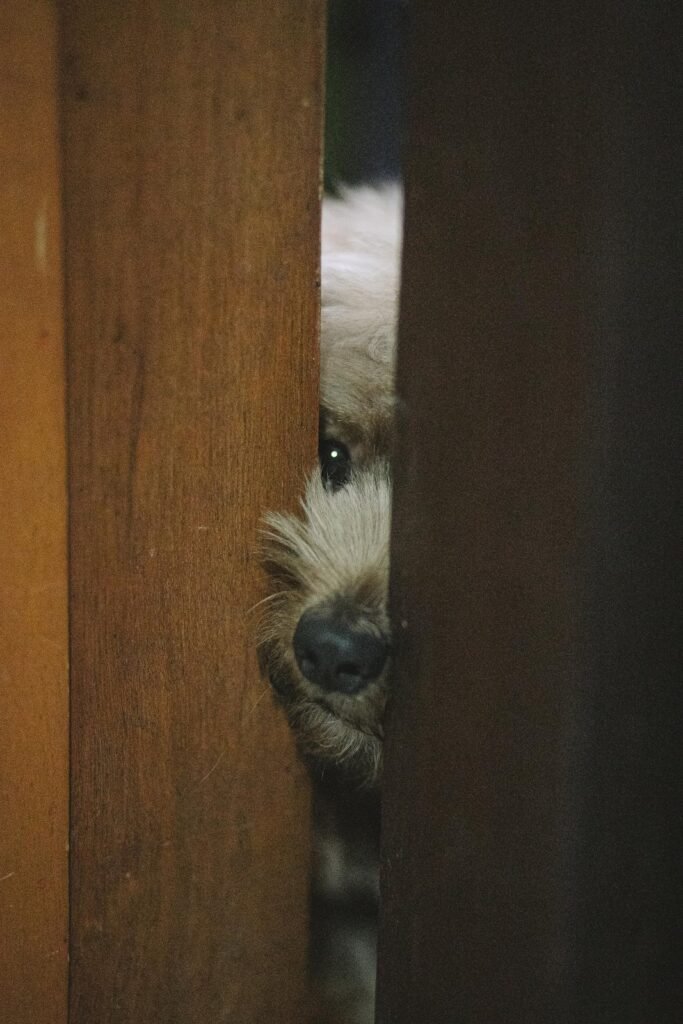
If you want to stop a dog from door dashing, the work starts before the apartment door even moves. In a flat, that opening often leads straight into a shared hallway, a stairwell, or an elevator lobby. A dog that shoots through the gap is not “having a moment.” They are already in a place that is hard to secure.
A practical plan is management first, then a simple turn-back or sit that faces into the home. Put a leash on or use your body as a block before your hand is on the latch. Pay the dog for staying inside when the door opens. Do not turn a hallway chase into a game.
This is general information for dog parents in the US and UK, not a veterinary diagnosis, and not a promise that every dog will ignore an open door after a few sessions. A hallway, stair, or street is not a safe place to see if they come back. If a dog was hit, lost, or seems injured after a dash, contact a veterinarian and local help rather than waiting to find out.
This is the bolt when the door opens, not a wait cue
The job here is the surge through the doorway the moment it opens: a delivery, a roommate coming home, a guest, or you stepping out with bags. It is not a rewrite of how to teach a dog to wait at the door, which is the wait cue once you are already at the threshold and need a calm pause for hallways and elevators. You will use a wait later. First you need the dog not to treat the moving door as a starting gun.
It is also not how to stop a cat from door dashing, which is a different species and a different setup. It is not how to stop a dog from jumping on guests, though guests at the door can trigger both habits. It is not a general settle plan for a small apartment, loose-leash walking on city sidewalks, or recall in a city park. Those skills help later. They do not replace a door that is opened only when the dog is already held or positioned.
Think of four jobs, not one:
- Hold the dog before the door moves. A leash, a hand on a harness, or a clear body-block comes first.
- Teach a turn-back or a sit facing into the home. The dog’s nose points back into the room, not into the corridor.
- Pay staying inside. Food or a calm release happens in the home, not after a sprint.
- Skip the chase game. Running after the dog in the hallway can become the most exciting part of the day.
Manage the door before it moves
Most dashes are won or lost in the second before the latch turns. If the dog is already coiled at the gap, asking for a sit as the door swings is late.
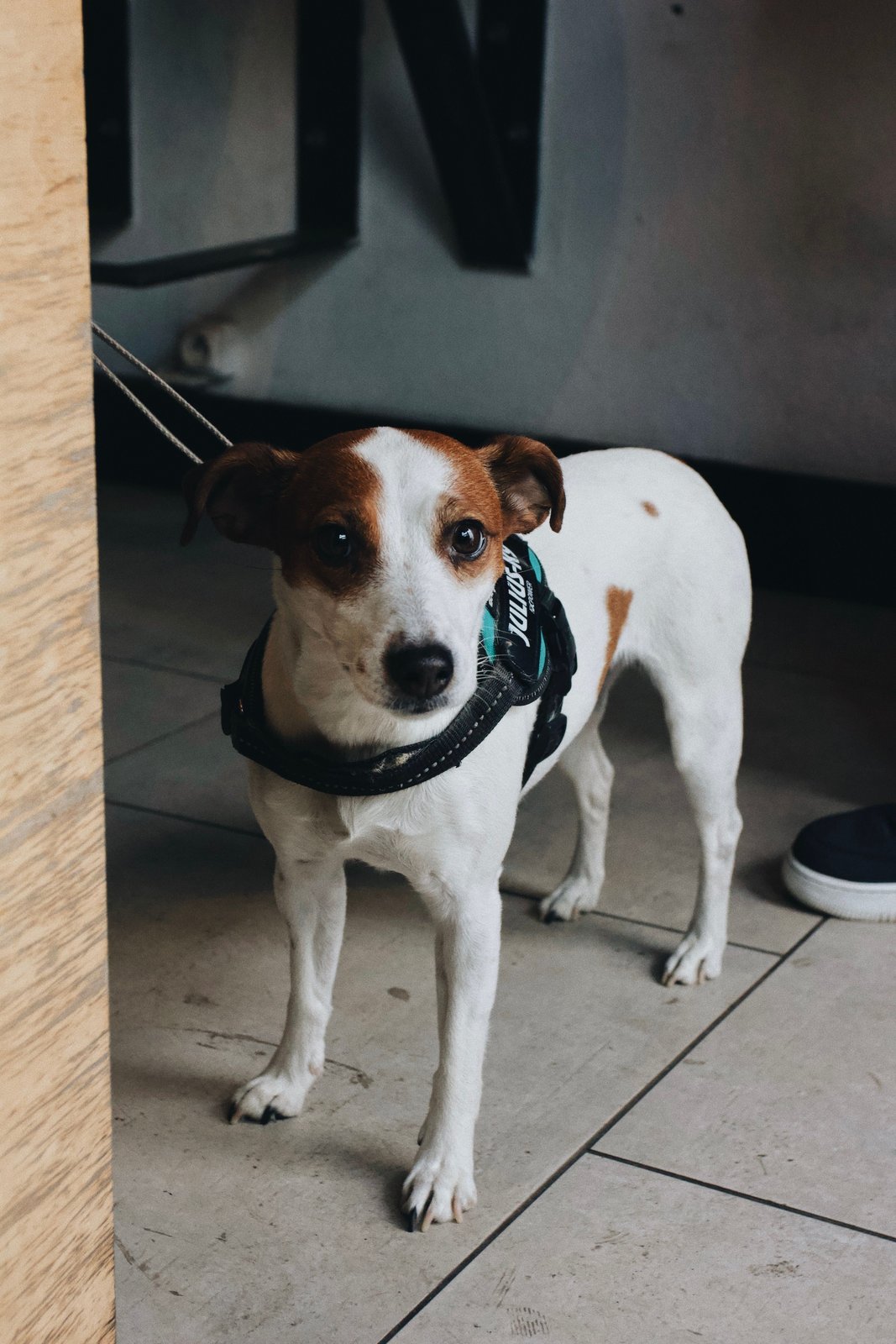
For everyday exits, clip a leash on inside, before you touch the door. A well-fitted harness can give you a steadier handle than a collar if the dog lunges; harnesses chosen for pullers are about fit and control, not a personality change. Keep the leash short enough that the dog cannot reach the threshold, and stand so your body fills part of the opening if you need a second block. Leashes meant for city walks are useful here because you already have one by the door; the point is to use it indoors first.
Practice the sequence when nothing urgent is happening: leash on, dog beside you or slightly behind, then the door. If the dog surges, close the door and reset. Do not open it as a prize for pushing forward.
Coming home needs the same plan. If you are carrying shopping and the dog is already barking at the door, set the bags down in the hallway if it is safe, or clip the leash through a barely opened gap before you step in. If you cannot manage the entry, a crate or a gated room can be part of the setup for short arrivals, as long as the dog is already comfortable there. Crate training in an apartment is a separate, gradual process. It is a management tool, not a punishment for dashing.
When you leave the dog home alone, the risk often happens as you go out and as you come back. A tighter door routine helps more than a long goodbye. If you are still shaping those departures, leaving a dog home alone in an apartment covers the wider day, not the bolt itself.
Do not use a shock collar, and do not slam the door to startle the dog back. Fright at the threshold can make the next exit messier, and it does not teach the dog where to stand.
Teach a turn-back or a sit facing into the home
Once the dog is held, you can teach a position that makes the bolt less likely. Two simple versions work in a small hallway closet of a foyer:
A turn-back. With the door still closed, drop a treat a few steps into the home so the dog turns away from the door to get it. Repeat until the dog swings around when you mark the moment. Then crack the door an inch and do the same. The reward stays inside.
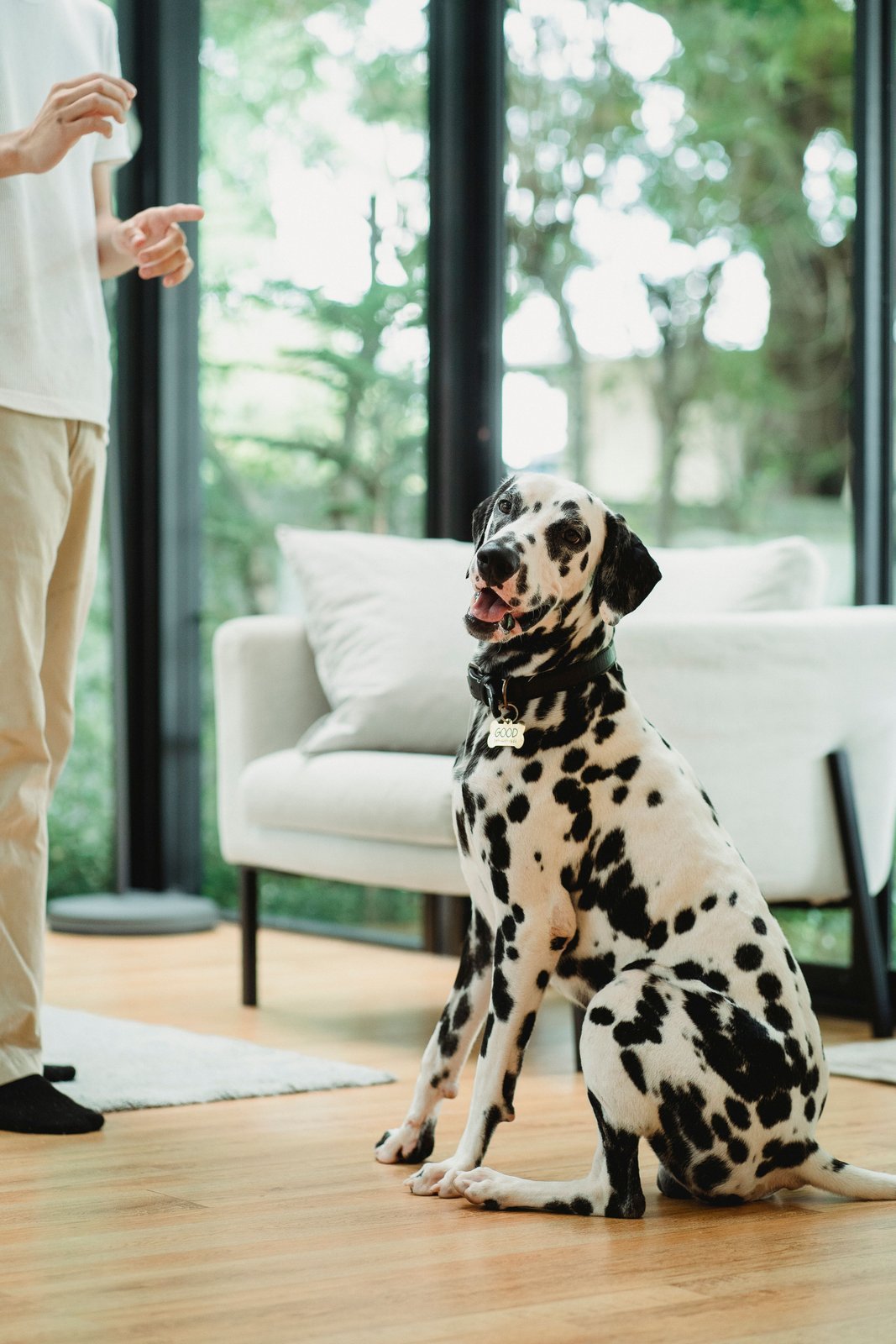
A sit facing into the home. Ask for a sit with the dog’s chest toward the room, not toward the corridor. Feed in that orientation. If the dog spins to stare at the gap, reset and make the opening smaller.
Keep early sessions short. Open the door only as far as the dog can stay put. Close it if they stand and lean. A release word can mean “now we go out together, on leash,” not “the doorway is a race.” This is not the same as a polished wait cue, but it can later connect to the wait you teach at hallways and elevators.
Some dogs need more distance from the door at first. Use the length of the entry, a mat a few steps back, or a baby gate behind you if the layout allows it. Do not claim that a handful of reps will make every dog ignore a wide-open door. Practice on ordinary days, then on slightly harder ones, and keep the leash on until the new habit is more reliable than the old one.
Everyday comings and goings with guests, deliveries, and roommates
The weak points are rarely your own careful exits. They are the people who do not share your plan.
Guests. Brief them before they knock if you can. Ask them to wait in the hallway until you say the door is ready. Have the dog on a leash or behind a barrier, facing into the home, before you open. Give visitors a one-line job: do not cheer, do not reach over the dog, and do not swing the door wide. If the dog also jumps, deal with the bolt first so no one is wrestling in the doorframe; the jumping guide above can sit beside this plan, not replace it.
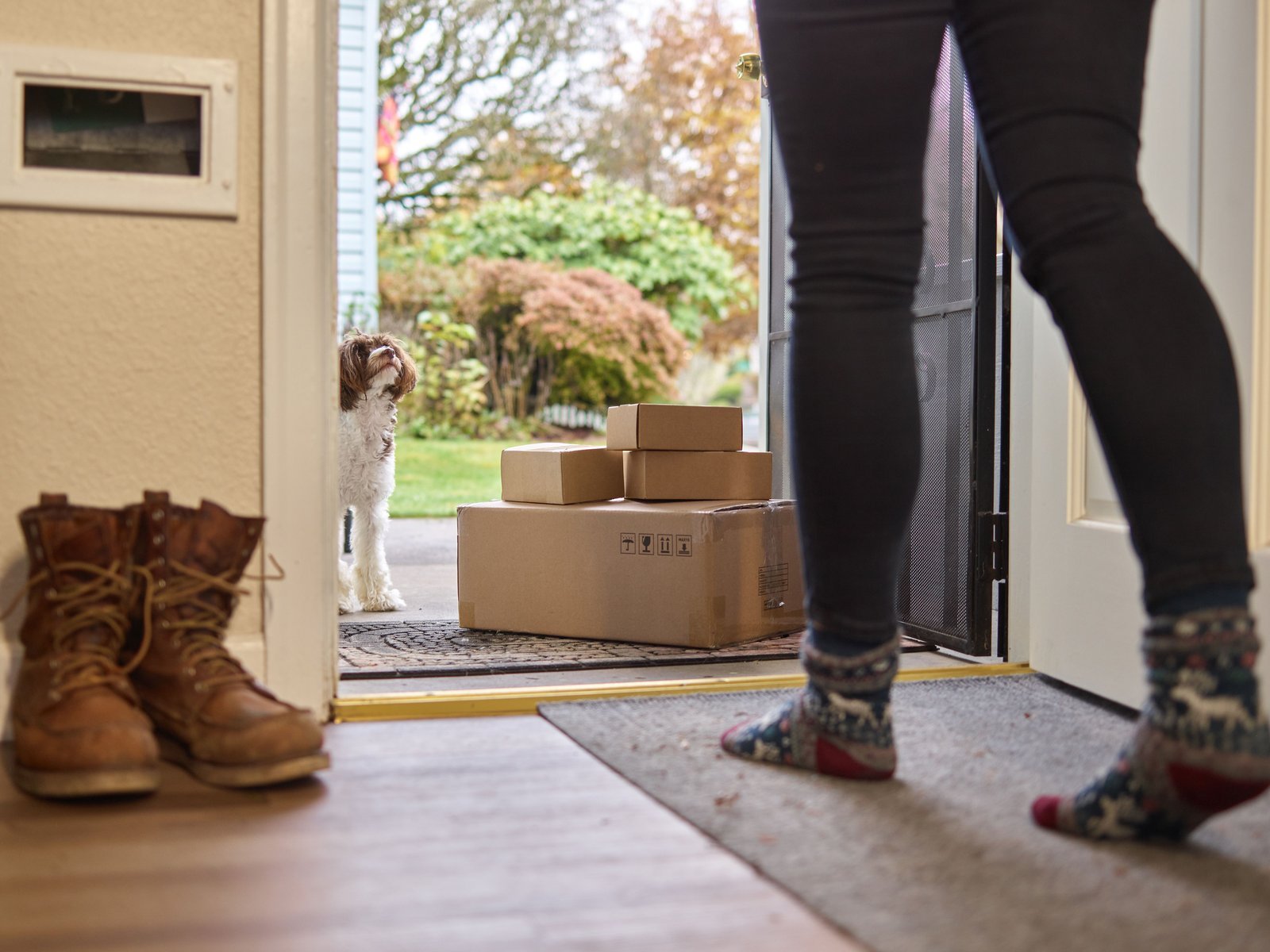
Deliveries. Many apartment dashes happen because a package arrives and the door opens in a hurry. If you can, meet the courier with the dog already leashed or in another room. Put a note on the door, use a locker, or step into the hall yourself and close the door behind you when that is allowed and safe. The excitement of bags and strangers is not a good training test. A photo of a house door already open to parcels, with the dog standing outside among the boxes, is a useful reminder: once the dog is on the wrong side of the threshold, you are no longer training a stay. You are recovering a situation. Keep the dog inside and held before anyone accepts a package.
Roommates and family. Agree on the sequence: leash or barrier first, then the door. A single person who “just pops out” can undo a week of careful reps. Leave a spare leash on a hook that everyone can reach. If one person is not ready to train, they can still follow the management steps.
A dog that can settle on a bed away from the entry will be easier to hold when the buzzer sounds, but settling is a supporting skill, not the whole door plan.
If the dog already ran out
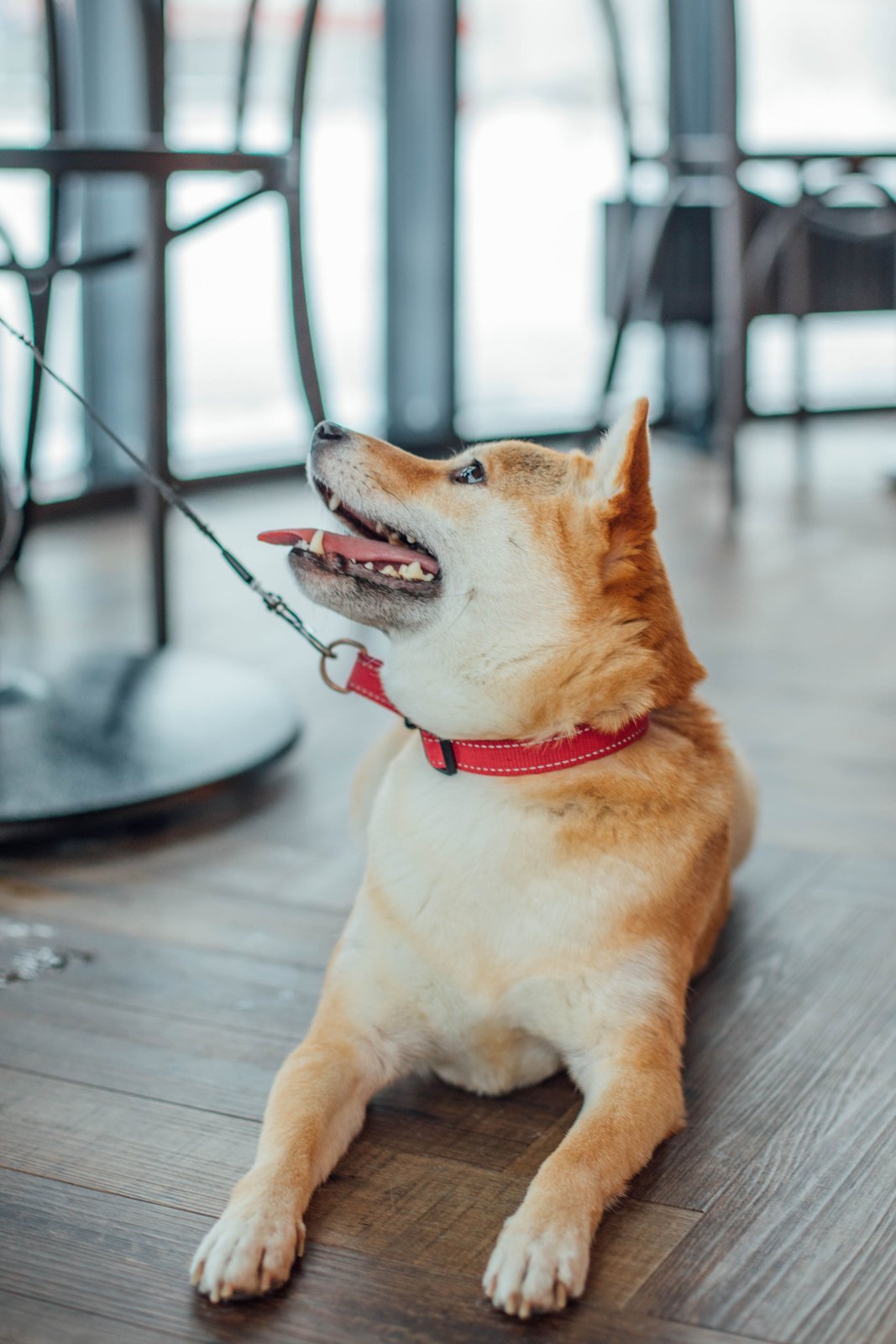
If the dog is already in the hallway, do not turn it into a pursuit. A chase can feel like play, and it can push the dog farther toward the stairs or the street. Close your own door if you can do it without trapping someone else, call the dog in a bright, ordinary voice, and toss food toward them or toward your apartment if they will take it. Crouch sideways rather than looming and grabbing. If they come back, clip the leash on, go inside, and pause before you lecture or celebrate too loudly.
Then tighten the setup. The next exits should be slower and more boring: leash on earlier, a smaller opening, a clear turn-back, and fewer surprise visitors until you have a margin again.
If you cannot get the dog back quickly, ask neighbors for help, check stairwells and the lobby, and go outside with a leash and treats. A park recall is useful if the dog will still come, but it is not a reason to test an unsecured door. If the dog was hit by a car or bike, seems injured, or is missing, that is a veterinary and local-help question, not a wait-and-see. Contact a veterinarian, use local lost-pet channels, and do not assume they will wander home on their own.
A calm starting plan you can repeat
Use this as a first draft, then adjust to your building:
- Clip a leash on or place a body-block before the door moves, including when guests and deliveries arrive.
- Teach a turn-back or a sit that faces into the home, and feed that position inside.
- Open the door only as far as the dog can stay put; close and reset if they surge.
- Brief roommates and visitors so they do not open the door as a surprise.
- If the dog already ran out, recover them calmly, then tighten the routine. Do not treat a hallway, stair, or street as a recall test.
- Skip shock tools and fear-based door slams. Keep sessions short and repeatable.
Door dashing in a building is mostly a safety problem with a training layer on top. The aim is a door you open on purpose, a dog who is already held or turned back, and a hallway that never becomes a game. If something about the dash looks panicked, painful, or suddenly worse, ask your veterinarian to help you sort behavior from health.
FAQ
Will my dog stop bolting out the door after a few sessions?
There is no honest timeline that fits every dog. Some improve once the leash goes on before the latch and the indoor reward is consistent. Others need longer management, especially in a busy building with frequent visitors. Focus on safer exits you can repeat, not on a promise that the habit will be gone in a week or after a handful of practices.
Should I use a shock collar or slam the door to startle my dog back?
No. A shock collar and a fear-based door slam are not part of this plan. They can make the doorway feel unpredictable and do not teach the dog where to stand. Use a leash or a body-block before the door moves, and pay the dog for turning back or sitting inside.
How do I handle roommates, guests, and deliveries?
Treat those openings as part of the plan, not as exceptions. Ask people to wait until the dog is leashed or behind a barrier. Meet deliveries with the dog already held, or step out and close the door behind you when that is safe. Leave a spare leash where everyone can reach it, and agree that no one opens the door as a surprise.
What should I do if my dog already ran into the hallway?
Do not chase them as a game, and do not wait in the stairwell to see if they come back on their own. Call in a normal voice, toss food if they will take it, and clip a leash on as soon as you can. Go back inside, then tighten the setup for the next exit. If the dog is lost, was hit, or seems injured, contact a veterinarian and local help.
When is door dashing a veterinary or emergency issue?
Contact a veterinarian if the dog seems injured after a dash, or if the bolting arrives with sudden panic, pain, or a sharp change in behavior. If the dog is missing or was hit, get local help as well. This guide is general information for an everyday door habit, not a diagnosis and not a treatment plan.