

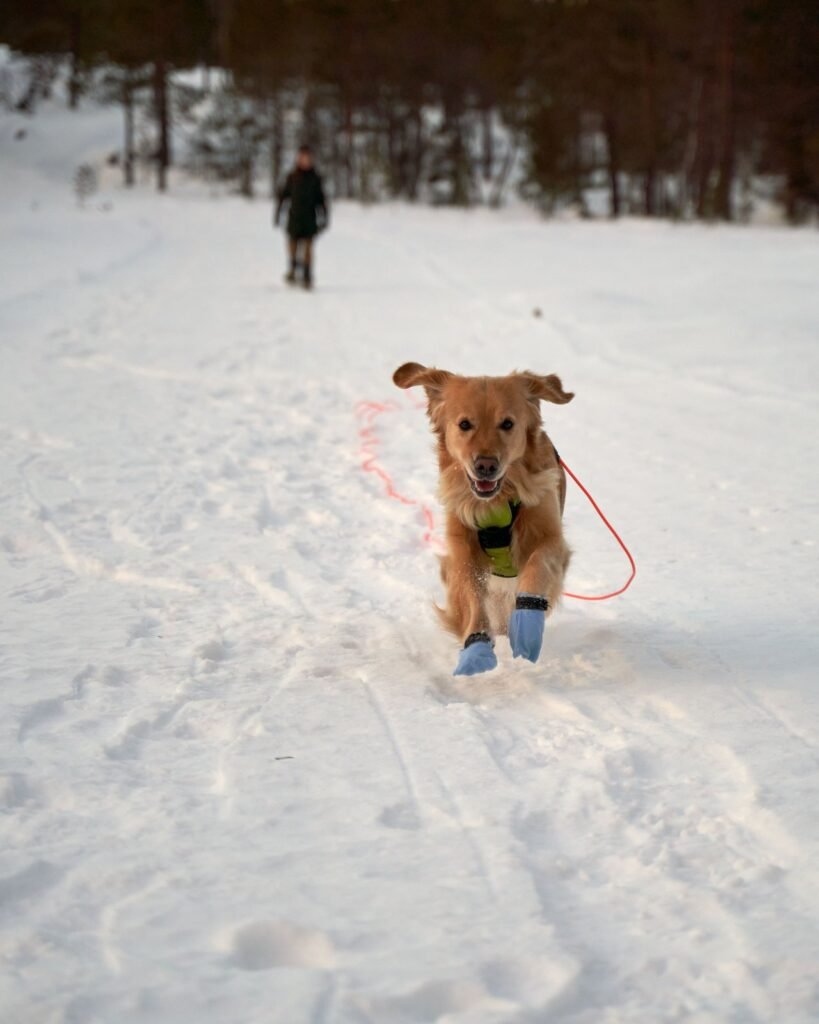
If you are looking for the best long lines for city park recall practice, start with what the tool actually is. A long line is a fixed long lead, often 15 to 30 feet, used so the dog can move away from you in an open area while you still have a safety net. It is not the short leash you hold on a city sidewalk, and it is not a hands-free waist lead for a commute.
This is a gear guide for US and UK dog parents who want a supervised way to practice recall in a legal, open space. It is not a training plan, not a brand ranking, and not a list of the “best” models for 2026. Teaching a dog to come when called in a city park is the companion article for the skill itself. Here the job is to choose a line that fits the setting, sits comfortably in your hands, and does not turn a practice session into a hazard.
What a long line is, and what it is not
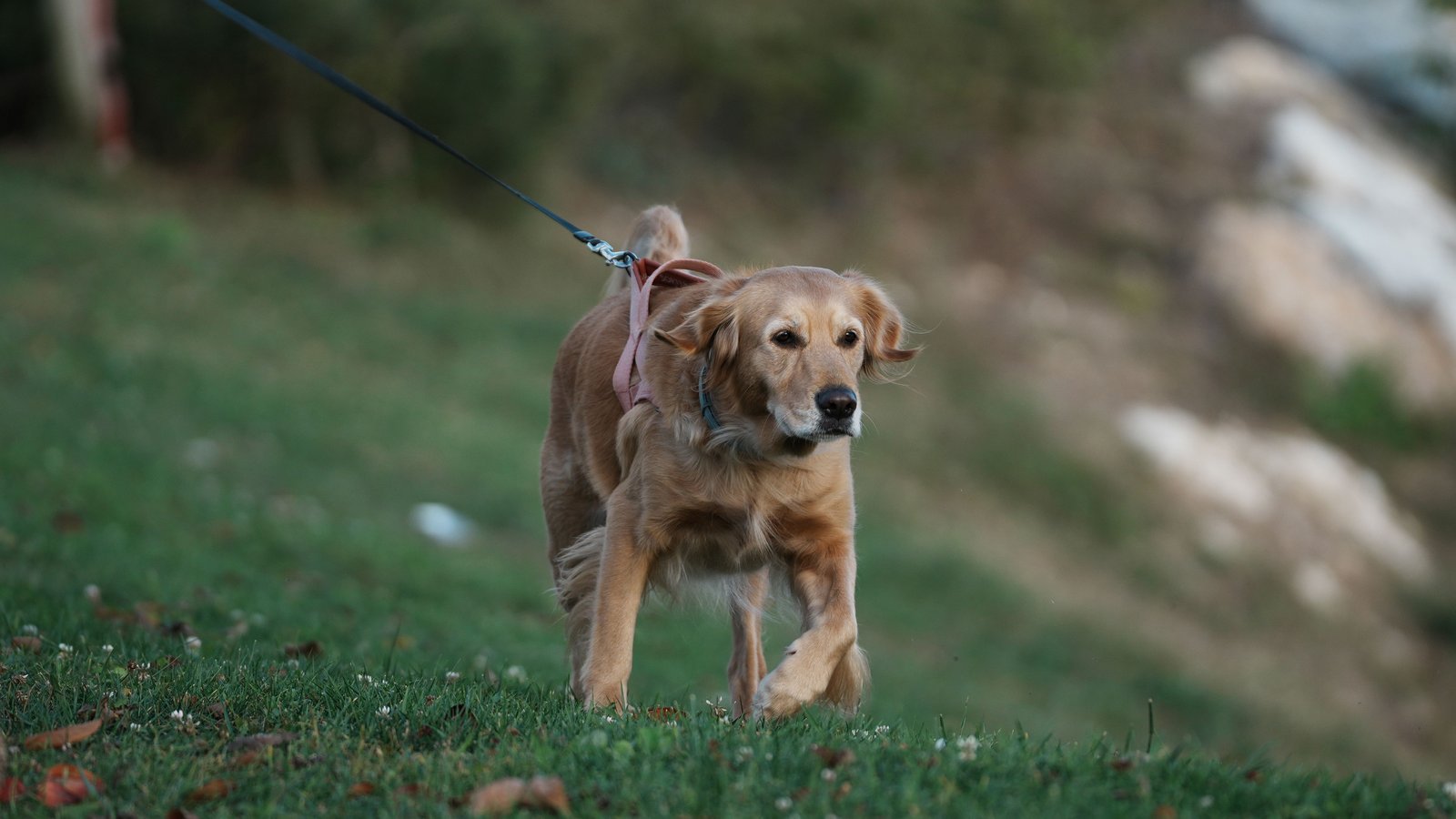
A long line is a fixed length of webbing, rope, or similar material, with a clip at one end and a handle or a gathered end you can hold at the other. Fifteen to thirty feet is a common range for park recall practice: long enough for the dog to move away and come back, short enough that you can still manage the slack. Some people use a slightly shorter line in a smaller field. Longer is not automatically better. A 50-foot line in a busy park is a lot of slack to trip over.
It is not an everyday city-sidewalk leash. Best dog leashes for city walks covers the short, fixed leads you want on a pavement, where you need the dog close and the lead easy to gather. A long line on a crowded sidewalk lets the dog reach a person, a bike, or a bin before you can take the slack up.
It is not a hands-free commuting leash either. Best hands-free leashes for city walks is a separate guide for a waist or shoulder lead you might use on a clearer path. Clipping a 20-foot line to your waist in a park can wrap you as easily as it wraps the dog. For recall practice, you want to be able to change your grip, drop slack, or step off the line, which is harder when it is tied to your body.
A retractable leash is not a stand-in for a long line. The thin cord and moving housing are a poor match for supervised recall work. You cannot easily gather a retractable the way you can a fixed line, and the cord can burn or cut if it wraps a hand or a leg. If you want a long, fixed safety net, use a long line, not a retractable handle with a hidden spool.
When a long line is appropriate, and when it is not
Use a long line in an open, legal area where the line can swing without catching people, dogs, or furniture of the park. A quiet field, a wide empty lawn at an off-peak hour, or a clearly allowed training space can all work, as long as local rules let the dog be on a lead of that length, and as long as you can see the space around the line.
Do not use a long line on a crowded sidewalk. Do not use one on a narrow path, along a playground edge, or at a busy dog-park gate. In those places there is not enough room for 15 to 30 feet of moving slack. The line can wrap a child’s legs, hook a bench, or tangle with another dog who is coming through the entrance. A short, fixed sidewalk leash is the right tool for getting to the park and leaving it. The long line comes out only when you have reached a clear, legal practice area and have looked around first.
Watch the space as carefully as you watch the dog. If a football game starts, a dog group arrives, or the lawn fills up, gather the line and go back to a short lead, or end the session. Helping a dog stay calm around other dogs on city walks is about passing other dogs, not about practicing a long-line come in a sudden crowd. If your dog stiffens, plants, or cannot take food, the setting may already be too busy; signs your dog is stressed can help you read that early.
A long line also does not replace everyday walking practice. Loose-leash walking in the city is the slack-leash skill for a short lead on the pavement. Do not treat a 30-foot line as a way to let the dog pull ahead down the street.
Materials, weight, handle, and hands
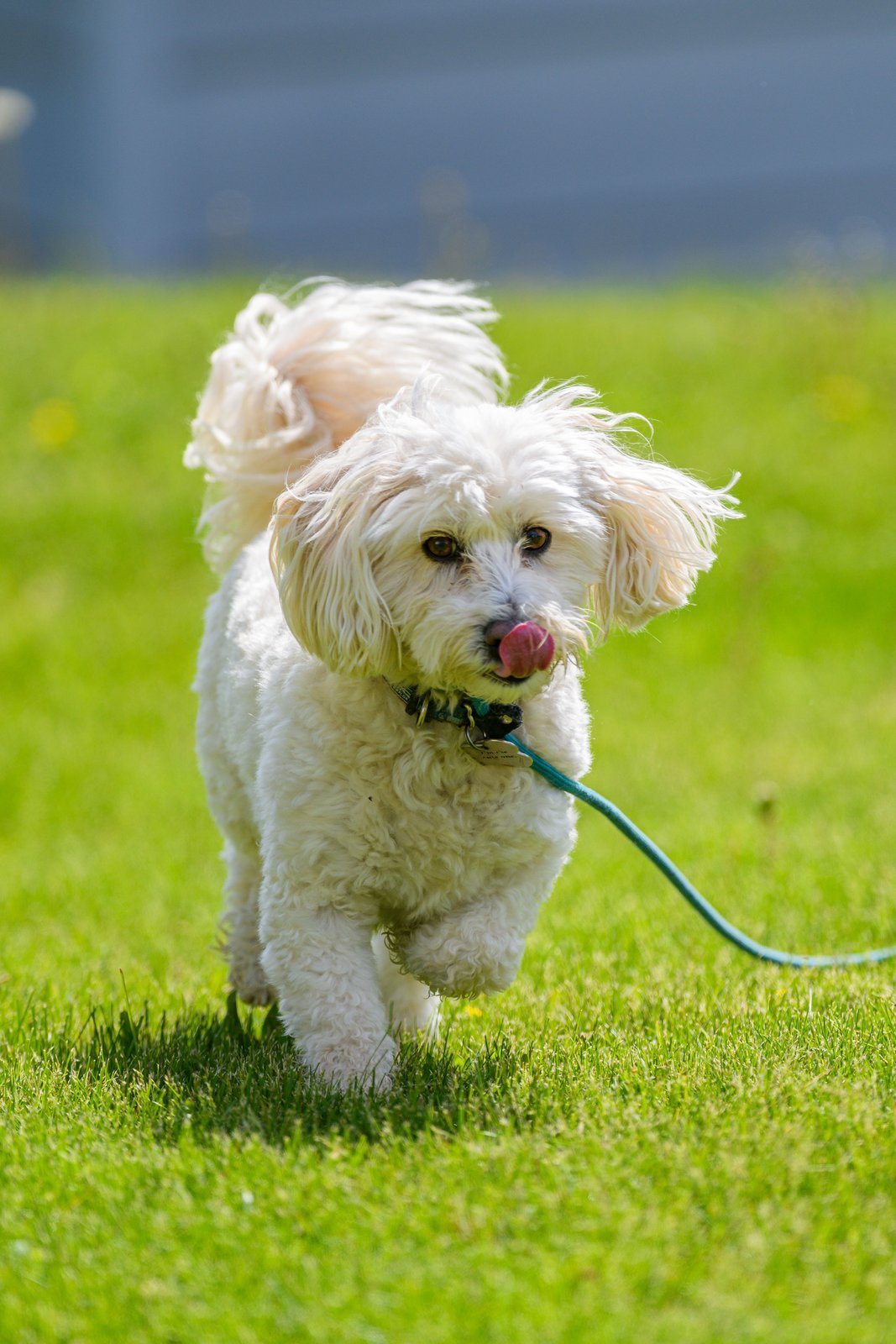
Choose by how the line will feel after twenty minutes, not by how it looks on a hook.
Length comes first. For most city-park recall practice, 15 to 20 feet is enough in a modest lawn. Twenty-five to 30 feet can be useful in a larger, empty field, if you can keep the slack off the ground around other people. If you cannot manage the extra line, a shorter fixed length is safer than a longer one you leave in a heap.
Material and weight come next. Flat webbing is easy to hold and less likely to cut than a thin cord, though it can still burn a hand if a dog hits the end at speed. A light line is kinder for a small dog and less tiring to gather. A slightly heavier line can be easier to find in long grass and less prone to wrapping itself into a knot, but it should not drag a small dog around by the chest. Coated lines shed mud and wet grass more easily than uncoated fabric, which can matter after a damp park session, but any line you can hold, clip, and clean is a reasonable start. This is not a material ranking, and it is not a reason to wait for a particular brand.
The handle matters more than people expect. You want an end you can hold without the line sliding through your palm when the dog moves away, and without a stiff plastic lump that bangs your wrist. Some long lines have a sewn handle. Others are a continuous ribbon you can gather or stand on. Either can work if you can keep a comfortable grip and still let slack out. A loop that closes tight around your wrist can be a problem if you need to drop the line in a hurry.
Have a plan for the slack, or the line will do the planning for you. Too much line on the ground wraps your legs, the dog’s, or a passerby’s. Feed out only as much length as the dog needs, keep the spare in big loose loops or in a gloved hand, and move your feet out of coils. Gloves, or at least a way to keep the line from running hard across bare skin, help if your dog is likely to hit the end. Do not wrap the line around your hand or your waist to “get a better hold.” If it tightens, you want to be able to let go.
Best treat pouches for city dog walks and best training treats for dogs are useful companions once you are actually practicing the come, because you need a hand for the line and a way to pay the dog without dropping everything. They are not a substitute for a line you can manage.
The park itself may also tempt a dog toward dropped food or a bin at the edge of the lawn. Teaching a dog to ignore food and trash on city sidewalks is the sidewalk version of that problem. On a long line, the same rule applies: if the dog can reach a picnic or a bin at the end of 20 feet, you are too close to that edge, or you have fed out too much slack.
Pair the line with a harness, not a collar yank
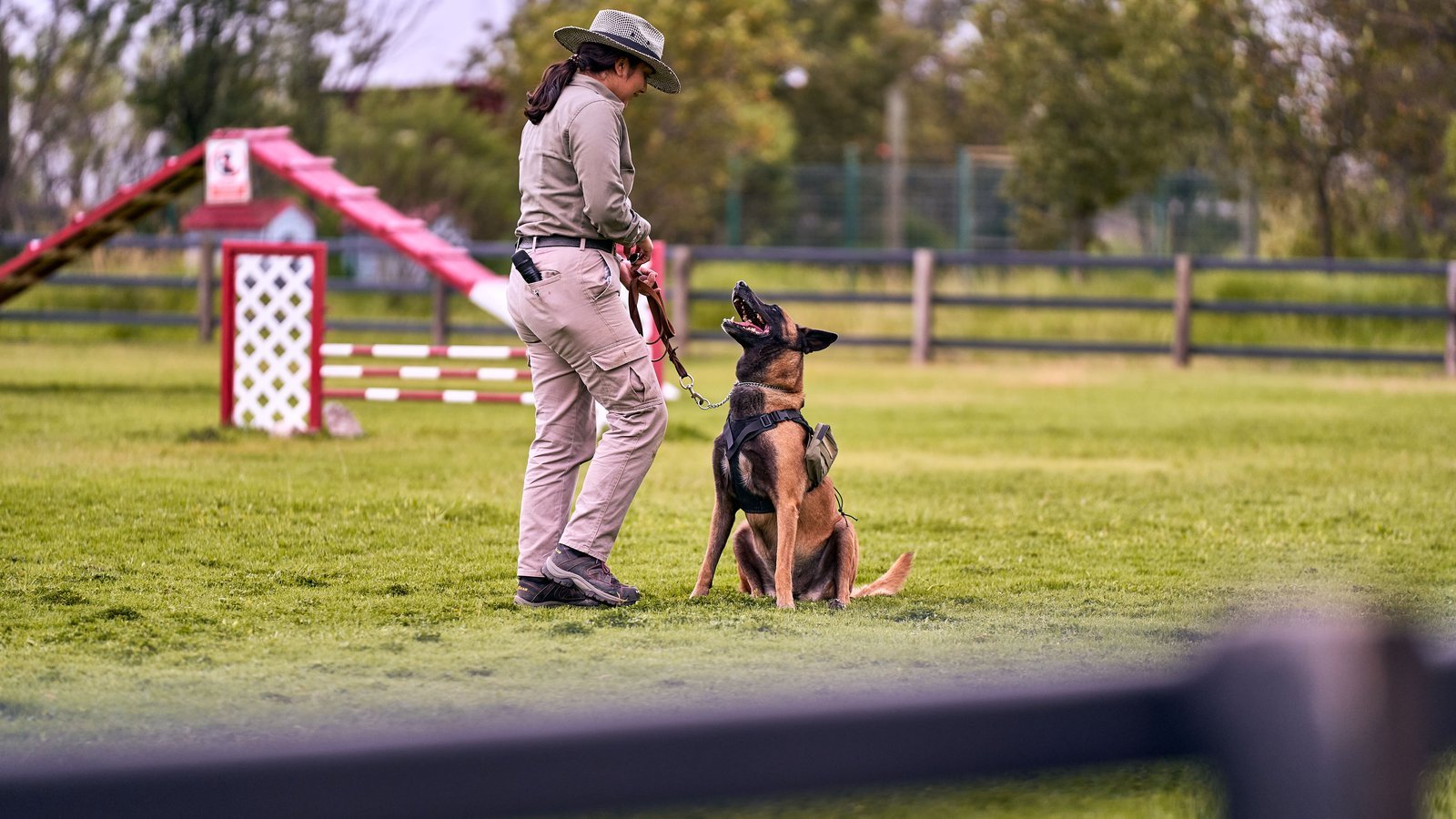
Clip a long line to a well-fitted harness, not to a collar you will yank if the dog runs to the end. A sudden stop on a collar can jerk the neck. A harness spreads that pressure across the chest and shoulders, which is a kinder way to have a safety net during recall practice. The harness should be snug enough that the dog cannot back out of it, with the clip point you actually intend to use. Best dog harnesses for pullers can help if you are still choosing a fit, but this article is not a harness guide. Best dog collars for city walks is likewise a separate topic; a collar can hold an ID tag, and it is not the place to attach a 30-foot line for running practice.
If the dog hits the end, do not answer with a hard pop. Slow the line, bend your knees, and try not to become a rigid pole the dog slams into. The long line is there so you can prevent a run toward a road or a playground, not so you can correct from 25 feet away.
A simple way to choose, and when to put the line away
Choose in this order: the setting, then the length, then a material and handle you can hold, then the harness you will clip to.
- Confirm you have an open, legal area with room for the line to swing, not a narrow path or a crowded edge.
- Pick a fixed length you can actually manage, often 15 to 30 feet, and shorter if the lawn is modest.
- Choose a line you can grip without it cutting or slipping, with a comfortable handle or a gathered end, and a plan for the slack.
- Clip it to a well-fitted harness, not to a collar.
- Walk in on a short sidewalk leash, switch to the long line only in the clear practice space, and switch back before you reach the gate or the pavement.
A long line can be one useful part of an active dog’s week, alongside ordinary walks and time at home. How often you should walk your dog and tiring out a high-energy dog in an apartment are separate questions about the wider routine. The line does not have to do all of that work.
If the park is too busy, if you cannot keep the slack off other people, or if the dog is already over threshold, put the long line away and go back to a short lead, or go home. A well-chosen line is still the wrong tool in the wrong place. Used in an open, legal space, with a harness and a handle you can live with, it is a practical safety net for recall practice, not a shortcut and not a retractable in disguise.
FAQ
Is a 15-foot line long enough for park recall practice?
Often yes, especially in a modest lawn. Fifteen to 20 feet is enough for many dogs to move away and come back while you still have a safety net. A 25- or 30-foot line can help in a larger, empty field, but only if you can manage the extra slack. Longer is not automatically better, and a line you cannot gather is a poor choice in a city park.
Can I use a retractable leash instead of a long line?
No. A retractable leash is not a stand-in for a long line. The thin cord and moving housing are harder to gather, and the cord can burn or cut if it wraps a hand or a leg. For supervised recall practice, use a fixed long lead with a clip and an end you can hold, and clip it to a harness.
Can I use a long line on a city sidewalk or at a dog-park gate?
Not on a crowded sidewalk, a narrow path, a playground edge, or a busy dog-park gate. There is not enough room for that much slack, and the line can wrap a person or another dog. Use a short, fixed sidewalk leash to get there and leave, and bring the long line out only in an open, legal practice area.
Should a long line clip to a collar or a harness?
Use a well-fitted harness, not a collar yank. If the dog runs to the end of a 20- or 30-foot line, a sudden stop on a collar can jerk the neck. A harness spreads that pressure. The harness should be snug enough that the dog cannot back out of it.
Do I need a particular brand or a “best for 2026” model?
No. Choose by length, material, handle, and setting, not by a ranked list or a year label. A flat line you can grip, with a comfortable end and a length you can manage in the space you actually use, is more useful than waiting for a named model. Keep the slack off the ground, and put the line away if the park gets too busy.