

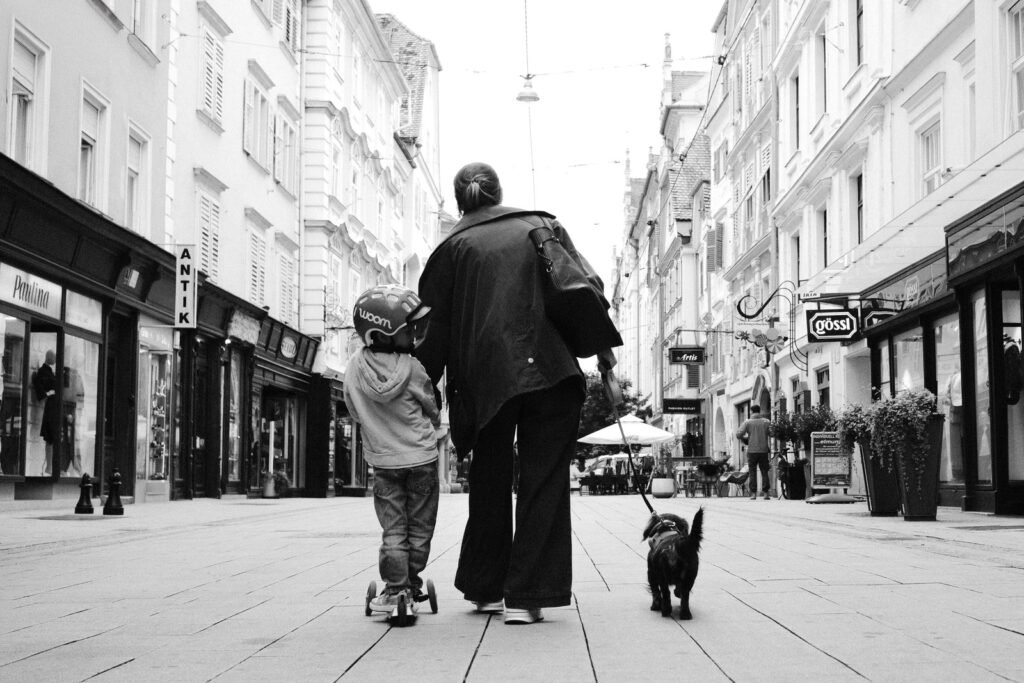
If you are looking for the best poop bag dispensers for city walks, the useful test is not a long brand list. It is whether you can open a roll with one hand while the other holds the leash, whether the case stays shut in a pocket or on the lead, and whether bags stay inside instead of dumping onto the sidewalk.
This is a practical carry guide for US and UK dog parents who walk in towns and cities, not a ranked test, not a price list, and not a review of bag brands. It will not tell you to leave waste on the street. A dispenser is only doing its job if you can reach a bag at the moment you need one and then get that waste to a bin.
What a city-walk dispenser actually has to do
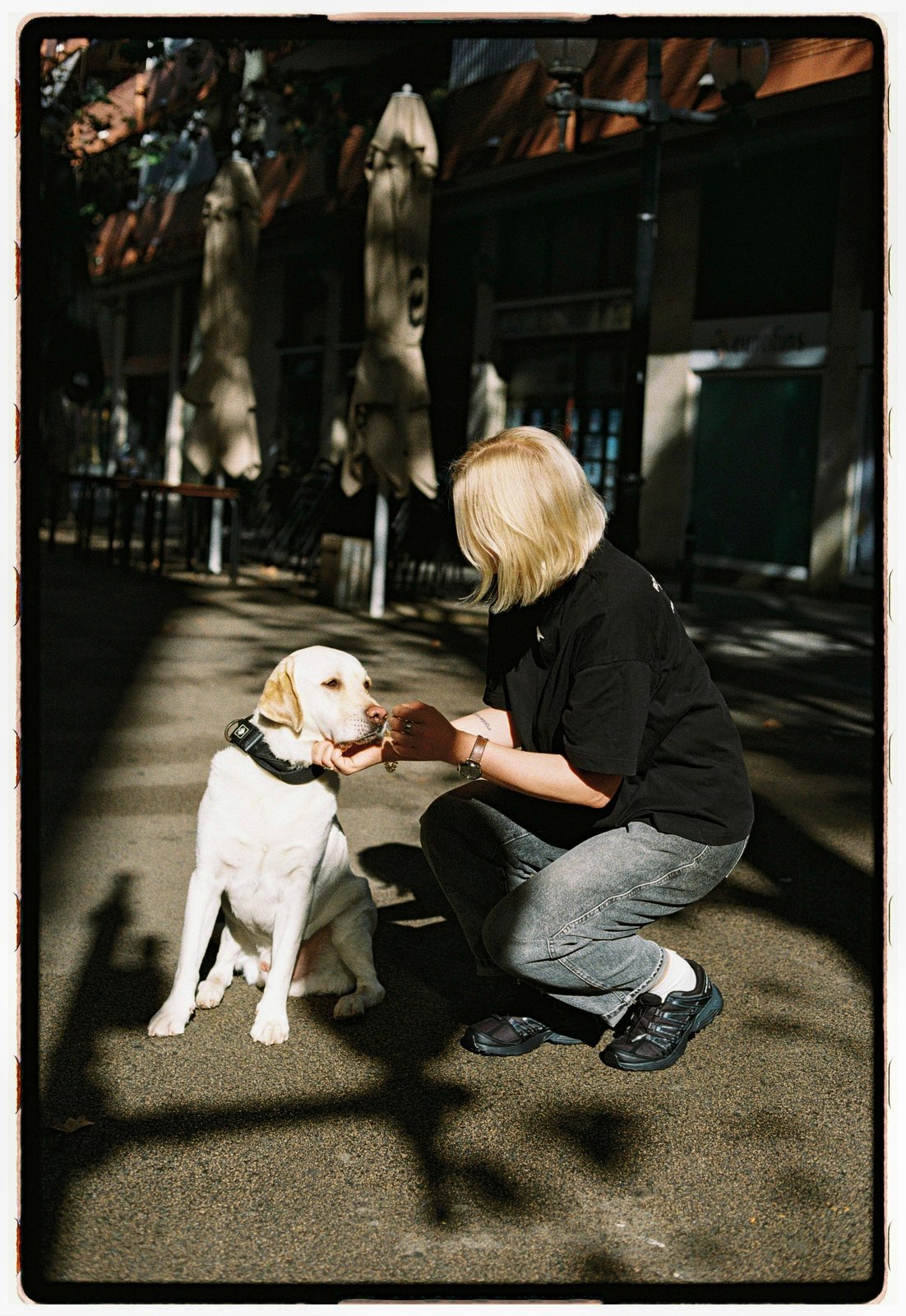
On a city sidewalk you rarely have two free hands. One hand is on the leash. The other may be holding keys, a travel bottle, or a phone. A dispenser has to present a bag you can pull and open without putting the leash down, and it has to stay closed the rest of the walk so the roll does not unravel in a pocket or bounce out at a curb.
That is a different job from choosing the lead itself, which belongs in best dog leashes for city walks. It is also different from choosing where treats live, which we unpack in best treat pouches for city dog walks. This article stays on how you carry and reach bags.
A case that pops open when you sit on a train, clip the lead to a belt, or squeeze through a crowded crossing will scatter bags at your feet. Look for a lid or a slit that stays shut until you want a bag, and a clip or sleeve that does not spin around the leash every time the dog changes sides. If you walk after dark, you still need that same one-handed reach, even if you also carry a light. Best reflective gear and lights for dog night walks and how to walk a dog at night in the city cover visibility and the night route. They do not replace a bag you can actually find in low light.
Clip-on, leash sleeve, or a pouch compartment
Most city walkers end up with one of three setups.
A clip-on case attaches to the leash handle, a belt loop, a collar ring, or a pouch strap. It is easy to move between leads and easy to take off when you wash the leash. The trade-off is bounce. A heavy case on a thin lead can swing, and a weak clip can twist. If you clip to the collar, remember that best dog collars for city walks is about the collar itself; a dispenser hanging from the ring should be light enough that it does not swing into the dog’s face.
A sleeve or a small case that sits on the leash itself keeps the bags near your hand and out of your pockets. It works well if you use the same lead every day. It works less well if you switch leads, use a retractable handle you do not want a case sliding on, or walk with a hands-free leash, where the bag may sit at your waist instead of in your fingers. On a waist lead, a case that lives on your belt or pouch is usually easier to reach than one that has slid down the line.
A compartment in a treat pouch can be enough when the pouch already has a dedicated bag pocket with a lid or an elastic that stays closed. That is often the cleanest setup on a short loop: treats in one pocket, bags in another, and nothing extra swinging on the leash. It fails when the bag pocket is just an open slot, when treats and bags get mixed, or when you do not wear the pouch on every walk. In those cases a dedicated dispenser is worth adding, either clipped to the pouch or to the lead, so you are not digging for a bag under loose treats.
Walking two dogs makes the one-handed test stricter. You may have two leads and less spare attention at a curb. How to walk two dogs at once on city sidewalks is the walking plan. For bags, pick a dispenser you can open without rearranging both leads, and consider a second stash so one empty roll does not leave you with two dogs and no bag.
Refill fit, bag thickness, and a second stash
The dispenser is only as useful as the roll that fits it. Before you buy a stack of bags, check the roll’s diameter and the size of the opening. Some cases only take a narrow grocery-style roll. Others take a wider bone-shaped or standard refill. A roll that is slightly too wide will jam. A roll that is too thin will rattle and unwind.
Bag thickness and leak resistance matter as compatibility, not as a quality score. A thicker bag may not pull cleanly through a tight slit. A very thin bag may pull easily and then tear when you need it most. Match the bag to the dispenser you already like, and test one roll at home before you rely on it at a busy crossing. This guide will not rank brands or quote test scores.
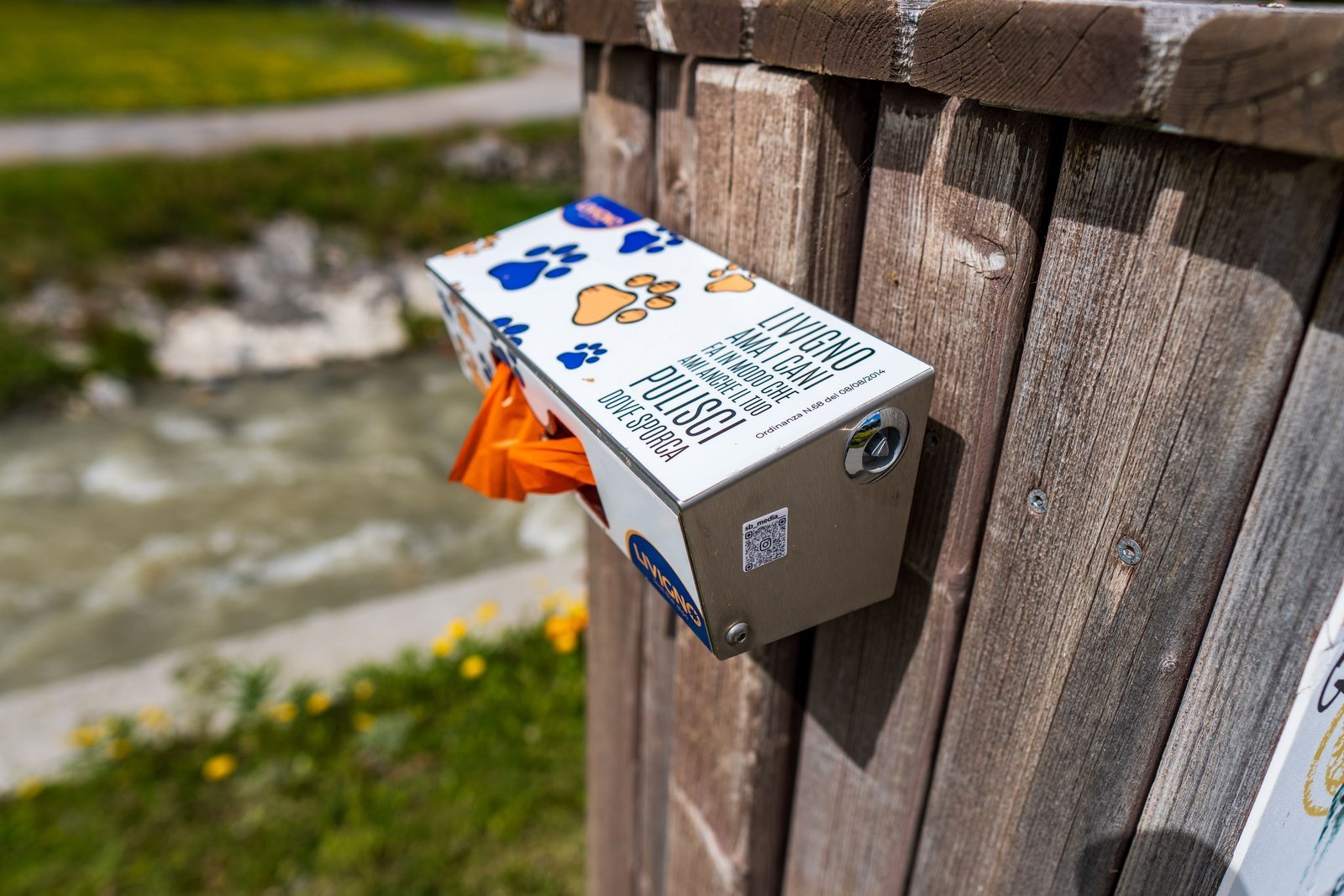
A public bag station on a fence or a park path can be a useful backup when one is actually stocked, but it is not a plan. The box in the photograph above is a public dispenser on a wooden fence, not a clip-on you carry on the leash. In a city, those stations are uneven: some blocks have them, many do not, and an empty box does not help you on the way home. Carry your own roll.
On a short neighborhood loop, one full roll in a case that stays shut is usually enough. On a longer loop, or on a day you already know will include a park and a walk back through busy streets, a second stash is worth it. That can be a spare roll in the pouch, a second small case on the leash, or a few folded bags in a zipped pocket. Put the spare where you can reach it with one hand, not at the bottom of a tote.
Other walk gear should not steal the place you keep bags. A travel water bottle and a collapsible bowl are useful on longer outings, but they belong in a pouch or a bag of their own. If the only pocket on your pouch is packed with a bottle, the bags need a dedicated dispenser so they are not the first thing you leave at home.
When a pouch pocket is enough, and when a dedicated dispenser is worth it
A built-in pouch pocket is enough when all of these are true: you wear the pouch on almost every walk, the pocket closes, you can pull a bag with one hand, and the roll does not escape when you jog for a light or squeeze past a buggy. If any of those is missing, add a dedicated dispenser.
A dedicated case is also worth it if several people walk the dog with different pouches, or if you sometimes take only a leash and keys. A clip-on that lives on the lead will be there even when the pouch stays on the hook. That is often the more reliable setup for a weekday commute walk, when you are less likely to dress the dog in a full kit.
Do not treat a random carabiner or an open treat pocket as a dispenser. If the official job of the pocket is treats, and bags fall out whenever you take a treat, you do not yet have a bag system. The same is true of a loose roll stuffed into a coat: it may work on a calm day and dump bags the first time you reach for your keys.
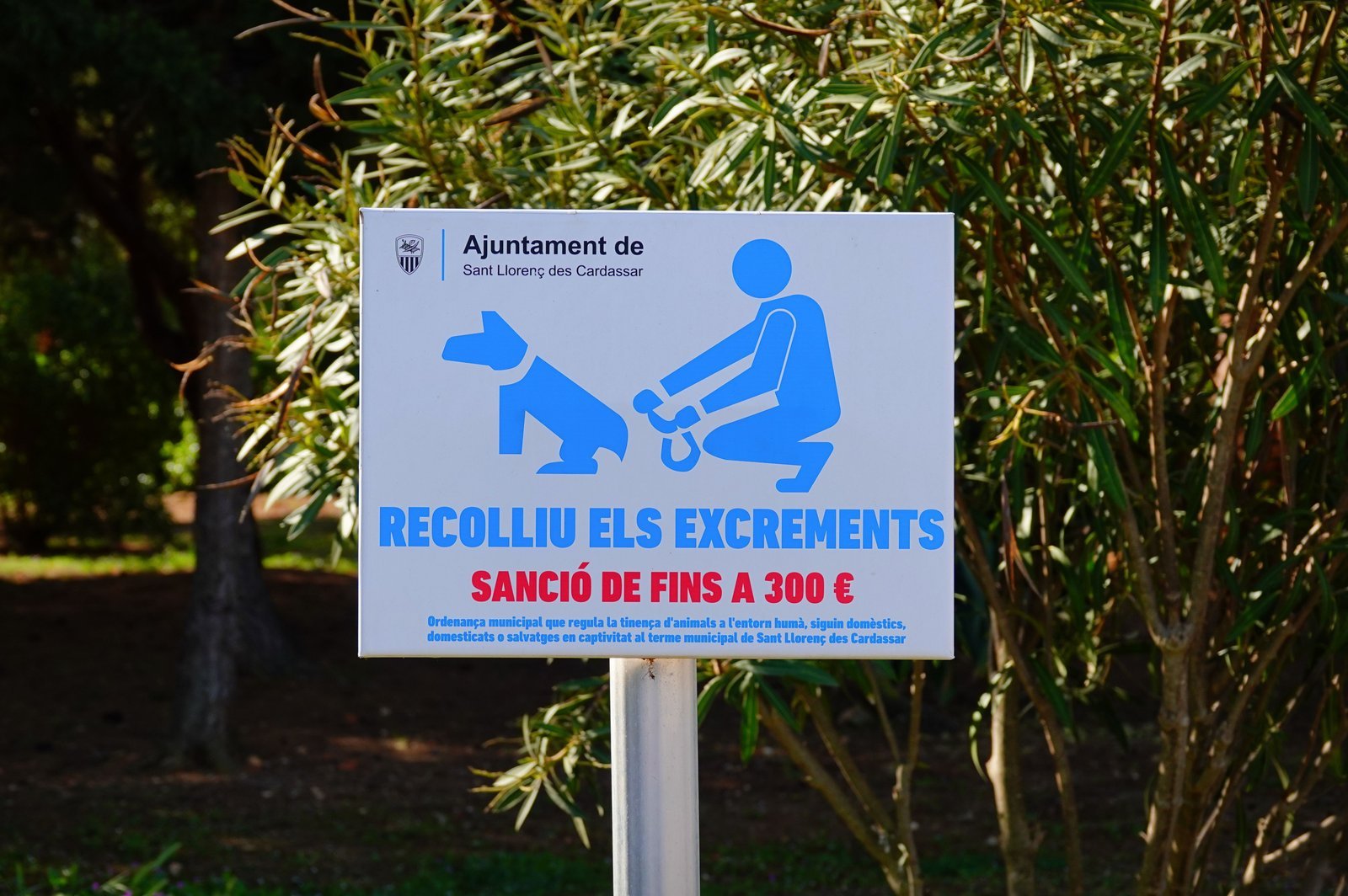
However you carry the bags, use them. Leaving waste on the street is not a backup plan, even on a short loop or at night when bins look scarce. A posted sign or a public bag box can remind you, but they do not do the work if your own roll is empty. If you are still shaping the walk itself, how often you should walk your dog can help you plan a routine you can keep. The dispenser is there so that routine includes a bag every time.
If a walk often ends with you hunting for a bin, note the bins on your usual loop the way you already note crossings and quiet side streets. A bag you have already used still has to travel with you until you find one. That is easier when the dispenser, the spare roll, and your pockets are not already full of other kit.
A starting plan you can actually carry
Use this as a first draft, then adjust it to your leash and your routes:
- Choose a setup you can open with one hand: a clip-on, a leash sleeve, or a pouch pocket that actually stays closed.
- Check that your usual refill roll fits, and that the bags pull without tearing or jamming in the opening.
- Keep the case where it stays shut in a pocket or on the lead, and test it on a short loop before a long one.
- Add a second stash for longer walks, and do not rely on a public bag box being full.
- If several people walk the dog, put a dispenser on the lead so it goes out even when a pouch does not.
- Carry the bags, then use them. Do not leave waste on the sidewalk.
A good city-walk dispenser is a quiet piece of kit. You notice it when it stays closed, when a bag is there at the curb, and when you do not have to rummage under treats or a bottle. You do not need a ranked list to get that far. You need a roll that fits, a case that stays shut, and a habit of putting waste in a bin before you head home.
FAQ
Do I need a dedicated dispenser if my treat pouch already has a bag pocket?
Not if that pocket closes, holds a roll, and lets you pull a bag with one hand on a real sidewalk. Many walkers are fine with a well-designed pouch pocket on short loops. Add a dedicated dispenser if the pocket is open, if bags and treats mix, or if you sometimes leave the pouch at home and take only a leash.
Should I clip a dispenser to the leash, the collar, or my belt?
Clip it where you can reach it with one hand and where it will not swing into the dog’s face. The leash handle, a belt loop, or a pouch strap is usually more comfortable than a heavy case on the collar ring. On a hands-free waist lead, a case at your hip is often easier than one that has slid down the line. Try your usual walk before you settle on a spot.
What if the refill rolls I buy do not fit the dispenser?
Stop forcing them. A roll that is too wide will jam; a roll that is too narrow may rattle and unwind. Check the opening and the roll diameter, and test one pack at home. It is better to change the bags or the case than to walk with a dispenser you cannot actually use. Thickness matters too: a bag that tears when you pull it is the wrong match for that slit.
Do I need a second stash on a longer city loop?
Often yes. One roll is usually enough for a short neighborhood walk, but a longer loop, a park stop, or two dogs can empty a case faster than you expect. Carry a spare roll in a closed pouch pocket or a second small case. A public bag station is a bonus when it is stocked, not a plan you should count on.
Is it ever all right to skip a bag if the street already looks messy?
No. A dispenser is there so you can pick up after your dog, even on a short loop, at night, or when the nearest bin is a block away. Carry the waste to a bin. Do not leave it on the sidewalk, and do not use an empty dispenser as a reason to skip the job. If your case is often empty, fix the refill habit, or add a second stash, before the next walk.