

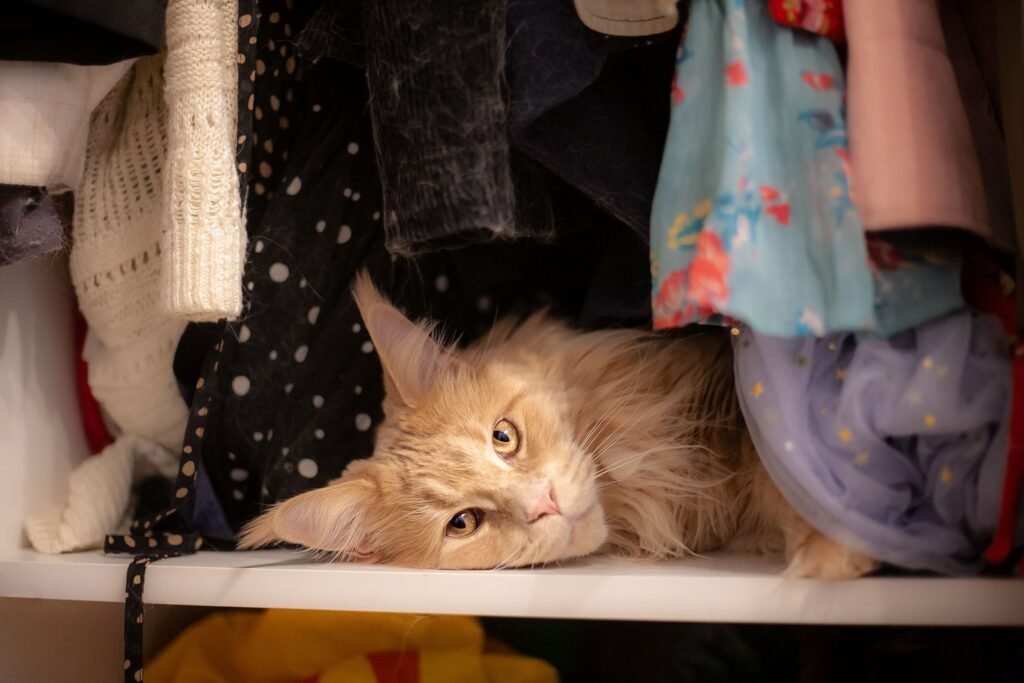
If you need to help a cat stay calm during thunderstorms or fireworks in an apartment, start with a comfort plan the cat can actually use, not with a plan to make the cat social during the loudest hour. A cat cannot be walked away from the noise. In a small apartment the sound often comes through thin walls, a shared hallway, and a window that also flashes with lightning or reflected fireworks. Many cats head for a closet, a bathtub, a carrier, or a tight space behind furniture. That hide is useful information, not a problem to fix in the moment.
This is general comfort advice for cat parents in the US and UK, not a veterinary diagnosis and not a medication plan. A good result is simple: the cat has a safe place, you do not chase or drag them out, and they recover after the noise. Do not force cuddles, rearrange the whole apartment mid-storm, or add a new scent, oil, or supplement in the hope that it will take the edge off. If the cat stops eating, hides for a day after the event, injures itself, or has a sudden change in litter-box use, check with your veterinarian.
Why apartment storms and fireworks are a different skill
A cat who seems on edge for other reasons may need a broader read on signs your cat is stressed. Guests, maintenance workers, and night-time vocal habits are also different jobs. If people in the home are the trigger, use how to help a cat stay calm when guests visit. If the issue is a plumber or a building repair, use how to keep a cat calm during apartment maintenance visits. Storms and fireworks are about sudden sound and flash in a home the cat cannot leave, often at night, and often on a holiday or a summer evening when you cannot change the schedule.
A shy cat may already prefer tight spaces, and helping a shy cat feel safe is still worth reading if hiding is the cat’s default even on quiet days. That is a longer safety-and-confidence project. Tonight’s job is narrower: leave the hide available, reduce extra startle from windows and hall noise if you can, and keep the rest of the routine familiar. A dog thunderstorm plan does not transfer well here. You cannot clip a leash and walk the cat to a quieter block, and a “sit with me on the sofa” plan often backfires.
Late November and year’s end can bring holiday or New Year fireworks, even when the weather is quiet. Summer storms can arrive with little warning. The same comfort plan covers both. You do not need a different method for each calendar event, and you should not pretend that every night will be a show. If you know a display is likely, do the simple prep earlier in the evening. If thunder arrives while you are already home, skip the rearranging and protect the hiding spots you already have.
Close windows and lower blinds before the noise if you can
If you have notice, close the windows and lower the blinds or curtains on the loudest side of the apartment. That cuts some of the flash and a little of the outdoor sound. It also keeps the cat from bolting onto a balcony or pressing against an open window when a firework goes off nearby. Window and balcony safety still matter on a noisy night; if the cat uses a sill as an escape route, review indoor cat window and balcony safety and close those exits before the event, not during it.
You do not need a perfect blackout. A lowered blind, a closed sash, and a familiar room are enough. If the only cool-air window is also the loudest one, close it for the peak hour and use a fan the cat already knows, or move the cat’s preferred rest area to an interior room. Do not start a new white-noise gadget, a new playlist, or a new air freshener in the middle of the storm. New sound and new smell are extra surprises.
If you are not home when the weather turns, the same idea applies the next time you have notice: close what you can before you leave, leave the usual hides open, and do not crate a cat who does not already rest in a crate. A locked-in panic in a box the cat does not like is worse than a closet the cat chose.
Leave the hiding spots alone
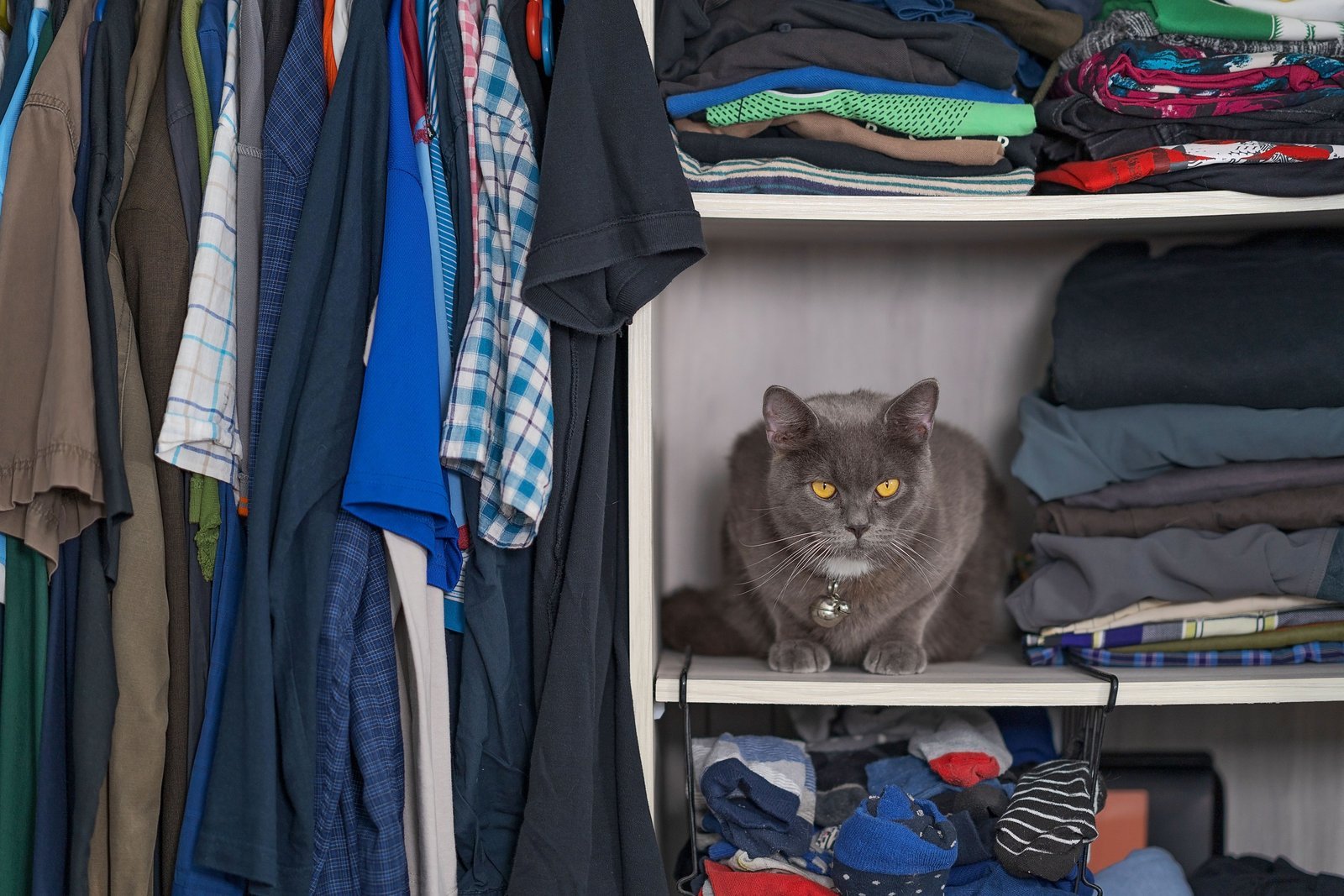
If the cat goes into a closet, under the bed, into a carrier they already like, or into the bathtub, let them stay. Do not drag the cat out to “comfort” them, and do not follow them from room to room. Sitting quietly in the same room, with the door cracked and no extra handling, is plenty if you want to be nearby. Many cats recover faster when they are allowed to choose a tight, familiar space.
Keep those spots available on purpose. A slightly open closet, a carrier left out with a familiar towel, or a covered bed in a quiet corner is more useful than a newly assembled hide you put together while thunder is already overhead. Mid-storm furniture rearranging, even if you mean well, removes known paths and can send the cat looking for a less safe gap: a balcony door, a high shelf, or a space behind a washer.
If the cat already gets into unsafe places when startled, the prevention work belongs in ordinary days, not at the peak of the noise. Cat-proofing a small apartment is the right guide for blocking small gaps, tying up cords, and closing off a balcony. During the event itself, close the obvious hazards you can close in one pass, then stop fussing.
Forcing a cuddle, wrapping the cat in a blanket they are trying to leave, or holding them in your lap “so they feel safe” often makes the noise worse for the cat, because now they cannot move and they also have to deal with being held. If the cat comes to you, you can sit still and offer a light touch only if they lean in. If they leave, let them leave.
Keep meals, litter, and only the background sound the cat already knows
Feed at the usual time, in the usual place, even if the cat only sniffs and walks away. Put the leftover meal down again later. Do not add a new treat puzzle or a new food as a distraction during the peak noise. Litter should stay where it already is, clean enough to use, and easy to reach from the hiding area if you can do that without blocking the hide. A cat who is already on edge should not have to cross the whole apartment, past a flashing window, to find a box.
A TV, radio, or fan can help only if the cat already lives with that sound on quiet days. If your cat is used to an evening show or a bathroom fan, leaving it on may soften some of the outdoor bangs. If the apartment is usually silent, do not suddenly raise the volume to “mask” fireworks. That can be one more sharp change. The same rule applies to a playlist of rain or talk radio the cat has never heard.
Play and enrichment are for the hours before, or for the next day, not for a mid-storm training session. If you want ideas for ordinary indoor days, use indoor cat enrichment ideas. A wand toy during a loud burst can startle the cat or send them into a frantic pounce. Skip it unless the cat clearly starts the play and stays loose.
After the noise, some cats pace, meow, or want attention at odd hours. That is not automatically a new behavior problem. Give them time to come out, keep the routine, and avoid a second round of chasing. If night waking or extra meowing was already a habit, those plans live in how to stop a cat from waking you at night and how to stop a cat from meowing excessively. Use them as longer-term reads, not as something to overhaul at midnight after a display.
What good enough looks like after the noise
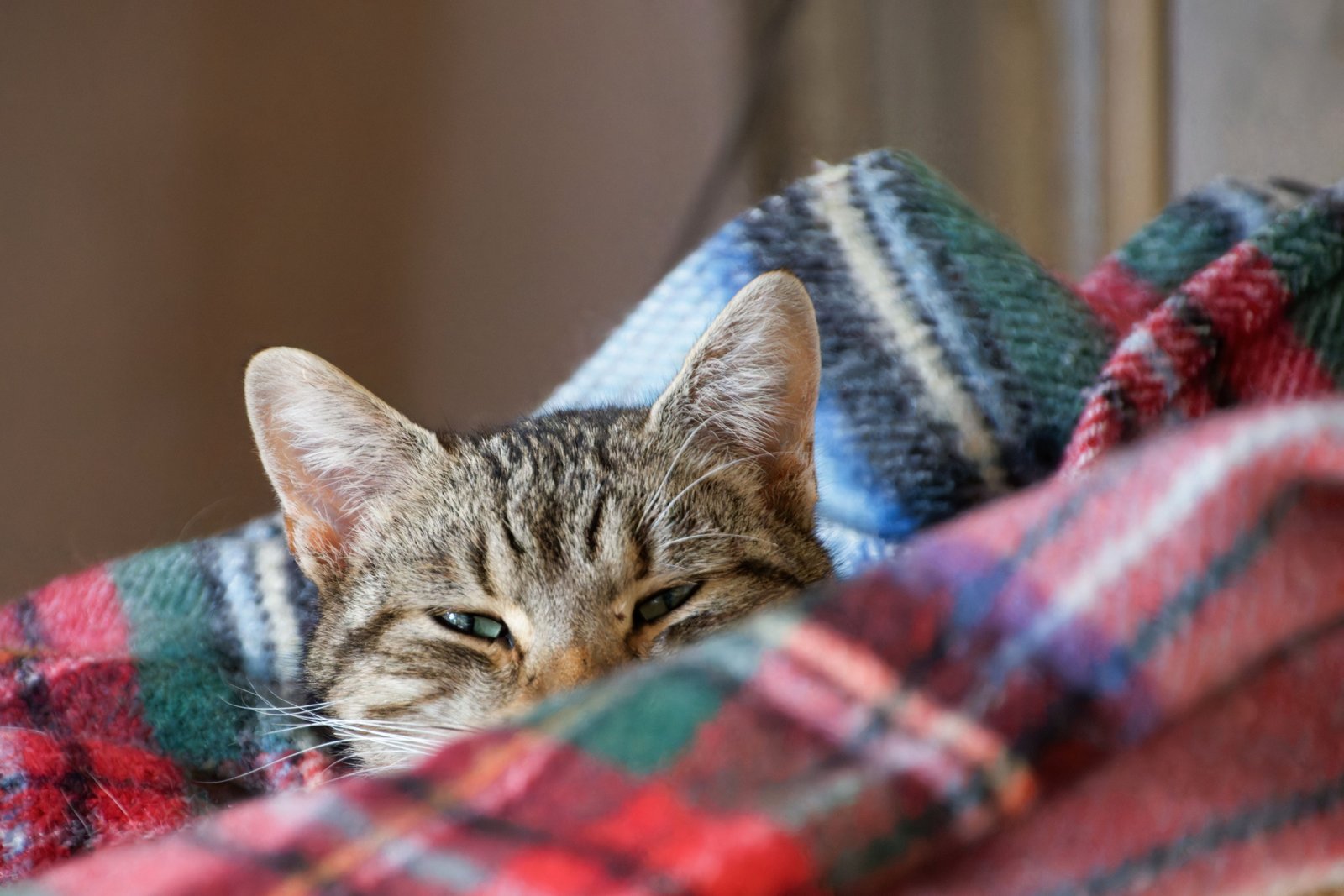
When the thunder fades or the last firework goes off, leave the hiding spot open and let the cat come out on their own time. Offer water, a familiar meal, and a clean box. A slow blink, a stretch, a snack, or a return to a usual window sill are all decent signs that the event is ending. The cat does not owe you a cuddle to prove they are fine.
Watch for the signs that this was more than a rough evening. A cat who will not eat the next day, who stays hidden well after the building is quiet, who comes out limping or with a wound from a fall or a dash, or who starts avoiding the litter box, needs a veterinary check. A one-night hide is common. A day of not eating, an injury, or a sudden toilet change is not something to wait out with another blanket.
Do not reach for sedatives, CBD, essential oils, or any product that claims to take the fear away. Those are not a home comfort plan, and some oils and unprescribed products can be harmful to cats. If a veterinarian has already prescribed a plan for a known noise fear, follow that plan. If you do not have that advice, do not invent it for a holiday weekend.
A small apartment will never be as quiet as a house set back from the street. You can still make the peak hour less chaotic: windows closed, blinds down if there is time, usual hides left alone, usual meals and litter left in place, and no mid-storm makeover. That is enough. The cat does not have to sit beside you and be calm. They have to get through the noise and come back to their ordinary day.
FAQ
Should I hold my cat during fireworks or a thunderstorm?
Only if the cat comes to you and stays loosely, by their own choice. Do not pick the cat up, wrap them tightly, or drag them out of a hide to sit on your lap. Many cats cope better when they can move in and out of a tight, familiar space. Sitting quietly nearby, with the door cracked, is enough.
Is it okay if my cat hides in the closet or the bathtub?
Yes, if that spot is already safe. Leave the door or the access open, do not block the cat in, and do not pull them out to check on them every few minutes. A closet shelf, a carrier the cat already likes, or a tub is a normal choice during loud noise. Close off only the truly unsafe exits, such as a balcony or an open window.
Should I play a TV or a fan to mask the noise?
Use a TV, radio, or fan only if the cat already accepts that background sound on ordinary days. If the apartment is usually quiet, a sudden loud show or a new playlist can be one more startle. A familiar, moderate sound is the most you should add, and you can skip it entirely if the cat is already settled in a hide.
Do I need a medication or supplement before a holiday fireworks night?
Not as a home experiment. Do not give sedatives, CBD, essential oils, or any unprescribed product to “take the edge off.” If your veterinarian has already given you a plan for a known noise fear, follow that plan. If you do not have that advice, stick to prep, hiding spots, and routine, and call the clinic if you are worried about the cat’s health.
When should I call a veterinarian after a noisy night?
Call if the cat will not eat, stays hidden for a day after the building is quiet, injures itself in a dash or a fall, or has a sudden change in litter-box use. A short hide during the noise is common and often ends on its own. A day of not eating, a wound, or a toilet change should not wait for the next holiday.