AdvertisementReserved · below header
FurSift

FurSift

How to Keep a Cat Off Kitchen Counters (Without Stress)

Cute tabby cat lying on a kitchen counter in a relaxed, playful pose

Keeping a cat off kitchen counters is less about winning a standoff and more about changing what the counter offers—and giving your cat a better high place. This guide helps US and UK cat parents in apartments and small homes use environmental management, not punishment, so the worktop is less rewarding and a tree, shelf, or window perch is the obvious choice. You will learn why counters appeal, how to make food and attention less available up there, and how to build a rhythm of play and meals that reduces “kitchen hunting.” It also covers what not to do, including sprays and startle tactics that often trade a problem for stress, and when counter-surfing is a flag to check health or stress at home. The advice is general and practical, not a training guarantee or a veterinary diagnosis. If your cat’s habits change suddenly, or they seem unwell, contact a veterinarian.

How to Crate Train a Dog in an Apartment (A Calm, Step-by-Step Plan)

Man placing a dog into a modern white dog crate in a warm, sunlit living room

Crate training a dog in an apartment is less about buying a box and more about teaching a rest habit your neighbors, your floor plan, and your dog can live with. This calm, step-by-step plan helps US and UK dog parents in flats and small homes introduce a crate without force, keep early sessions short, and notice when to pause. You will learn how to set the crate up as a rest spot rather than a timeout, close the door in gradual steps, and handle thin walls and workday limits. A crate can support naps, short absences, and a clearer routine. It cannot replace walks, toilet access, or company, and it will not fix every chewing or barking problem. The advice is general and practical, not a training guarantee or a veterinary diagnosis. If your dog panics, injures themselves, or cannot settle, contact a veterinarian or a qualified trainer.

Best Dog Gates for Apartments

Hand adjusting a white indoor safety gate against a door frame

The best dog gates for apartments are less about a single sturdy-looking model and more about a barrier that fits the opening you have, stays put on your floor and walls, and matches the rules of a rented home. This guide helps US and UK dog parents compare pressure-mounted and hardware-mounted gates, think through width, height, walk-through doors, and pet doors, and decide what belongs at a hallway or at the stairs. You will also find practical checks for chewers, climbers, and gap risks, without treating a gate as a crate, a bed, or a guarantee that a dog will never jump. The advice is general and practical rather than a ranked list of named winners. If your dog panics when contained, tries to climb and gets stuck, or is injured at a gate, contact your veterinarian, and get qualified training help if barrier frustration is becoming a welfare issue.

How to Trim a Cat’s Nails at Home

Close-up of a person trimming a ginger cat’s claw with red nail clippers

How to trim a cat’s nails at home is less about a perfect salon finish and more about a short, calm session you can stop at any moment: the right clipper, a way to see the quick, and a cat who is still willing to stay. This guide helps US and UK cat parents set up a first session, tell a light nail from a dark one, and know when to put the clippers down, especially if the quick is unclear, the cat is struggling, or a nail bleeds. You will also find a practical reminder that trimming is home care, not a treatment for illness, and that cats are handled differently from dogs. The advice is general and practical, not a veterinary demonstration. If a nail is bleeding heavily, the paw looks swollen or very painful, or your cat suddenly cannot bear to have a foot touched, contact a veterinarian.

Best Cat Scratching Posts for Small Apartments

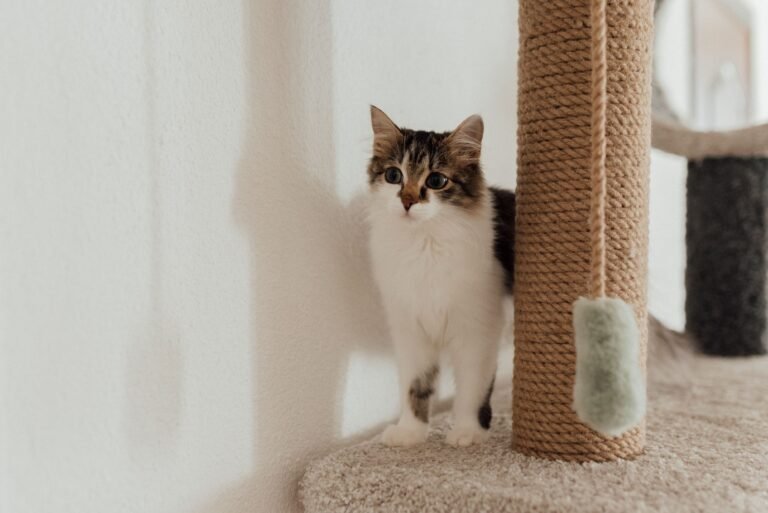
Tabby and white cat standing beside a sisal-wrapped scratching post in a compact indoor corner

The best cat scratching posts for small apartments are less about a tall showpiece and more about a stable scratching surface your cat will actually use, in a footprint you can live with. This guide helps US and UK cat parents compare sisal, cardboard, and wood, weigh height and stability, and choose among a simple post, a corner unit, or a low pad without treating a scratching post as if it were a full cat tree. You will also find practical placement ideas for tight rooms, and a calm way to introduce a new post so furniture is not the only option in the room. The advice is general and practical rather than a ranked list of named winners or a promise that any post will save a sofa. If scratching is sudden, intense, or paired with signs of pain, contact your veterinarian.

How to Store Dog Food in a Small Apartment

Close-up of brown dry dog food kibble

Storing dog food in a small apartment is less about a handsome bin and more about keeping kibble dry, sealed, and out of the way of heat, humidity, pests, and a determined nose. This guide helps US and UK dog parents in flats and small homes choose a storage setup that fits a tight kitchen or cupboard, decide whether to keep food in the original bag, and handle wet food, treats, and opened tins without turning the counter into a pantry. You will get practical placement ideas, a calm approach to freshness, and pest-prevention habits that work in rental kitchens. The advice is general and practical. Follow the label on your food, and contact your veterinarian if your dog suddenly refuses meals, vomits, or has diarrhea after a storage change or a bag that smells off.

How to Stop a Cat from Waking You Up at Night

A tabby cat lying on a bed in a cozy nighttime indoor setting

A cat who wakes you at night is often following a schedule you accidentally taught, not running a personal campaign against sleep. This guide helps US and UK cat parents in flats and small homes change early-morning meows, pounces, and breakfast demands without yelling or giving in at 5 a.m. You will learn why many cats are naturally more active at dawn, how daytime play and a late-evening wind-down matter more than a new gadget, and how to stop rewarding the 5 a.m. wake-up. The advice is general and practical rather than a training guarantee or a veterinary diagnosis. If the night waking is sudden, intense, or paired with other changes in appetite, litter box use, or comfort, contact your veterinarian.

How to Leave a Dog Home Alone in an Apartment (Calm, Practical Steps)

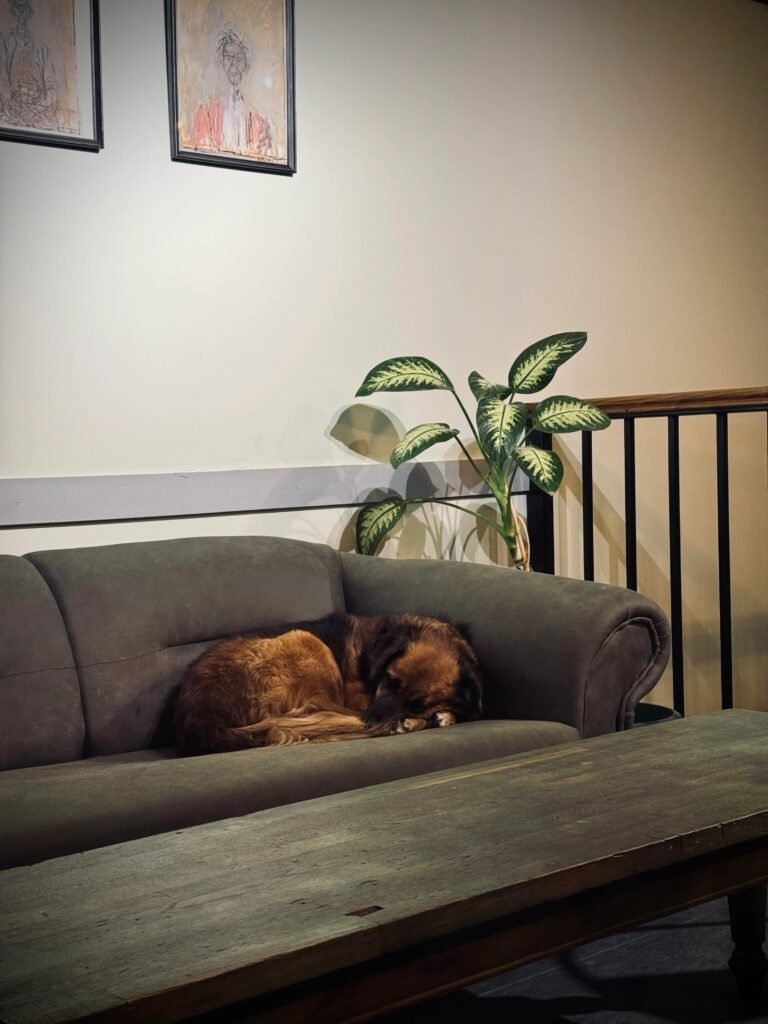
A dog sleeping on a sofa in a cozy living room beside a houseplant

Leaving a dog home alone in an apartment is less about a perfect number of hours and more about a day your dog can actually handle: a safe space, a boring goodbye, enough movement before you go, and an honest look at what happens after the door closes. This guide helps US and UK dog parents in flats and small homes build a calm leave-alone plan, set up a room that stays safe without you, and tell the difference between a short protest and real distress. You will learn how to stretch time gradually, what to do with walks, toilets, chews, and cameras, and when to ask a veterinarian or trainer for help. The advice is general and practical rather than a training guarantee or a veterinary diagnosis. If your dog panics, destroys things, toilets when left, or cannot settle after you go, get skilled help rather than simply lengthening the workday.

Best Cat Water Fountains: What Matters Before You Buy

Black cat gazing attentively near a white bowl in an indoor setting

The best cat water fountains are less about a single popular model and more about a drinker your cat will use and you will actually clean: quiet enough for an apartment, easy to take apart, and sized for the household you have. This guide helps US and UK cat parents decide whether a fountain is worth adding, what to look for in capacity, materials, noise, and filters, and how to place and maintain one without turning it into a science project. You will also find a calm way to introduce flowing water, and a reminder that a fountain is not a medical device. The advice is general and practical rather than a ranked list of named winners or a treatment plan. If your cat’s drinking or urination habits change suddenly, contact your veterinarian.

How to Brush Your Dog at Home: A Calm Grooming Routine

Close-up of a person gently brushing a large fluffy dog indoors

How to brush your dog at home is less about a perfect show-ring finish and more about a short, calm routine that keeps the coat comfortable, helps you notice skin changes early, and keeps loose fur off the sofa. This guide helps US and UK dog parents choose a tool that matches the coat, set up a session the dog can actually tolerate, and work through the body without yanking at mats or turning grooming into a chase around the flat. You will also find a practical way to decide how often to brush and when a professional groomer or veterinarian is the kinder next step. The advice is general home care, not a diagnosis or a grooming guarantee. If you find painful mats, skin wounds, lumps, or a dog who suddenly resents being touched, contact your veterinarian.