AdvertisementReserved · below header
FurSift

FurSift

How to Get a Cat Comfortable in a Carrier (Without the Struggle)

An orange tabby cat lies in sunlight inside an open blue and white soft-sided pet carrier

How to get a cat used to a carrier is less about one hurried stuffing on vet day and more about a slow, at-home plan that turns the box into a familiar resting place first. In a small home the carrier often lives in a closet until it is needed, so the cat may associate it only with a stressful trip. This guide helps US and UK cat parents leave the carrier open in everyday space, feed or rest nearby, add short closes, and only then try a brief lift or short ride. You will also see how this differs from choosing a carrier and from introducing a cat to a new home. The advice is general and practical, not a promise that one session will fix it and not a veterinary treatment plan. Do not start with a long trip. If your cat panics, shuts down, or has a medical reason travel is hard, ask a veterinarian.


How to Teach a Dog to Wait at the Door (Hallways and Elevators)

A West Highland White Terrier wearing a red collar and leash sits behind a glass entrance door, with a tiled floor, doormat, and glass doors visible behind

How to teach a dog to wait at the door is less about a stern command at the threshold and more about a calm leaving-and-arriving routine that fits a tight hallway and a shared elevator. Without a porch, the door, corridor, and lift sit close together, and a dog who rushes the gap can startle neighbors or slip out. This guide helps US and UK dog parents in flats and small homes use a leash at the door, practice a wait and a clear release, and run short sessions before an outing. You will also see how this threshold skill differs from greeting manners, hallway barking, a settle cue, and crate training. The advice is general and practical, not a promise that door-rushing will end forever and not a treatment for fear or anxiety. If the behavior is new, paired with snapping, or tied to panic when you leave, contact a veterinarian or a qualified trainer.

Best Dog Water Fountains for Apartments

A Rottweiler lies on a white indoor floor with a raised stainless-steel bowl stand behind it

Best dog water fountains for apartments are less about a single winning model and more about flow, capacity, noise, cleaning, materials, and the footprint of a unit in a tight kitchen or hallway. This guide helps US and UK dog parents in flats and small homes decide whether a fountain is worth the cable and the pump, and when a simple bowl, washed and refilled often, is still enough. You will learn what to look for in types of drinkers, how noise and placement work in a small floor plan, how often a fountain must be cleaned, and why a fountain is not a treatment for kidney or urinary disease. The advice is general and practical, not a product test, a set of prices, or a ranked list of brand winners. Keep a bowl as a backup even if you buy a fountain. If your dog’s drinking or urination suddenly changes, contact a veterinarian.

How to Manage Cat Shedding in an Apartment

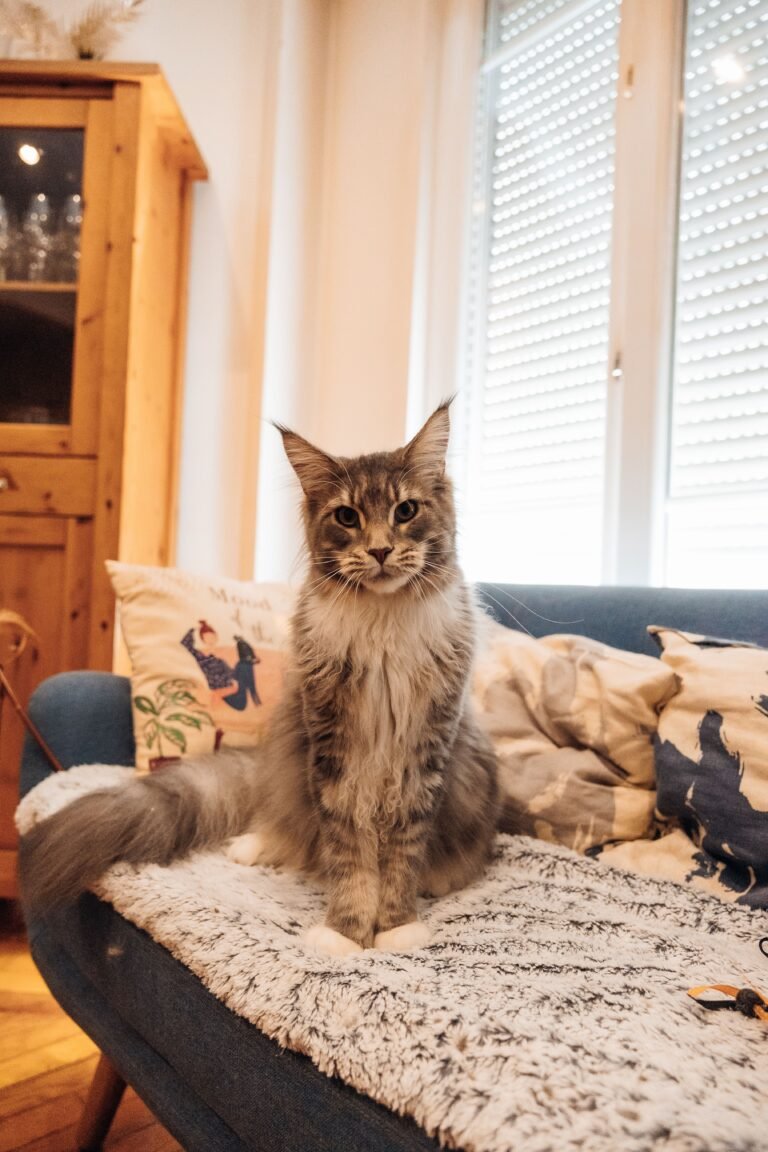
A fluffy long-haired cat sits on a blue sofa with a textured throw in a sunlit living room

How to manage cat shedding in an apartment is less about waiting for a season to end and more about a repeatable mix of coat care and small-home cleanup. Hair that would scatter across a house collects on a sofa, a throw, and the clothes you wear to work. This guide helps US and UK cat parents in flats and small homes match a brushing rhythm to coat type, keep furniture and laundry under control, and treat loose coat as a routine rather than a weekend emergency. You will learn coat-type basics, how brushing fits beside a dedicated how-to, what to do with furniture and textiles, and which sudden coat changes belong with a veterinarian. Hairballs are treated as a cleanup issue, not a treatment plan. The advice is general and practical, not a seven-day promise or a veterinary diagnosis. If you see sudden bald patches, intense itching, or skin sores, contact a veterinarian.

Best Quiet Dog Toys for Apartments

A small dog plays with a plush toy on a stylish leather sofa indoors

The best quiet dog toys for apartments are less about a single winning product and more about play that does not rattle the neighbors. In a flat with thin floors, a shared hallway, and someone trying to work or sleep next door, a loud squeaker or a bouncing game of fetch can travel farther than it would in a house. This guide helps US and UK dog parents in apartments and small homes choose quieter toy types—softer fabric toys, lick mats and snuffle-style foraging, and calm indoor games—and decide when to skip a squeaker. You will also see how this differs from puzzle toys and from toys for aggressive chewers, what to look for, and how to keep play supervised and safe. This is a practical buying and use guide, not a ranked test or a set of invented scores, and not a promise that any toy will tire a dog out on its own.

Which Human Foods Are Safe for Cats (And Which to Avoid)

A couple cooks in a cozy kitchen while the woman holds their cat

Which human foods are safe for cats is a narrower question than it first appears. Cats are obligate carnivores, and even a widely accepted “yes” leftover is only a small extra, never a complete meal. This guide helps US and UK cat parents in apartments and small homes sort a calm, widely accepted safe-versus-avoid picture: plain cooked lean meat in modest amounts on one side, and a firm keep-away list—onions, garlic, chocolate, xylitol, alcohol, raw dough, cooked bones, and similar kitchen leftovers—on the other. You will also see why sauces and hidden seasonings matter, how scraps fit into a day’s portion, and what to do if your cat eats something risky. This is general information, not a veterinary diet and not a treatment guide. If your cat swallows a concerning food, contact a veterinarian or a pet poison helpline rather than guessing at a dose or trying a home remedy.

How to Introduce a Cat and a Dog in a Small Apartment

A black-and-white photograph of a black and white cat and a small dog resting together on a pet bed by a window

How to introduce a cat and a dog in a small apartment is less about one supervised “meeting” and more about a slow, scent-first plan that fits a tight floor plan. Without a spare wing of the house, both animals share the same short hallway, the same living room, and often the same evening routine. This guide helps US and UK cat and dog parents set up separate rooms, swap scent before any face-to-face look, use visual barriers, and keep early meetings short and supervised. You will also see how this differs from introducing a new cat to a home or to another cat. The advice is general and practical, not a promise that they will become friends and not a veterinary behavior-treatment plan. If either animal is fearful, injured, or aggressive, contact a veterinarian or a qualified professional.

How to Stop a Dog from Jumping on Guests in an Apartment

A small white and tan dog sits calmly beside a glass interior door in a warmly lit home

How to stop a dog from jumping on guests in an apartment is less about a scolding at the threshold and more about a greeting plan that fits a tight hallway. Without a porch or a spare room, the doorbell, the door swing, and your visitor all happen in a few crowded feet. This guide helps US and UK dog parents in flats and small homes use a leash at the door, teach four paws on the floor, give guests a clear job, and practice in short sessions before a real visit. You will also see how this plan differs from a barking plan, a settle or place cue, crate training, and leaving a dog home alone. The advice is general and practical, not a promise that jumping will end forever and not a veterinary diagnosis. If jumping is new, paired with snapping, or hard to interrupt, contact a veterinarian or a qualified trainer.

Best Pet Stairs and Ramps for Small Apartments

A sleepy French Bulldog rests on a comfortable sofa indoors

The best pet stairs for apartments are less about a long decorative staircase and more about a stable, compact way for a small or older pet to reach the sofa or the bed without a jump. In a studio or tight one-bedroom, the useful versions sit securely, match the furniture height, and can be folded or left where they will not block the only walkway. This guide helps US and UK pet parents compare stairs and ramps by stability, incline, weight, and storage, and measure a real floor plan before they buy. You will also learn how these items differ from dog gates and dog beds, how to introduce them without force, and when equipment should wait because a pet is struggling to walk or jump. There are no invented rankings, prices, or test scores here—only practical features and placement. If your pet is suddenly unwilling or unable to jump, contact a veterinarian.

How to Care for Your Dog’s Paws After City Walks

A person walks a French Bulldog on a leash along a city sidewalk on an autumn day

Dog paw care after walks is a small habit that matters more when most of the outing happens on city sidewalks, not grass. Pavement, grit, winter salt, ice melt, and the odd piece of glass all collect on the pads and between the toes, then come home onto an apartment floor. This guide helps US and UK dog parents build a calm wipe-down routine, check paws without turning the hallway into a grooming salon, and decide when booties are useful and when they are just extra kit. You will also learn how city surfaces differ from a garden path, how cold-weather chemicals and hot pavement change the after-walk job, and which signs mean you should stop and contact a veterinarian—limping, bleeding, or deep cracks. This is general information, not a veterinary diagnosis and not a treatment plan. It is also not a nail-trim, bathing, or brushing guide; those are separate jobs.