AdvertisementReserved · below header
FurSift

FurSift

Best Pet Playpens for Small Apartments

Seven Welsh Corgi puppies stand and sit on white pads inside a black wire indoor playpen, with a beige dog bed, a pink star toy, a metal bowl, and a person's legs in grey sweatpants beside them on a wood floor

The best pet playpens for apartments are less about a ranked list of models and more about deciding whether a foldable indoor pen actually helps in the space you have. This guide helps US and UK pet parents in flats and small homes compare a puppy zone, a defined rest area, or a temporary room split with a gate or a crate, then check footprint, height, indoor flooring, and whether the pen can fold away when you need the floor back. You will also see what a playpen is not for: it is not a medical recovery or confinement protocol, not a full-day leave-alone plan, and not a substitute for potty training or cat-proofing. The advice is general and practical, not a veterinary diagnosis and not a guarantee that one enclosure will fit every home. No model rankings, prices, or test scores appear here.

How to Walk a Dog in Cold Weather (City Streets and Short Days)

A man in a teal winter jacket and black beanie stands on a brick city sidewalk beside a lamppost, while a small tan dog in a blue coat and grey harness looks up at him, with bare trees and pedestrians in the background

Learning how to walk a dog in cold weather is less about chasing a perfect temperature and more about a plan that still works on short city days, windy blocks, wet sidewalks, and streets treated with ice-melt salt. This guide helps US and UK dog parents in flats and small homes shorten or split walks, dry a wet coat in a tight entry, rinse or wipe paws, and treat a layer or booties as an option rather than a uniform. You will also see when it is kinder to move leftover energy indoors. The advice is general safety information, not a veterinary diagnosis and not a treatment plan. It does not use hard temperature cutoffs, and it does not claim that a coat or booties prevent frostbite. If your dog is lifting paws, shivering hard, limping, or will not put weight down, go inside and contact a veterinarian if it does not settle.

Best Slow Feeder Bowls for Dogs

A tan dog wearing a pink collar eats from a smooth white bowl with a metal interior on a light wood floor, with a teal sofa behind it

The best slow feeder bowls for dogs are less about a ranked list of models and more about matching a simple tool to your dog and the kitchen you actually have. This guide helps US and UK dog parents in flats and small homes decide who a slower mealtime bowl may help, how a maze bowl compares with an insert or a lick-mat-style feeder, and what to check for size, material, stability, and cleanup at a small sink. You will also see when a regular bowl or a puzzle toy is the better choice. The advice is general and practical, not a veterinary diagnosis and not a treatment for bloat, gulping, or a medical feeding plan. No model rankings, prices, or test scores appear here. If your dog coughs, chokes, or is on a vet-directed diet, ask a veterinarian before you change how meals are served.

How to Store Cat Food in a Small Apartment

A tabby cat sits on a teal tiled floor beside two white ribbed bowls, while a white cat eats from one bowl and a darker cat stands behind them

If you need to store cat food small apartment kitchens actually allow, the work is less about a handsome bin and more about a calm plan that fits a slim cupboard, a shared fridge, and a litter box only a few steps away. This guide helps US and UK cat parents in flats and small homes keep dry bags or bins sealed, park unopened cans or pouches in a cool, dry place, and refrigerate opened wet food according to the label. You will also get practical habits for scoops, pests, and keeping meals away from the litter area, without turning this into a portion guide or a feeder-buying article. The advice is general and practical, not a veterinary diet plan. Follow the storage instructions on your food. If the food smells or looks wrong, or your cat suddenly refuses meals, vomits, or has diarrhea, contact a veterinarian.

How to Build a Daily Play Routine for an Indoor Cat

A cream colorpoint kitten sits on a fluffy rug, holding a colorful feather and tinsel wand toy, with a teal circular track toy in the background

A daily play routine indoor cat households can actually keep is less about a longer toy list and more about a short, repeatable rhythm that fits a flat or small home. This guide helps US and UK cat parents run brief wand or chase sessions, add a clear wind-down, and time play around meals and the evening burst of energy many indoor cats show. You will also see what “enough play” can look like in a tight living room, and how this session plan differs from a buying guide for interactive toys, a broader enrichment day, or gear such as tunnels, hideaways, and cat trees. The advice is general and practical, not a veterinary diagnosis and not a treatment for aggression, anxiety, or medical issues. Do not use hands or feet as toys, and end play before your cat becomes overstimulated. No single routine fixes behavior overnight.

How to Stop a Dog from Chewing Furniture and Shoes in a Small Apartment

A small white dog with black markings lies on a tan leather sofa in a sunlit living room with a white coffee table, houseplants, and a pale carpet

If you want to stop dog chewing furniture apartment habits, the work is less about a single scolding and more about a calm plan that fits a tight studio or one-bedroom. This guide helps US and UK dog parents in flats and small homes manage access to sofa arms, table legs, and shoes, give legal chew outlets, and run short supervised sessions instead of leaving temptation out all day. You will also see how boredom, leftover teething, and being left alone can look similar, and why rotating toys is not the same as tiring a high-energy dog or teaching a settle. The advice is general and practical, not a veterinary diagnosis and not a promise that chewing will end forever. If chewing starts suddenly, becomes obsessive, includes swallowing non-food items, or seems tied to pain, contact a veterinarian. Punishment-heavy methods are not part of this plan.

Best Automatic Litter Boxes for Small Apartments

A seal-point Siamese cat walks toward the camera down a sunlit indoor hallway with a glossy floor, a wooden door, and a clear reflection of the cat on the floor

The best automatic litter boxes for small apartments are less about a single winning model and more about who they actually help, how much floor they use, how much noise they make, and how much cleaning still remains after the scooping is automated. This guide helps US and UK cat parents in flats and small homes compare self-cleaning units with ordinary scooping, including liners, waste drawers, and the deep-cleaning a mechanism still needs. It also looks calmly at when a simple box is the better buy. This is a buying guide about types and what to look for, not a ranked list, a set of prices, or a product test, and it is not a treatment for litter-box avoidance or urinary disease. Placement, ordinary box shapes, and the litter itself are covered in separate guides. If your cat suddenly stops using the box, strains, or you see blood in the litter, contact a veterinarian.

How to Bathe a Dog in a Small Apartment Bathroom

A brown and white Border Collie sits in a white freestanding bathtub in a bright bathroom, with a chrome shower fixture, black-and-white tiled floor, a sheer curtain, and leafy houseplants in the foreground

Learning how to bathe a dog in an apartment is less about turning a rental bathroom into a salon and more about prep, non-slip footing, a sensible water temperature, and a rinse and dry you can finish without flooding the hall. This guide helps US and UK dog parents in flats and small homes use a standard tub or a shower stall: how to keep a wet dog from slipping, how to wash the face and paws, and how to rinse, dry, and clean up a tight rental bath. It is a practical how-to, not a schedule for how often to bathe, and not a brushing, paw-care, or dental article. Use a shampoo made for dogs rather than human shampoo as a default, and do not expect a miracle coat. This is general information, not a diagnosis or treatment. If your dog has open sores, intense itching, ear problems, or is in real distress, contact a veterinarian.

Best Dog Leashes for City Walks

A man wearing a backpack walks a tan dog on a black leash and harness along a paved urban walkway beside a large tiled wall

The best dog leashes for city walks are less about a single winning product and more about length, material, clasp, and how the handle feels in your hand on a narrow sidewalk. This guide helps US and UK dog parents in towns and apartment neighborhoods compare a standard walk leash with a shorter traffic-length leash, and decide when each one is useful at crossings, bus stops, and busy pavements. It also looks calmly at materials and hardware, plus what tends to be a poor match for everyday sidewalks, including the practical limits of retractable leashes in a crowd. The aim is to choose a type you can hold, clip, and control, not to invent brand rankings, prices, or test scores. This is a gear guide, not a reactivity plan or a promise that a new leash will stop pulling. If walks feel unsafe, or the dog is fearful or snapping, contact a veterinarian or a qualified trainer.

Wet vs Dry Dog Food: How to Choose What Fits Your Dog

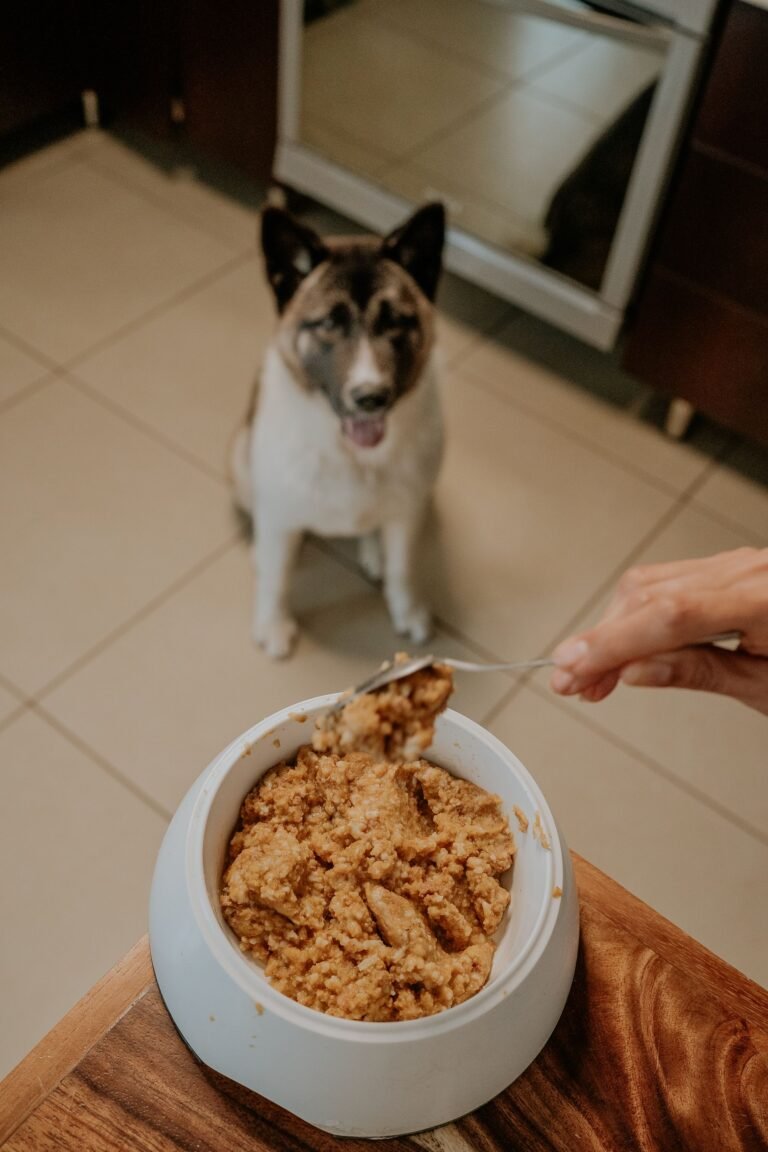
A white and brown dog sits on a tiled kitchen floor while a person scoops moist homemade food from a white bowl with a spoon

Wet vs dry dog food is less a contest with a single winner and more a practical choice about texture, moisture, storage, and the meal you can actually repeat. This guide helps US and UK dog parents, including those in flats and small kitchens, compare how wet and dry food typically feel in a bowl, how each one stores, and when a mix or a topper is useful rather than chaotic. It also looks calmly at dental-adjacent practicalities: kibble is often marketed as if it cleans teeth, but it is not a substitute for dental care, and wet food is not a treatment for kidney or weight disease. The aim is a complete-and-balanced format that fits this dog and this household, not brand rankings or invented feeding amounts. This is general information, not a veterinary diet. If your dog is on a prescribed diet, or appetite, weight, or chewing suddenly change, contact your veterinarian.