AdvertisementReserved · below header
FurSift

FurSift

Best Cat Harnesses for Indoor Cats

Orange and white cat wearing a security vest sitting on outdoor tile in sunlight

The best cat harnesses for indoor cats are less about a fashionable vest and more about an escape-resistant fit you can introduce at home, under supervision, before anyone steps into a hallway. This guide helps US and UK cat parents in flats and small homes choose a type that matches a flexible, clever body: vest-style or H-style, with fit, security, and first indoor practice as the decision points. You will learn how to judge whether a harness is snug without being harsh, how to run short indoor sessions, when a carrier is the safer tool, and why a balcony or a closed door is not a reason to leave a cat alone in a harness. The advice is general and practical, not a ranked list of models, a dog-harness guide, or a promise that every cat will enjoy walking. Never leave a cat unsupervised in a harness. If your cat panics, chokes, or seems injured, stop and get help.

How to Manage Dog Shedding in an Apartment

Fluffy Labradoodle dog comfortably lounging on a cozy sofa indoors

How to manage dog shedding in an apartment is less about waiting for a season to end and more about a repeatable mix of coat care and small-home cleanup. Hair that would scatter across a house collects on a sofa, a hallway runner, and the clothes you wear to work. This guide helps US and UK dog parents in flats and small homes match brushing to coat type, keep floors and textiles under control, and use laundry as part of the routine rather than a weekend emergency. You will learn coat-type basics, a brushing rhythm that fits a rental, how bathing fits without becoming a supposed cure, and which sudden coat changes belong with a veterinarian. The advice is general and practical, not a product ranking, a seven-day promise, or a veterinary diagnosis. If you see sudden bald patches, intense itching, or skin sores, contact a veterinarian.

Best Cat Carriers for Vet Visits and Apartment Travel

A man in a green jacket holds a white cat in a yellow backpack on a train

The best cat carriers for vet visits and apartment travel are less about a fashionable backpack and more about a secure, well-ventilated space your cat can enter without a last-minute hallway struggle. This guide helps US and UK cat parents in flats and small homes choose a type that fits their cat and their cupboard: hard-sided, soft-sided, or backpack-style, with size, security, and storage as the decision points. You will learn how to judge whether a carrier is large enough, what “secure” means at a building door, where it can live between appointments in a rental, and how to acclimate your cat at home before a vet trip. The advice is general and practical, not a ranked list of models, a harness guide, or a promise that every cat will relax in transit. If your cat panics, overheats, or seems injured, stop and get help rather than forcing a journey.

How to Switch Cat Food Without an Upset Stomach

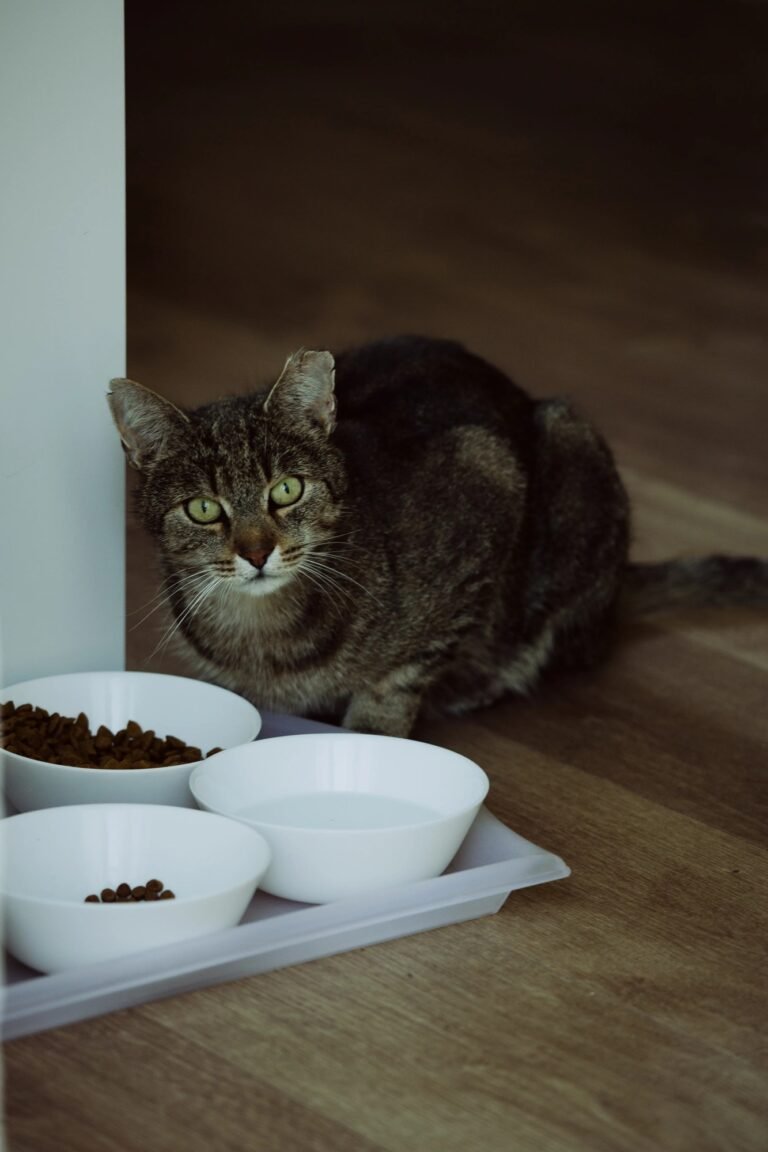
A domestic tabby cat sits beside a tray of bowls on the floor, looking alert and attentive

How to switch cat food is less about a “gentler” label and more about giving your cat’s stomach time to catch up. A sudden swap is a common reason a previously settled cat develops loose stools, picky eating, or a stand-off at the bowl—especially in a small apartment where the litter box is hard to ignore. This guide helps US and UK cat parents in flats and small homes change brands, flavors, or textures with a gradual mix and a plan for slowing down if stools change. You will learn a practical overlap schedule, how wet and dry handovers differ, what to do if your cat eats around the new food, and which signs mean you should pause and contact a veterinarian. The advice is general and practical, not a prescription, an allergy workup, or a promise of a calm stomach. If stools stay loose, blood appears, vomiting continues, or the cat stops eating, contact a veterinarian.

How to Stop a Cat from Door Dashing (Apartment Safety)

Fluffy ginger cat sitting by a glass door, looking outside with a pensive expression

Stopping a cat from door dashing in an apartment is less about a scolding at the threshold and more about making the exit predictable, managed, and less of a hunt. This guide helps US and UK cat parents in flats and small homes set up hallway and elevator safety with barriers, a leash or carrier by the door when needed, and a calm exit routine you can repeat when groceries or guests arrive. You will learn why doorways are so interesting, how to keep the landing clear, and how enrichment and a slower introduction plan can reduce the urge to bolt. The advice is management-first and practical, not a punishment protocol and not a promise that a curious cat will never test a gap again. It is general information, not a veterinary diagnosis. If your cat’s behavior changes suddenly, or they seem unwell, contact a veterinarian.

How to Teach Loose-Leash Walking on City Sidewalks

Woman in urban attire walking a dog across a zebra crossing with historic architecture in the background

Teaching loose-leash walking on city sidewalks is less about a stricter correction and more about short, repeatable sessions that fit a real pavement: scooters, food smells, crossings, and neighbors with grocery bags. This guide helps US and UK dog parents in apartments and small homes build a calmer sidewalk habit with treat timing, a clear plan for when to stop and reset, and expectations that stay honest. You will learn how to start closer to home than a full neighborhood loop, how to reward a slack leash in the moment it happens, and how to end a session before your dog practices a long pull. A well-fitted harness can make the work more comfortable, but gear is not the whole method. The advice is general and practical, not a training guarantee or a veterinary diagnosis. If your dog suddenly refuses to walk, yelps, or seems painful, contact your veterinarian.

Best Litter Boxes for Small Apartments

High-angle view of a yawning orange tabby cat sitting on a tiled floor indoors

The best litter box for a small apartment is the one your cat will actually use, that you can keep clean in limited square footage—not the one with a manufactured “number one” badge. This guide helps US and UK cat parents compare size, entry height, covered versus open boxes, top-entry designs, and odor-control features without fake rankings, star scores, or invented prices. You will learn how to think about a small bathroom or a tight corner, what a lid can and cannot do for smell, and how the box works with litter and placement rather than as a magic solution. The advice is practical and calm, not a product test and not a repeat of a litter-type or setup guide. Companion articles cover litter choice and apartment setup. If your cat suddenly avoids the box, strains, or seems unwell, contact your veterinarian; a new box is not a diagnosis.

How to Brush a Cat at Home (A Calm Grooming Routine)

Woman brushing her ginger cat on a green armchair in a cozy domestic scene

Brushing a cat at home is less about a perfect salon finish and more about a short, calm routine your cat can tolerate. This guide helps US and UK cat parents in apartments and small homes match a tool to coat type, start with sessions measured in seconds rather than a full overhaul, and notice when to stop and book a groomer or veterinarian. You will learn a practical approach to frequency, how to handle paws, belly, and mats without force, and how brushing fits beside other gentle care such as nail trims. The advice is general and practical, not a veterinary diagnosis and not a promise that brushing will cure shedding, skin disease, or hairballs. If you find tight mats against the skin, raw patches, fleas, sudden coat changes, or a cat who cannot be touched without distress, contact your veterinarian or a professional groomer for help.

Best Window Perches for Indoor Cats

Relaxed tabby cat enjoying sunlight on a windowsill with plants

The best window perch for an indoor cat is the one that stays safely on your window, fits how you live, and gets used—not the one with a “top pick” badge. This guide helps US and UK cat parents in apartments and small homes compare suction-cup hammocks, sill beds, shelf-style perches, and renter-friendly options without fake rankings or star scores. You will learn what to check for secure mounting, how to think about screens, opening windows, and sun, and how to place a perch so it is part of a fuller indoor day rather than unused decor. A window perch is enrichment and a view, not a substitute for a tree, play, or a safe home. The advice is practical and calm, not a lab test or a brand crown. If your cat is fearful of heights, has mobility limits, or your windows are unsafe, choose another high place or ask a veterinarian.

How Much Should I Feed My Cat? A Simple Portion Guide

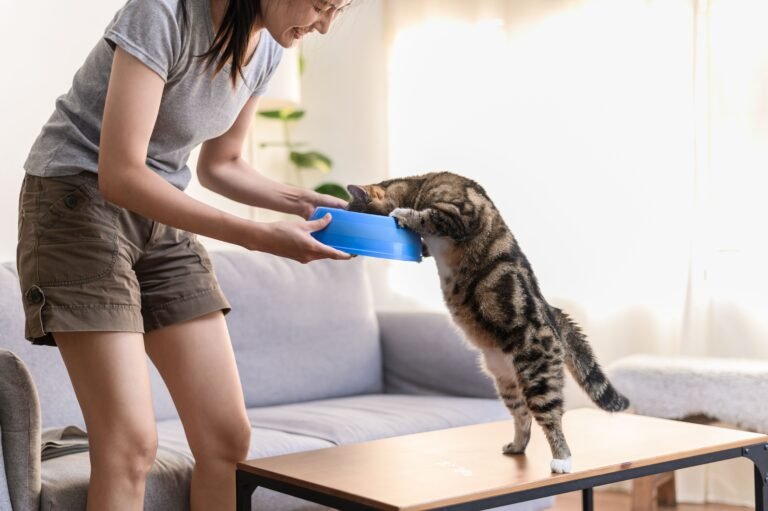
Woman feeding a curious cat indoors, creating a playful moment in a cozy living room

How much you should feed your cat is less about a magic number and more about starting with the label, then watching your cat’s body and routine. This guide helps US and UK cat parents in apartments and small homes use the feeding table as a starting point, tell a lean cat from a rounded one in ordinary light, and adjust wet and dry portions without turning dinner into a project. You will learn why two cats on the same food can need different amounts, how treats and toppers count toward the day’s total, and when a sudden change in hunger or weight is a reason to call a veterinarian. The advice is general and practical, not a veterinary diet plan, a lab-measured calorie chart, or a promise that one scoop fits every home. If your cat loses or gains weight quickly, drinks much more than usual, or seems unwell, contact a veterinarian.