

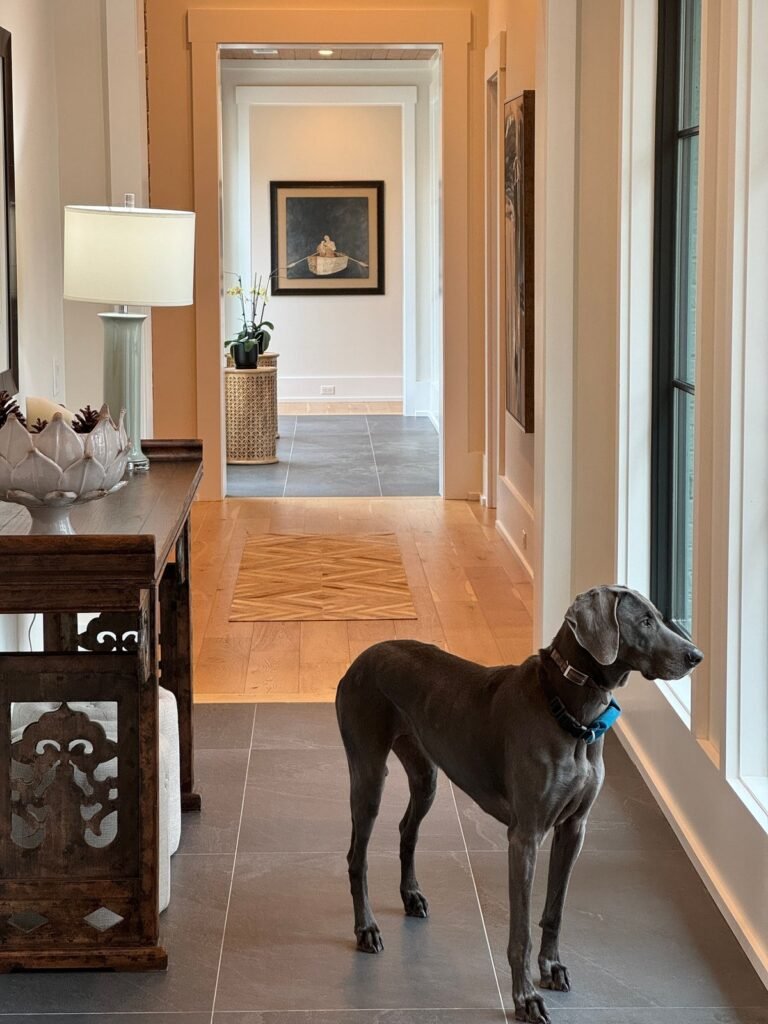
If you want to help a dog stay calm in elevators and hallways, the work starts before the doors slide open. In a flat, the shared corridor, the wait for the lift, the ride with neighbors, and the exit into a lobby or onto a sidewalk are all part of the same trip. A practical plan is a short sit before the doors open, a loose leash that keeps the dog out of the doorway, a willingness to skip a crowded car, and greetings that stay brief. Do not turn a hallway pass-by into a jump or a scuffle.
This is general information for dog parents in the US and UK, not a veterinary diagnosis, and not a promise that every dog will stay relaxed after a set number of trips. Do not force a panicked dog into a crowded car, and do not hold the elevator doors open to train. A dog that has lunged, snapped, or bitten in a hallway, or that seems panicked or unwell, is a veterinary or qualified-behavior question, not a wait-and-see.
This is the shared hallway and the elevator, not your own door
The job here is the building’s circulation space: the tight hallway, the wait at the elevator, the ride, and the lobby or sidewalk just beyond it. It is not a rewrite of how to teach a dog to wait at the door, and it is not how to stop a dog from door dashing in an apartment. Those two are about your own threshold. Once you are in the corridor, the trigger is the shared space, not your doormat.
It is also not how to keep a dog calm when the doorbell rings, which is the knock or intercom at your unit. It is not how to teach a dog to settle in a small apartment, which is the at-home mat routine, though you will borrow a short settle here. It is not how to stop a dog from barking in an apartment, which is the all-day noise problem. And it is not loose-leash walking in the city, which starts once you are already on the sidewalk.
If the building itself is still new, helping a dog adjust to a new apartment is a separate, slower project than a single elevator routine.
Think of four jobs:
- Pause before the doors open. A short sit or stand-stay a few steps back gives you a moment to look, then decide.
- Keep the doorway clear. A loose leash at your side stops the dog from planting in the door track.
- Skip a crowded car. Waiting for the next lift is often the calmer choice.
- Keep greetings short. A hallway pass-by should not turn into a jump or a tangle of leashes.
A short settle or sit before the doors open
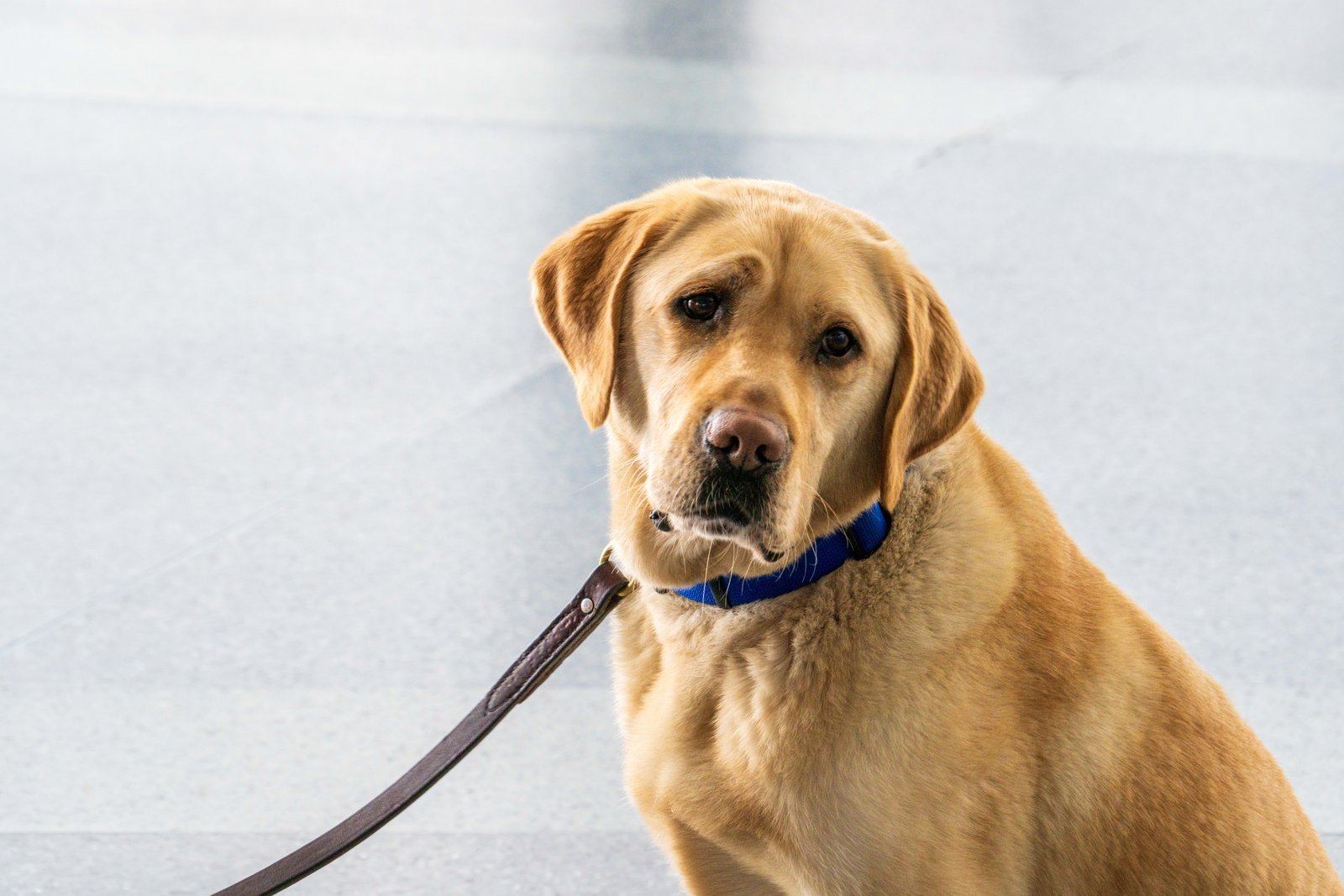
The most useful habit is a pause in the hallway, not a dash to the call button. When you leave the unit, walk a few steps, then ask for a sit or a brief stand-stay before you press for the elevator. Repeat that pause when the doors are about to open, far enough back that a departing neighbor can step out without walking into a leash.
If you already have an at-home settle, use a short version of it here. The settle plan for a small apartment is how you build that skill on a mat; in the corridor you usually will not have one. A sit or a few seconds of quiet on a loose leash is enough. Pay that pause with high-value training treats while the hallway is still quiet, then keep paying as the chime sounds.
Practice when the building is calmer, if you can, rather than in the school-run crush. Start with an empty stretch of hallway, then add the call button, then the opening doors. If the dog cannot sit when a neighbor appears, step farther from the landing and try again later.
A treat pouch can be one management tool so you can pay the pause without digging in a pocket. Have the sit in place before you look into the car and decide whether to board.
Keep a loose leash and stay out of the doorway
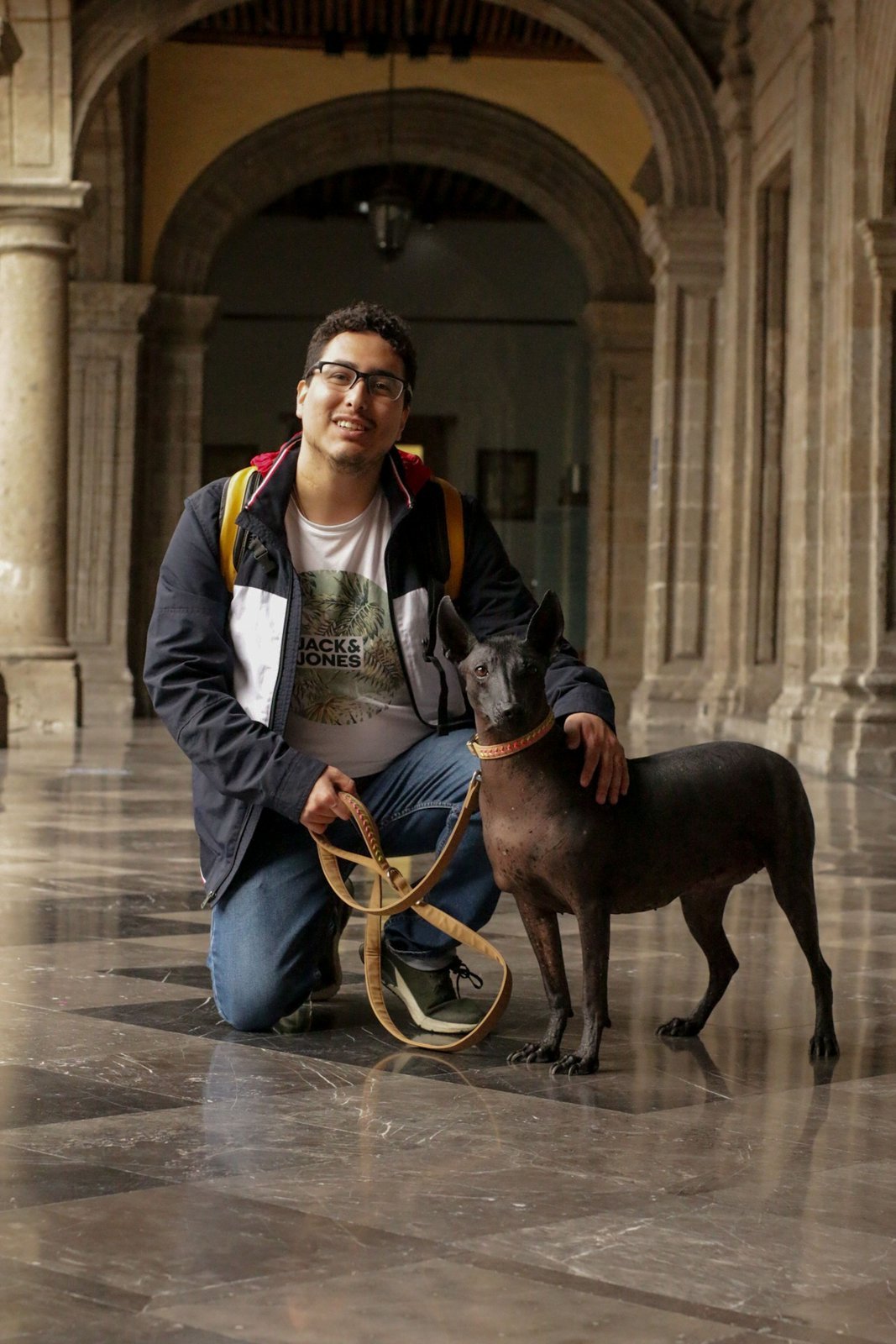
Once you are moving through the corridor, the leash is for guidance, not for dragging the dog to the doors. A tight lead, a prong, a shock collar, or a citronella spray is not part of this plan. Those tools can make a narrow space feel more unpredictable, and they do not teach the dog where to stand when people need to pass.
Keep the dog at your side, slightly behind the line of the elevator opening. When the doors open, you should be able to step in or step back without the dog filling the gap. Do not block the doors with your foot or your shoulder to “hold the car” while you sort the dog out. Let the doors close and wait for the next one.
Stand so you can see both the car and anyone coming down the hallway. A short, loose leash is usually enough; this is not a gear review. Check your building’s pet and elevator rules rather than inventing them. Some buildings ask that dogs be leashed in common areas, ride in a certain car, or yield to people with mobility aids. Follow the posted policy, and give other residents a clear path. If the dog is already pulling hard, pause, find the loose leash again, then continue.
Skip a crowded car and wait for the next one
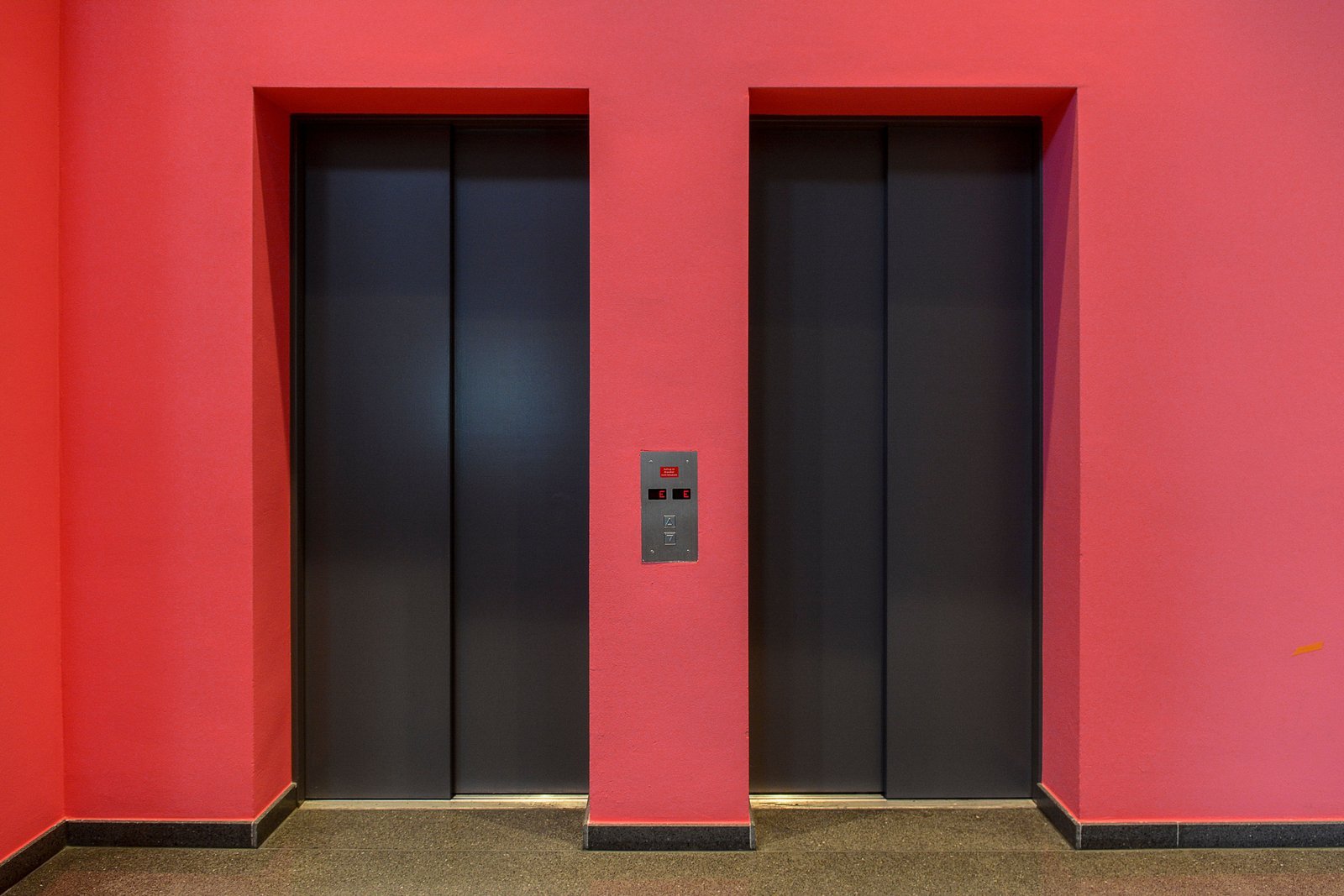
You do not have to board every car that opens. If the lift is already full of people, strollers, luggage, another dog, or grocery bags, step aside, let the doors close, and wait. That is not rudeness. It is the simplest way to keep your dog under threshold and to leave room for everyone else.
A panicked or already lunging dog should not be steered into a crowded car “just this once.” Back up down the hallway, ask for the sit again, and take the next one, or use the stairs if your building allows it and the dog can manage them calmly. Do not invent a rule that pets must always ride, or that they may never ride. Read the posted policy.
While you wait, treat the landing as another short settle. A few treats for looking at you and a clear path for people leaving the next car will do more than a tense “leave it.” If the only car is packed, it is still fine to let it go and press the button again.
The ride, then the lobby or sidewalk
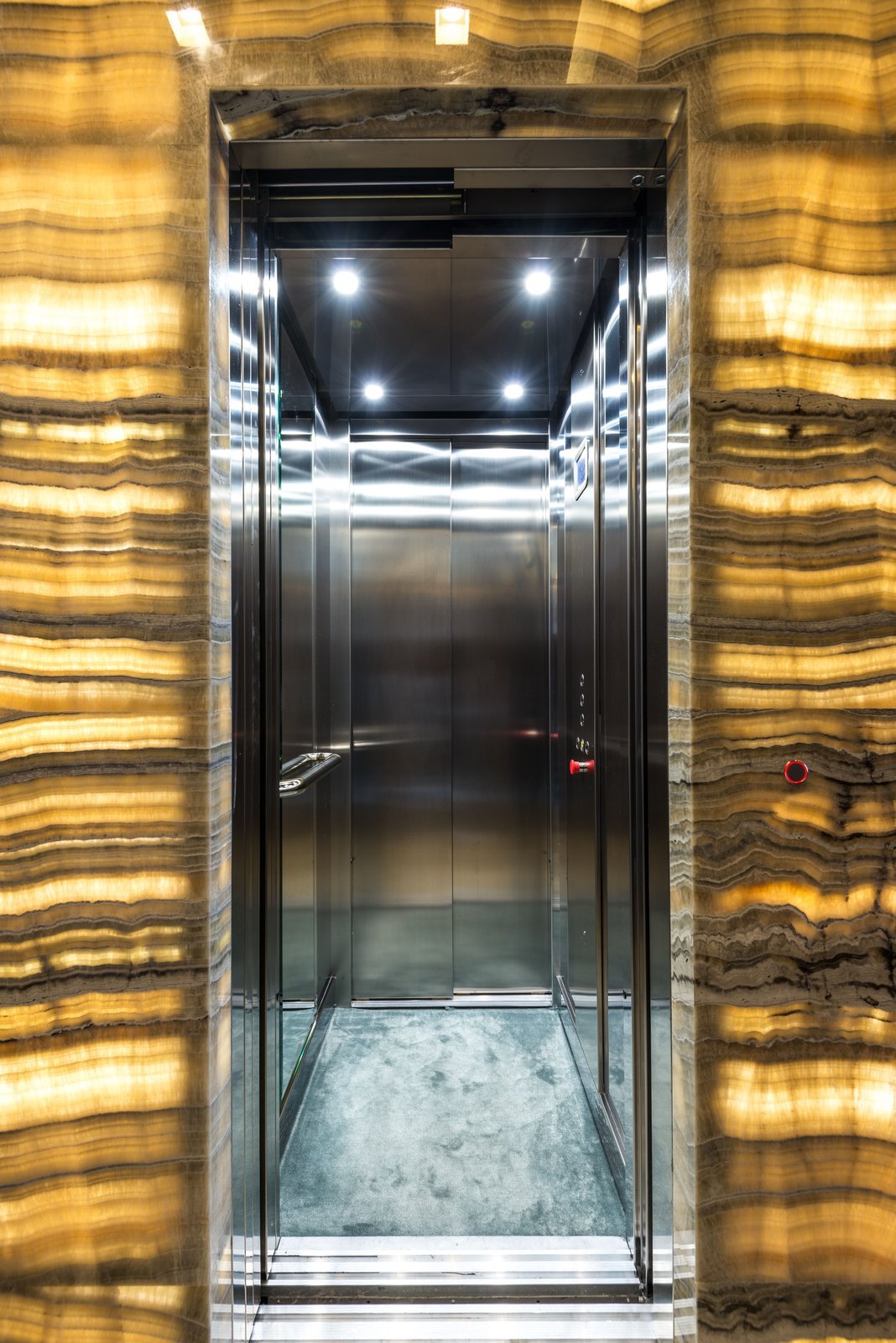
When you do board, let people leave first, then step in with the dog already at your side. Keep the dog out of the door track while the doors close. In a small car, face the dog toward you or keep them parallel to the wall, not stretched across the opening.
The ride itself should be boring. Pay quiet. If the dog sniffs a neighbor, shift your body slightly between them and offer a treat for looking back at you. You do not need the dog to greet everyone in a closed box.
When the doors open on the lobby or ground floor, pause again. Many dogs surge into the brighter, busier space because the ride was a held breath. Ask for a sit just inside the car or a step into the lobby, then walk out. If the dog is already surging, wait for a clearer gap rather than blocking the doors.
Once you are in the lobby, keep the same loose leash and a clear path for other residents. The moment you step onto the sidewalk, the job changes to an outdoor walk, which is why the city loose-leash walking guide is the better place for pavement skills.
Short greetings in a tight hallway
A neighbor, a child who wants to pet the dog, or another leashed dog at the corner can turn a calm pass-by into a jump or a scuffle in a few seconds. Plan the greeting the way you plan the elevator: short, optional, and easy to end.
You can keep walking with a brief “we are on our way out.” If you do stop, ask the dog to sit at your side first, keep the leash short enough that the dog cannot launch, and end the hello after a few seconds. The plan for jumping on guests is useful here even though the “guest” is a neighbor in a hallway.
Do not force two dogs to sniff if either looks stiff, stares, or is already vocal. Give them space, or wait for the next elevator separately. If your dog barks at every person in the corridor, treat that as a broader problem and use the apartment barking guide alongside this hallway plan, not as a substitute for it. Roommates and family need the same sequence: leash on before you leave the unit, a pause in the corridor, and no excited send-off just before the lift.
When this is a veterinary or behavior question
Most hallway fuss is ordinary arousal in a tight space. Some of it is not. Watch for signs that your dog is stressed, such as panting when it is not hot, a tucked body, frozen staring, or a sudden refusal to enter the car.
Contact a veterinarian if the reaction appears suddenly in a dog who used to ride calmly, if the dog seems painful, unwell, or panicked, or if you are unsure whether health is involved. A dog that has lunged, snapped, or bitten in a hallway, or that you cannot safely keep off other people or dogs, needs qualified behavior help as well. This article is general information for an everyday elevator and corridor routine, not a diagnosis and not a treatment plan.
A calm starting plan you can repeat
You need a sequence you can use on ordinary trips to the lobby, not a special week of drills.
- Clip the leash on before you leave your unit, and walk into the hallway without a dash.
- Pause a few steps from the elevator and ask for a short sit before you press the button.
- When the doors open, look first. If the car is crowded, or the dog is already over the edge, wait for the next one.
- Board with the dog at your side, keep the doorway clear, and pay quiet during the ride.
- Pause again as you exit into the lobby, then walk on. Keep any hallway hello short.
- If the dog panics, lunges, or seems unwell, stop and get veterinary or qualified behavior help rather than pushing through.
The goal is a boring, repeatable trip through shared space, not a promise that the habit will vanish after a handful of rides.
FAQ
Will my dog stay calm in the elevator after a few trips?
There is no honest timeline that fits every dog. Some settle once the pause at the landing and the choice to skip a crowded car are consistent. Others need longer management, especially in a busy building with frequent neighbors and deliveries. Focus on a calmer routine you can repeat, not on a promise that the habit will be gone in a week or after a handful of rides.
Should I use a shock collar, a prong collar, or a citronella spray in the hallway?
No. Those are not part of this plan. They can make a tight corridor feel more unpredictable and do not teach the dog where to stand when the doors open or when a neighbor passes. Use a short sit or settle, a loose leash, and a willingness to wait for the next car.
What if the elevator is already full?
Let it go. Step aside, keep the dog in a short sit or at your side, and wait for the next one. Do not force a worried or frantic dog into a crowded car, and do not block the doors while you decide. If the stairs are allowed in your building and the dog can use them calmly, that can be another option for that trip.
How do I handle neighbors and other dogs in the corridor?
Treat a pass-by as optional. You can keep walking with a brief greeting, or you can ask for a sit at your side and end the hello quickly. Do not force two dogs to meet in a narrow hallway. If jumping starts, use the same short, on-leash greeting you would use with guests, then move on.
When is this a veterinary or qualified-behavior issue?
Contact a veterinarian if the reaction appears suddenly, if the dog seems panicked, painful, or unwell, or if you are unsure whether health is involved. A dog that has lunged, snapped, or bitten in a hallway, or that you cannot safely manage around neighbors, also needs qualified behavior help. This article is general information for everyday elevator and hallway trips, not a diagnosis and not a treatment plan.