

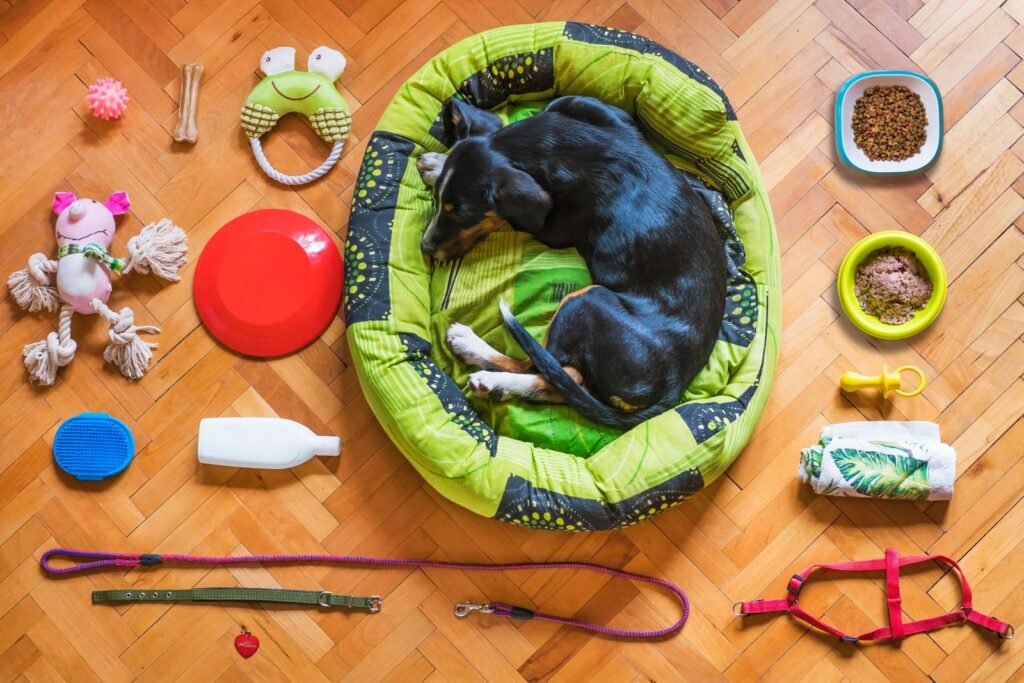
If you want to know how to wash a dog bed, start with the gear that lives on the floor of your flat: the bed, the toys, and the leash that comes back from the street. In a studio or a one-bed apartment, that pile shares the room where you eat and sleep. A wash habit keeps it from staying damp or sour. It does not replace a bath, and it is not a treatment for allergies or for odor as if odor were a disease.
This is general information for dog parents in the US and UK, not a veterinary diagnosis, and not a promise that a certain cycle will make every item smell new. Follow the maker’s label when you have one. If a dog develops a sudden skin rash, has a wound, or chews and swallows stuffing, contact a veterinarian rather than adding a harsher wash.
This is the gear on the floor, not a bath
Washing the bedding is a different job from washing the dog. A bath is about the dog’s body, the bathroom, and how often that wash is actually needed. For that side of the routine, use how to bathe a dog in a small apartment bathroom and how often to bathe a dog. This article stays with the bed, the toys, and the leash.
It is also not how to clean dog bowls and fountains at home. Bowls and fountains belong in the kitchen sink on their own schedule. Hair on the sofa is a shedding problem, covered in how to manage dog shedding in an apartment and how to brush your dog at home. Brushing helps less hair reach the bedding, but it is not a substitute for washing the cover.
The floor gear picks up saliva, street dirt, and food crumbs. A simple sort — machine, sink, or wipe — is enough for most apartments. You do not need a hospital-style routine, and this guide will not invent a temperature chart or claim that a wash makes an item sterile.
Start with the label, then sort what can go in the machine
Read the tag before you guess. Many apartment beds have a removable cover that can go in the washing machine and a foam insert that should stay out, or should only be wiped. Some thinner pads are designed to go in whole. If the label is missing, treat foam, memory foam, and heavy orthopedic inserts as wipe-only unless the maker says otherwise.
- Removable covers and thin fabric pads. These are the usual machine-wash items. Zip them, shake out hair and crumbs, and wash on a gentle cycle with a mild detergent.
- Foam and memory-foam inserts. Skip a bleach soak unless the maker says you can use one. Do not wring memory foam, and do not assume a hot cycle is kinder because the bed smells. Wipe the insert or follow the care note that came with the bed.
- Beds with plastic bases, hidden boards, or heated pads. These are not laundry-machine objects. Wipe the hard parts. If a heated pad has a fabric cover, wash only the cover, and only if the tag allows it.
If you are still choosing a bed that will fit the room, best dog beds for apartments is the buying guide. A cover you can remove makes the wash habit easier later, but a stylish bed is not automatically a machine-wash bed. Shake hair into the bin before the wash.
Toys: machine, sink, or wipe
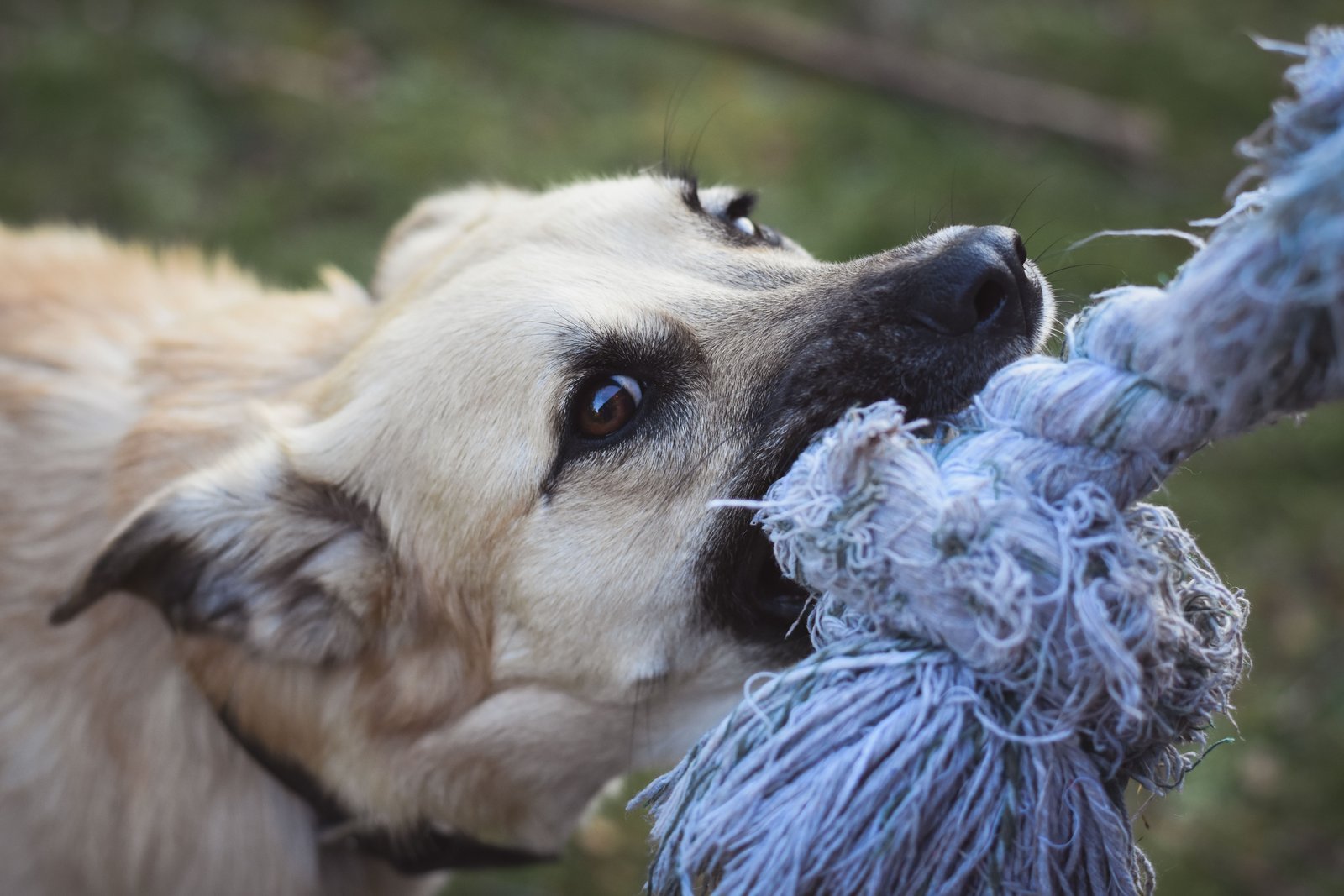
Toys need a sort as well, because a plush squirrel and a hard rubber ring are not the same object.
Soft toys with no electronic squeaker, and some fabric tugs, can often go in a pillowcase or a mesh bag on a gentle cycle. Check for holes first. A torn seam that will spill stuffing is a replacement problem, not a laundry problem. Hard rubber, nylon, and smooth plastic toys usually do better in the sink with warm water and a little dish soap, then a thorough rinse. Rope toys can be soaked and rinsed in the sink; they hold water, so they need a full dry before they go back on the rug.
Skip the dishwasher for toys unless the maker says it is appropriate. High heat can warp plastic. A soap-and-water wash, a rinse, and a complete dry are the useful standard.
If you are choosing toys that will survive apartment life, best quiet dog toys for apartments and best toys for aggressive chewers are the companion guides. This article is about washing the ones you already have, and noticing when a chewed toy is no longer a toy.
Leashes and harnesses need a gentler wash
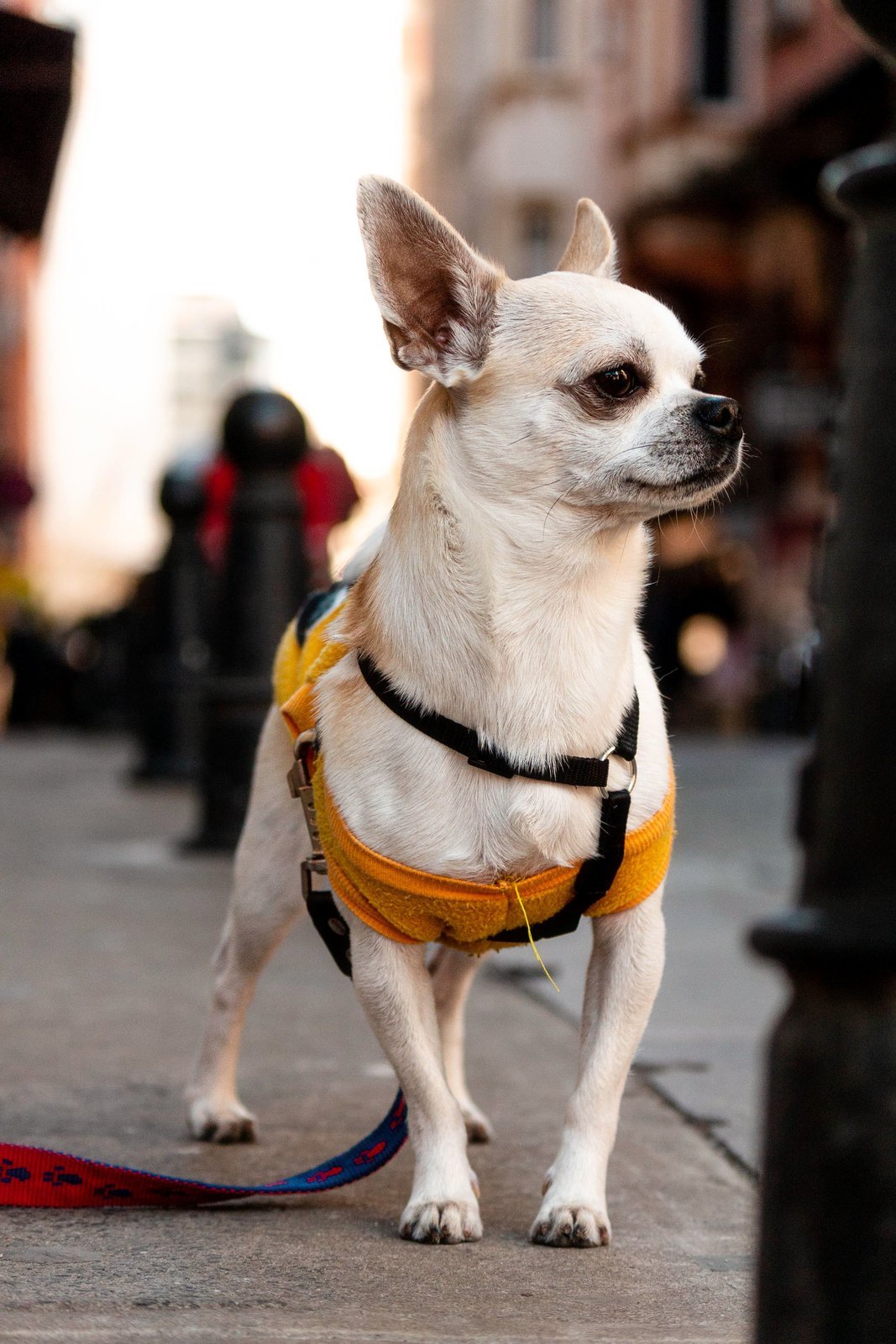
A city leash picks up pavement film and rain. That does not mean it should go in a hot dryer.
Most fabric leashes and many fabric harnesses can be hand-washed in the sink with mild soap, then rinsed well. Some webbing leashes can go in a machine inside a bag on a cold, gentle cycle, but only if the hardware is sturdy and the maker allows it. Leather needs a wipe and a leather-safe clean, not a soak. Waterproof coatings and rubberized handles can soften or wrinkle in high heat, so skip the hot dryer and keep the wash lukewarm.
Inspect stitching and clips while the item is easy to look at. A leash with a cracked snap or a fraying stitch should be replaced, not just washed. For choosing a leash that suits pavements and lifts, use best dog leashes for city walks. Hang the leash to dry so the metal is not sitting in a puddle. A shower hook or a door hanger is enough.
How often is enough
There is no single calendar that fits every dog and every flat. A useful starting point for many households is this:
- Wash a frequently used cover about every one to two weeks, or sooner after an accident, a muddy walk, or a spill.
- Wash or sink-clean everyday toys when they look grimy or smell sour. Rotate a second set if you have one, so nothing goes back into play while it is still damp.
- Wipe or wash a leash when it is visibly dirty, after rain and salt, or when it smells like the street.
This is a hygiene habit, not a medical plan. Washing the bed will not treat allergies, and it will not treat a smell as if the smell were a disease. If odor comes back as soon as the bed is dry, look at the dog, the ventilation, and whether the item is worn out. If the skin looks irritated, contact a veterinarian rather than only shortening the wash interval. Brushing reduces loose hair in the fibers, but it does not clean saliva or street dirt.
Drying in a small apartment, without a damp bed in the living room
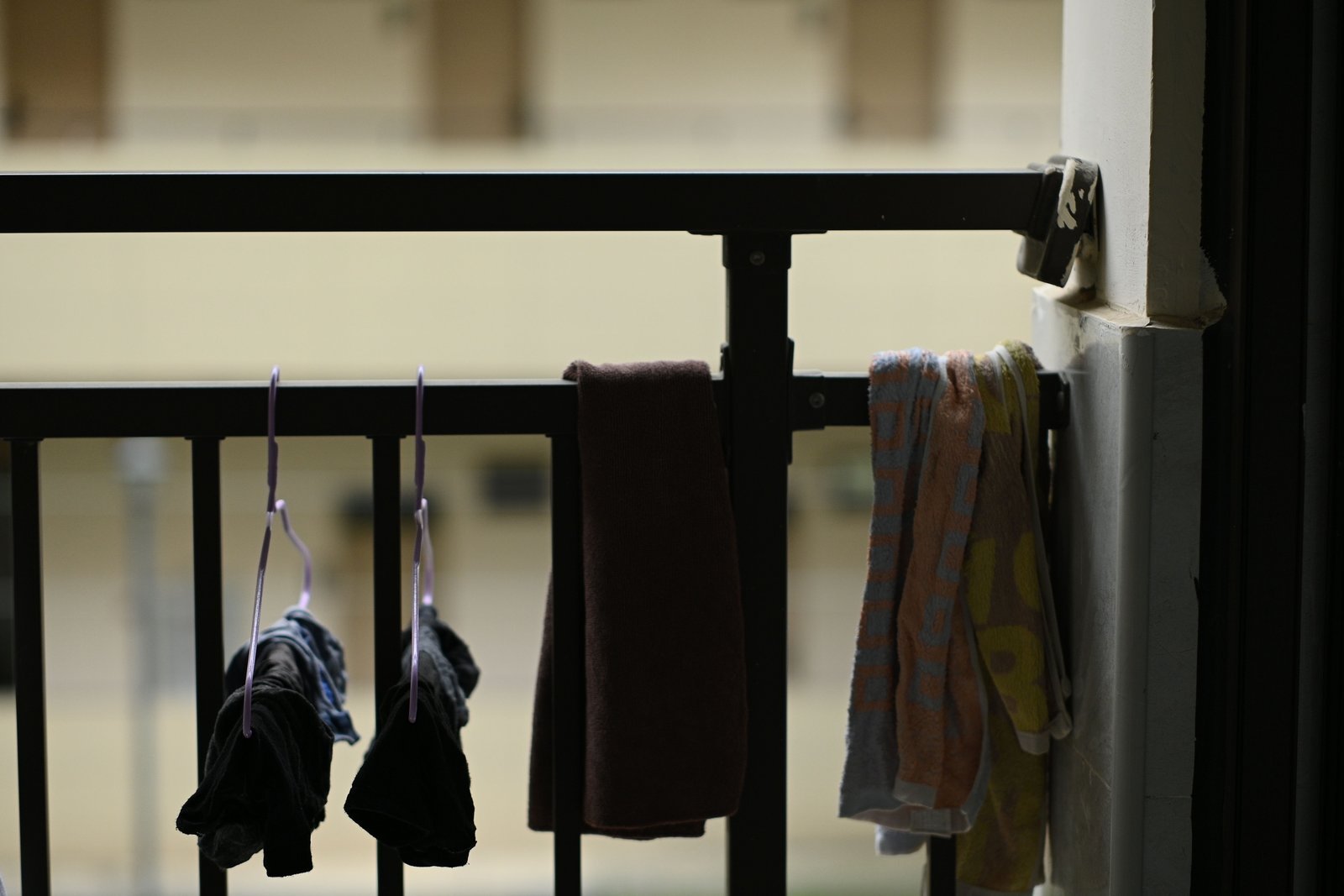
The wash is only half the job. A damp bed left on the sofa or in the middle of a studio will smell, and it may stay wet long enough to feel unpleasant for the dog. In a small apartment, plan the dry as carefully as the cycle.
If your building has a dryer, use a low or no-heat setting only when the label allows it, and only for covers and fabric toys, not for foam and not for coated leashes. At home, a folding rack in the bathroom with the fan on, or laundry hung on a balcony rail where the building allows it, keeps the wet item out of the main living space. The photo above is ordinary human laundry on a balcony rail, not a dog bed, but the same idea applies: move the wet item into moving air, not onto the sofa.
Do not drape a soaked cover over a radiator if it could scorch or melt a coating. Do not put memory foam in a hot dryer. Press extra water from fabric items in a towel, then leave space so air can reach both sides. A second bed or a folded blanket covers the gap until the usual bed is fully dry to the touch, including the seams. If you use a shared laundry room, move the load when it finishes.
When to replace, not just wash
Some items will not come back. A bed that stays sour after a proper wash and a full dry, a stain that has gone through the foam, or a cushion that has collapsed is a replacement, not another cycle. The same is true of a toy with a hole large enough for stuffing or a squeaker to come out, and of a rope that has frayed into long, swallowable threads.
If the dog is unpacking the bed, take the bed away and offer a safer chew. If you think the dog has swallowed stuffing, a squeaker, or a piece of foam, contact a veterinarian. A leash with weakened stitching, a rusted clip, or a coating that has cracked after too much heat should also be retired.
If the home also has a cat bed, the same habit helps: check the label, wash the cover when you can, dry it fully, and replace a shredded or sour bed. That is a short shared hygiene note, not a second buying guide.
A simple apartment routine
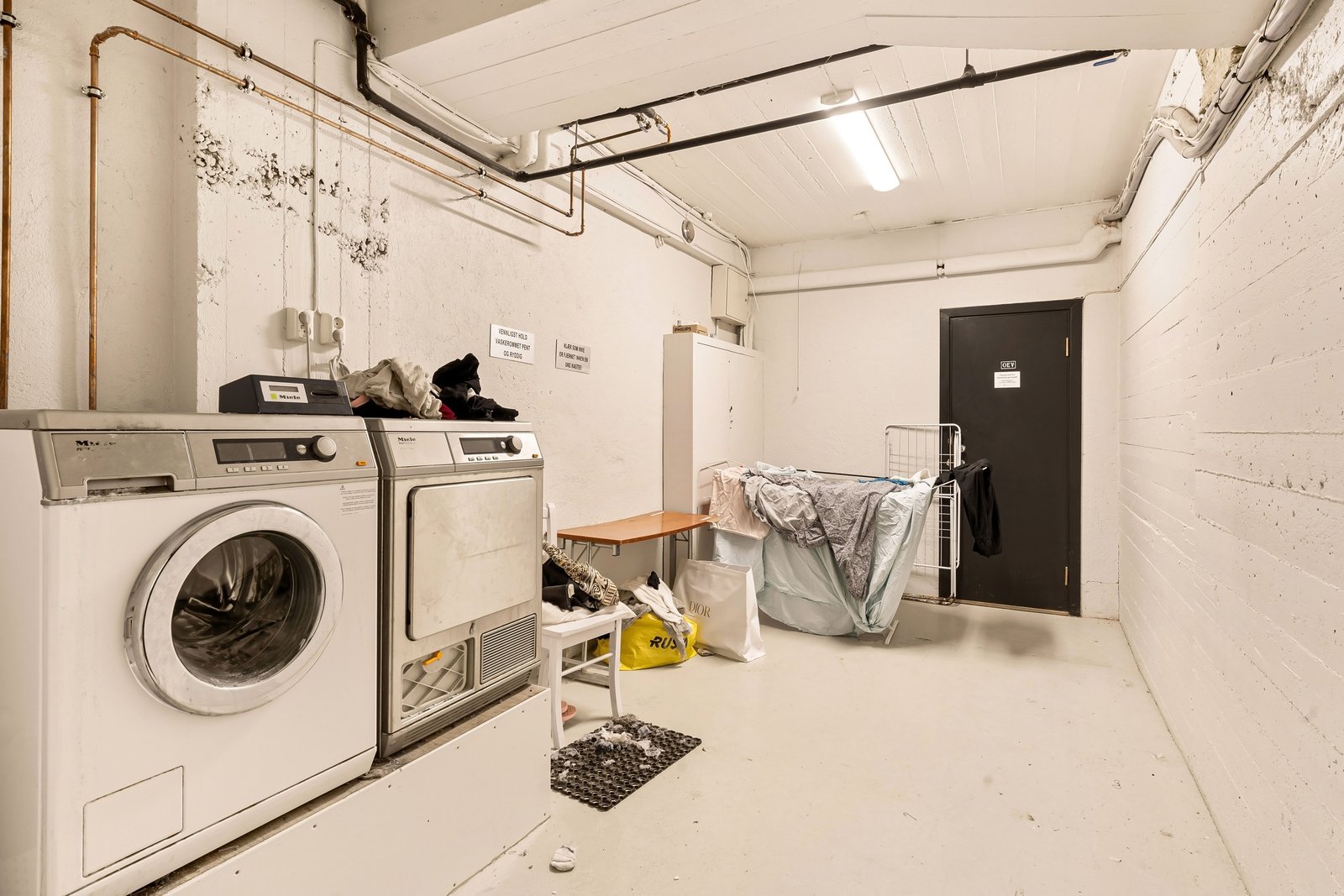
You do not need a complicated system. A routine that fits a small flat looks like this:
After walks. Hang the leash to dry if it is wet. Knock mud off before it sets. Drop very dirty toys in a sink or a bin, not back into the bed.
Once a week, or when the cover looks tired. Shake the bed, wash the cover, and start the dry the same day. Sink-wash the toys that have been in constant use. Wipe hard toys and any foam insert that cannot go in the machine.
After an accident or a spill. Wash that item as soon as you can. A damp, soiled bed should not stay in the living room overnight if you can avoid it.
When something fails the check. Replace it. A sour, shredded, or structurally weak item is not made safe by another rinse.
If you use a building laundry room, bag the clean cover so it does not travel home against the floor. Keep detergent modest; leftover soap is uncomfortable for a dog that sleeps with its nose on the fabric.
When this is a veterinary question
A wash habit is not a diagnosis. Contact a veterinarian if the dog has a sudden skin rash, a wound being rubbed on the bedding, persistent itching, or a smell that seems to come from the skin, ears, or mouth rather than from the fabric. Contact a veterinarian promptly if the dog may have swallowed stuffing, foam, or a toy part. This guide cannot tell you what caused a rash. Keep the routine simple, dry the gear fully, and let a veterinarian handle the medical questions.
FAQ
Can I put a memory-foam dog bed in the washing machine?
Only if the maker says the whole bed, or that insert, can go in. Many memory-foam beds have a removable cover you can wash and an insert you should wipe or spot-clean. Skip a bleach soak on memory foam unless the maker says so, and do not use high heat. If the label is missing, treat the foam as wipe-only and wash the cover separately if you can take it off.
How often should I wash a dog bed in a small apartment?
A frequently used cover often needs a wash every one to two weeks, and sooner after an accident, mud, or a spill. This is a practical starting point, not a medical rule and not a treatment for allergies or odor. If the bed smells again as soon as it is dry, or the dog has a sudden rash, contact a veterinarian rather than only washing more often.
How do I dry a dog bed in a small flat without leaving it damp in the living room?
Plan the dry when you start the wash. Use a low-heat dryer only if the label allows it, or a rack in a ventilated bathroom, or a balcony rail if your building permits drying there. Leave air around the item, and do not put foam or a coated leash in a hot dryer. Give the dog a second bed or a clean blanket until the usual bed is fully dry, including the seams.
Which toys can I machine-wash, and which should I wash in the sink?
Soft toys with no electronic parts can often go in a bag on a gentle cycle if the seams are intact. Hard rubber, nylon, and many plastic toys belong in the sink with mild soap and a full rinse. Rope toys can be soaked and then dried completely. If a toy is torn and stuffing or a squeaker can come out, replace it. If you think the dog swallowed a piece, contact a veterinarian.
When should I replace a bed, toy, or leash instead of washing it again?
Replace an item that stays sour after a proper wash and a full dry, a bed that has collapsed, a toy with a hole that exposes stuffing or long frayed threads, or a leash with weak stitching or damaged hardware. Washing will not repair those problems. If the dog is unpacking a bed or may have swallowed stuffing, contact a veterinarian and take the damaged item away.