


If you want to help a dog stay calm during thunderstorms and fireworks, the useful work starts before the first boom hits a small apartment. It is the sudden crack, the way sound bounces around a tight room, the balcony door that rattles in its frame, and the fact that a neighbor may be setting off fireworks on the same block, or even on a nearby walkway.
This is general information for US and UK dog parents in flats and small homes, not a veterinary diagnosis and not a behaviorist plan. There is no honest promise that the dog will sleep through the next storm after one quiet night. If the dog panics to the point of hurting themselves, destroying a door, or getting worse across repeated storms, a qualified professional who can see the dog in real conditions is the next step. Do not reach for leftover medication, and do not treat a drop, a chew sold as “calming,” or any supplement as a substitute for a management plan you can actually run in a small home.
Why booms feel worse in a small apartment
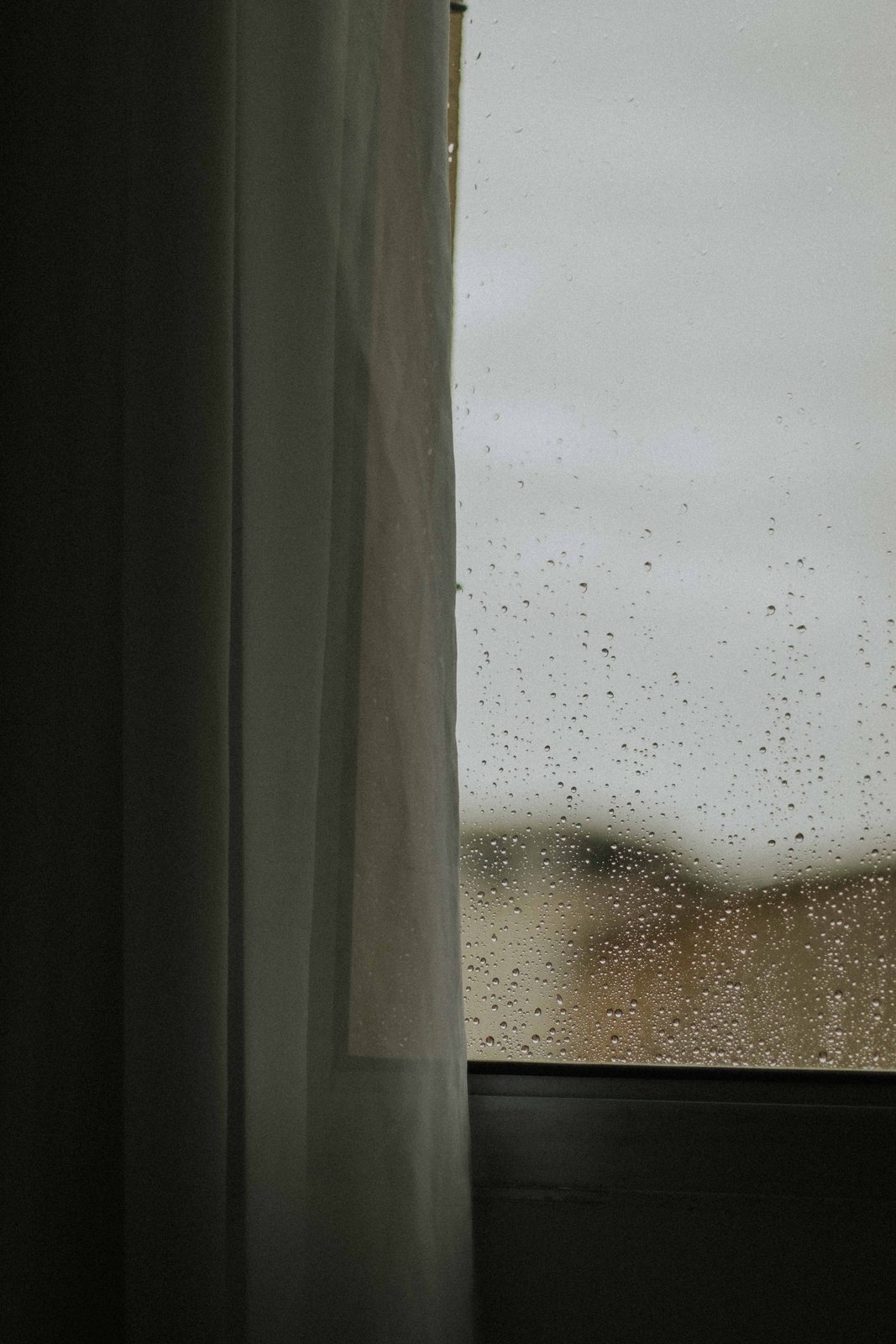
In a house with a spare room and a garden, a dog can sometimes move farther from the noise. In a studio or a one-bedroom flat, that option is often missing. The same boom comes through the walls, the ceiling, and the glass, then reflects around a short room. A balcony door can shake in its track. Street-facing windows pick up flashes and sound at the same time. If people on the walkway, the courtyard, or a neighboring balcony are also lighting fireworks, the noise is not a distant show. It is next to your door.
That is a different problem from ordinary building sound. Elevators, hallway footfall, and neighbors moving furniture are worth a separate, slower plan, which we unpack in how to help a dog get used to everyday apartment noise. A doorbell, a maintenance visit, or a tight lift are different triggers too. Those have their own work in how to keep a dog calm when the doorbell rings, how to keep a dog calm during apartment maintenance visits, and how to help a dog stay calm in elevators and hallways. This guide stays on thunder and fireworks, where the sound is sudden, loud, and hard to get away from.
Watch what the dog does early, rather than waiting for a full panic. Many dogs pace, pant, tremble, hide, or bark long before they try a door or a window. Those signs matter, and signs your dog is stressed can help you read them without turning this into a body-language lesson. Barking during a boom is often part of the same fear, not a separate “noisy neighbor” habit. Everyday barking in a flat has its own article in how to stop a dog from barking in an apartment. During a storm or a firework display, the first job is management, not a correction.
Set up a quieter room before the first boom

Management is the first job: a familiar interior room, less glass, less rattle, and a short outing before a known display while the street is still quiet. You cannot move the storm. You can change how close the dog is to the loudest surfaces in your home.
Choose a room the dog already uses, farther from the balcony and from street-facing glass if you have that choice. In a studio, that may be an interior corner, the bathroom only if the dog already rests there happily, or the side of the room that does not face the courtyard. Close the curtains or drop a blind so flashes are duller and the glass is less of a drum. A familiar bed in that spot is often enough. A crate can be part of the plan only if the dog already likes going in and resting there with the door open or closed by choice. A crate the dog merely tolerates on a normal Tuesday is a poor place to shut them when the sky is banging. If you are still building that comfort on quiet days, how to crate train a dog in an apartment is the slower skill. Do not start that lesson during a storm.
Add a steady sound you already use at home: a television, a fan, or a speaker at a moderate volume. The aim is a constant background, not a second startling noise. Keep the remote or the switch where you can find it, and turn the sound on before the first boom if you know a holiday display is coming.
When you know the night, take a short walk and a potty break while it is still quiet. A dog who needs to toilet after the display starts may have to wait in a small room, or you may have to step into a hallway that is already loud. If the outing will be after dark, how to walk a dog at night in the city is useful for lighting and a calmer route, but it is not a reason to stay out once fireworks have begun. Keep the walk short and familiar. Come back, settle the room, and be in place before the first expected boom.
During the noise, stay matter-of-fact

Once the noise starts, your job is to be ordinary. Sit in the prepared room. Speak in a normal voice if you speak at all. Fussing, hovering, or a tight, worried tone can add heat to an already hard moment. Being present and calm is enough.
Offer a chew, a stuffed toy, or a simple settled activity only if the dog can take it. Some dogs will lie on a familiar bed and work on a chew between booms. Others cannot eat, cannot lie down, and should not be pressed to perform. If they can settle, a short “find it” on the rug or a chew they already like is plenty. Everyday settling practice belongs in a quieter week, which we unpack in how to teach a dog to settle in a small apartment. This night is not the time to drill a new down-stay.
Do not punish shaking, pacing, or barking. The dog is not “being dramatic” and is not trying to bother the people downstairs. A scolding, a shove into a crate, or a shouted “enough” adds a second problem to the sound they already fear. If barking is part of the panic, manage the room and wait. You can work on everyday barking another day.
If you can be home, be home. A known holiday display is a poor night to test a long absence. How to leave a dog home alone in an apartment is a different plan, for ordinary departures, not for a night the dog already finds frightening. If you cannot change your shift or your travel, have the room ready, keep the outing short before you go, and use a camera only as a way to see what is happening, not as a stand-in for company. Best pet cameras for apartments can help you notice pacing or a door-scratch after you leave, so you know whether the setup is kind enough, or whether the next display needs a different plan, such as a trusted person staying with the dog.
What not to do in a small home
Do not shut a panicked dog on a balcony. The sound is often louder there, the door may rattle, and a frightened dog has less room and more glass. A balcony is not a “fresh air” fix during fireworks.
Do not shut the dog in a bathroom they already fear, or in any small room they avoid on ordinary days. A windowless bathroom can feel quieter to you and worse to a dog who already hates that space. Use it only if it is already a place they rest.
Do not shut them in a crate they only tolerate. A closed crate during a panic can lead to injury, a broken door, or a crate the dog will not enter later. If the crate is a true rest place, you can leave it open in the quiet room and let the dog choose it. If it is not, skip it.
Do not try to “flood” the dog by standing on the balcony with them, playing firework videos at high volume, or promising that one bad night will finish the job. Sudden booms are not the same as a doorbell you can practice at a lower level. If you want to practice anything, do it later, on a quiet day, with much milder sound, and only with guidance if the dog is already severely afraid.
A starting plan, and when to get help
Use this as a first draft, then adjust it to your building and your dog:
- Before a known holiday display, take a short, familiar walk and a potty break while the street is still quiet, then come back inside.
- Set up a familiar interior room away from the balcony and street-facing glass, and close the curtains.
- Put out a bed the dog already likes. Offer a crate only if the dog already chooses that crate to rest.
- Turn on a television or a fan for steady sound before the first expected boom.
- Stay in the room and keep your own behavior ordinary. Offer a chew or a simple settled activity if the dog can take it.
- Do not punish shaking, pacing, or barking, and do not shut the dog on a balcony, in a feared bathroom, or in a crate they only tolerate.
- If you cannot be home, prepare the room anyway, and use a camera only to see whether the dog is coping.
A dog who startles, then recovers once the room is set up, may only need this kind of management on storm days and festival nights. A dog who tries to break a door, scratches until they bleed, hurts themselves, or gets worse from one storm to the next needs more than a closed curtain and a fan. That is the point to speak with a qualified professional who can see the dog in person, and with your veterinarian if you are worried about injury or a sudden change. This article will not recommend a medication, a supplement, or a product, and it will not tell you the dog will be fine by morning. A small apartment makes thunder and fireworks harder, but a planned room, a timely potty break, and a matter-of-fact presence are still the most useful work you can do at home.
FAQ
Should I crate my dog when fireworks start?
Only if the dog already likes that crate and chooses it as a rest place. A crate they merely tolerate on a normal day is a poor place to shut them during a panic, and a closed door can lead to injury or a crate they will not enter later. You can leave a familiar crate open in the quiet room and let the dog go in if they want to. If they do not already like the crate, use a familiar bed instead and save crate training for quieter days.
Is it all right to leave my dog alone during a thunderstorm in an apartment?
If you can change the plan, stay home for a known holiday display or a forecast storm the dog already finds hard. A small flat gives the dog fewer places to move away from the noise, and a long absence is a lot to ask. If you cannot be there, prepare the interior room, take a potty break before you go, and use a camera only to see how the dog copes. Repeated panic when left alone is a reason to get in-person help, not to add a longer absence.
Should I take my dog out once fireworks have already started?
Usually no, unless the dog urgently needs to toilet and you can do a very short, close potty trip without walking into the loudest part of the display. A full neighborhood walk during booms can make the fear worse, and a startled dog is harder to handle on a city street. The better window is a short outing before a known display, while it is still quiet. If fireworks begin during a walk, turn toward home in a calm way and finish the plan indoors.
Does a television or a fan actually help?
It can help some dogs by adding a steady sound that makes each boom a little less sharp, especially in a small room where sound bounces. It is not a guarantee, and a sudden loud program can work against you. Use a show, music, or a fan the dog already hears on ordinary days, at a moderate volume, and start it before the first expected boom. If the dog is still panicked, keep the rest of the management plan and do not keep raising the volume.
When should I get professional help for storm or firework fear?
Get help if the dog injures themselves, tries to break a door or a window, cannot be kept safe in the prepared room, or gets worse across repeated storms and displays. A qualified professional who can see the dog in real conditions is the next step, and your veterinarian should be involved if there is injury or a sudden change in how the dog copes. A few shaky minutes that settle once the room is quiet are a different picture from a panic that is growing.