


If you want to help two cats get along in a small apartment, you are not starting from a carrier at the door. The two cats already live together, and the tension is now part of the floor plan: staring, blocking a hallway, hogging the only window or the only path to the litter box, chasing, growling in a doorway, or one cat hiding while the other patrols the same few rooms.
This is general information for US and UK cat parents, not a veterinary diagnosis and not a promise that two cats will be close companions in a week. Sudden aggression, hiding, not eating, or peeing outside the box is a health or environment question first. Contact a veterinarian if that change is new or getting worse. How to introduce a new cat is the slow first-meeting plan. This article is the ongoing shared-space relationship after both cats already live in the home.
A tight home creates chokepoints
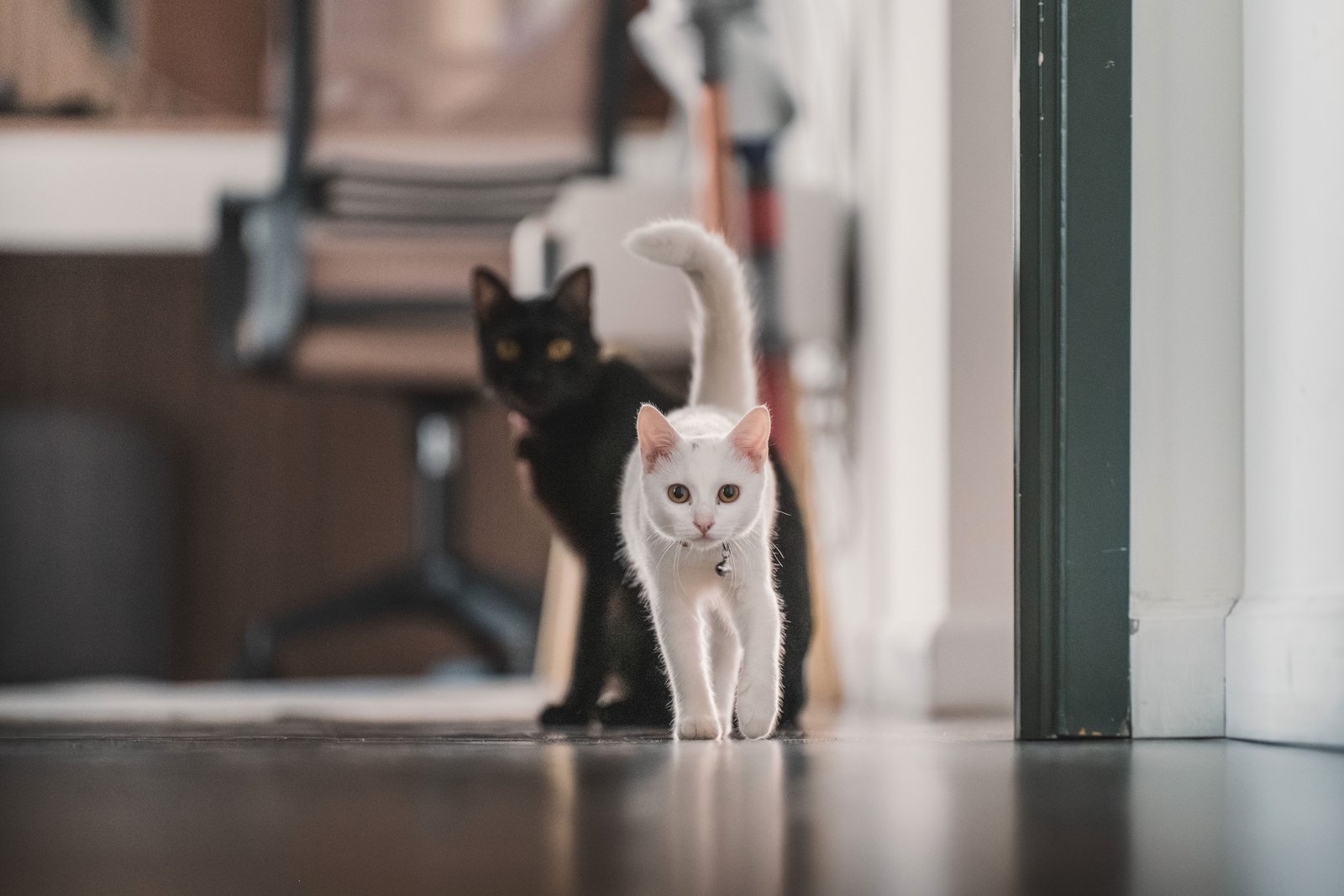
In a larger house, two cats can avoid each other without much thought. In a studio or a one-bedroom flat, almost every useful thing sits on a shared path. The hallway is both a corridor and a waiting room. The one sunny window is also the route past the sofa. The litter box may sit in a bathroom that has only one door. A single cat tree in the corner becomes a toll booth if the more confident cat sits on the lowest platform.
A chokepoint is any narrow place a cat must pass to eat, toilet, rest, or look outside. Watch for blocking (one cat sitting in the doorway), staring from a high perch onto the only path, and “hall patrol,” where one cat moves whenever the other tries to cross. The shy cat may start using the box less, eating in a rush, or staying under the bed. That is information about the layout, not a verdict on either cat’s character.
This is a different problem from a first introduction, and it is also different from meal logistics. Feeding two cats in a small apartment covers bowls and timing. You will still use some of that spacing here, because a bowl in a blocked corner is another chokepoint, but the job in this article is the whole day, not only supper. If a dog also shares the home, introducing a cat and a dog in an apartment is a separate plan; do not fold that work into a two-cat peace plan.
Guests and a shy cat can add pressure, but they are not the same task. Helping a shy cat feel safe in an apartment is useful if one cat is already hiding as a habit. Helping a cat stay calm when guests visit is for the days other people come in. For the daily relationship between two resident cats, stay with space, resources, and short, repeatable routines.
Two of each resource matters more than a lecture
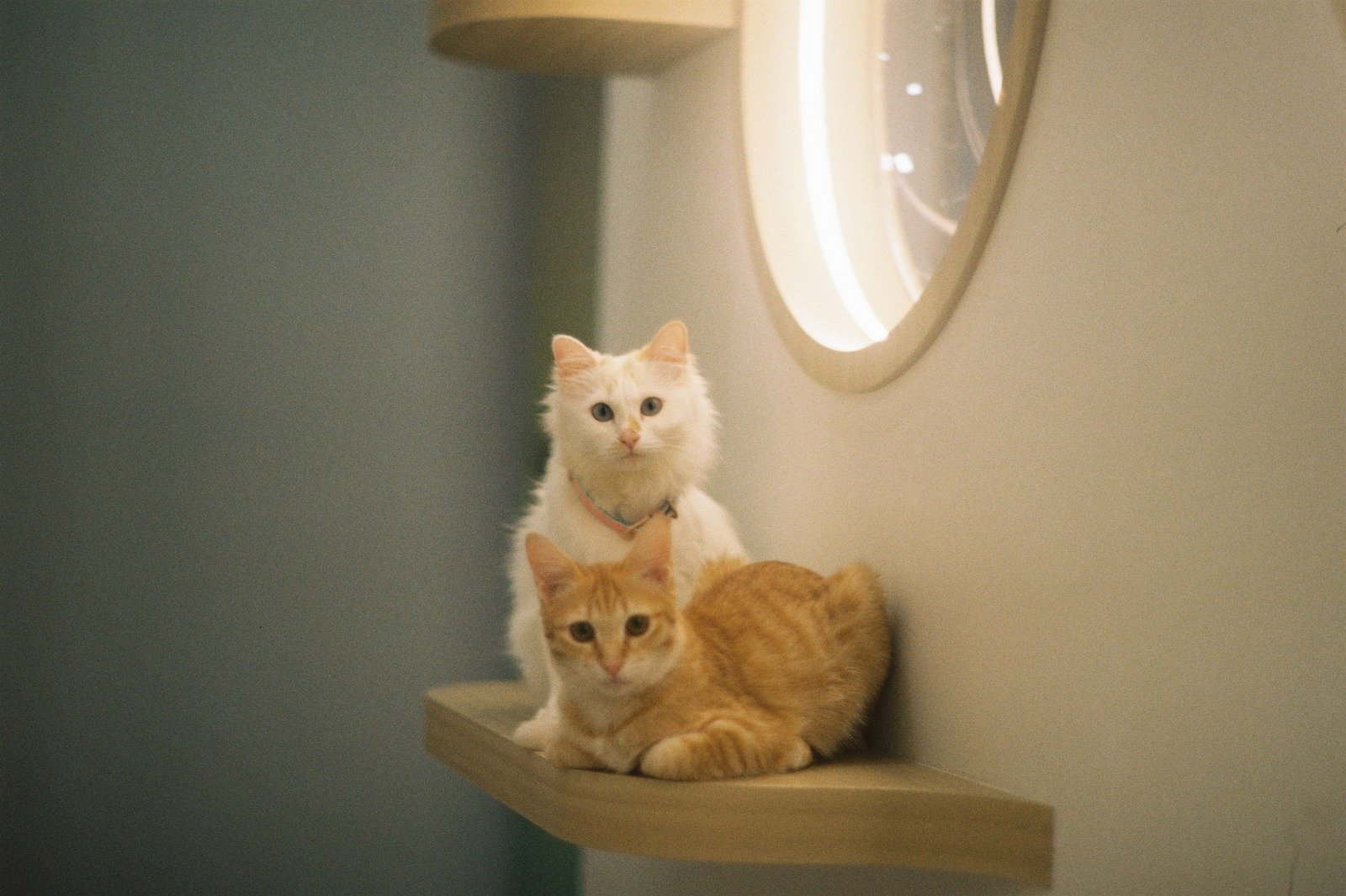
A talk will not open a blocked bathroom door. Two of each important resource often will, or at least it will give both cats a legal choice. In a small apartment that usually means two litter setups, two water stations, two rest places, two scratching options, and more than one high perch, even if those things have to be smaller or wall-mounted.
Litter is the classic trap. One box in a dead-end bathroom is easy to guard. A second box, placed so a cat can enter and leave without walking past the other cat’s favorite sitting spot, can lower that daily tax. For placement, privacy, and a workable apartment layout, see cat litter box setup in an apartment. Water and rest follow the same logic: not two bowls touching each other in the one open corner, and not one deluxe bed that both cats are expected to share because the floor is small.
Scratching and height need duplicates too. If there is only one post, the cat who gets there first owns it. A second post, or a post plus a pad in another room, gives both cats an outlet that does not require a confrontation. If you are choosing compact options, best cat scratching posts for small apartments can help you think about footprint and placement, not about a brand contest.
Do not punish a growl at a doorway or spray a chasing cat with water. Punishment adds fear to a tight floor plan and does not teach a second route. Skip essential oils, and do not treat a pheromone diffuser or a supplement as a guarantee that the two cats will suddenly relax. If a veterinarian has already suggested a product as part of a broader plan, follow that advice. Otherwise, change the map of the home first.
Vertical space and a way around each other
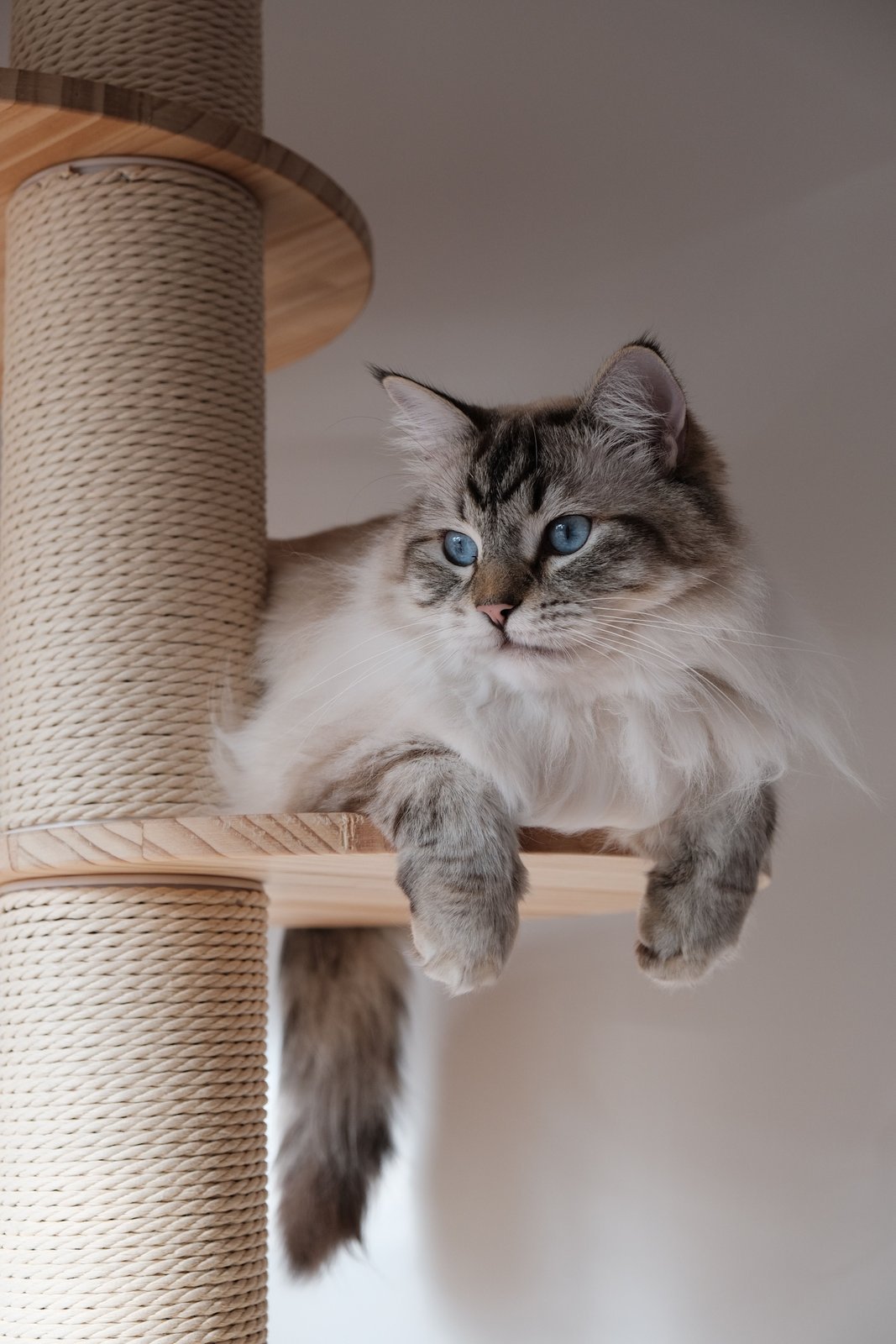
Floor area in a small apartment is limited. Height is often the unused room. A cat tree, a window perch, or a wall shelf can turn a single hallway into two paths: one on the floor, one above it. The goal is not to decorate. It is to give each cat a way around the other without a forced face-to-face in a doorway.
A tree with more than one platform can let one cat rest high while the other passes below, as long as the base is not blocking the only walkway. If you are choosing a tree that has to fit a tight corner, see best cat trees for small apartments. Window perches matter when the one sunny sill has become a prize. Two viewing spots, even if one is a simple shelf and one is a perch, reduce the need to evict each other. Best window perches for cats is a useful companion when you are picking a perch that actually fits the glass and the wall.
Wall-mounted shelves can create a second “hallway” along a wall that currently does nothing. They work best when a cat can get on and off without leaping onto the other cat’s rest spot, and when the run is not a dead end. Best wall-mounted cat shelves for apartments can help you think about a route, not only a single decorative step.
While you add height, also look at the floor path. A laundry basket, a shoe rack, or a chair in a narrow hall can turn a tight pass into a trap. Cat-proofing a small apartment is the wider safety pass for cords, windows, and hazards; use it here too to keep escape routes clear, so a tense moment has an exit.
Short play, scent-sharing, and a pause in separate rooms
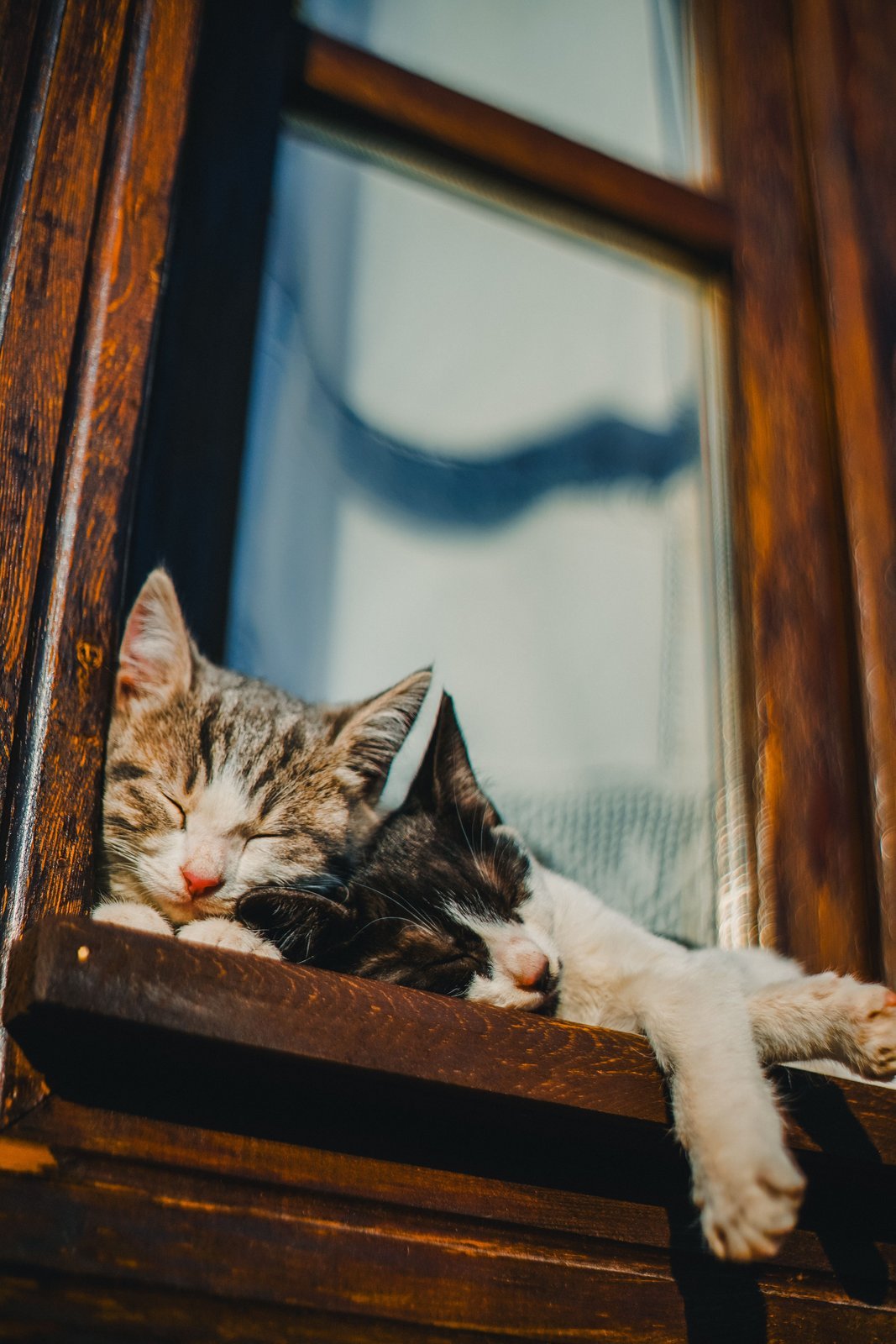
Once the map is fairer, keep the daily temperature down with short, predictable play and with scent that already belongs to both cats. A brief wand-toy session before the usual tense hour – often early evening in a small flat – can take the edge off chasing that was about to happen in the hallway. You do not need a long workout. You need a clear start and a clear end, then a chance for each cat to eat or rest.
A daily play routine for an indoor cat can give you a simple shape for those sessions. Indoor cat enrichment ideas can add foraging, climbing, and quiet solo play so both cats have something to do besides watch each other. If you are out during the day and come home to a tense reunion, keeping an indoor cat busy while you are at work is the plan for those hours, not a substitute for the resource work above.
Scent-sharing can be as plain as swapping a blanket or a small towel between rest spots, or stroking one cat and then, with a clean pause if they dislike each other’s faces, offering the same familiar cloth in the other cat’s area. The aim is a home that smells like both of them, not a forced nose-to-nose. If either cat freezes, hisses, or leaves, stop and go back to space and play.
A pause in separate rooms is fair when the day has already gone tight: after a chase, during a long guest visit, or when one cat cannot get to the box without being blocked. A closed door for a few hours, with litter, water, food, and a rest spot on each side, is a reset, not a life sentence. Open the door again when both cats are calmer, and use a short, easy moment – a meal in separate places, or a quiet rest – rather than a dramatic reunion in the hallway.
Rough play or a fight, and when to get help
Rough play can look loud in a small apartment. You may see chasing, a tumble, a short burst of wrestling, then a break: loose bodies, ears not pinned the whole time, and both cats willing to come back for another round or to walk away and rest. A fight looks less like a game. The bodies stay tight, ears are flattened, there may be screaming rather than short chirps, and one cat tries to get away and cannot. Afterward, one cat may hide, avoid the other, or skip the box and the bowl.
This is not a diagnosis of a medical or behavioral disorder. It is a practical way to decide whether to interrupt and give space. If you need to break up a fight, do not put your hands between them. Make a sudden, boring interruption if you can do it safely – a blanket or a cushion to block the line of sight, or a brief door close – then let both cats settle in separate areas. Check later for injuries.
Signs your cat is stressed can help you notice hiding, changes in grooming, appetite, or litter habits that sit around the social tension. Those signs are also a reason to call a veterinarian, because pain or illness can look like a “relationship problem.” A cat who suddenly attacks, hides, stops eating, or pees outside the box needs a health check first, not a longer lecture.
Rehoming is not the default first step. Many pairs do better when the home has two of each resource, a second route, and some honest pauses. But do not pretend two cats must stay in one room if someone is getting injured. If chases end in wounds, if one cat cannot eat or toilet in peace, or if the tension is getting worse over days, get help from a veterinarian or a qualified behavior professional. That is the honest next step, and it is fair to take it before anyone is badly hurt.
Two cats in a small apartment do not need a perfect friendship. They need a floor plan they can share, a way around each other, and a chance to rest without standing guard at the only window.
FAQ
Is this the same plan I should use when I first bring a new cat home?
No. The first-week introduction is a slow, separated meeting plan. This guide is for two cats who already live together and are tense in a shared floor plan. If you are still in the early introduction, use that introduction plan first, then come back to resources, vertical space, and daily routines once both cats share the home.
Do I really need two litter boxes in a small apartment?
Often, yes, or at least two setups that both cats can reach without walking through a guarded doorway. One box in a dead-end bathroom is easy to block. A second option in a different path matters more than a speech about sharing. Keep each box usable, and treat peeing outside the box as a health or environment question first.
How can I tell rough play from a fight?
Rough play usually has breaks, looser bodies, and both cats able to walk away or return. A fight stays tight, may include screaming, and often ends with one cat hiding or unable to escape. If you need to interrupt a fight, do not put your hands between the cats. Separate them safely, then give each one a quiet space with litter, water, and a rest spot.
Should I use a spray bottle, essential oils, or a pheromone product to make them friends?
Do not use a spray bottle or other punishment, and skip essential oils. A pheromone product or a supplement is not a guarantee that two cats will relax. Change the layout and the daily routine first. If a veterinarian has already included a product in a wider plan, follow that advice rather than treating it as a miracle on its own.
When should I call a veterinarian or a qualified behavior professional?
Call if you see sudden aggression, hiding, not eating, peeing outside the box, injuries, or tension that is getting worse over days. This is general information, not a diagnosis and not a promise that two cats will become close companions in a week. If someone is getting hurt, do not keep them in one room and hope; getting professional help is the honest next step.